

Instagram benchmarks, 2026
Instagram engagement rate calculator that benchmarks a brand against brands and a creator against creators
Almost every calculator on this subject mixes two populations that behave nothing alike. Platform wide figures of around half a per cent describe business profiles. Creator tier figures of four to six per cent describe individuals. Quote both on one page and the same account gets three different answers, which is exactly what most tools do. This one asks which you are first.
Free, no sign up, nothing sent to us
The calculator is free forever and works anywhere, and we take clients outside the UK as well as in it. Prices are in pounds sterling and no VAT is added. If you are ordering from outside the UK your card issuer sets the exchange rate, and anything due in your own country is outside our invoice.
The calculator
Which are you? Everything else follows from that
This is the first question because it is the one that changes the answer most. The same rate that is respectable for a business profile is poor for a creator of the same size, and no benchmark is meaningful until you have said which you are.
1. Your account
Nine to eighteen recent posts gives a truer figure than one.
This moves the benchmark more than industry does.
2. Which formula
Five formulas exist. A rate quoted without saying which one was used means nothing.
3. The interactions
Saves and shares are only visible to you, which is why outside tools ignore them. Instagram does not.
Your engagement rate
0.00%
Where you sit
The correction
Most engagement rate advice is two different datasets stapled together
If you have ever read that the Instagram average is half a per cent and then read that a good rate is four per cent, both were probably true and neither was about you. They describe different populations, and almost nothing on this subject says so.
- 01Business profiles and creator accounts are separate populations
Platform wide medians are dominated by brand accounts and land near or below one per cent. Creator tier figures come from individuals and run several times higher. A business profile at one per cent is performing respectably. A nano creator at one per cent is not. This calculator asks which you are before it says anything, and it holds two entirely separate sets of bands.
- 02Follower tier matters more than industry
The relationship is inverse and it is steep: smaller accounts engage far better, because a smaller audience is a closer one. A rate that is exceptional at a hundred thousand followers would be a warning sign at three thousand. The previous version of this page benchmarked by industry alone, which is why it could tell a nano beauty account three contradictory things at once.
- 03Format moves the number more than most people expect
Reels sit well above static images on the same account, and carousels do particularly well on saves. An account that moved to Reels and saw its rate rise has not necessarily improved, it has changed the mix. The calculator adjusts the benchmark for the format you actually post, so the comparison stays honest.
- 04There are five formulas and they are not interchangeable
By followers is what an outsider can calculate about you, and it is what brands use to vet a creator. By reach is the truest measure of whether content landed with the people who saw it. By views is the right denominator for a Reels heavy account where most reach comes from non followers. A rate quoted without naming the formula is not a number, it is a claim.
- 05Saves and shares are the ones that count
Both are weighted heavily and both are invisible from outside the account, which is why every external tool ignores them and why your public rate understates you. If your saves are high relative to likes, your content is working even when the visible number looks modest. The tool takes them and shows what proportion of your interactions they represent.
- 06Average across posts, never judge on one
A single post is noise. One strong Reel or one quiet week will move a single calculation far more than any real change in performance. Nine to eighteen recent posts is the range that gives a figure worth acting on, and the tool averages across whatever number you give it.
Underneath: two account populations, five follower tiers, twenty six industries, five formats and three formulas, which is 3,900 benchmark combinations. Every one was generated and checked before this page shipped for non finite values, negative results and inverted bands, and the check that mattered most confirmed that no tier shares a band between brands and creators.
What moves the number
Three pieces where the format did the work
Engagement rate is an output, not a lever. The lever is what you post and whether anyone wants to save it. This is what we make, for brands including Headmasters and the Snaptrip Group travel portfolio. Click any to play, nothing loads until you do.
A salon visit
Filmed at Headmasters
BeautyIce cream, close up
45 seconds, built for the feed
Food and drinkA hotel room reveal
Filmed on a working stay
HotelsAll three were filmed and edited by the two of us. The full library is in the UGC portfolio.
What to do when the number comes back low
Before changing anything, check you have compared yourself to the right population. Roughly half the accounts that believe they have an engagement problem have a benchmarking problem, and the fix costs nothing. Once you are sure the comparison is fair, the causes are few and they are ordered.
Rule out the arithmetic first
Are you averaging enough posts, are you using the same formula each time, and have you included saves and shares? A figure calculated on likes and comments alone is the number an outsider can work out about you, not the number Instagram is judging you on, and the two can differ considerably for content that gets saved rather than liked.
Then look at the format mix
If your rate fell while your reach rose, you have probably moved towards formats that reach non followers. That is not a decline, it is a denominator change, and switching the calculator to the views formula usually shows it. The reverse is also true: an account posting only static images to an existing audience will show a flattering rate on a shrinking reach.
Then the content itself, which is where the real answer usually is
Engagement rate is an output. Nothing raises it except giving people a reason to act, and the actions that count most are the ones that take effort: a save, a share, a message. Content built to be kept, a checklist, a recipe, a reference, a genuinely useful comparison, outperforms content built to be admired, and it does so on the metric the algorithm weights hardest.
And check the audience, not just the content
A rate that fell sharply after a burst of follower growth is usually dilution rather than decline: the same number of engaged people spread across a larger denominator. That resolves on its own if the new followers were real. If it does not resolve, the growth was not real, and no content change will fix a denominator full of accounts that were never going to engage.
When it is a capacity problem rather than a knowledge one
If you know what to post and there is nobody to make it, that is the honest answer and no calculator improves it. Our social media management UK plans exist for that, and the free social media audit scores the whole account rather than one metric if you want a fuller picture first.
Monthly plans
When the answer is that nobody has the hours

Small Business Social Pack
£149 per month
12 static posts, 1 platform, content creation done for you
View Small Business Social Pack- Most chosen


Rolling monthly, 2 months notice, no setup fees. All plans on the social media management page.




Frequently asked questions
Two answers exist, and confusing them is the most common mistake on this subject. For a brand or business profile, anything approaching or above one per cent is respectable, because platform wide medians for business accounts sit below that. For a creator account, the bands are far higher: nano creators run around four to six per cent, micro two to five, and the figure falls steadily as the audience grows.
The standard formula divides likes plus comments by followers and multiplies by one hundred. A post with 420 likes and 38 comments on 8,500 followers gives 5.39 per cent. For your own account the more accurate version adds saves and shares to the top, since Instagram weights both heavily and neither is visible from outside.
Because there are five formulas and most tools do not say which they used. Dividing by followers, by reach or by views produces very different numbers from identical activity, and dividing by reach always flatters. A rate quoted without naming its denominator is not comparable to anything.
No, and doing so is why many perfectly healthy business accounts believe they are failing. Creator accounts carry a personal relationship that a business profile does not, and they engage several times higher at the same follower count. Benchmark a brand against brands. This calculator holds separate bands for each and asks which you are before it judges anything.
Four common causes, in the order worth checking. A change in format mix, which alters the denominator rather than performance. Follower growth diluting a stable number of engaged people. Genuine content fatigue. And platform wide decline, which has been the direction of travel for several years and affects everyone. Only the third is a content problem.
For judging your own account, yes, because Instagram weights both above likes and both signal genuine value: a save is a bookmark and a share is a recommendation. For comparing yourself to other accounts, no, because neither is visible from outside, so an external comparison has to use likes and comments to be fair. The tool lets you do both.
Nine to eighteen recent posts. One post is noise: a single strong Reel or one quiet week moves the figure more than any real change in performance. Averaging across a fortnight or a month of output gives a number you can act on and compare month to month.
Yes, consistently and by a wide margin, which is why format is one of the questions here. An account that switched to Reels and watched its rate climb has partly changed its content mix rather than purely improved. The calculator adjusts the benchmark for the format you actually post so the comparison stays fair.
For almost every commercial purpose, yes. A five thousand follower account at five per cent reaches the same number of engaged people as a fifty thousand follower account at half a per cent, and the smaller one usually converts better because the relationship is closer. Brands evaluating creator partnerships now weight rate and audience quality far above raw size.
Reach is how many unique accounts saw the post. Engagement rate is what proportion of a chosen denominator acted on it. High reach with a low rate usually means the algorithm distributed the post widely but the content did not land. A high rate on low reach usually means the opposite. The posts worth studying have both.
Yes, though less than follower tier does. Education, pets, sport and travel sit well above the median. Finance, software, business to business services and heavily saturated consumer categories such as beauty sit below it, not because those accounts are worse but because competition for the same audience is intense. The tool applies your industry to the band rather than to the verdict.
No. Everything runs in your browser with no sign up, no email field and no request to any server. Your figures never leave your device and the text download is generated there too.
Our channels
If you would rather watch than read
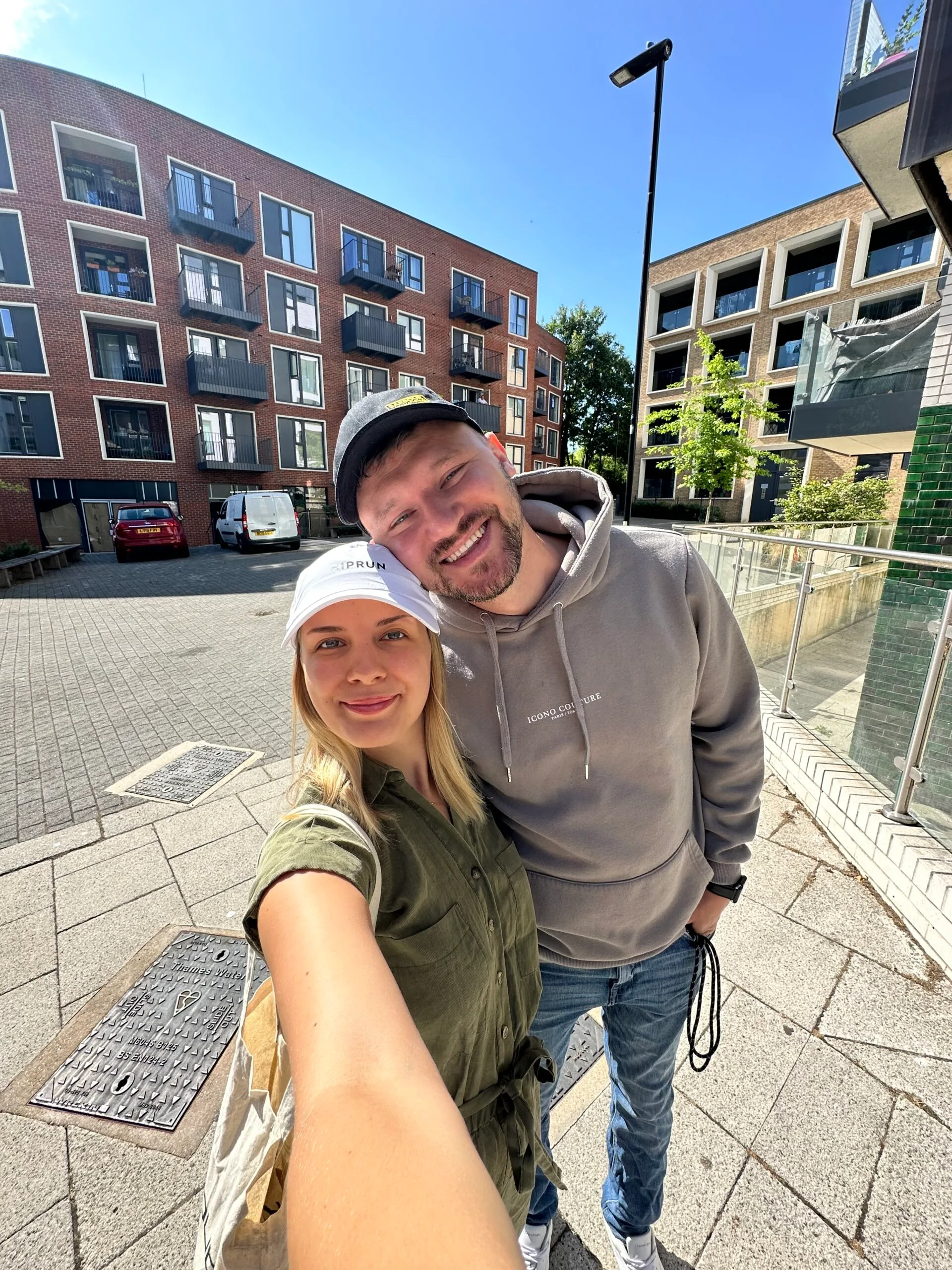
Velena and Dragos
Travel, food and influencer content from the two of us, and the channel where the long form work lives.
Open the channelVelena Lifestyle
The agency channel. UGC examples, client work and finished campaign videos.
Open the channel
Methodology, and what this calculator cannot see
The correction at the centre of it. Brand accounts and creator accounts are held as separate populations with separate bands at every follower tier, and no tier shares a band between the two. That was verified programmatically before this page shipped, because it is the single assumption everything else rests on.
The bands. Follower tier bands are drawn from 2026 Instagram benchmark studies and kept as ranges, because the published sources differ considerably and a single figure would be false precision. Industry and format multipliers are applied to the band rather than to your rate, and are our own judgement of the documented shape rather than a published table.
The formula scaling. Reach and views denominators produce structurally higher rates than a follower denominator, so the benchmark is scaled when you switch formula. Without that adjustment a user changing formula would appear to triple overnight, which is exactly the confusion this page exists to remove.
How it was checked. A worked example was verified by hand, the tier boundaries were tested at eleven edge values including the exact thresholds, and all 3,900 benchmark combinations were swept for non finite values, negative results and inverted bands. All returned zero, including on entirely empty input.
What it cannot see. Your reach, your saves and your shares unless you type them, whether your followers are real, and whether the engagement you are getting comes from people who could ever buy from you. A high rate from an audience in the wrong country is worth less than a modest one from the right town.
The rest of the free tools
Ten tools, all built for the UK market, all free with no sign up and no email capture. Nothing here is a trial.
- Free social media auditThirty six questions weighted for your kind of business, no email
- Social media ROI calculatorBreak-even ROAS, max cost per customer and incrementality adjusted return
- UGC rate calculatorWhat creators should charge and what brands should budget
- Best time to postPosting windows across eight platforms in UK clock time, with a heatmap
- Bio generatorEight platforms, real character limits and a truncation preview
- Hashtag generatorSix platforms, twenty six industries, restricted tags screened out
- UTM link builderTag a link and see which GA4 channel it will land in
- QR code generatorTwelve code types with PNG and SVG export, built into the page
- Image converterBatch convert between JPEG, PNG, WebP and AVIF in your browser
- The whole libraryEvery free tool in one place, with new ones added regularly
Client reviews
What clients say, word for word
“If you want a self-starter with the ability to think strategically and minimize the time between ideation and creation, Velena is your go-to. She has done a phenomenal job with managing our UGC portfolio, curating and creating our content.”
Naila Abbasova, Enara Wellness. Google review, 5.0.“Velena was a pleasure to work with, she worked solely with the brief provided and was even ahead of her deadline. The content produced was clean, professional and on brand. We would love to work with Velena again in the very near future.”
Lauryn Middleton, Social Media Manager, Smirk. Client testimonial, October 2023.“Velena Lifestyle have been a breath of fresh air for our social media accounts. Their professionalism and knowledge have supported us massively.”
Sean Thompson, Head of Marketing, Snaptrip Group. Google review, 5.0.Every review is reproduced word for word. Read them all on the reviews page.
The two of us
Who built this calculator

Velena Nikolova
Co-Founder and Creative Director
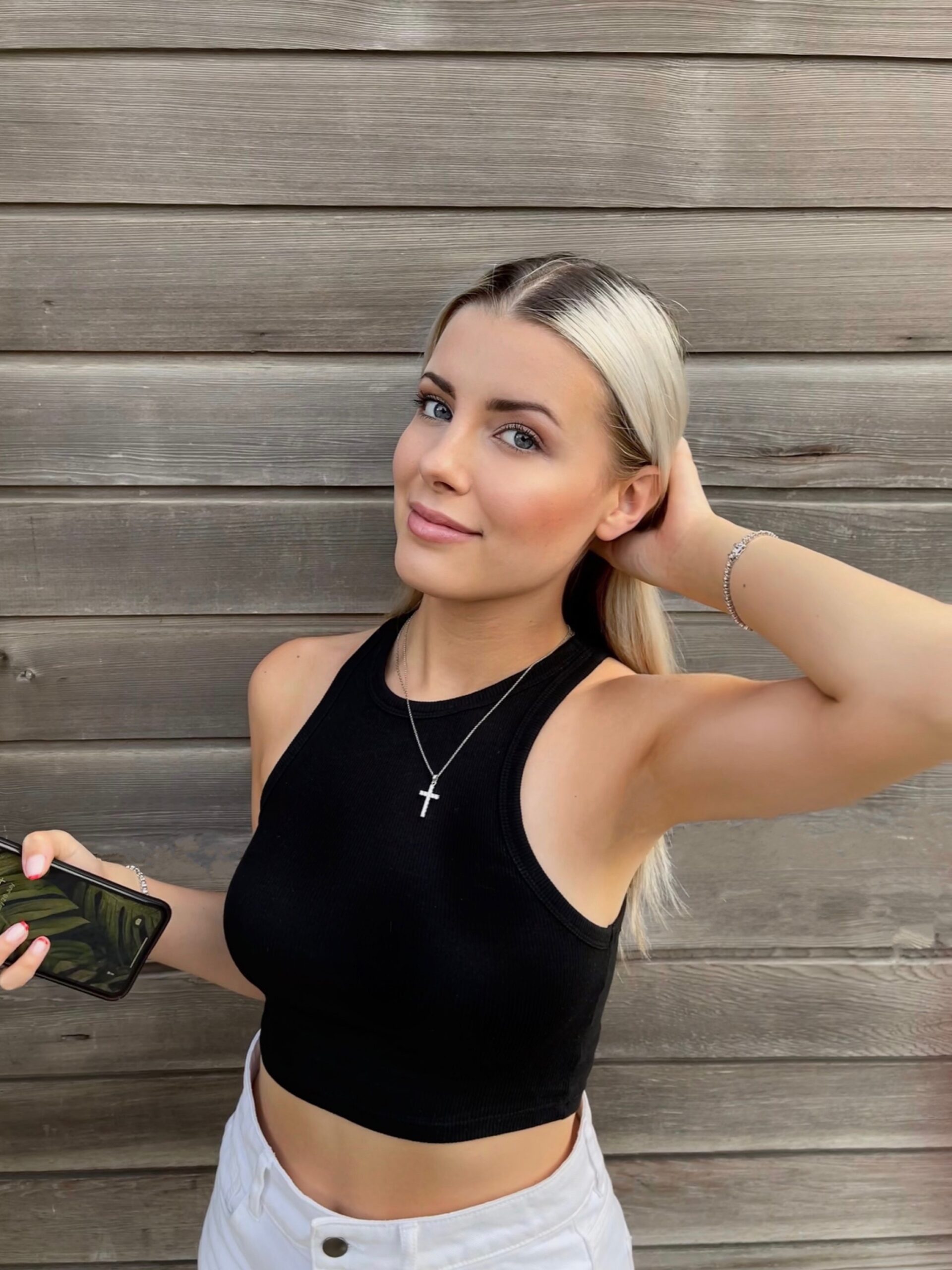
Velena Nikolova is Creative Director and the person on camera. A lifestyle creator featured in Women's Health, she makes the content that moves this number. More on the about page.

Dragos Nistor
Co-Founder and Business Strategist
Dragos Nistor handles strategy and reporting across the accounts we run, and set the benchmark model behind this calculator. Named a LinkedIn Top Entrepreneurship Voice in 2024. More on the case studies.
Knowing the number is the easy half
Engagement rate is an output. Nothing moves it except content people want to keep, week after week, which is the part that beats most brands. We have worked with 100+ brands since 2022 and currently run eleven accounts end to end. We reply within one business day, and nothing is filmed or scheduled until the brief is agreed in writing.