- Social media is where many UK buyers check a company out: almost half of UK adult internet users say they use it to look up products, according to DataReportal.
- A small company rarely needs every platform. One or two, chosen for where your customers already are, done consistently, beat five done badly.
- The four problems that stall most small accounts are time, skills, changing platform rules and not knowing whether it pays.
- Each has a practical answer: a weekly routine, a simple content plan, a short list of signals that matter in 2026, and tracked links.
- When you want help, the routes run from a self-employed manager, to our plans from £149 a month, to an employee on about £25,000 to £50,000 a year.
Why social media matters for a small company
The United Kingdom is a country of small companies. The government's business population estimates for 2025 count 5.7 million private sector businesses at the start of the year, and 99.2 percent of them have fewer than 50 employees. Most of those companies compete for the same customers with very little marketing budget and no one whose full-time job is marketing.
Their customers, meanwhile, are on social media. DataReportal's Digital 2026 report for the UK counts around 55.5 million social media user identities in the country, close to 80 percent of the population, and finds that almost half (49.3 percent) of UK adult internet users use social media to look up information about products. In practice that means a prospective customer who hears your name will often check your Instagram, Facebook or LinkedIn before they visit your website or pick up the phone.
What they find there does real work for you or against you. An active, cared-for account tells them you are open, busy and worth trusting. A feed that stopped eight months ago, or questions in the comments with no answer, tells them the opposite, even if your actual service is excellent. The 2025 Sprout Social Index found that about three quarters of consumers expect a brand to reply on social within 24 hours or sooner, and that 73 percent say they would buy from a competitor if a brand does not respond.
Social media management is simply the work of making sure what people find is the first version, week after week: planning what to post, making it, publishing it, answering people and checking what works. For a large brand that is a department. For a small company it is usually one busy person, which is exactly why it needs a plan rather than good intentions.
The good news is that a small company has advantages here that large brands pay a great deal to imitate. You know your customers by name. You can show the real people behind the business. You can reply personally and quickly. Done consistently, that closeness is the most persuasive content there is, and it costs nothing but time and a little structure.
Which platforms suit a small company in 2026
The platforms have changed a good deal since this article first appeared, and the figures most guides quote are global ones that tell a UK company very little. These are DataReportal's UK advertising reach figures from late 2025, which are the closest public measure of how many people each platform can reach here.
- YouTube: 55.5 millionThe widest reach of any platform in the UK. It works best for companies that can explain, demonstrate or teach: how a product works, how a job is done, what a place is like. Short videos (YouTube Shorts) are an easier way in than long films.
- LinkedIn: 48.0 million membersThe place for business to business companies, professional services and anyone hiring. Members are not the same as active users, so treat the figure as an upper limit, but for reaching decision makers by job title nothing else comes close. In our experience, posts from a founder's own profile usually travel further than posts from a company page.
- Facebook: 38.8 millionStill the broadest everyday platform for adults, and strong for local businesses: groups, events, reviews and recommendations in your town all live here. Its advertising tools also let you aim a modest budget at people in your own area.
- Instagram: 35.5 millionThe visual shop window. It suits anything people want to see before they buy: food, hospitality, fashion, beauty, homes, design, places. Short video (Reels) is where most of its reach beyond your own followers now comes from.
- TikTok: 26.8 million adultsReaches almost half of UK adults, according to the same report, and rewards personality and quick, honest video over polish. It can work for almost any consumer business that is willing to show up on camera regularly.
- X: 19.0 millionThe platform once called Twitter. It still matters for news, sport, public bodies and some technology sectors, but for most small consumer businesses it is now a lower priority than the platforms above.
- Pinterest: 15.5 millionA search engine for ideas more than a social network. It suits weddings, interiors, recipes, crafts and fashion, where people plan purchases weeks ahead.
The right choice depends less on which platform is biggest and more on where your particular customers spend their time and what kind of content you can realistically keep making. A short way to decide:
Whichever you choose, the most common mistake is to open accounts everywhere and then keep none of them going. An abandoned profile is worse than no profile, because it suggests the business itself has gone quiet. Pick one or two, do them properly for three months, and only then decide whether to add another.

The four problems that stall small accounts
When small companies tell us why their social media is not working, the reasons nearly always fall into the same four groups. None of them is a sign that social media does not work for your kind of business. Each has a practical fix.
- Not enough timeWith a small team and a long list of jobs, social media is the first thing to slip in a busy week. Posting becomes sporadic, and a stop-start feed loses the reach and trust it had built. The fix is not more willpower; it is a fixed weekly slot and content made in batches, so a busy week does not mean a silent one.
- Not enough content skillsMost small companies have no one trained in writing for social, photography, video or design, so posts end up hurried and unclear. The fix is a short list of content types you can repeat well (see the plan below), plus a few phone filming basics, rather than trying to be good at everything at once.
- Platform rules that keep changingEvery platform adjusts how it decides what people see. In January 2025, Instagram's head Adam Mosseri said the top three signals for ranking are watch time, likes and sends, as Social Media Today reported. In December 2025 Instagram limited posts to five hashtags, according to Social Samosa. The fix is to follow the principles that survive the changes: make things people watch to the end and want to send to a friend.
- No idea whether it paysWithout a way to connect posts to enquiries and sales, social media feels like a cost with no return, and it is the first thing cut. The fix is tracked links, one or two numbers checked monthly, and asking every new customer where they found you.
It is worth noticing that only the third problem is really about social media itself. The other three are about resources and routine, which is why the most effective change a small company can make is usually not a clever new tactic but a dull, dependable weekly habit.
A plan you can run yourself
If you are going to do it in house for now, this is the simplest plan we know that holds up. It takes around two to three hours a week once it is running, and every part of it scales when you later hand it over.
To make the routine easier, our free best time to post tool suggests when to publish for a UK audience, the hashtag generator helps you pick the five hashtags that matter, and the bio generator tightens the first lines people read on your profile. For more ideas on what to post and why, our guide to social media strategies for small businesses goes further.
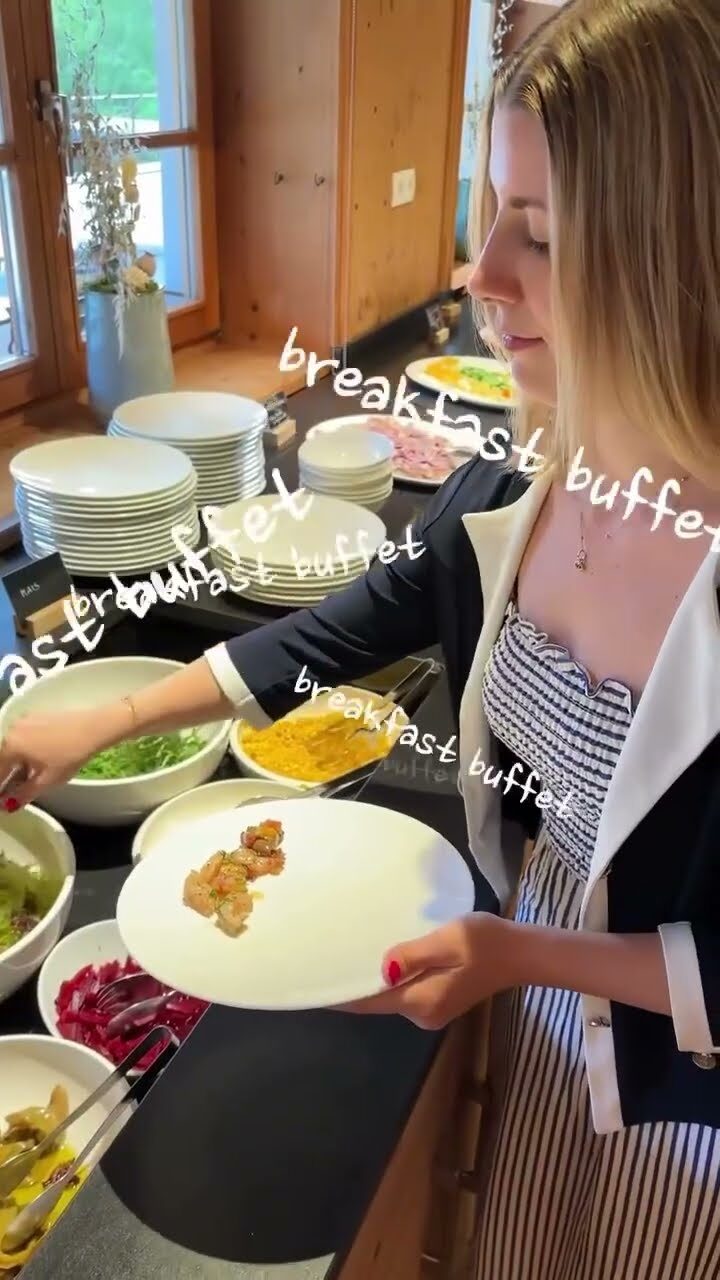
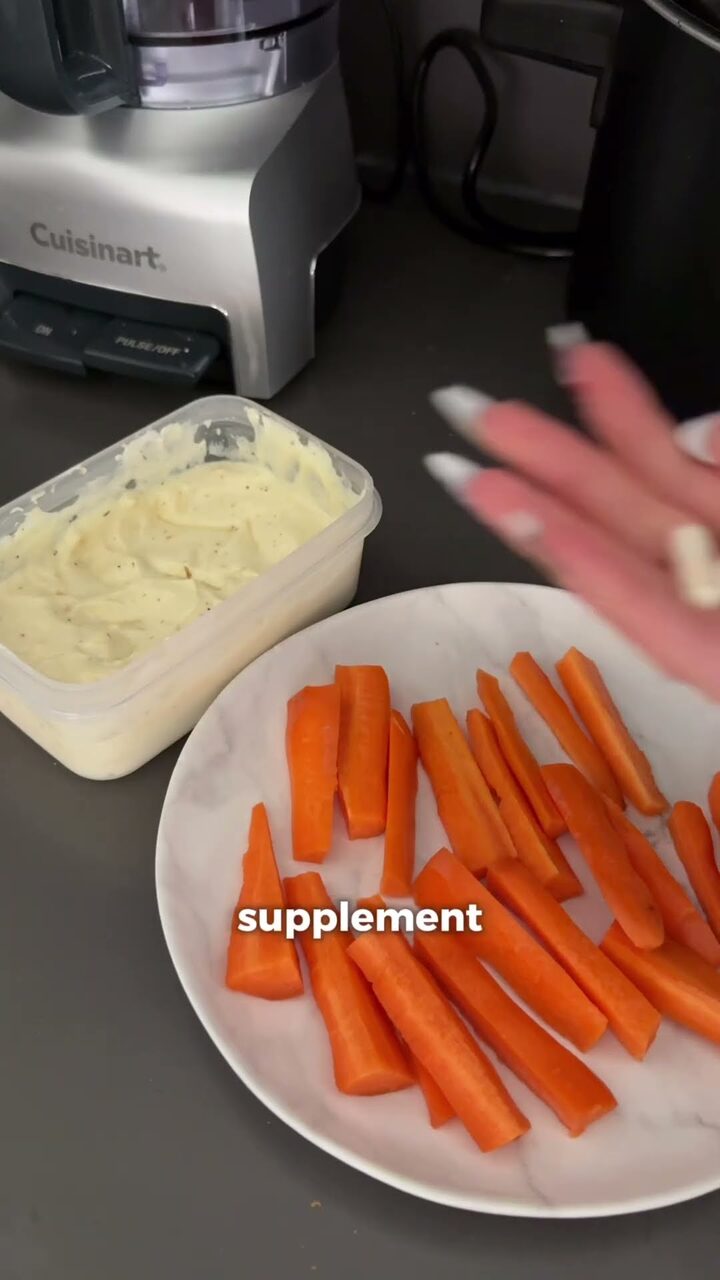
See the content behind a steady feed
Tap a video to play it. There is more on our work pages.
How our team helps small companies
When the routine above is more than you can keep up, that is the point to hand it over. Our plans are built for small companies and cover the same parts of the work, so nothing changes for your customers except that the feed stops going quiet.
Paid social, for companies that want to put budget behind their best posts, is part of the Social Media Management: Elite Plan plan. The managed plans run month to month, with 2 months notice, and so does the Social Pack.


As a rough guide: if you need one platform kept steady, the Small Business Social Pack does that with no minimum term. If you sell to customers on two platforms and need a strategy behind it, Social Media Management: Seed Plan adds one. If short video is the gap, Social Media Management: Grow Plan brings Reels into the mix, and Social Media Management: Scale Plan adds daily care of your comments. Our guide to social media management for small businesses goes through the choice in more detail, and our case studies show what this looks like for real clients.
What it costs to get help
There are three broad routes, at very different prices. It helps to see them side by side before assuming the cheapest is the best value.
A self-employed social media manager sets their own rates. YunoJuno's 2026 figures put the average UK day rate at £326, so the monthly cost depends on how many days you buy. You get direct contact with the person doing the work; the trade-off is one person's hours, and no cover when they are away.
A managed plan spreads planning, design, filming, writing and reporting across a team for one monthly fee, and keeps running when someone is on holiday. Ours start from £149 a month.
An employee gives you someone dedicated to your brand alone. The National Careers Service gives a salary of about £25,000 for a starter, rising to about £50,000 with experience. On top of that, GOV.UK's rates for employers in 2026 to 2027 set employer National Insurance at 15 percent of earnings above £5,000 a year, before pension, holiday, software and management time. Our guide to what social media management costs in the UK sets out the full range.
For most small companies, the deciding question is not the fee but the size of the job. If you need one platform kept tidy and have time to direct someone, a self-employed manager can be excellent value. If you need several platforms, video and replies handled reliably, a team usually delivers more range for the money. If there is a genuine full-time role's worth of work, an employee makes sense. Our in-house vs agency guide weighs the last two in detail.
How to tell whether it is working
Measuring the return on social media is the problem small companies most often give up on, but it does not need expensive software. It needs a few numbers, checked at the same time each month, and the discipline to connect them to the business.
- Reach and viewsHow many people saw your content, and how many of them did not already follow you. Rising reach beyond your followers is the clearest sign the content is travelling.
- Engagement that means somethingComments, shares and sends matter more than likes, because they show someone cared enough to act. Our Instagram engagement rate calculator shows how your posts compare.
- Visits to your websiteAdd tracked links (UTM links) to your bio and posts so your website analytics show which visits came from which platform. Our free UTM link builder makes them in seconds.
- Enquiries and salesAsk every new customer where they heard of you, and note it. Over a few months, that simple question tells you more than any dashboard.
Once you have a few months of numbers, our social media ROI calculator helps you work out what the effort or a plan needs to bring in to pay for itself. And if you would like an outside view first, the free social media audit looks at your profile, content and engagement and tells you what to fix first.
What to do next
If you take one thing from this guide, make it this: consistency on one or two well-chosen platforms is worth more than activity everywhere. Pick the platforms that match your customers, set a weekly slot, choose your content pillars, and reply to every genuine question. Run that for three months and check the numbers above.
If the honest answer is that you cannot give it the time, that is not a failure; it usually means the business has grown. Our guide to the signs you need a social media manager helps you decide whether you have reached that point, and our social media management page shows exactly what each plan includes. A first conversation commits you to nothing.
Social media for small companies: questions
Which social media platform is best for a small business in the UK?
The one your customers already use. For business to business companies that is usually LinkedIn; for local shops, venues and services, Facebook and Instagram; for products people want to see, Instagram and TikTok. Start with one or two and do them consistently.
How often should a small company post?
As often as you can keep up every single week. Two or three good posts a week, every week, does more than a burst of daily posts followed by a month of silence. Plan ahead and make content in batches so busy weeks do not leave gaps.
How much time does social media take?
A simple plan on one or two platforms takes around two to three hours a week once it is running: an hour to plan and batch content, and short daily checks of comments and messages. Video and more platforms add to that.
Do hashtags still matter?
Less than they used to. Instagram limited posts to five hashtags in December 2025, and the platform now relies far more on what people watch, like and send. Use a few specific, relevant hashtags rather than many generic ones.
Can I run a giveaway on social media?
Yes, but the UK advertising rules apply. The ASA says the business running it is responsible for clear terms, a fair way of choosing winners and awarding the prizes as promised. Read its guidance on running promotions on social platforms first.
How do I know if social media is bringing in customers?
Use tracked links in your bio and posts so your website analytics show visits from each platform, check reach and engagement monthly, and ask every new customer where they heard of you. Together those tell you what is working.
How much does social media management cost?
YunoJuno puts the average UK day rate for a self-employed social media manager at £326 in 2026. Our plans start from £149 a month. The National Careers Service gives an employee's salary as about £25,000 to £50,000 a year, before employer costs.
Will I still own my accounts if I hire help?
You should. A good manager works through page roles and business tools rather than your password, so you can see who has access and remove it at any time, and the content made for you should be yours by agreement.
- GOV.UK, Business population estimates for the UK and regions 2025
- DataReportal, Digital 2026: The United Kingdom
- Sprout Social, social media customer service statistics (2025 Sprout Social Index)
- Social Media Today, Instagram shares algorithm insights, January 2025
- Social Samosa, Instagram limits hashtags to five per post (December 2025)
- ASA, Running promotions on social platforms
- YunoJuno, 2026 day rates for social media managers
- National Careers Service (UK Government), Social Media Manager job profile
- GOV.UK, Rates and thresholds for employers 2026 to 2027
A question this article did not answer? Ask our team, and a person will reply.