- For most SaaS companies selling to businesses, LinkedIn comes first. DataReportal counts around 48 million LinkedIn members in the UK, a count of registered members rather than daily users.
- Run LinkedIn on two layers: a company page for credibility and product news, and the founders and senior people posting as themselves, where most of the conversation happens.
- The content that earns trust shows something real: a feature in use, a customer's result, your own data, or an honest opinion about where your category is going.
- Posting times matter less than people think. The large studies disagree with each other; your own analytics, and replying in the first hour, matter more.
- Measure pipeline, not likes. Tag your links, ask every demo request how they found you, and judge social over a sales cycle, not a week.
Why social media matters for SaaS
Software is rarely bought on impulse. A business choosing a tool will often have several people involved, a trial or a demo, a comparison with two or three alternatives, and a decision that may take weeks or months. Much of that research happens before anyone fills in a form. Prospects read your posts, watch a demo someone shared, look at who your founders are, check what customers say, and ask colleagues what they use.
That is why social media for a SaaS company is not mainly about follower counts. It is about being visible, credible and useful at each point of that research, so that when someone does reach your sales team they already have a sense of who you are and why you might be right for them. A social presence that shows real people, real product and real customers shortens the distance between "never heard of you" and "let's book a call".
Trust is the thread running through all of it. Nielsen's 2021 Trust in Advertising study found that recommendations from people they know are the most trusted channel, at 89 percent, ahead of every form of advertising. In B2B, the nearest thing to a recommendation from someone you know is a person in your industry you have been reading for months, or a customer you recognise saying a tool made their week easier. Social media is where both of those happen at scale.
There is a defensive reason too. Budgets for software are scrutinised, and tools that cannot show their value are the first to be cut at renewal. A company that keeps showing what customers achieve, what has shipped and how the product is improving gives its own champions inside client businesses something to point to. Social is part of retention, not only acquisition.
Finally, it compounds. A good post, a clear demo or a useful opinion keeps working after it is published: it is shared, found again, quoted in a meeting, or remembered when the budget appears six months later. The SaaS brands that do well on social are rarely the ones posting the most. They are the ones that show up steadily, with something specific to say, for long enough to be known for it.
Which platforms to prioritise
Not every platform deserves the same effort. The right mix depends on who buys your product, how large the deal is and how long the cycle runs. These are the figures we can source for the UK, with our view of where each fits for a software company.
The rule we give every client is to focus. Two platforms run well will beat five run thinly. For most SaaS companies that means LinkedIn plus one video platform, usually YouTube for searchable demos or Instagram and TikTok for reach, with communities where your users already gather. Add others only once the first two are working.
A quick way to check: ask your last twenty customers where they first heard of you and where they spend time professionally. Their answers will tell you more than any national survey.
LinkedIn: the company page and the people
The most useful thing to understand about LinkedIn is that it works on two layers, and that each does a different job.
The company page is your credibility layer. It is where prospects check that you are real, how large you are, what you have shipped recently and who works there. It should post steadily: product updates, customer results, hiring news, events and useful pieces your team has written. A page that has been silent for three months worries a careful buyer, even if they never say so. Our guide to building the best LinkedIn company page covers setting it up properly.
The people are your reach layer. In our experience across clients, posts from a founder or a senior person usually travel further and start more conversations than the same post from a company page, because people follow people, and because a person can have an opinion where a logo usually cannot. That matches what anyone who spends time on LinkedIn notices in their own feed. The practical consequence is that a SaaS company's LinkedIn strategy is never only a page strategy; it is a plan for the page and for two or three people who post as themselves.
The two layers work best together. The page shares and comments on what its people post; the people point back to the page for product news; the same customer story appears once as a page post and once as a founder's reflection on what they learned. Dragos runs the agency's own LinkedIn this way, alongside a personal profile that has grown to 25,000 followers, and was named a LinkedIn Top Entrepreneurship Voice in 2024.
A few platform details are worth getting right in 2026:

Content formats that work for SaaS
A software product can be hard to show. The formats below are the ones we see work for B2B and SaaS brands, because each one shows something real rather than describing it.
- Document posts and carouselsA sequence of slides lets you walk a decision-maker through an argument, a use case or a framework without leaving the feed. On Instagram, Rival IQ's 2025 report found carousels outperformed Reels across industries, and on LinkedIn the equivalent is a PDF document post. Best for: "how we solved X for a customer", a step-by-step method, a comparison your buyers would save, or a breakdown of data.
- Opinion and thought leadership postsPlain text from a person, sharing a view: where the category is heading, what the usual advice gets wrong, what you learned building the product. These start conversations, which is the point. Best for: founders and senior people, posting as themselves, with a clear opinion rather than a summary of the news.
- Short video that demonstratesUnder a minute, showing one thing: a feature solving a problem, a workflow before and after, a founder answering a question customers ask. A screen recording with a face in the corner can be enough. Best for: product demos, feature launches, answers to common objections, and behind the scenes of how the team works.
- Your own dataIf your product sees patterns across many customers, you have research no competitor can copy. Benchmarks, trends and "state of" summaries drawn from your own usage make you a primary source rather than someone commenting on other people's reports. Best for: an annual report broken into a month of posts, or a single striking chart with a short explanation.
- Customer storiesA real customer, a real problem and a real result, told in their words as far as possible. We give these their own section below, because they do more work than almost anything else.
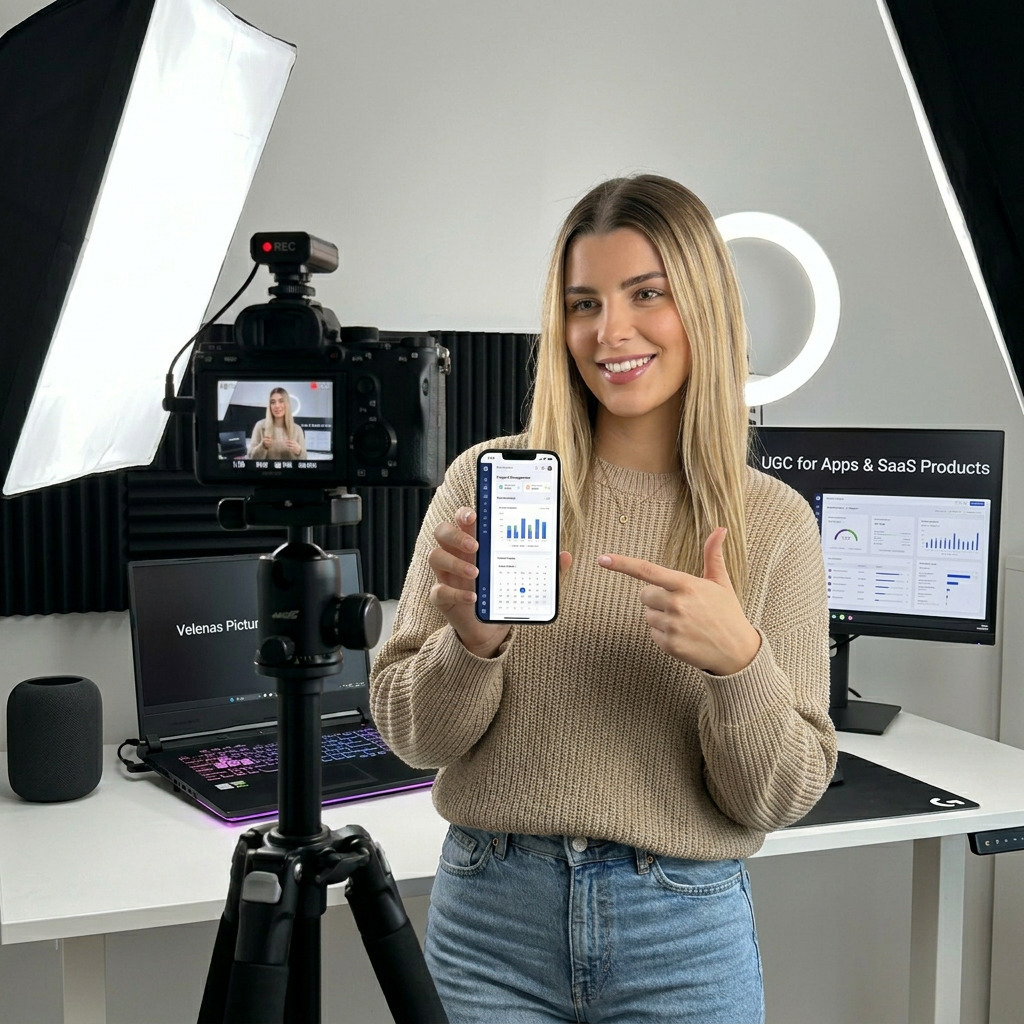
- UGC (user generated content) style demosShort videos filmed by a real person using your app on a real phone, in the style people already watch on Instagram and TikTok, rather than a polished advert. They suit paid social as well as organic posts, and they show the product the way a user experiences it. You can see examples in our apps and software videos.
A balanced month for a SaaS brand usually mixes all of these: a couple of opinion posts from people, one or two demos, a customer story, a carousel and something from your own data. The mix matters less than doing each one properly.
When to post, and why it matters less than you think
Posting times are one of the most asked about and least important parts of a SaaS social strategy. The large studies, such as Sprout Social's analysis of the best times to post, find broad patterns: for B2B content on LinkedIn, weekday working hours generally do better than evenings and weekends. But the studies disagree with each other in the detail, often by hours, and none of them is your audience.
A sensible approach is to start with weekday mornings for LinkedIn, evenings for Instagram and TikTok, and any time for YouTube, where most views come from search rather than the feed. Then let your own analytics take over after a month or two. Our free best time to post tool gives you a UK starting point by platform and industry.
What matters more is what happens after you post. The first hour of replies and comments is when a post either starts a conversation or quietly stops. Reply to every comment in that first hour, thank people who share it, and answer questions properly. That habit does more for reach than any posting schedule.
Customer stories and social proof
For a SaaS company with a long sales cycle, a customer story does two jobs at once. It shows prospects in the middle of an evaluation that the product delivers, and it rewards existing customers by showing them, and their colleagues, in public. Both strengthen renewal as much as acquisition.
The formats that work best are simple. A written case study rebuilt as a carousel. A short clip of a customer explaining, in their own words, what changed. A quote from a customer conversation shared as a text post, with their permission. A before and after of a workflow. Video is often the format customers are most hesitant about and the one that lands best, so it is worth making it easy: a short call recorded on a laptop, a few questions sent in advance, and an edit they approve.
Two rules keep customer stories safe and credible. First, get explicit permission for every name, logo, quote and figure, in writing, and let the customer approve the final version. Second, never present an incentivised or edited endorsement as a spontaneous one. The UK Competition and Markets Authority's guidance, Reviews: guidance for businesses and agencies, sets out what is allowed, and the rules on fake and misleading reviews apply to B2B brands too. Our guide to ASA and CAP Code rules for social media covers the advertising side.
Customer stories also do more work than last-click reporting shows. Someone might read a case study in January and book a demo in September, by which time the case study will not appear anywhere in your attribution. That is one reason to judge social over a whole sales cycle, which we come back to below.
If your customers are not ready to appear on camera, a UGC video can show the same workflow from a user's point of view, filmed by our team on a real phone, without anyone from the customer having to take part. You choose who is on camera: Velena, Dragos, both, or nobody with a voiceover.
The founder-led content model

For many SaaS companies, the strongest social channel they have is a founder who posts. Not because it is cheaper than paid media, but because it combines three things a company page struggles to: authority, because the founder built the product and knows the problem; credibility, because they have something at stake; and reach, because people engage with people.
The founders who get enquiries from LinkedIn are rarely posting product updates. They are sharing what they see: how the category is changing, what customers keep telling them, the decision they got wrong last year and what they would do differently. That kind of content is specific, it cannot be copied, and it gives buyers a sense of what working with the company will be like.
The obstacle is almost always time. A founder can see the value and still not post for six weeks because the product and the team come first. The answer is a system rather than more willpower: a short monthly conversation to gather ideas and opinions, posts drafted in the founder's voice from that conversation, the founder approving each one, and someone handling the scheduling and the first round of replies. Our LinkedIn Services: Personal Brand Management service is built on exactly that: your profile optimised in the first month, a monthly content calendar, posts written in your voice and approved by you before they go out, comments and connection requests handled, and a monthly report.
If you want to build the habit yourself first, our personal branding guide covers the foundations: finding what you want to be known for, the stories worth telling, and a routine that survives a busy week.
Using AI in SaaS social media, without sounding like everyone else
Many marketing teams now use AI tools for some part of their content work, and for good reason. Used well, AI speeds up research, drafts first versions, turns a long article into a set of posts, summarises a webinar and spots which topics are performing. It takes time out of production without having to take quality with it.
The risk is sameness. When every company in a category uses the same tools with similar prompts, the posts start to share the same ideas, the same structure and even the same phrases. Buyers notice. The things AI cannot supply on its own are exactly what makes B2B content trusted: your own opinion, your own data, your customers' real outcomes and the specific detail of how your product solves a problem. The SaaS brands doing well use AI to work faster and put the time saved into those things.
There is a search angle too. As more research starts with an AI assistant or an AI summary on the results page, companies ask what they should do to be cited. Google's own page on AI features and your website says there are no special requirements or optimisations needed to appear in AI Overviews or AI Mode, and no special structured data to add: the same basics that help a page in ordinary search apply. For a SaaS company that means clear, specific pages that answer real questions, kept up to date, with the same message on your site and your social channels. Our article on Google retiring FAQ rich results looks at what that means in practice.
A simple rule for AI drafts: never publish one that you could not defend in a meeting with a customer. If a post says something you would not say out loud, or claims a figure you cannot source, rewrite it or bin it.
Measuring what social does for the pipeline
Many B2B teams measure social by what is easiest to count: impressions, followers, engagement rate. Those numbers have their uses, but they say little about whether social is helping you win customers. For a SaaS company the questions that matter are whether social brings in demo requests and trials, whether it shows up in the research of deals that close, and whether it helps customers renew and expand.
It helps to agree three numbers at the start and report on them every month: one for reach (for example, impressions on posts from your people), one for conversation (comments, messages and connection requests from your target accounts), and one for pipeline (demo requests and trials that mention social). If you want to estimate what the investment could return before you start, our free social media ROI calculator gives you a sense check.
Be honest about what cannot be measured. A prospect who read your founder's posts for a year and then searched your name will show up as "direct" or "branded search". That is not a failure of social; it is how B2B buying works. Self-reported answers on your forms are the best way to see it.
A 90 day plan to get started
If your social presence has drifted, or never really started, this is a plan we would give a SaaS client in their first three months.
- Days 1 to 30: foundationsAudit the company page and the profiles of two or three people who will post. Rewrite headlines and About sections to say who you help and how. Agree the three or four topics you want to be known for, the platforms you will focus on, and the three numbers you will report on. Tag your links and add the "how did you hear about us" question to your forms. Our free social media audit is a quick way to begin.
- Days 31 to 60: a steady rhythmStart posting to a simple weekly plan: two posts from people, one or two from the page, and one short demo or customer story. Reply to every comment in the first hour. Spend fifteen minutes a day commenting on posts by people your buyers follow. Record two or three customer conversations for future stories.
- Days 61 to 90: learn and adjustLook at which topics and formats started conversations and which brought visits and sign-ups. Do more of what worked and drop what did not. Turn the best performing ideas into a carousel, a video and a page on your site. Review the three numbers and set targets for the next quarter.
Three months is long enough to build a habit and see early signs, and short enough to stay focused. It is not long enough to judge the whole effect on a B2B pipeline, so plan to keep going for at least two more quarters before deciding whether it works.
How Velena Lifestyle supports SaaS brands

We are a UK social media and content agency based in High Wycombe, Buckinghamshire. For SaaS and B2B brands we run LinkedIn for founders and companies, manage the wider social presence, and film UGC demos of apps and software in house. The people who plan your content are the people who film it, and you have one point of contact from the first brief to the last hand off.
For LinkedIn, there are three ways to work with us, from a one-off audit to a monthly campaign that adds outreach:



For the wider social presence across LinkedIn, Instagram, TikTok and more, our managed plans cover strategy, content, replies and reporting. Every plan runs month to month, with 2 months notice.




For product videos, our apps and SaaS UGC packages cover single videos and bundles, and the UGC Monthly Plan gives you a steady supply every month. Our guide to UGC for SaaS explains how software brands use it. To see how we work with a client over time, read the Snaptrip Group case study.
App and software videos we have made
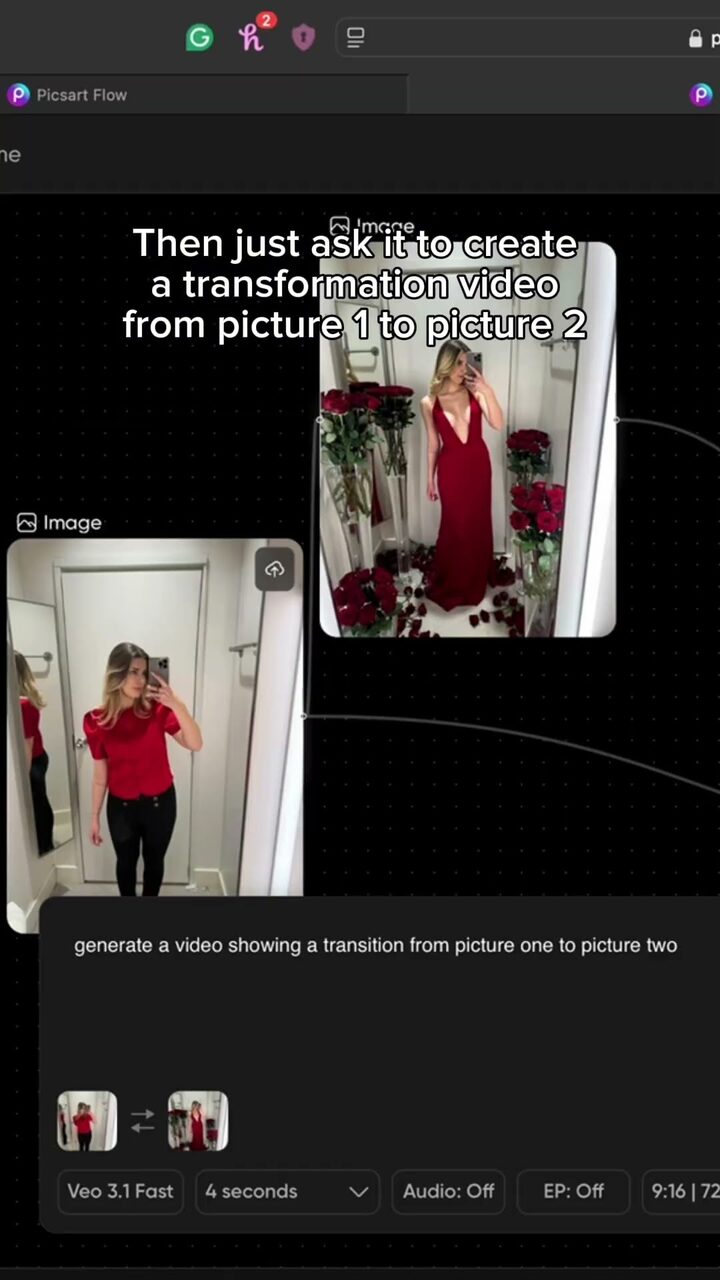
Tap a video to play it. There are more in our apps and software videos.


SaaS social media: your questions
Which social media platform matters most for a SaaS company?
For a product sold to businesses, LinkedIn, where around 48 million UK members show their job titles and companies. Pair it with one video platform: YouTube for searchable demos, or Instagram and TikTok for reach and hiring. Add others only once the first two are working.
Should we post from the company page or from people's profiles?
Both. The company page gives credibility and carries product news. Founders and senior people posting as themselves usually start more conversations, because people follow people. Plan for the page and for two or three people, and have each share the other's posts.
What content works best for B2B SaaS on social media?
Content that shows something real: short demos of a feature solving a problem, customer stories told in their words, carousels or document posts that walk through a method, your own data, and honest opinions from founders. A good month mixes several of these.
How often should a SaaS company post?
Steadily rather than often. Two or three posts a week from people and one or two from the page is a sound start on LinkedIn. Consistency over months matters far more than volume in any one week.
How do we measure whether social is working?
Tag every link with UTM tags, ask every demo request and trial how they heard of you, and judge results over at least one sales cycle. Report each month on one number for reach, one for conversation and one for pipeline.
How much does social media management cost for a SaaS company?
It depends on scope. Our managed plans start from £399 a month, and our LinkedIn services start with an audit at £297. Our guide to social media management costs in the UK shows the full range.
Can you manage social media for a SaaS company?
Yes. We run LinkedIn for founders and companies, manage the wider social presence, and film UGC demos of apps and software in house. Tell us your product, buyers and goals, and we will recommend the right starting point.
- DataReportal, Digital 2026: The United Kingdom
- Ofcom, Online Nation 2025 report
- Nielsen, Trust in Advertising 2021
- Rival IQ, 2025 Social Media Industry Benchmark Report
- AuthoredUp, LinkedIn character limits
- Website Builder Expert, LinkedIn hashtags
- Sprout Social, best times to post on social media
- Competition and Markets Authority, Reviews: guidance for businesses and agencies
- Google Search Central, AI features and your website
- Google Analytics Help, URL builders
A question this article did not answer? Ask our team, and a person will reply.