
- There are 55.5 million active social media user identities in the UK, almost 80% of the population, so the audience is there. The problem is noise, not access.
- Reach is shifting between platforms: Instagram Reels reach fell 35% across 2025 in Metricool's study, while Facebook reach rose 51%. Choose platforms on evidence, not habit.
- Consistency and a clear point of view beat volume. A schedule you can keep for a year matters more than an ambitious first month.
- UK adults spend four and a half hours online a day, most of it on smartphones. Build every piece of content for a phone screen first.
- Your real competition for attention is individual creators with loyal audiences, so show the people behind your business.
- AI can speed up the work, but it cannot replace your voice, your experience or your knowledge of your customers.
Social media in 2026 is not harder. It is noisier.
Social media for small businesses is not more complicated than it used to be. It is noisier. According to DataReportal's Digital 2026 report, there were 55.5 million active social media user identities in the UK in October 2025, equal to 79.7% of the population. Ofcom's Online Nation 2025 research found UK adults now spend an average of 4 hours 30 minutes online every day, most of it on smartphones, across an average of 41 apps a month.
Your customers are there, and they are busy. Every brand is posting more, trying to stay visible as organic reach shifts from one platform to another. Metricool's 2026 study, covering almost 40 million posts from more than a million accounts, found Instagram Reels reach fell 35% across 2025 and LinkedIn impressions fell 23%, while Facebook reach rose 51% and YouTube views per video rose 30%.
The businesses breaking through are not posting more. They are posting better, showing up more honestly and building audiences that actually want to hear from them. These are the twelve strategies we see working in practice, not in theory, from our work running social media for UK businesses from High Wycombe and beyond. Each ends with one thing to try this week, because a strategy that never turns into an action is just an opinion.
1. Cut through the noise by saying something only you can say
Everyone is posting, reposting and recycling. But the businesses that win are not the loudest in the room. They are the clearest. When a feed is full of content that could have come from anyone, the post that is plainly from one specific business, with its own view and its own stories, is the one people stop for.
We see this with the brands we work with. The posts that earn the most engagement are rarely the most polished or the most frequent. They are the ones that say something real, take a clear position, or tell a story no one else could tell because it comes from genuine experience: the customer who changed how you work, the mistake you will not make twice, the reason you started.
Clarity also means knowing who you are talking to. A post written for "everyone" lands with no one. A post written for a particular customer, with a particular problem, in the words they would use, feels as if it was meant for them, and that is what people share.
Try this week: audit your last ten posts. Did any of them say something only you could say? If not, that is where to start. Our free social media audit walks you through the rest of your channels in the same way.
2. Follower counts do not pay your bills
We have seen small, engaged accounts convert more consistently than brands with many times their following. Follower count is not irrelevant, but it trails behind audience quality; it does not predict business results. The shift worth making in 2026 is from reach to relationship. A small community that trusts you drives more revenue than a large audience that scrolls past.
Many people who look at your profile are not passive scrollers. They are checking you out before they buy, book or get in touch. The question is whether your content gives them a reason to trust you or a reason to move on. That means a clear bio, recent posts, proof of your work and replies to the comments people leave.
Measure what reflects relationships: replies, saves, shares, messages and the enquiries that mention your social content. Our free Instagram engagement rate calculator shows how your account compares, which is a far better guide than the follower number at the top of your profile.
Try this week: pick five existing followers who are, or could be, customers, and engage properly with their content. Real relationships start with genuine attention, not broadcast content.

3. Master one platform before jumping to the next
With dozens of apps in daily use, the temptation is to be everywhere. Resist it. Spreading thin across five or six platforms produces mediocre content on all of them. Depth beats width for small business accounts without a dedicated content team.
Choose one or two platforms where your audience actually is. For B2B businesses that is usually LinkedIn, and our guide to building a LinkedIn company page covers where to start. For product brands and lifestyle businesses it is usually Instagram and TikTok. For local service businesses Facebook still delivers: Ofcom found 93% of UK online adults use Facebook or Messenger, and Metricool's study recorded Facebook reach rising 51% in 2025, despite years of the platform being written off. Facebook is not dead. Most businesses are just using it badly.
Do not forget YouTube. Ofcom found UK adults spend 51 minutes a day on it, not counting the TV set, and Metricool recorded views per video up 30%. For a business that can explain things on camera, it is one of the most under-used channels there is.
Try this week: open your analytics. Which platform sends the most website clicks or enquiries? Put your effort there first, and add another platform only when your core plan is running smoothly.
4. AI is a tool, not a connection
AI has made content production faster for everyone, which means more content looks the same, which means standing out now takes more humanity, not less. People have become quick at spotting a generic AI-written post, and when they do, the content loses credibility however technically correct it is.
At Velena Lifestyle, we use AI to support parts of the process, such as research, first drafts of captions and analysing when to post. We do not use it to replace the voice, perspective and lived experience that make content worth reading. Your brand's point of view, your clients' real results and your genuine opinions are things AI cannot manufacture. That is your advantage in 2026.
There is a practical side too. If you use AI to make images or video, check each platform's rules on labelling AI content and follow them. Being open about it protects trust; being caught hiding it costs far more than the time it saved.
Try this week: use AI to draft faster, then rewrite the result in your actual voice. If you cannot tell which parts you wrote and which parts AI wrote, the post is not finished yet.
5. The slow brands win long term
The obsession with speed is the most common mistake we see from small business owners approaching social media. More posts, faster growth, bigger numbers. But audiences do not reward volume. They reward reliability. A business that posts three times a week for two years will build a far more loyal audience than one that posts every day for three months and then disappears.
Consistency is the strategy, not frequency. The difference matters because consistency is something a business owner can keep up without burning out, while daily posting almost always collapses under the weight of everything else running a business demands. Metricool's study found heavier posting on LinkedIn brought more competition and lower impressions, a reminder that more is not automatically better.
Slow does not mean idle. It means a steady rhythm, a few themes you return to, and content that builds on itself, so each post makes the next more familiar to your audience. Batch your content when you have time, schedule it, and keep a few evergreen posts in reserve for the weeks that go wrong.
Try this week: set a posting schedule you could keep for twelve months, not one that feels ambitious for week one. Sustainable beats spectacular every time.
6. DIY social media has a hidden cost: burnout
Small business owners already do everything: chief executive, sales, operations, customer service. Adding full social media management on top, without support, usually ends the same way. Burnout, inconsistency, and a dormant account that tells visitors the wrong things about your brand.
This is not an argument that every small business must hand over its social media straight away. It is an argument that the cost of doing it poorly, in brand perception, lost leads and founder energy, is higher than most people allow for when they decide whether they can afford help. The hidden cost of DIY social is real, and it compounds over time. Our guide to the signs you need a social media manager sets out when that cost tips the balance.
Try this week: count the hours you actually spend on social media each week. What is that time worth at your professional rate? Then ask whether it is the best use of those hours. Our free social media ROI calculator helps you put a number on the return.
7. Stop obsessing over the algorithm
Algorithms change. Platform priorities shift. What worked in the spring may not work in the autumn. Building your entire content plan around gaming an algorithm is building on sand. The businesses with the most durable presence build content around their audience's real problems, questions and wishes, which change far more slowly than any platform's feed.
Hashtags are a good example of how quickly the rules move. In December 2025 Instagram began limiting posts and Reels to five hashtags, saying that fewer, more targeted tags work better than many generic ones, as Social Media Today reported. Anyone whose plan relied on thirty hashtags a post had to start again. Anyone whose plan relied on useful content barely noticed. If you want help choosing a few good tags, our free hashtag generator suggests targeted ones.
The practical test is simple: would this content be useful or interesting to your ideal customer if they saw it on any platform, at any time? If yes, it is good content. If it only works because of a trending sound or a hashtag trick, it is tactical noise with a short shelf life. Trends are fine as seasoning; they should not be the meal.
Try this week: write down three questions customers asked you this month. Turn each one into a post. That is content no algorithm change can take away.
8. Your competitors are not other brands. They are creators.
The competition for attention on social media has changed. Your real competition in 2026 is not only the business down the road with the same service. It is the individual creator in your field who posts twice a week, speaks straight to camera, shares honest opinions and has built a community of thousands of people who trust them.
Social content is also becoming search content. From 10 July 2025, public photos and videos from Instagram professional accounts became eligible to appear in search engine results, as Il Sole 24 Ore explained. That compounds the creator advantage: what you post can now be found by people who have never followed you. Businesses hiding behind logos and corporate language are losing ground to people who build real connection.
You can learn from creators without becoming one. Show the people behind the business, speak in your own voice, and consider UGC (user generated content), short videos made in a creator's style that put a real person in front of your product. Our guide to what UGC is explains how it works, and if you ever pay a creator to post about you, the ASA's influencers' guide sets out how the post must be labelled as an ad.
Try this week: find three creators in your industry and study what they do differently. You do not need to copy them. You need to understand why their audience trusts them, and build that trust in your own way.
9. Viral is overrated
A viral post feels like winning. Tens of thousands of views, a jump in followers, notifications everywhere. Then a few days later the numbers go quiet and almost nothing has changed. Followers gained from a viral moment rarely become customers, because they followed you for one piece of content, not because they understand or need what you offer.
The brands building lasting businesses on social media are not chasing spikes. They are building audiences that come back, engage regularly and eventually buy. That kind of audience grows more slowly, but it keeps growing, and it does not vanish when the next trend arrives.
If something you post does take off, enjoy it, then make it useful: pin it, follow it with a post that explains who you are and what you do, and reply to as many comments as you can. A spike is only worth something if you give the new visitors a reason to stay.
Try this week: judge your content by return visits and enquiries, not single-post views. A post seen by 500 of the right people is worth more than one seen by 50,000 of the wrong ones.
10. Build organic before buying ads
Paid social has its place. But spending money on ads before you know what your organic content converts is expensive guesswork. Every pound spent promoting a message nobody wanted is a pound you could have spent on one people already responded to.
Organic content is your testing ground. When posts bring genuine enquiries, save them. Those are your ad ideas, the messages that already resonate with real people. In our experience, ads built on content that has proven itself organically do better than ads written cold for paid promotion, because the hard part, finding what people care about, has already been done.
When you do move into paid social, keep your test small, measure enquiries rather than clicks, and tag every link with our free UTM link builder so you know exactly which ad brought which visit. If you want ads made for you, our ad creatives are built from the same evidence.
Try this week: before any paid campaign, find your three best-performing organic posts from the past three months. Start your ad creative there.
11. Diversify everything
Any business that relies on one platform for its whole social presence is one algorithm change away from serious disruption. We have watched it happen: a business builds years of content on one platform, the rules shift, reach collapses and the audience plan has to be rebuilt. Metricool's figures for 2025 show how fast that can happen, with Reels reach down by a third in a single year.
Diversification in 2026 means two things. Platform diversification: a meaningful presence on at least two channels. And owned diversification: an email list you control, whatever any platform does. Your social following is rented. Your email list is owned. The difference matters enormously when platforms change their rules, which they always do.
Build that list properly. In the UK, marketing emails to individuals generally need their consent, with a narrow "soft opt-in" for existing customers, under the rules the ICO explains in its guidance on electronic mail marketing. A clear sign-up form and a real reason to join are worth more than a large list nobody agreed to.
Try this week: if your email list is smaller than your social following, make growing it your priority for the next 90 days. Start by offering something useful, such as a guide, a discount or early access, in exchange for an email address.
12. Your face is your brand
The most consistent pattern we see across every kind of social media in 2026 is this: accounts with a visible, named person behind them outperform faceless brand accounts. On LinkedIn, personal profiles reach far more people than company pages with the same content. This is not a temporary quirk of an algorithm. It reflects how people make buying decisions, through trust in people, not trust in logos.
Dragos's personal LinkedIn profile has grown to 25,000 followers by sharing genuine opinions, real lessons and behind-the-scenes content about running Velena Lifestyle. That audience is the agency's main source of reach. The company page supports credibility; the personal profile drives reach and conversations. For most small business founders, this is the highest-leverage thing they can do on social media right now, and our personal branding guide covers how to start.
Try this week: get on camera once. It does not need to be long or polished. A 45 second take on something you learned this week is enough to start building the habit, and the trust that comes with it.
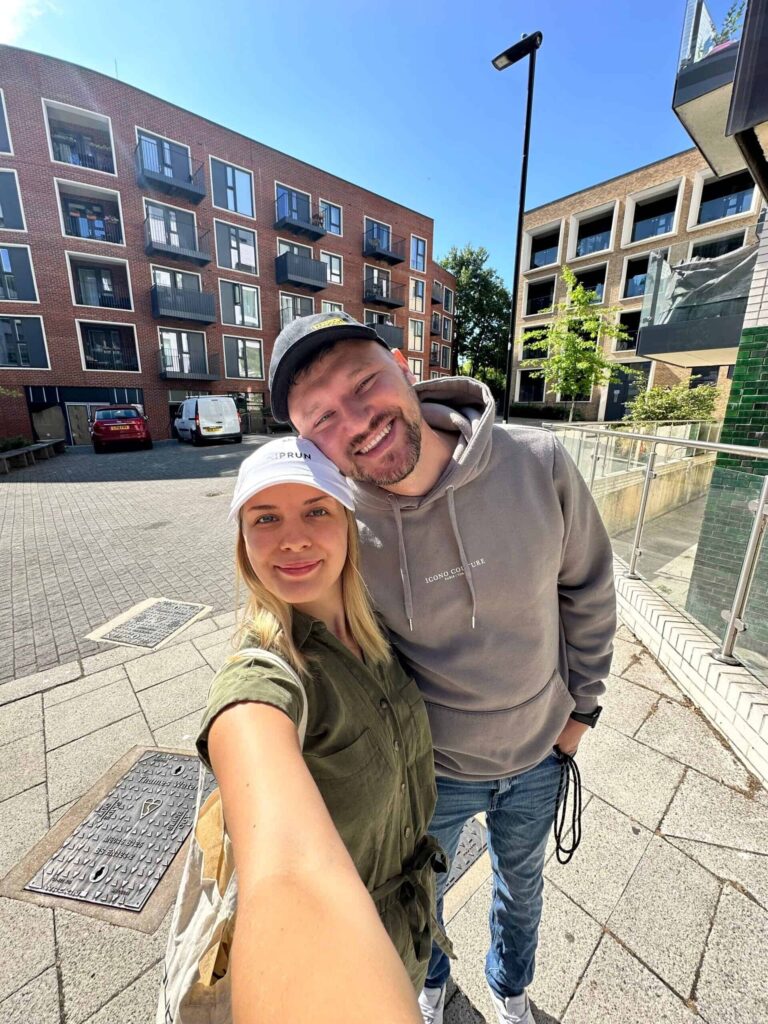
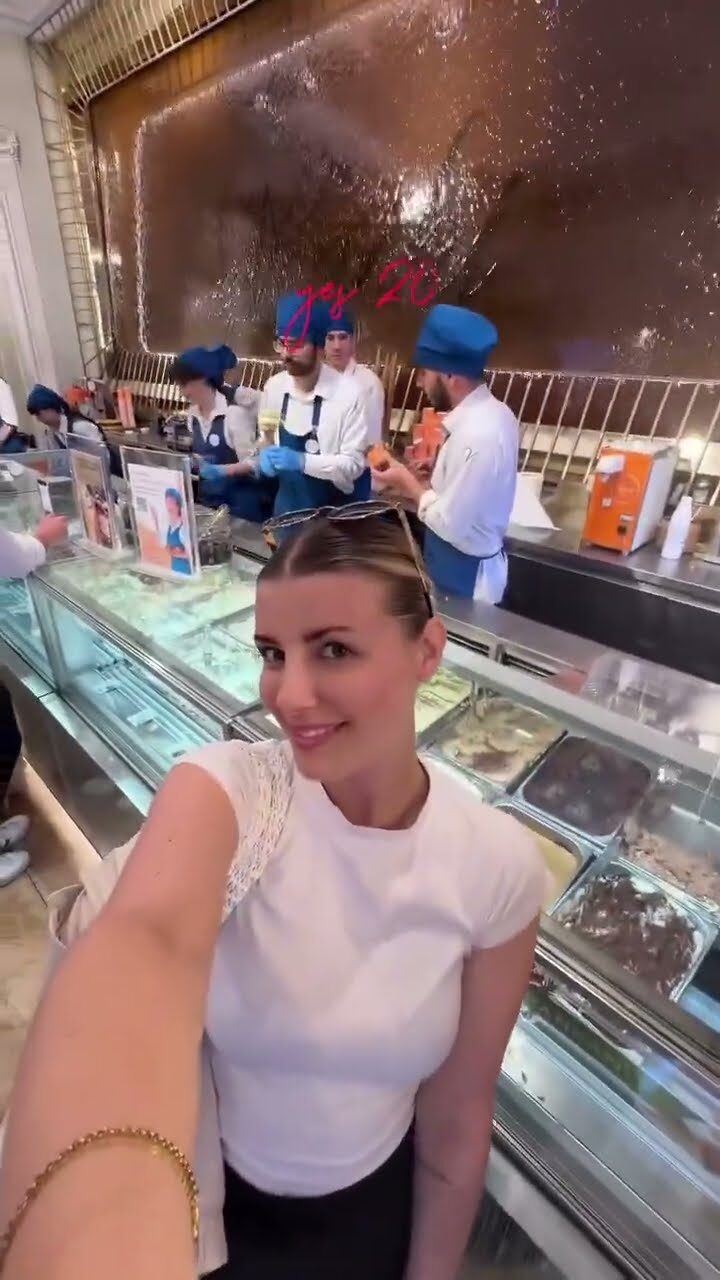
What consistent, human content looks like
Tap a video to play it. There is more on our work pages.


Putting the twelve together
Twelve strategies can feel like twelve jobs. They are not. Most of them come down to the same few habits, and you can build them in a sensible order rather than all at once.
If you only do three things after reading this, make them these: post to a schedule you can keep, show the people behind the business, and measure enquiries rather than followers. Everything else builds on those.
When to get help with your social media
If this guide has confirmed what you already suspected, that doing social media well takes more time, skill and consistency than most small business owners have spare, our social media management plans are built for exactly that. We run Instagram, Facebook, TikTok and LinkedIn for UK businesses from High Wycombe, Buckinghamshire, with an approach built on the strategies above rather than volume and vanity metrics. The people who plan your content are the people who film it.




The managed plans run month to month, with 2 months notice, and you approve every post before it goes out. Velena and Dragos both guest lecture at the University of Greenwich on social media and content strategy, and are invited back several times a year. Velena's work has been featured in Women's Health.
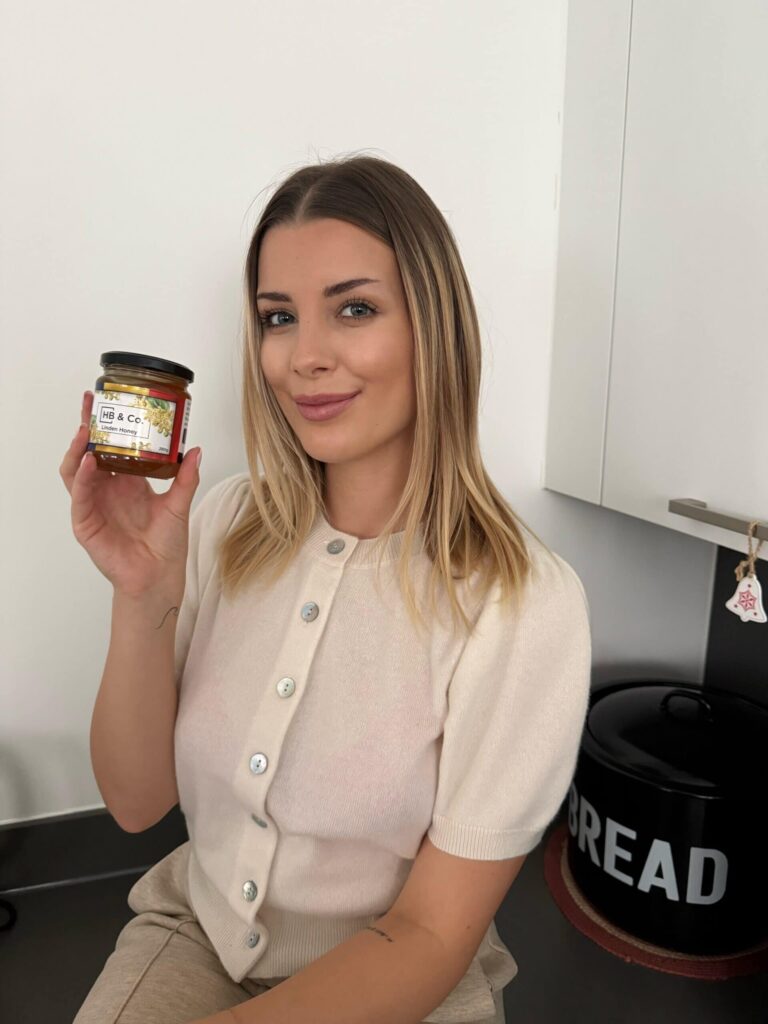
See how this works for real businesses in our case studies for Purgatory Bar, No Escape London and HoneyBee & Co., and in what clients say about us.
Client reviews
In our clients' words.
Swipe for more reviews
“Its reeally easy to work with Velena and team - happy to recommend. Its been so great to have my business social accounts managed and hands free for me to spend time on other activites”
“Fantastic service. Been a client for 3 years now and have seen fantastic results, increased viewers, followers and viral videos. Copywriting was on point and has been used in magazines like Conde Nast, Timeout and more.”
“Velena Lifestyle have been a breath of fresh air for our social media accounts. Their professionalism and knowledge have supported us massively.”
Read every review on the reviews page.
Not sure which plan is right? Our guide to social media management for small businesses compares the options, and what social media management costs in the UK sets out the full range of prices.
Small business social media questions
What is the most effective social media strategy for a small business?
Consistency and a genuine point of view outperform every tactic. Choose one or two platforms where your customers are, post to a schedule you can keep, share content rooted in real experience, and build relationships rather than broadcasting. For most UK small businesses, pairing the business account with the founder's own profile works best.
How often should a small business post on social media?
As often as you can keep up without the quality slipping. For most owners without a content team, three or four posts a week on one main platform does more than daily posting across several. Twelve consistent months beat three busy ones.
Which platform is best for a UK small business in 2026?
It depends on your customers. B2B businesses should usually start with LinkedIn. Product and lifestyle brands do best on Instagram and TikTok. Local service businesses still do well on Facebook, which 93% of UK online adults use alongside Messenger and where reach rose in 2025. The best platform is wherever your customers already spend time.
How many hashtags should I use?
Few. Instagram now allows up to five per post and says fewer, targeted tags work better than many generic ones. On LinkedIn one to three is plenty. Hashtags label your content; they no longer do much for reach on their own.
How can I tell if my social media strategy is working?
Look past followers and likes. The measures that connect to business results are website clicks from social, enquiries that mention your content, email sign-ups from social traffic and people who return to your profile. They take more effort to track, but they tell you far more.
Should I use AI to write my social media posts?
Use it to draft faster and to research, then rewrite in your own voice. Audiences are quick to spot generic AI content, and your real opinions, results and stories are the part AI cannot supply. Follow each platform's rules on labelling AI-made images and video.
Can Velena Lifestyle manage social media for my small business?
Yes. Our smallest plan, the Small Business Social Pack, is £149 a month, and our managed plans run from £399 to £2,499 a month. Book a free call and we will tell you which fits, or whether you need help at all yet.
- DataReportal, Digital 2026: The United Kingdom
- Ofcom, Online Nation 2025: how the UK goes online
- Metricool, Social Media Study 2026, via Social Media Today
- Social Media Today, Instagram limits hashtags to five, December 2025
- Il Sole 24 Ore, Instagram content indexed by search engines from July 2025
- ASA and CAP, Influencers' guide to making clear that ads are ads
- ICO, Electronic mail marketing

A question this article did not answer? Ask our team, and a person will reply.