
Social Media Management for Small Businesses in the UK
What it costs, which platforms actually matter, what a good service includes, and how to get started, written for busy owners who need social to earn its place.
Get a recommendation
Key takeaways
- Most UK small businesses spend between £500 and £1,500 a month on professional social media management, typically covering content, posting and engagement across two to three platforms.
- Focus beats spread. One or two platforms done well outperforms being thinly present on five, so choose where your customers actually are.
- Doing it yourself is rarely free. Planning, creating and responding across platforms easily takes 10 to 20 hours a week, time most owners cannot spare.
- There is a real quality floor. Very cheap packages usually mean a couple of stock posts a week or overseas work with no local knowledge, which can harm a brand rather than help it.
- A useful test: if one new customer is worth £500 and good management brings in just one a month, the service has already paid for itself at most price points.
On this page
Why social media management matters for small businesses
For a small business, social media is often the most cost-effective way to stay visible, build trust and generate enquiries, but only if it is done consistently and well. Social platforms now reach 55.5 million people in the UK, roughly 79 percent of the population, and almost half of UK adult internet users say they use social media to research products before buying. A weak or inconsistent presence is not neutral in that environment, it quietly costs you consideration you would otherwise have won.
The catch is that doing social properly is a real job, not a spare-time task. Planning content, creating it, posting at the right times, responding to comments and messages, and keeping up with constant platform changes adds up fast. For a busy owner, that time is almost always better spent running the business. Professional management exists to close that gap: to keep the presence consistent and strategic so social actually contributes to the business rather than sitting half-updated.
It also levels the field. A well-run small business account can hold its own against much larger competitors, because social rewards relevance and consistency more than budget. A local business that shows up regularly with genuinely useful, on-brand content will often outperform a bigger rival that posts sporadically, since the algorithms and the audience both favour accounts that are active and engaged. That is a rare advantage for a smaller player, and it is one of the strongest arguments for taking social seriously rather than treating it as an afterthought.
This guide is written specifically for small businesses and SMEs, the sole traders, local services, shops and growing companies for whom every pound of marketing spend has to earn its place. It covers what social media management realistically costs at this size, what a good service includes, which platforms to prioritise, and how to decide between doing it yourself and outsourcing. The aim is to give you enough to make a confident decision, whether that ends in hiring help or simply running your own social more effectively, so that by the end you can budget accurately and know what good looks like rather than guessing.
The benefits, in plain terms
Before the costs, it helps to be concrete about what good social management actually delivers for a small business, since the value is easy to underrate until it is spelled out. These are not abstract marketing benefits, they are practical outcomes that show up in your time, your reputation and your enquiries.
Handing over planning, creating, posting and replying frees up 10 to 15 hours a week, time most owners can put to far higher-value use.
Regular, on-brand content builds familiarity and trust in a way sporadic DIY posting cannot, and consistency is what compounds into results over time.
With almost half of UK internet users researching products on social, a strong presence captures consideration you would otherwise lose to better-organised competitors.
For many small businesses, social offers a better return than traditional advertising, letting a modest budget reach a specific local or interest-based audience.
What social media management costs for a small business
Pricing varies, but for small businesses specifically the ranges are fairly consistent across the UK market in 2026.
Two things are worth remembering. First, the management fee and any advertising budget are separate: if someone runs paid ads for you, that spend goes to the platform on top of the fee. Second, cheaper is not always better value, since a low price often just means a smaller service. For the full breakdown across every tier and business size, see our social media management cost guide.
Where you land in these ranges comes down to a few practical factors: how many platforms you want managed, how often you want to post, whether original video is involved, and how much strategy and reporting you need. A sole trader who can supply their own photos and wants a steady presence on two platforms sits near the bottom of the range, while a growing business wanting original video, real strategy and paid social support sits nearer the top. The honest way to compare quotes is to ask each provider the same questions, how many posts, on how many platforms, with or without original content, and what happens if you cancel, and let the answers explain the price difference.
What a good small-business service includes
At this size you do not need a bloated agency retainer, but you do need the essentials done properly. A professional small-business social media service should include the following as standard.
A simple, clear plan for what you post and why, tied to your business goals rather than random activity. Even a light strategy beats posting on impulse, because it gives every post a job and makes the results measurable.
Graphics, captions and, increasingly, video, made to your brand rather than generic stock. A good manager creates most of it for you using your insights and brand guidelines, so you are not the bottleneck every week.
Consistent posting at sensible times across your chosen platforms, so your presence never goes quiet during a busy week. This is the discipline most DIY efforts lose first.
Responding to comments and messages so enquiries are not missed and your audience feels heard. This is where a lot of small-business sales quietly start, and where slow replies quietly lose them.
A clear monthly view of what is working, in terms that matter to you, growth, engagement and enquiries, not vanity numbers with no meaning. Good reporting also shapes the next month's plan rather than just recording the last one.
Higher tiers add paid advertising management and more video production. What is often excluded, and worth checking, includes ad spend itself, professional photography or videography, event coverage, and account setup or rebranding. None being included is fine, but a package that omits them while looking cheaper than one that includes them is not actually cheaper for the same result.
One more thing worth confirming at any tier: who owns the content once it is made. With a good provider you should own everything produced for you outright, so that if you ever change provider or bring the work in-house, your content library goes with you rather than having to be rebuilt. It is an easy detail to overlook when comparing small-business packages on price, but it materially affects the value of what you are buying.

Which platforms should a small business focus on?
The single most useful rule for a small business is to focus. One or two platforms managed well will always beat a thin presence across five. Spreading a limited budget across every network guarantees that none gets the attention it needs. The right choice depends on where your specific customers spend their time, not on which platform is loudest in the news. Here is how the main UK platforms compare on reach in 2026.
| Platform | UK reach | Best for |
|---|---|---|
| YouTube | Around 94 percent | Video, how-to content, long-term discovery |
| Around 79 percent | Direct customer communication and service | |
| Around 73 percent | Local businesses, community, audiences 35+ | |
| TikTok | Around 56 percent | Short video, reach, younger audiences |
| Around 51 percent | Visual brands, product and lifestyle content |
For most small businesses, the practical answer is a visual platform such as Instagram or TikTok paired with Facebook for local reach and community, then adding others only once the first ones are working. Facebook remains particularly valuable for local businesses and audiences aged 35 and over, while short video on TikTok, Reels and YouTube is where reach is growing fastest. If you sell to other businesses, LinkedIn will often matter more than any of these. The goal is not to be everywhere, it is to be genuinely good somewhere your customers already are.
It is also worth noting a shift worth planning around: social commerce, buying directly through platforms via features like TikTok Shop and Instagram Shopping, is growing quickly, with the UK market projected to reach £16 billion by 2028. For product businesses especially, that makes a strong presence on a visual, shoppable platform less of a nice-to-have and more of a sales channel in its own right. You do not need to chase every emerging network, though, established platforms should be the priority, with newer ones like Threads worth watching rather than leading with.
DIY vs outsourcing for a small business
Plenty of small businesses start by doing social themselves, and for the very early stages that can make sense, since you learn what resonates with your audience first-hand. The problem is rarely ability, it is time and consistency. Managing multiple platforms properly takes 10 to 20 hours a week, and for an owner already stretched across every part of the business, that is the first thing to slip when things get busy. There is no single right answer here, only the right answer for your stage, budget and how much of the work you genuinely have time to own.
Lowest cash cost, maximum brand knowledge, and useful early learning. But it competes directly with running the business, and results are often inconsistent because it is the task that gets dropped under pressure. It also assumes you have the platform knowledge to keep up with constant algorithm and format changes, which is its own ongoing time cost.
Affordable and direct, with one person creating your content and quick, personal communication. The trade-off is capacity and cover: a freelancer has limited hours and no backup if they are ill or away, and finding one who is equally strong at content and analytics can be hard.
A whole team's range of skills, strategy, design, video, reporting, for a predictable monthly fee, with continuity built in if someone is away. The right fit once social matters enough to want it done consistently and well, and it flexes up or down faster than hiring.
For a fuller comparison, including the true cost of hiring in-house, see our in-house vs agency social media guide. Many small businesses also land on a hybrid: doing some light posting themselves while an agency handles content and strategy.
Is social media management worth it for a small business?
For most small and medium UK businesses, yes, provided it is done to a real standard. The clearest way to judge it is against what it returns. A good service saves you 10 to 15 hours a week, produces more consistent and professional content than most owners can manage alone, and generates enquiries that justify the fee.
Here is a simple way to frame the decision. If one new customer is worth £500 to your business, and good social media management brings in just one additional customer a month, the service has already paid for itself at most price points below that. Set against the time cost of doing it yourself, valued at what your own hours are actually worth, the real comparison is rarely "fee versus zero," it is "fee versus the hours and consistency it frees up."
Real examples bear this out. Businesses that commit to a focused, consistent plan, even on a modest budget, regularly report meaningful jumps in enquiries within a few months, often without extra ad spend, simply from showing up well on the one or two platforms their customers use. The pattern is almost always the same: the win comes from consistency and relevance over time, not from a single viral moment, which is exactly what a managed service is built to sustain.
The important caveat is the quality floor. A £99-a-month offer almost always means the bare minimum, a couple of scheduled stock posts a week, or work outsourced overseas with no knowledge of your local market. Poor social, tone-deaf posts, slow replies, inconsistent activity, can actively harm a brand. Below a genuine quality floor, doing nothing is often better than doing it badly, so the choice is not simply "cheap management versus none," it is "good management versus a false economy."
For a small business specifically, the sweet spot is usually a provider that is professional but not bloated, one that gives you the essentials done properly on one or two platforms, without the overhead of a large agency retainer built for national brands. That is the level where the maths works most reliably: enough quality and consistency to generate real enquiries, at a price a small business can sustain month after month. Getting that balance right, rather than either overpaying for scale you do not need or underpaying for a service that cannot deliver, is the whole game at this size.
Common mistakes small businesses make on social
Most small-business social struggles come down to a handful of avoidable mistakes rather than a lack of talent. Recognising them early saves a lot of wasted effort and budget.
Spreading a small budget and limited time across five networks means none gets enough attention to work. Pick one or two, do them well, and expand only once they are delivering. Presence without consistency on a platform is often worse than not being there at all.
Content with no purpose reads as noise. Every post should ladder up to something, awareness, enquiries or repeat custom, so you can tell whether it is earning its place rather than just filling a calendar.
Consistency is the single biggest driver of results, and it is the first thing to slip when the owner is stretched. An irregular presence undoes the momentum a good month builds, and audiences quickly forget a brand that disappears.
A big follower count that never converts is a vanity metric. For a small business, enquiries and sales matter far more than raw numbers, so measure what actually moves the business rather than what looks impressive.
A rock-bottom price usually buys a rock-bottom service. Weak, generic content can damage a brand's credibility, which costs far more than the saving, and often means paying again later to put it right.
How to get started
Whether you manage social yourself or bring in help, a sensible starting sequence keeps it focused and affordable.
Decide what you actually want social to do, more local awareness, more enquiries, more repeat custom, so every post has a purpose and you can tell whether it is working. A single, honest goal beats a vague wish to "grow."
Choose where your customers actually are and commit to doing those well before adding more. Concentration beats spread on a small budget, and it is far easier to build real momentum on one channel than to keep three ticking over.
Note your current followers, engagement and any enquiries from social, so you have a baseline to measure against. A free social media audit can do this for you and highlight the quickest wins.
Match the resource to the workload honestly. If there is not a full task's worth of work, a freelancer or agency plan fits better than trying to do it all yourself and letting it slip in busy weeks.
The single biggest driver of results is showing up regularly over time. Whatever route you choose, consistency is what compounds, so build a realistic, sustainable rhythm rather than an ambitious one you cannot keep.
Our small-business social media plans
Our managed social media management plans are built for exactly this: professional, consistent social for small and growing UK businesses, priced by the number of platforms, with cancellation on two months notice rather than a long lock-in. The Seed and Grow tiers suit most small businesses starting out, with Scale and Elite for those ready to treat social as a core growth channel. Because our content is created in-house by a team that includes an on-camera creator, you get genuine original content rather than recycled stock, and everything we produce is owned by you.


Not sure which fits? The free social media ROI calculator helps you model the return before you commit.
See our content in action




See our work on YouTube
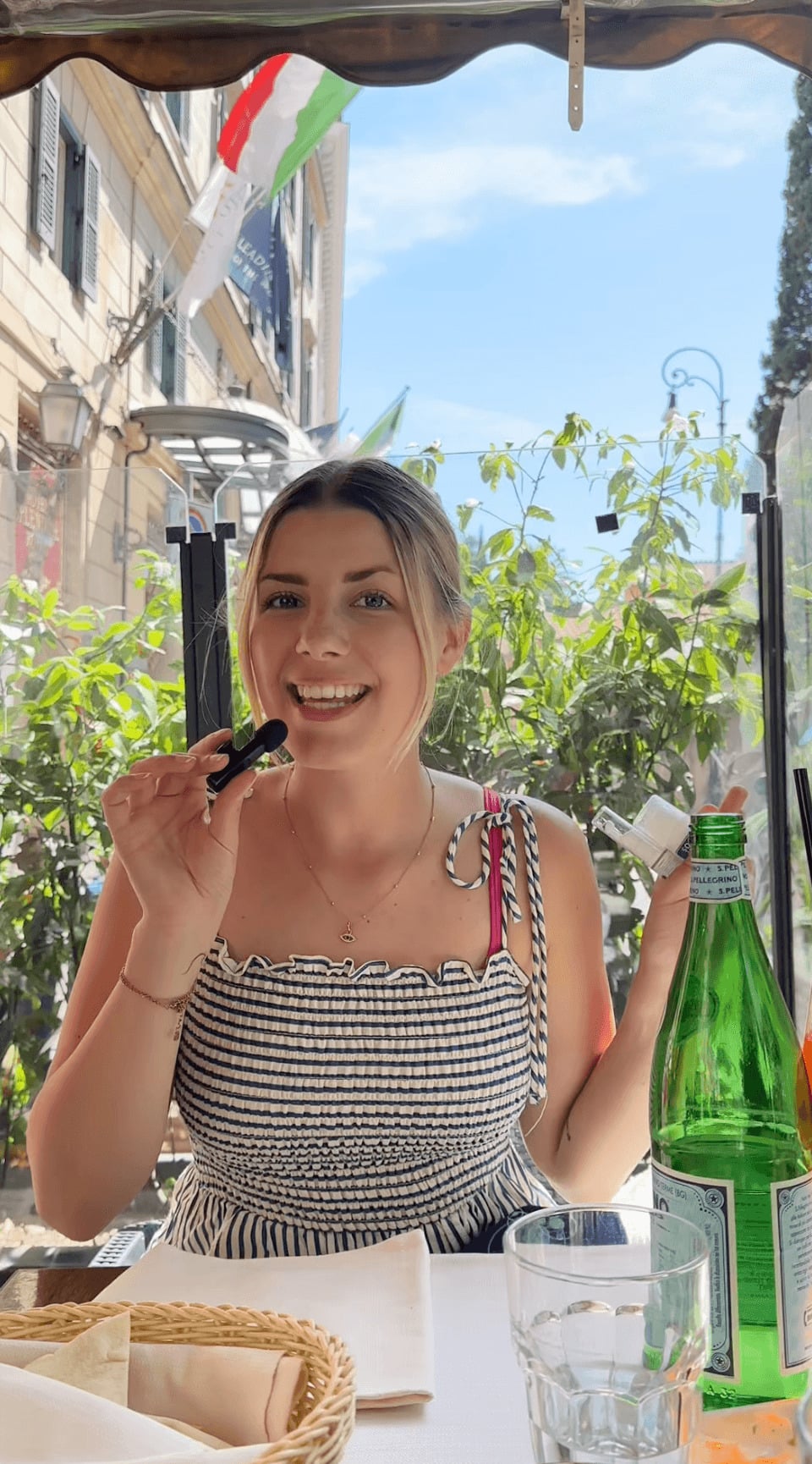
Velena Lifestyle
Agency content and client showcases, so you can judge the standard for yourself before you decide.
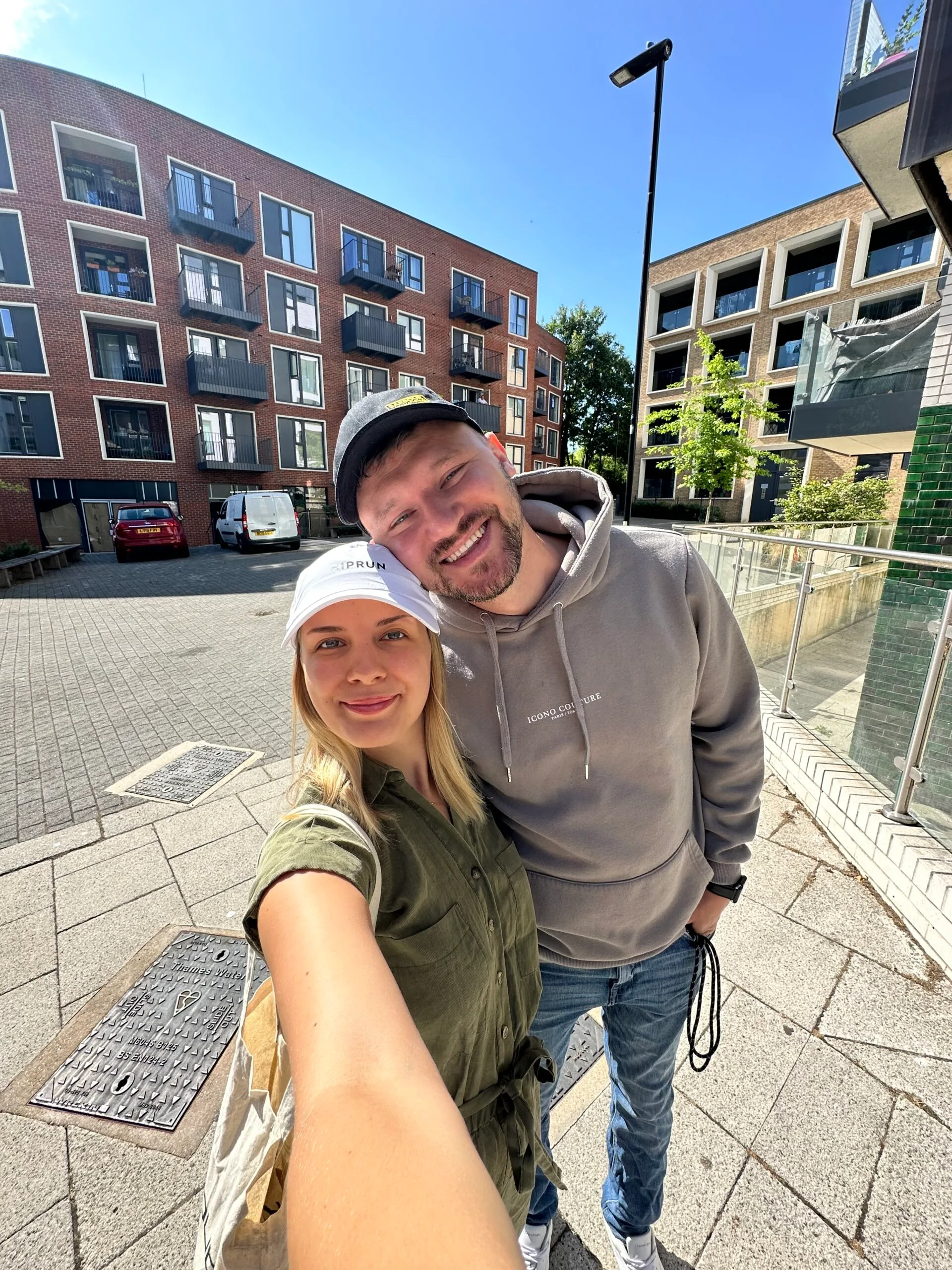
Watch the agency channelVelena and Dragos
Our personal travel and food channel, where the on-camera creator style started.
Watch Velena and DragosWhat clients say
Velena Lifestyle have been a breath of fresh air for our social media accounts. Their professionalism and knowledge have supported us massively.
Fantastic service. Been a client for 3 years now and have seen fantastic results, increased viewers, followers and viral videos. Copywriting was on point and has been used in magazines like Conde Nast, Timeout and more.
I've known Velena for many years and she is a great content creator and reliable. I highly recommend her. Looking forward to hiring her again.
Meet the founders

Velena Nikolova
Velena leads content and creative direction across every client account, with 13K Instagram followers and content featured in Women's Health.

Dragos Nistor
Dragos leads strategy and business development, and is a LinkedIn Top Entrepreneurship Voice with a 25K+ network.
Small Business Social Media FAQs
How much does social media management cost for a small business in the UK?
Most UK small businesses spend between £500 and £1,500 a month, typically covering content, scheduling, engagement and basic analytics across two to three platforms. A realistic quality starting point is around £400 to £800 a month, with the management fee separate from any ad spend.
How many platforms should a small business be on?
Usually two to three, chosen where your customers actually spend time. One or two platforms done well beats a thin presence across five, especially on a limited budget.
Can I just do my own social media?
You can, and in the early days it helps you learn what resonates. But doing it properly takes 10 to 20 hours a week across multiple platforms, and it is usually the task that slips when the business gets busy, which is where consistency and results break down. Many owners start DIY, then bring in help once they realise the time cost outweighs the fee.
Is social media management worth it for a small business?
For most, yes, if it is done to a real standard. If one new customer is worth £500 and good management brings in just one a month, it has already paid for itself. It also frees up 10 to 15 hours a week of your time, which for a busy owner is often the bigger benefit than the enquiries alone.
What does a good small-business package include?
Content strategy, content creation, scheduling and publishing, community management, and clear monthly reporting. Higher tiers add paid advertising management and more video. Always check whether ad spend, photography and video are included or billed extra.
Are cheap £99 packages worth it?
Usually not. At that price you are typically getting a couple of stock-image posts a week or overseas work with no local knowledge. Poor social can harm a brand, so below a genuine quality floor, doing nothing is often better than doing it badly.
Should a small business pay for ads too?
Not necessarily at first. Strong, consistent organic content should come first. Paid ads can amplify what is already working once you have a clear sense of what converts, and the ad budget is always separate from the management fee.
How quickly will I see results?
Most businesses see reach and engagement improve within four to six weeks, with follower growth and steadier enquiries building from around month three. Social compounds with consistency, so it rewards showing up over time rather than short bursts.

Dragos co-founds Velena Lifestyle and leads its business strategy. A LinkedIn Top Entrepreneurship Voice, he writes about social media management, small business growth, and building a modern agency in the UK.
Related guides
Let's get your social working
Tell us your business, your goal and your budget, and we will recommend the right plan, or tell you honestly if you are not ready for one yet.
Get a recommendationHome > Social Media Management > For Small Businesses