
What Does a Social Media Manager Do?
Far more than posting pretty pictures. A clear breakdown of the role, the daily tasks, the skills that matter, and exactly what you should expect when you hire one.
Hire our team
Key takeaways
- A social media manager builds and maintains a brand's presence across platforms, spanning strategy, content creation, community management, analytics and paid social.
- Most roles are roughly 20 to 30 percent strategy and 70 to 80 percent execution, so the bulk of the job is consistent, hands-on delivery.
- It is not the same as a content creator. A creator makes content; a manager plans strategy, runs the platforms, handles engagement and ties everything to business goals.
- The best managers combine creative, analytical and organisational skills, and in 2026 use AI for routine tasks while keeping human judgment for strategy and brand voice.
- When hiring, judge four things: output quality, execution speed, communication clarity, and consistency over time.
On this page
What a social media manager actually is
A social media manager is the person responsible for building and maintaining a brand's presence across social platforms. They plan what gets posted and why, create or oversee the content, engage with the audience, track how everything performs, and use that data to keep improving. The role sits at the intersection of creativity, analytics and communication, and it has expanded significantly as platforms have multiplied and audience expectations have risen. In short, they act as the brand's voice online, and they are accountable for how that voice shows up every day.
Crucially, a good social media manager does far more than post pretty pictures or write clever captions. They take responsibility for every aspect of a brand's social presence and tie it back to real business goals, whether that is awareness, enquiries or sales. When it is done well, every post is intentional, the brand voice stays consistent, and social becomes a channel that actually contributes to the business rather than a box that gets ticked. That accountability for results, not just activity, is the heart of the role and the main reason it exists as a distinct job at all.
The exact shape of the role varies with the business. In a large company, a manager may approve content that a wider team produces; in a small business, the same person often does the strategy and the hands-on creation. An agency manager typically handles several client accounts at once, switching between brand voices, while an in-house manager focuses entirely on one brand. The core purpose, though, is the same everywhere: keep the social presence consistent, on-brand and working toward the goal.
It is also a role that has changed a great deal. A few years ago, social media management was mostly about posting content regularly. Today it spans content strategy, audience behaviour, AI-assisted workflows, platform analytics, social listening and brand trust, and the manager is expected to understand how all of those connect. That expansion is exactly why the job is easy to underestimate from the outside: what looks like "just posting" is, done properly, a blend of creative, analytical and relationship work that keeps a brand credible and visible in a crowded feed.
Core responsibilities
The word "management" hides a lot of separate jobs. In practice, a social media manager's responsibilities usually fall into five areas, and a genuinely good one is competent across all five rather than strong in one and weak in the rest. This is worth understanding before you hire, because it explains why the role is bigger than "posting" and why a single stretched person, or an owner doing it on the side, so often struggles to cover it all.
Setting the direction: audience analysis, choosing platforms, planning content calendars aligned with business goals and campaigns, and deciding what success looks like. This is the smaller share of the hours but shapes everything else, because content without a plan is just activity.
Producing platform-specific content, writing, graphics and increasingly short-form video, that fits the brand and works for each channel. Good content builds trust and engagement; poor content can hurt faster than posting nothing, which is why quality and brand fit matter as much as volume.
Planning and posting content consistently at sensible times across the chosen platforms, coordinating with designers, writers or video editors where a wider team is involved, and keeping the calendar full even during busy periods.
Responding to comments, messages and mentions, monitoring brand mentions and competitor activity, and building genuine relationships with the audience. This is where a lot of customer relationships and sales quietly begin, and where slow or absent replies quietly lose them.
Reviewing performance, interpreting the data, and reporting back with actionable insights, not just vanity numbers. Understanding the data behind the content is what separates a manager from a coordinator, because it turns each month's results into next month's plan.
On top of these five, many managers also run paid social campaigns, manage influencer partnerships and user-generated content programmes, and test new formats to expand reach. The more senior the role, the more the balance tips toward strategy and ownership rather than pure execution.
Two responsibilities are easy to overlook but matter enormously. The first is brand protection: a manager is the front line when something goes wrong publicly, and calm, well-judged handling of a complaint or a mistake protects the brand's reputation. The second is compliance: in the UK, sponsored content and gifted products must be disclosed properly, and a good manager makes sure the right labelling is in place before anything is published, rather than leaving the business one caption away from a complaint. Neither shows up in a content calendar, but both are part of doing the job responsibly.
What a typical day looks like
No two days are identical, and crisis moments or trending opportunities can reshape a plan quickly, but a representative day gives a useful sense of the rhythm. It also shows why the role is so hard to do well in stolen half-hours: the work is spread across the whole day, from early engagement to late-afternoon reporting, and each part depends on the last.
Review overnight comments, messages and mentions, respond to the audience, and scan for any issues or trending moments worth reacting to before they pass.
Work on upcoming content, and coordinate with designers, writers or video editors on creatives that are in production for the days ahead.
Publish scheduled posts, stories, reels or platform updates according to the content calendar, checking each is correct and on-brand before it goes live.
Check post performance, audience responses, trends and competitor activity, then update reports, plan the next day's content and document what was learned.
Flexibility matters more than rigid time blocks. The plan for the day frequently shifts around a trending topic, a customer query that needs a fast response, or an ad-hoc request, and a good manager absorbs that without letting the core schedule slip. That balance, staying responsive to the moment while still shipping the planned work, is one of the harder-won skills in the job, and it is a big part of why consistency is so difficult to maintain single-handedly while also running a business.

The skills that matter
A high-performing social media manager blends creative, analytical and organisational skills. Very few people are equally strong at all of them, which is part of why a team can outperform a single hire, but the best managers cover the essentials well. When you are assessing someone, these are the areas worth probing rather than taking a polished portfolio at face value.
A working knowledge of how each platform behaves, its formats, its algorithm signals and its audience, and the ability to adapt quickly as those change, since what works on one platform rarely translates directly to another.
Writing clearly and concisely, a good eye for design, and increasingly the ability to shoot and edit short-form video, which is where reach is growing fastest across TikTok, Reels and YouTube.
Interpreting the data to understand what is working and why, and turning that into decisions rather than just recording numbers. This is the skill that most reliably separates a strategic manager from someone who only schedules posts.
Sound judgment in public replies, a consistent brand voice, and the ability to handle criticism calmly and professionally, because every public interaction reflects on the brand.
Managing multiple tasks and deadlines, staying flexible when the plan changes, and keeping assets and schedules under control, especially when juggling several platforms or accounts at once.
In 2026, fluency with AI tools has become a standard expectation. Good managers now use AI for caption drafts, ideation, research and repetitive scheduling or reporting tasks, which frees up time for the higher-value work. What has not changed is that human judgment, creativity, brand understanding and content taste remain the things that actually separate a strong manager from an average one. The tools speed up the routine; they do not replace the thinking.
It is also worth knowing the common tools of the trade, because they tell you how the work gets done. A typical manager works across a design tool such as Canva, a scheduler or platform suite for publishing, native analytics on each platform, a video editor for short-form content, and a simple project or planning system to keep the calendar organised. None of these is the job in itself, they are how a good manager stays consistent and efficient across several platforms at once, which is exactly the kind of structure that is hard to maintain when social is squeezed in around everything else. A capable manager is not defined by the tools they use, but by the judgment they apply through them.
Social media manager vs content creator
These two roles are often confused, and the difference matters when you are deciding what you actually need to hire. A content creator mainly makes content, the videos, photos and posts themselves. A social media manager does that too in many cases, but the role is broader: they plan the strategy, manage the platforms day to day, handle community engagement, track performance, and align everything with business goals. Confusing the two is one of the most common reasons a hire disappoints, because the business expected one thing and bought another.
Put simply, a creator produces the raw material, while a manager owns the outcome. If you only need a steady stream of content and already have someone directing strategy and running the channels, a creator may be enough. If you need someone to take responsibility for the whole presence, deciding what to post, why, where and when, and being accountable for the results, that is a social media manager. Many small businesses actually need elements of both, which is one reason a managed service that combines creation and strategy often fits better than a single narrow hire. Our own team pairs an on-camera creator with strategy and account management, so both sides are covered without you having to assemble them yourself.
The distinction also affects how you brief and measure the person. A creator is usually judged on the quality of the assets they hand over. A manager is judged on business outcomes, engagement, reach, enquiries and consistency, because they are responsible for the whole channel, not just the content that fills it. Getting clear on which of those you are actually buying prevents a common and expensive mismatch: hiring a talented creator and then being frustrated that no one is steering the strategy, or hiring a strategist and wondering why there is no one to make the content.
In-house, freelance or agency
The same role shows up in three different setups, and the one that suits you depends on how much work there is and how much you want to own the relationship. Each carries a different cost, a different level of cover, and a different amount of day-to-day management from your side.
| Setup | What it is | Best when |
|---|---|---|
| In-house | A dedicated employee focused on your brand alone | Social is central, you need daily output and you can support a full salary |
| Freelance | An individual managing your social alongside other clients | You need regular, competent output on a lean budget and can direct the work |
| Agency | A team covering strategy, content, design and reporting | You want reliability, breadth and cover without the overhead of a hire |
An agency manager typically handles several client accounts at once and brings benchmark experience from across them, while an in-house manager gives one brand their full focus. Neither is objectively better; it depends on your needs and budget. We cover the full trade-off, including the true cost of an in-house hire, in our in-house vs agency social media guide, and the numbers behind each in the cost of social media management guide.
One practical difference is worth flagging. A single freelancer or in-house hire is one person, which means one set of skills and no cover when they are ill or on holiday. Finding an individual who is equally strong at strategy, writing, design and video is genuinely hard, so a solo hire is often stronger in some areas than others. A team-based setup spreads those skills across specialists and builds in continuity, which is why many growing businesses move from a single person to a small managed team as social becomes more important to them.
How to judge a good social media manager
Whether you are hiring an individual or an agency, four qualities tell you most of what you need to know. They cut through polished portfolios to how someone actually performs week to week, which is where the value, or the disappointment, really shows up.
Is their content polished, on-brand and well-structured? Ask to see real examples, ideally for businesses like yours, and look at how they run their own channels, since that is the one place they have complete creative freedom.
Can they meet deadlines reliably across platforms, and respond same-day when it matters? Consistency of delivery is what keeps a presence alive, and a manager who is always slightly behind quietly erodes results.
Do they explain their ideas and report results clearly? You want someone who can tell you what they did, why, and what it achieved, without hiding behind jargon or vanity metrics.
Do they deliver steady results rather than the occasional spike? Ask about their quality-control process and for examples of mistakes they caught before anything went live, which reveals how carefully they work.
If you want the full hiring process, from where to find candidates to the exact questions to ask, our guide to how to hire a social media manager in the UK walks through it step by step.
Does your business actually need one?
Understanding the role also helps you answer a more practical question: do you need a social media manager at all, and if so, in what form? The honest test is whether there is a genuine, ongoing job here, not a one-off burst of activity.
If your channels go quiet whenever the business gets busy, that is the clearest sign. A manager exists to protect the consistency that DIY posting loses first.
If customers already find or contact you through social, or realistically could, it is worth resourcing properly rather than leaving to chance.
If social is eating time you should be spending running the business, the fee for a manager or managed service often costs less than the hours it frees up.
If you need someone to decide what to post and why, and to be accountable for results, that is a manager's job, not a scheduling tool's.
If only one or two of these apply and the workload is light, a freelancer or a lean managed plan is usually the right first step rather than a full-time hire. If most apply and social is central to how you win customers, a dedicated in-house manager or a fuller managed service makes sense. The point is to match the setup to the real workload, which is exactly what understanding the role lets you do. Once you know what the job actually involves, you can size it honestly, avoid paying for scale you do not need, and avoid the more common mistake of expecting one stretched person, or yourself, to cover a five-part role in spare moments.
It is also worth revisiting the decision as you grow. A business that starts with a few posts a week may only need light support, but as social becomes a real source of enquiries, the role usually expands from execution into strategy, video and reporting. Recognising when you have outgrown your current setup, and stepping it up before results plateau, is part of managing social well over time rather than treating the first choice as permanent.
How we work
At Velena Lifestyle, our managed social media management covers all five responsibilities above as one service: strategy, content creation, publishing, community management and reporting, delivered by a team rather than a single person, so there is always cover and a range of skills. Content is created in-house, including original video with an on-camera creator, and everything we produce is owned by you.
In practice, that means you get the whole role covered without having to recruit, train and retain for it yourself. Instead of hoping one hire is equally good at strategy, design, video and analytics, you get specialists across each, coordinated so the output stays consistent and on-brand. And because we work across a range of clients and sectors, we bring benchmark experience that a single in-house person, focused on one brand, cannot easily build. It is the difference between buying a role and buying an outcome, and for many businesses that is a more reliable, lower-risk way to get the job done well.
Our plans are priced by the number of platforms, with cancellation on two months notice rather than a long lock-in. If you want to sense-check the value first, the free social media ROI calculator and a free social media audit are a good place to start. Both give you a clearer sense of what a manager would actually be working with, and what a realistic return looks like, before you commit to anything.
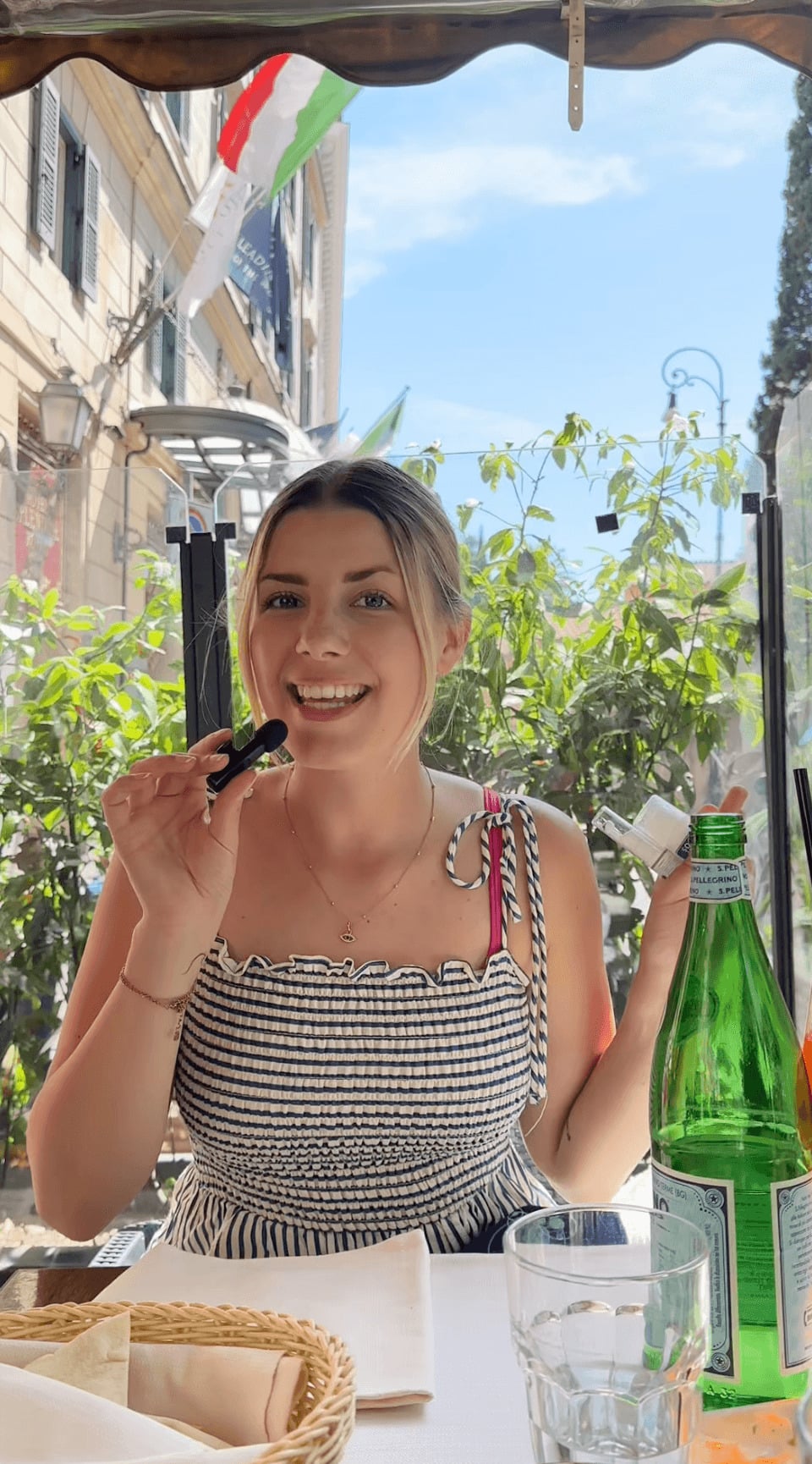

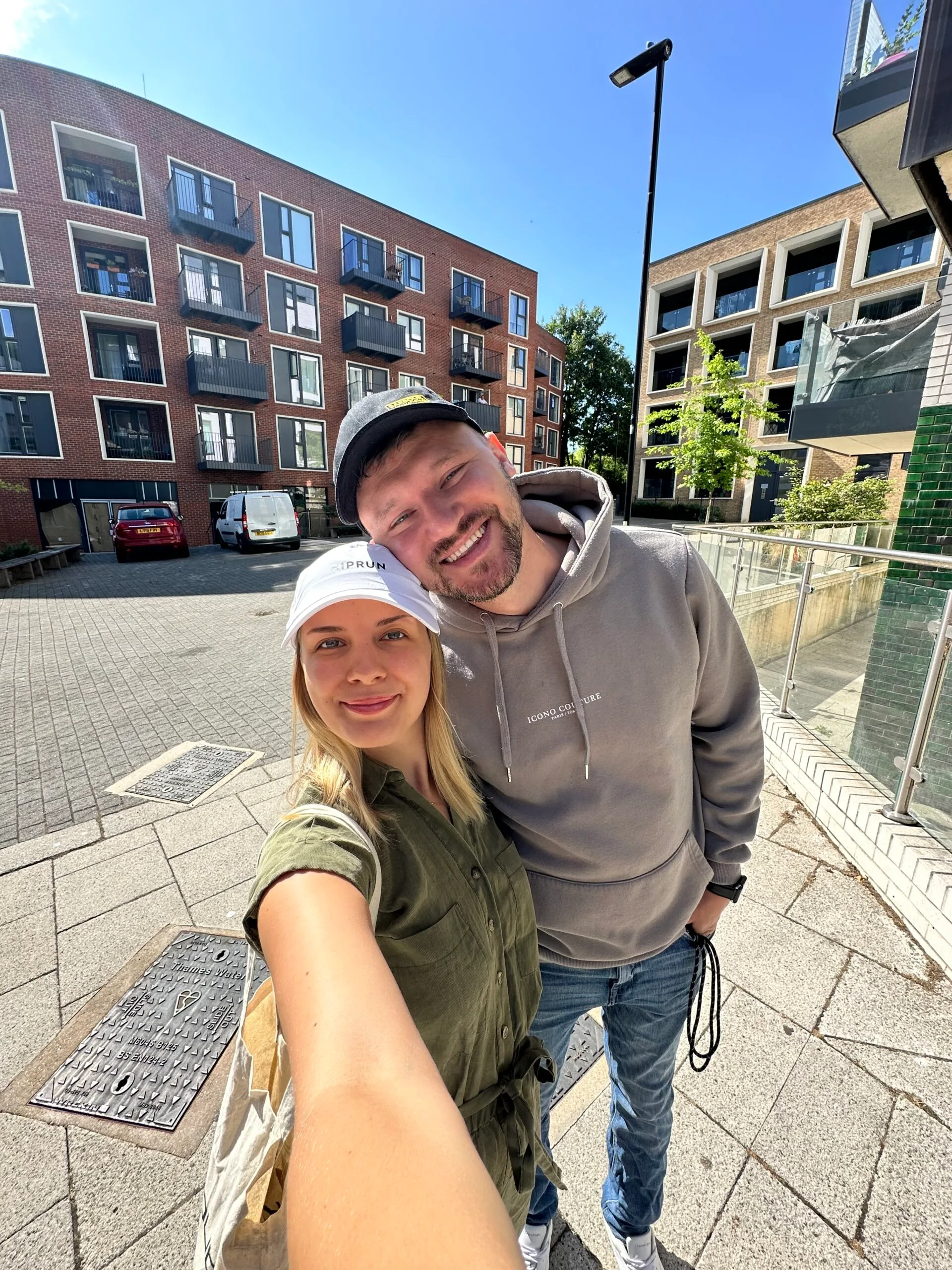

See our content in action




See our work on YouTube
Velena Lifestyle
Agency content and client showcases, so you can judge the standard for yourself before you decide.
Watch the agency channelVelena and Dragos
Our personal travel and food channel, where the on-camera creator style started.
Watch Velena and DragosWhat clients say
Velena Lifestyle have been a breath of fresh air for our social media accounts. Their professionalism and knowledge have supported us massively.
If you want a self-starter with the ability to think strategically and minimize the time between ideation and creation, Velena is your go-to. She has done a phenomenal job with managing our UGC portfolio, curating and creating our content.
Fantastic service. Been a client for 3 years now and have seen fantastic results, increased viewers, followers and viral videos. Copywriting was on point and has been used in magazines like Conde Nast, Timeout and more.
Meet the founders
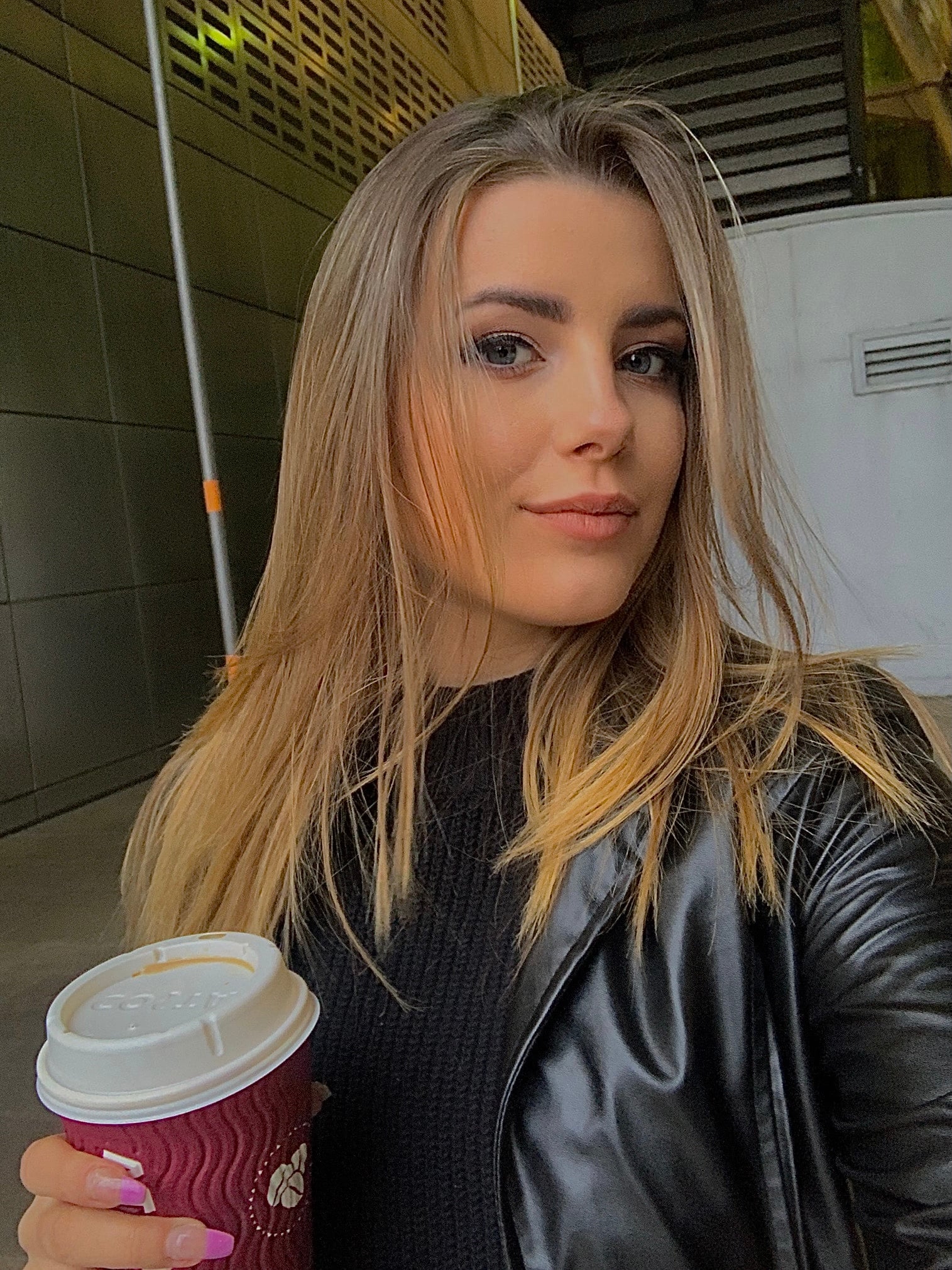
Velena Nikolova
Velena leads content and creative direction across every client account, with 13K Instagram followers and content featured in Women's Health.
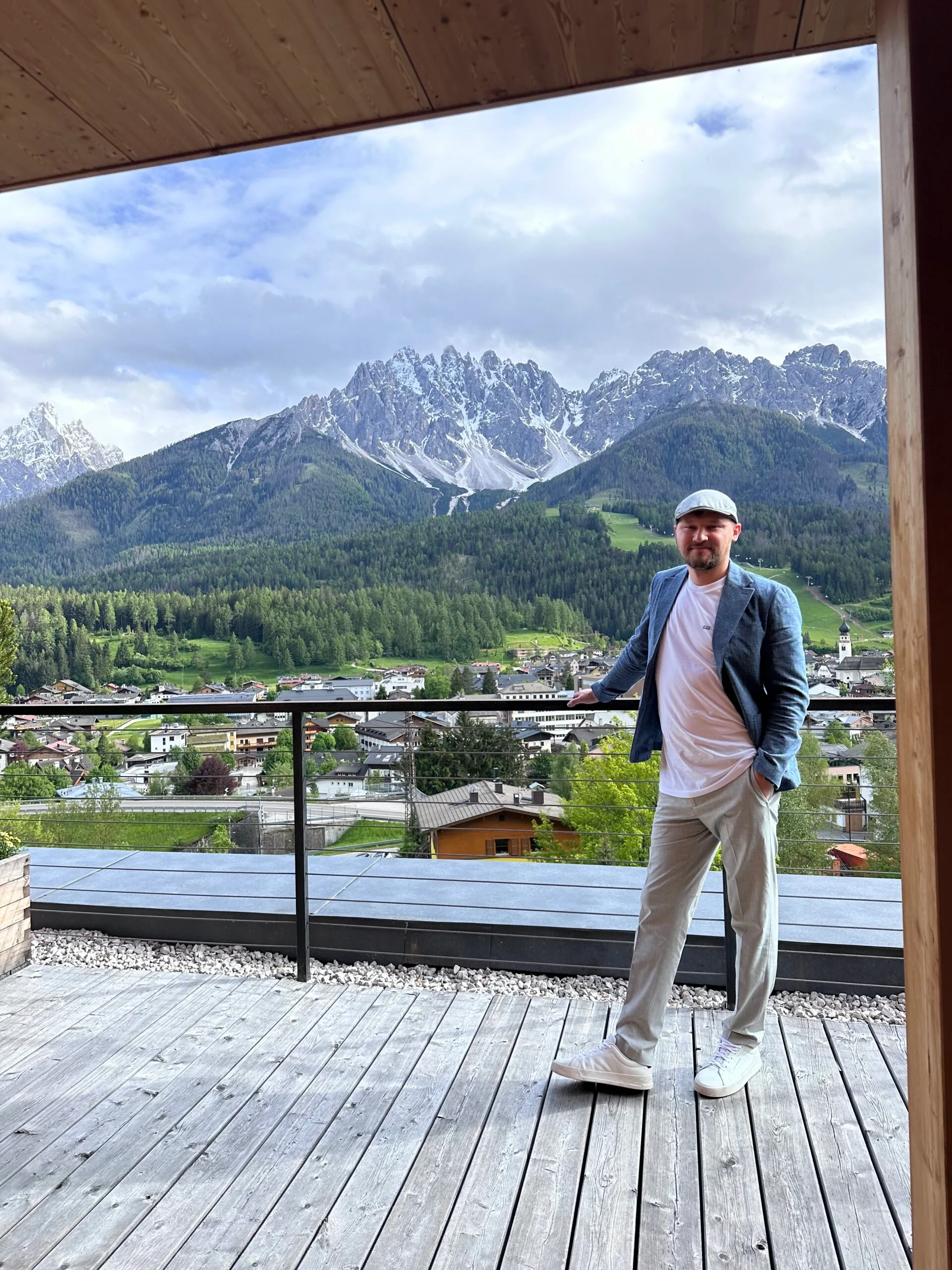
Dragos Nistor
Dragos leads strategy and business development, and is a LinkedIn Top Entrepreneurship Voice with a 25K+ network.
Social Media Manager FAQs
What does a social media manager do day to day?
They check and respond to comments and messages, create and coordinate upcoming content, publish scheduled posts across platforms, and review performance to plan the next day. The exact mix shifts around trends, customer queries and campaigns, so flexibility is key.
What are a social media manager's main responsibilities?
Five areas: strategy and planning, content creation, scheduling and publishing, community management, and analytics and reporting. Many also run paid social and manage influencer or user-generated content programmes.
What is the difference between a social media manager and a content creator?
A content creator mainly produces content. A social media manager plans strategy, manages the platforms, handles engagement, tracks performance and aligns everything with business goals. The manager owns the outcome, not just the output.
What skills does a good social media manager need?
Platform expertise, content creation across writing, design and video, analytics, community management and communication, plus organisation and adaptability. In 2026, fluency with AI tools is expected, but human judgment and creativity still set the best apart.
Does a social media manager create the content themselves?
Often, especially in smaller businesses. In larger teams they may direct and approve content that designers, writers and video editors produce. A good managed service covers both creation and strategy so you do not have to assemble them separately.
How much of the role is strategy versus doing?
Roughly 20 to 30 percent strategy and 70 to 80 percent execution for most roles. Senior positions shift toward strategy and ownership, while junior ones focus almost entirely on execution with supervision.
Do I need a social media manager or can I do it myself?
You can start yourself, but doing it properly takes real time each week across multiple platforms, and it is usually the task that slips when you are busy. Once consistency matters, a manager or managed service protects it.
How do I know if a social media manager is good?
Judge four things: output quality, execution speed, communication clarity, and consistency over time. Ask for real examples, ideally in your sector, and look at how they run their own channels.
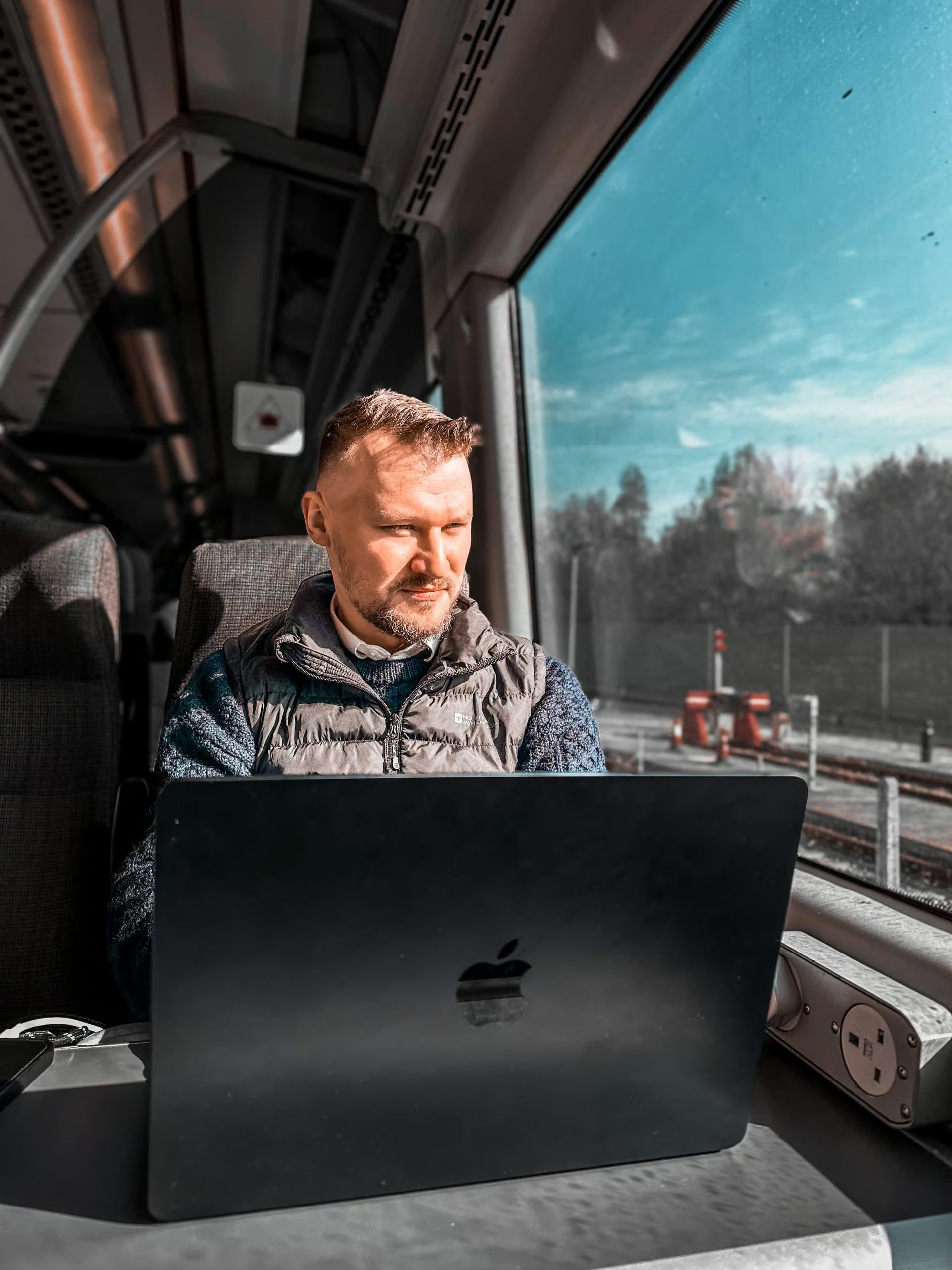
Dragos co-founds Velena Lifestyle and leads its business strategy. A LinkedIn Top Entrepreneurship Voice, he writes about social media management, the role of the modern social team, and building an agency in the UK.
Related guides
Want a whole team, not just one hire?
Tell us your goal and your budget, and we will show you what a managed social team would do first, and the return you can realistically expect.
Work with usHome > Social Media Management > What a Social Media Manager Does