
This article has no affiliate links. When it first appeared in August 2025 it carried affiliate links to Get Blogged; we have removed them, and no platform named here pays us.
- Guest posting still has real value when the post is written for the host's readers: it reaches a new audience, builds relationships and can bring visitors and lasting links.
- Get Blogged is a UK platform, founded in 2017, where brands post a campaign and bloggers send proposals; it is free to join, and brands pay when they hire.
- A good platform vets its blogs, is open about prices, holds editorial standards, supports both sides and has a clear way to settle disputes.
- Google treats links bought for ranking as link spam. Paid or sponsored links should carry rel="sponsored", and guest posts stuffed with keyword-rich links are a named example of spam.
- In the UK, a paid post is an advert: the ASA expects a clear label such as "Ad" up front and advises against "Sponsored" on its own.
Why guest posting still matters
Promoting a website or a brand is harder than ever, especially for businesses that care about genuine, lasting results rather than quick tricks. Guest posting, writing an article that is published on someone else's blog or site, remains one of the few ways to do several useful things at once: put your name in front of an audience that already trusts the host, build a relationship with that host, send interested readers to your site, and earn a mention or link from a relevant page.
Some voices in digital marketing call guest posting outdated. What has really gone out of date is the old version of it: hundreds of thin articles on unrelated sites, each with a keyword stuffed into a link. Google has spent years tackling that, and its current spam policies give, as an example of link spam, links with keyword-rich anchor text placed in articles, guest posts or press releases spread across other sites. The same page also says plainly that Google understands buying and selling links is a normal part of the economy of the web, provided paid links are marked as such.
So the useful question is not whether guest posting works, but which kind. A post that a host's readers genuinely want to read, on a site that is relevant to your business, labelled honestly when money changes hands, still does its job. The rest of this guide is about doing that kind well, and about the platforms that make it easier to find the right hosts.
The challenge has always been finding them. Cold outreach to bloggers is slow: you research sites, find contact details, write pitches, chase replies and negotiate one by one. That is the problem guest post and blogger outreach platforms set out to solve, by bringing brands and bloggers to one place with the details up front.

What Get Blogged is and how it works
Get Blogged is a self-service platform that connects brands, agencies and marketers with bloggers and content creators for sponsored posts, product reviews, guest posts, gift guide mentions and social media features. A company profile published by Accio in October 2026, drawing on Get Blogged's own site and on Tracxn, describes it as founded in 2017 and based in Bagshot, Surrey. The same profile says it is free to join, to post a campaign and to receive proposals, that brands pay only when they hire a blogger, with no contract, and that payment is held until the brand approves the finished work.
Platforms like it change, so treat any figures you read, including the number of bloggers listed and the starting prices, as a snapshot and check the current terms on the platform itself before you sign up. The way these platforms work is broadly the same:
- You describe the campaignThe brand or agency posts what it wants: the kind of content, the topic, the audience, the deadline and the budget.
- Bloggers send proposalsBloggers whose sites fit reply with an offer. Good platforms show each blog's details, such as its subject, audience and traffic figures, so you can compare before you talk.
- You check and agreeYou look at the blog itself, not only its numbers, agree the content, the price and how the post will be labelled, and confirm the brief in writing.
- Payment is heldOn platforms that hold payment until the work is approved, neither side has to trust the other blindly, which is one of the main reasons to use a platform rather than paying a stranger directly.
- The post goes live and you approve itYou check the published post against the brief, including the disclosure and link attributes, then release payment.
The appeal is speed and convenience: one place to find bloggers, compare them, talk, agree terms and pay, without weeks of cold emails. The risk is the same as with any shortcut: a platform makes it easy to buy a placement, but it does not decide whether the placement is worth having. That judgement is still yours.
What sets a good guest post platform apart
There is no shortage of platforms promising high traffic, reputable sites and easy interfaces. Many fall short on transparency, real relationships and, above all, quality. Before you spend money through any of them, look at these six things.
- Curation over quantityA huge list of poorly maintained blogs looks tempting, but placements on irrelevant or low quality sites do nothing for you and can harm your reputation. A good platform vets its blogs, keeps them active and lets you see what each one really publishes.
- Transparent pricing and processGuest posting has long been dogged by murky practices and hidden fees. You should see what each placement costs, what it includes and what the platform takes, before you commit, so you can budget accurately.
- Clear editorial standardsPosts should be reviewed, and edited where needed, so they offer real value, fit the host's style and actually interest its readers. That protects the writer, the host and the brand alike.
- Support at every stepFrom technical problems with uploading to questions about an editorial request, quick, helpful support keeps posts moving and avoids drawn-out delays and misunderstandings.
- Fair dispute resolutionMistakes happen. A post may be rejected, or there may be a misunderstanding about a link. A good platform has a clear, published way of settling disputes that both sides can trust.
- Honest labellingNew for 2026 on our list: the platform should make it easy, and expected, to label paid posts as advertising and mark paid links correctly. A platform that discourages disclosure is putting your reputation at risk.
A typical platform or a good one
The difference between a basic platform and a good one shows up in the same handful of places. When we compare platforms, this is what we look for on each side.

The rules in 2026: Google and UK advertising law
Two sets of rules apply to almost every paid guest post: Google's rules about links, and UK advertising and consumer law about telling readers when content is paid for. Getting either wrong can undo the value of the post.
Google's link rules. Google's spam policies, last updated in August 2026, define link spam as creating links mainly to manipulate search rankings. Buying or selling links for ranking purposes is listed, and so are optimised anchor text links in guest posts. Paid links are acceptable when they carry a rel="nofollow" or rel="sponsored" attribute. Google's guidance on qualifying outbound links says to mark advertisements and paid placements with rel="sponsored", which it prefers, keeping rel="nofollow" for links where no other value applies.
Google's site reputation policy. The same spam policies cover third-party content published on a host site mainly to benefit from that site's ranking signals, such as an unrelated site hosting low quality reviews it had no part in. The policy does not treat genuine editorial work, such as columns, opinion pieces and articles, as abuse, nor advertorials meant for the host's readers. In practice, this is one more reason to place posts only on sites where your subject genuinely belongs.
UK advertising rules. In the UK, a guest post you pay for is usually an advert. The ASA's advice on advertisement features says that payment or any other reciprocal arrangement, including free products, makes content likely to need disclosure as advertising under consumer law, and that when the brand also has editorial control, the CAP Code applies too. Labels such as "Ad", "Advert", "Advertisement" and "Advertisement feature" are very likely to be acceptable when shown prominently up front; the ASA generally advises against "Sponsored", because it is open to different readings. The government and Competition and Markets Authority guide to being transparent with your followers sets out the same principle for creators.
Following these rules does not make guest posting pointless. A labelled, properly linked post on a relevant blog still reaches the right readers, sends visitors who are genuinely interested, and builds your name. What it no longer does is buy rankings, which was always the riskiest reason to do it. Our guide to the CAP Code on social media covers the advertising rules in more depth.
How writers and blog owners benefit
A well run platform is not only for brands. It works because it saves time for everyone involved.

See the content we make for brands
Tap a video to play it. There is more on our work pages.



Tips for maximum impact
Getting the most from guest posting is about more than choosing the right platform. It means reviewing your approach regularly, keeping up with the rules above and remembering the core purpose: adding value for the host's readers. These habits make the difference.
- Be selective with topics and hostsOnly write about subjects you know well and genuinely care about, for sites whose readers are the people you want to reach. One post on the right blog beats ten on the wrong ones.
- Personalise the pitch and the postAvoid generic pitches. Read the blog, understand its style and what its readers respond to, and shape the post for them.
- Deliver original, useful workUnique insight, real examples and research that you cite give readers a reason to remember your name. A post that reads like an advert for you rarely gets read.
- Link naturally and honestlyDo not force links in. Place one where it genuinely helps the reader, use plain descriptive words for it, and make sure any paid link is marked rel="sponsored".
- Label it properlyIf money or free products changed hands, agree in the brief that the post will carry a clear label such as "Ad" up front.
- Follow up and build the relationshipAfter the post goes live, reply to comments, share it on your own social channels and thank the host. A good relationship leads to the next opportunity.

Common missteps to avoid
A few frequent mistakes can quickly erode the benefits of guest posting, or turn it into a risk.
Guest posting handled with care and honesty keeps rewarding you long after the first post is published. Handled carelessly, it costs money and can cost reputation too.
Where guest posting fits with social and search
Guest posting is one piece of being found online, not the whole of it. For most of the brands we work with, it works best alongside three other things: a website and Google profile set up properly, so that the visitors a guest post sends find a business that looks active and trustworthy; a social media presence that is kept going; and, for founders and professional services, a strong personal profile on LinkedIn, where a well written post can reach the same decision makers a trade blog does.
We do not run guest post campaigns, but we do help with each of those three. Our Local & Search Setup gets your Google Business Profile, Google Search Console and Bing Webmaster Tools set up properly, with every account in your name. Our LinkedIn services write and publish posts in your voice, and our social media plans keep your channels active.




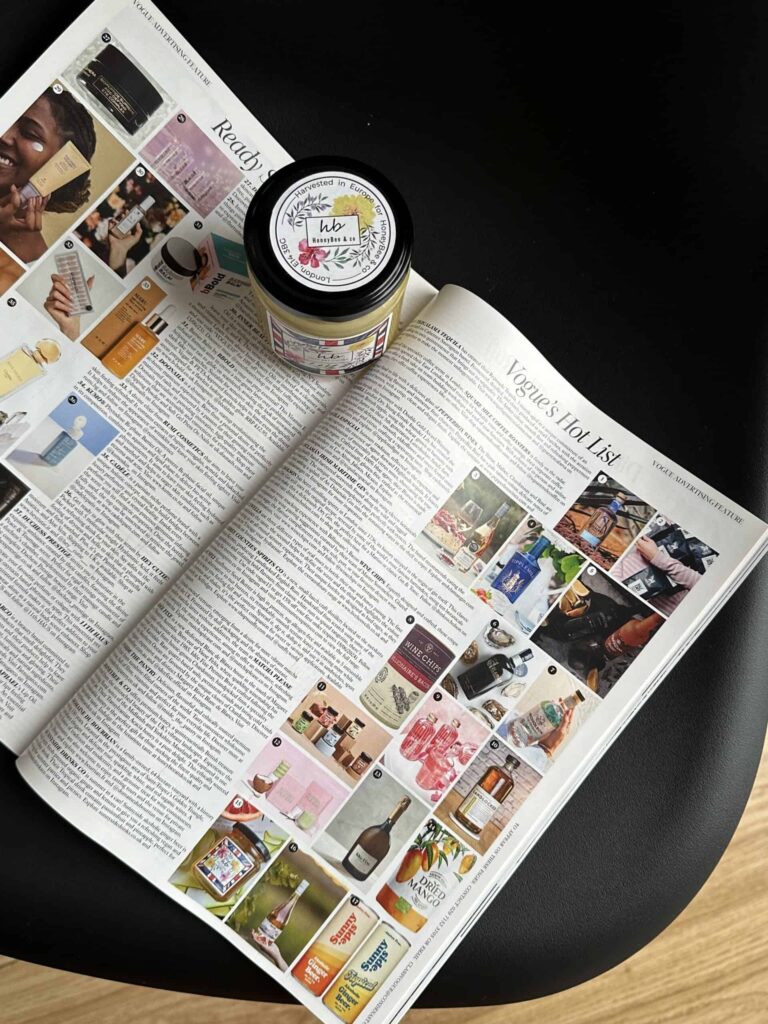
To see this joined up for one brand, the HoneyBee & Co. case study shows a raw honey brand's shop, store management and three social channels run together, with its content written and published by us. And if you are setting up search for the first time, our guide to Google Search Console platform properties explains how Google now reports on your social and video content too.

Looking ahead
The value of guest posting depends heavily on the platform and the hosts you choose. A platform that values people, prioritises quality, supports writers and blog owners equally and is open about prices and labels is rarer than the marketing suggests, but it is worth finding. Those who invest in real relationships between brands, writers and hosts get more than a link: they get lasting visibility and genuine engagement in their field.
The rules have also settled. Google is clear that links bought for ranking are spam and that paid links should be marked; UK regulators are clear that paid content is advertising and must say so. That clarity is good news for anyone doing guest posting properly, because it removes the advantage of those who were not.
Choose carefully, write for the reader, label honestly, and every article counts for far more than a backlink. That is the future of guest posting: quality, honesty and real connection leading the way.

Guest post platforms: questions
Is guest posting still worth it in 2026?
Yes, when the post is written for the host's readers on a relevant site. It reaches a new audience, builds relationships and can send interested visitors. What no longer works is mass guest posting for keyword links, which Google treats as link spam.
What is Get Blogged?
A UK platform, founded in 2017, where brands and agencies post campaigns and bloggers send proposals for sponsored posts, reviews, guest posts and social features. It is free to join, brands pay when they hire, and payment is held until the work is approved, according to Accio's 2026 company profile.
Does Google penalise guest posts?
Google's spam policies name links with optimised anchor text in guest posts, and buying links for ranking, as link spam. Genuine editorial articles are not a problem, and paid links are acceptable when marked rel="sponsored" or rel="nofollow".
Should a paid guest post link be nofollow or sponsored?
Google asks for rel="sponsored" on paid links and placements, and says it prefers that value, though rel="nofollow" is still accepted. Check the attribute on the live post before you release payment.
How should a paid guest post be labelled in the UK?
Clearly and up front, with a label such as "Ad", "Advert" or "Advertisement feature". The ASA generally advises against "Sponsored" on its own, because readers may not understand it means the content was paid for.
Does a free product count as payment?
Yes. The ASA says payment or any other reciprocal arrangement, including free products, makes content likely to need disclosure as advertising under consumer law.
How do I choose a good guest post platform?
Look for vetted, active blogs, prices and fees shown up front, clear editorial standards, real support, a published dispute process and clear guidance on ad labels and link attributes. Check the blogs themselves, not only their numbers.
Does Velena Lifestyle run guest post campaigns?
No. We help with what surrounds them: Google and search setup, LinkedIn content written in your voice, and social media plans that keep your channels active, so the visitors a guest post sends find a business that looks alive.
- Google Search Central, Spam policies for Google web search (last updated August 2026)
- Google Search Central, Qualify your outbound links to Google (last updated December 2025)
- Accio, company analysis report on Get Blogged, October 2026
- ASA and CAP, Recognising ads: advertisement features
- GOV.UK and CMA, Social media endorsements: being transparent with your followers
A question this article did not answer? Ask our team, and a person will reply.