
UGC for Beauty Brands: The Formats That Actually Convert
Beauty gets the highest engagement of any category on paid social, but engagement is not the same as sales. Here is how to use UGC to turn attention into converting beauty and skincare campaigns.
Brief a beauty UGC project
Key takeaways
- Beauty and skincare content gets the highest hook rate of any category on Meta, so the audience is already primed to stop and watch.
- Engagement is not the bottleneck in beauty. The gap that decides whether a video converts sits after the click, in the landing page and offer.
- Four formats consistently convert: before/after transformation, unboxing and first impressions, routine integration, and ingredient callout.
- Creator selection matters more in beauty than almost any other category, because the product touches skin. Skin type, tone, and category experience all affect trust.
- Velena Lifestyle produces beauty UGC end to end, from creator selection to finished, ad-ready video with usage rights included.
What is UGC for beauty brands?
UGC for beauty brands is authentic, creator-style user-generated content that shows a real person applying, reviewing, or reacting to a skincare or cosmetics product. It answers the one question every beauty buyer has before they commit: will this work for someone like me? A polished studio shot cannot answer that. A creator with the same skin concern, applying the product on camera, can.
Beauty is one of the most visual, most personal, and most trust-sensitive categories in ecommerce, and shoppers know it: they are buying something they will put on their face or skin, so the bar for proof sits higher than in almost any other product category, and the data backs that up. Independent ad-performance analysis of over 80,000 Meta video ads found Health and Beauty leads every category on hook rate at 28.34 percent against a 24.42 percent cross-industry average, and finishes above average on click-through too, according to Billo's H2 2025 ad performance analysis. Consumers are already primed to stop and watch beauty content. The job of UGC is to convert that attention into sales, not just views.
Why beauty needs UGC more than most categories
Beauty has a sensory problem that no other visual trick solves. A shopper cannot feel a serum's texture, smell a fragrance, or see how a foundation shade sits on their own skin tone through a product photo. UGC closes that gap by showing real application, real texture, and real results on real skin.
The same analysis found a counter-intuitive twist worth knowing before you brief a single video: beauty leads on hook rate and click-through, but its average return on ad spend actually finishes below the cross-industry figure. That combination means the creative is doing its job. The ceiling on results sits after the click, in the landing page and offer, not in the video itself. Get the format right and the rest of your funnel has to match the promise the video makes.
4 UGC formats that convert for beauty and skincare
Not all beauty UGC performs equally. These four formats have the strongest track record because they deliver exactly what a beauty buyer is looking for: proof that the product does something real.
1. Before/after and skin transformation
The highest-intent format in the category. A creator showing a visible change, such as reduced redness or clearer texture over a few weeks, provides proof that no product shot can match. It directly answers the will this work for someone like me question that every beauty buyer is asking.
2. Unboxing and first impressions
Unboxing mirrors the customer's own first experience: opening the packaging, reading the ingredients, applying the product for the first time. It performs strongly for launches, and pairs well with a short explanation of why the creator chose that specific active ingredient for their skin type.
3. Routine integration
A routine video places your product inside a real morning or evening routine, showing where it fits alongside everything else the creator already uses. This answers how does this fit into what I already do and builds familiarity before the click.
4. Ingredient callout
Ingredient-educated buyers are common in beauty now, after years of skincare content on TikTok and YouTube. A creator explaining a formulation benefit in their own words, rather than reading from the label, signals credibility to buyers who have already done their research.
Watch real beauty UGC examples
These are two finished videos from our beauty and skincare portfolio, showing the format in practice.
Watch the full beauty portfolio
The hooks that earn the first three seconds in beauty
Beauty leads every category on hook rate because the product can be shown visually doing something in the first two seconds. Four hook types consistently perform well.
| Hook type | How it works |
|---|---|
| Skin concern call-out | Name the specific concern first, not the category. Specificity signals the creator genuinely has the problem, not just the product. |
| Confessional | A before-this-product frame that pre-empts scepticism by acknowledging the viewer's own experience first. Strong for audiences who have already tried things that did not work. |
| Visual tension | Open on the concern itself, or cut mid-application before the reveal. The visual does the work instead of a spoken claim. |
| Bold claim | Highest ceiling, highest variance. Works best when it comes from a creator with genuine documented results, in their own words, rather than a scripted line. |
The weakest opener in beauty is the generic routine intro, despite being the most common. If your creative starts with a generic morning routine line instead of naming the concern, you are giving up the advantage beauty already has over every other category.
Why creator selection matters more in beauty
Creator choice is more consequential in beauty than in almost any other category, because the product is applied to skin. Three things decide whether a beauty audience trusts the recommendation.
A creator with oily skin reviewing a mattifying serum will always outperform a creator without that concern, because viewers with the same issue trust their experience specifically.
Beauty audiences are acutely aware of whose skin is being shown. Campaigns that represent only one profile read as narrow, no matter how good the creative is.
A creator who regularly posts skincare content brings an audience with active purchase intent, which gives their recommendation more weight than a general lifestyle creator trying beauty for one post.
You can see this standard in practice across our beauty and skincare UGC portfolio.
Skin representation is not just an ethical consideration, it is a direct performance lever. A brand that shows only one skin tone, age, or concern in its creator pool will see weaker resonance across the rest of its audience, simply because fewer viewers can see themselves in the content. Building a small, varied roster of two or three creators per concern area, rather than relying on a single face for the whole product line, protects both authenticity and reach as the campaign scales.

How to brief a beauty UGC creator
A brief that is too rigid or too vague produces the same result: assets that come back off-angle and need reshoots. Give a beauty creator these five things and the first pass usually lands.
A single skin concern addressed or a single benefit demonstrated, not a list of every feature the product has.
Tell the creator exactly who the product targets, so they can genuinely represent that use case rather than guess.
Direct the application technique, the texture on skin, and any packaging close-up. Do not script the spoken words.
List anything that cannot be said for regulatory reasons, and any required brand language, clearly and in writing.
Aspirational, raw and relatable, or educational all produce different content, so be explicit about which one you want.
What to leave out matters just as much: word counts, line-by-line scripts, and a requirement to say the brand name in the first three seconds all make content look produced rather than authentic. The brief's job is to give direction, not to script the authenticity out of the video. For more on this, see our guide on finding and briefing UGC creators.
Claims and compliance in beauty UGC
Beauty and skincare sit close to regulated territory, especially around efficacy claims. A few habits keep content persuasive and safe to run.
Approve claims before the shoot
Give creators a short list of what can and cannot be said about results, timelines, and ingredients. Vague or unapproved claims are the most common reason beauty ad creative gets rejected by platforms.
Let results speak in the creator's own words
A genuine, first-person account of what changed reads as credible and tends to sit more comfortably within advertising standards than a scripted claim read to camera.
Keep before/after content honest
Time-stamped, unedited transformation footage protects both the brand and the creator, and it is also simply more persuasive: viewers are quick to spot content that looks staged or over-filtered.
Why beauty creative needs refreshing faster
Beauty audiences are highly engaged and highly saturated. They see a large volume of skincare and cosmetics advertising every week, which means the window before a piece of creative fatigues is shorter than in most other categories. Performance data shows return on ad spend typically starts sliding around week two or three of a beauty campaign, as frequency climbs and the algorithm runs out of unconvinced buyers in the audience.
The practical implication is simple: brief new UGC before your current creative fatigues, not after. Running a small batch of creators across two or three brief variants per product per cycle gives you enough variation to find the next winner ahead of the drop-off, rather than scrambling once performance has already slipped.
Which format fits which beauty sub-category
Skincare, makeup, haircare, and fragrance each have a different proof problem, so the best-performing format shifts slightly by sub-category.
| Sub-category | Strongest format | Why |
|---|---|---|
| Skincare | Before/after transformation | Buyers need proof the product changes something over time, not just how it feels on application. |
| Makeup | Application and wear-test | Buyers want to see how it looks applied and how long it lasts, closer to routine integration than a transformation arc. |
| Haircare | Routine integration and before/after | Results build gradually, so a routine context plus a longer-term change works best together. |
| Fragrance | Unboxing and first impression | Scent cannot be shown on screen, so the creator's reaction and the unboxing ritual carry the persuasion instead. |
If your range spans more than one of these, brief format by sub-category rather than using one template across the whole catalogue, since a single approach rarely performs equally well across all of them.
UGC vs polished beauty campaigns
Most beauty brands already run polished campaign photography and brand films. Those still matter, but they solve a different problem from UGC.
| UGC | Polished campaign content | |
|---|---|---|
| Feels like | A peer recommendation | A brand production |
| Best at | Trust, hook rate, ad performance, relatability | Brand aesthetic, hero launches, packaging shots |
| Cost per asset | Low, from £130 | High, studio production |
| Speed and volume | Fast, many variations to test and refresh | Slow, usually one hero asset |
| Where it wins | Paid social, product pages, retargeting | Website hero, packaging, press |
The strongest beauty brands run both: polished photography for the brand world, and a steady stream of UGC to feed paid social and keep pace with fatigue. If you are choosing where to spend first, UGC gives you more testable assets per pound and a direct answer to the trust question polished content cannot fully solve. For the numbers, see our UGC rates guide.
Using beauty UGC on product pages and in ecommerce
Paid social is only one place beauty UGC earns its keep. Product pages are just as important, and arguably more decisive, because that is where a browsing shopper turns into a paying customer.
Solve the sensory gap at the point of decision
Online beauty shopping has an obvious limitation: a shopper cannot smell, feel, or test a product before buying. Photos and video from real customers close that gap by providing visual evidence that competes with in-store testing. A gallery of customer photos with similar skin concerns, shown right where the buy button sits, does more to build belief than another studio image.
Segment by skin type and concern
Generic praise convinces fewer people than specific, situation-relevant proof. Reviews and UGC organised or tagged by skin type or concern let a hesitating shopper find someone like them, which is a stronger trust signal than volume alone.
Pair UGC with a strong review base
Brands with a large base of detailed, specific reviews convert measurably better than brands with only a handful of generic ones. Video and photo UGC embedded alongside those reviews adds the visual proof that text alone cannot provide, and the two together do more than either does on its own.
If you are building or refreshing product pages, UGC should sit close to the add-to-cart action, not buried further down the page where fewer shoppers will see it before deciding.
UGC for beauty launches and seasonal campaigns
New product launches and seasonal moments (a summer skincare edit, a festive gifting range, a Black Friday push) each create a spike in demand for fresh creative, and beauty's fast fatigue cycle makes this more urgent than in most categories.
For a new launch
Unboxing and first-impression content is especially effective, because it mirrors the exact experience a new customer is about to have. Pair it with an ingredient callout video so buyers understand what is new and why it matters, before the before/after evidence has had time to build up.
For a seasonal campaign
Routine integration content works well here, showing how a product fits into a seasonal ritual rather than standing alone. Because seasonal windows are short, plan the creator brief and shoot at least two to three weeks ahead of the campaign date, so the assets are ready before demand peaks rather than scrambling once it has already started.
For always-on evergreen content
Between launches, before/after and ingredient callout content keeps working steadily in retargeting and on product pages, which is why a standing UGC pipeline outperforms a one-off campaign mentality over the course of a year.
Common mistakes beauty brands make with UGC
Over-scripting the creator
Handing a creator a word-for-word script is the fastest way to lose the authenticity that makes UGC work in the first place. Direct what to show, not what to say.
Choosing creators for follower count over fit
A smaller creator with the exact skin concern your product addresses will consistently outperform a larger creator without that relevance. Fit beats reach in beauty.
Letting one hero video run too long
Beauty audiences are saturated, and a single asset fatigues within a few weeks. Treat UGC as an ongoing pipeline rather than a one-off shoot.
Skipping compliance review
Unapproved or vague efficacy claims are a common reason beauty ad creative gets rejected. Approve claims before the shoot, not after.
Leaving UGC off the product page
Many brands invest in UGC for ads but never bring it back to the product page, missing the conversion lift it offers at the exact point of purchase decision.
How to measure beauty UGC performance
Treat beauty UGC like performance marketing, not a brand exercise. Watch these in order.
These tell you whether the format and the opening line are working. Beauty starts with an advantage here, so underperformance usually points to a weak hook.
The number that decides whether a winning hook is actually a winning asset. Track it per video so you can scale the right ones and retire the rest.
Video and photo UGC embedded on product pages measurably lifts conversion by giving visual evidence that compensates for the sensory limits of shopping online.
Track how many days or weeks a piece of creative holds before ROAS starts sliding, so your next brief goes out ahead of the drop rather than after it.
Estimate production budget with our free UGC rate calculator, and model the payback with the social media ROI calculator. Reviewing these numbers monthly, rather than only at the end of a campaign, is what lets a beauty team catch fatigue early and keep fresh creative moving through the account, instead of discovering the drop-off after the budget has already been spent.
How we produce beauty UGC
At Velena Lifestyle we treat beauty UGC as a performance asset, not a single hero video. We select creators for genuine skin type and concern match, not just follower count, and we build briefs around one clear message per video: a concern addressed, a texture shown, a routine moment captured. We produce platform-ready cuts with the pacing each channel needs, and deliver with organic rights included and a 12-month paid media licence, so you can run the winners as ads without paying again.
We also keep a running view of how each piece of creative is performing, so a batch that starts strong but fatigues by week three gets refreshed before it drags down your account average, rather than being left to run on autopilot.
Because we handle sourcing, briefing, and direction, you approve a concept rather than manage a shoot. You can order set packages such as beauty and skincare UGC, including a 3-video bundle, or send a custom brief through the UGC agency page. New to the format entirely? Start with Velena Lifestyle and the What Is UGC guide.
Add monthly social media management
Once you have the videos, keep the channel moving. Add social media management to have your content planned, posted, and reported on every month. Four tiers, clear pricing, no long lock-in.

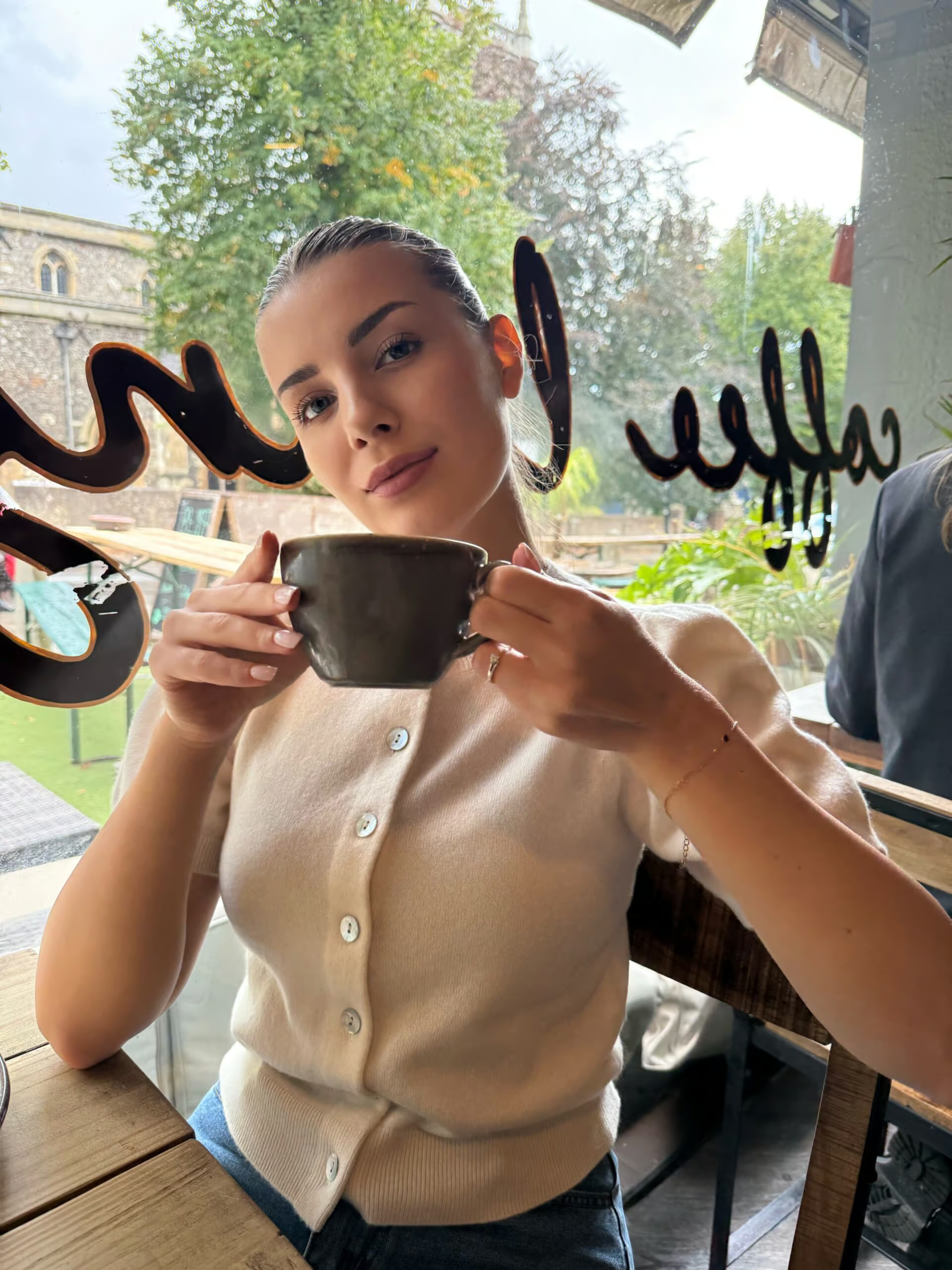
Featured UGC video examples and portfolios
Every format discussed above has finished, published work behind it. Browse real beauty campaigns and adjacent formats before you brief your own.
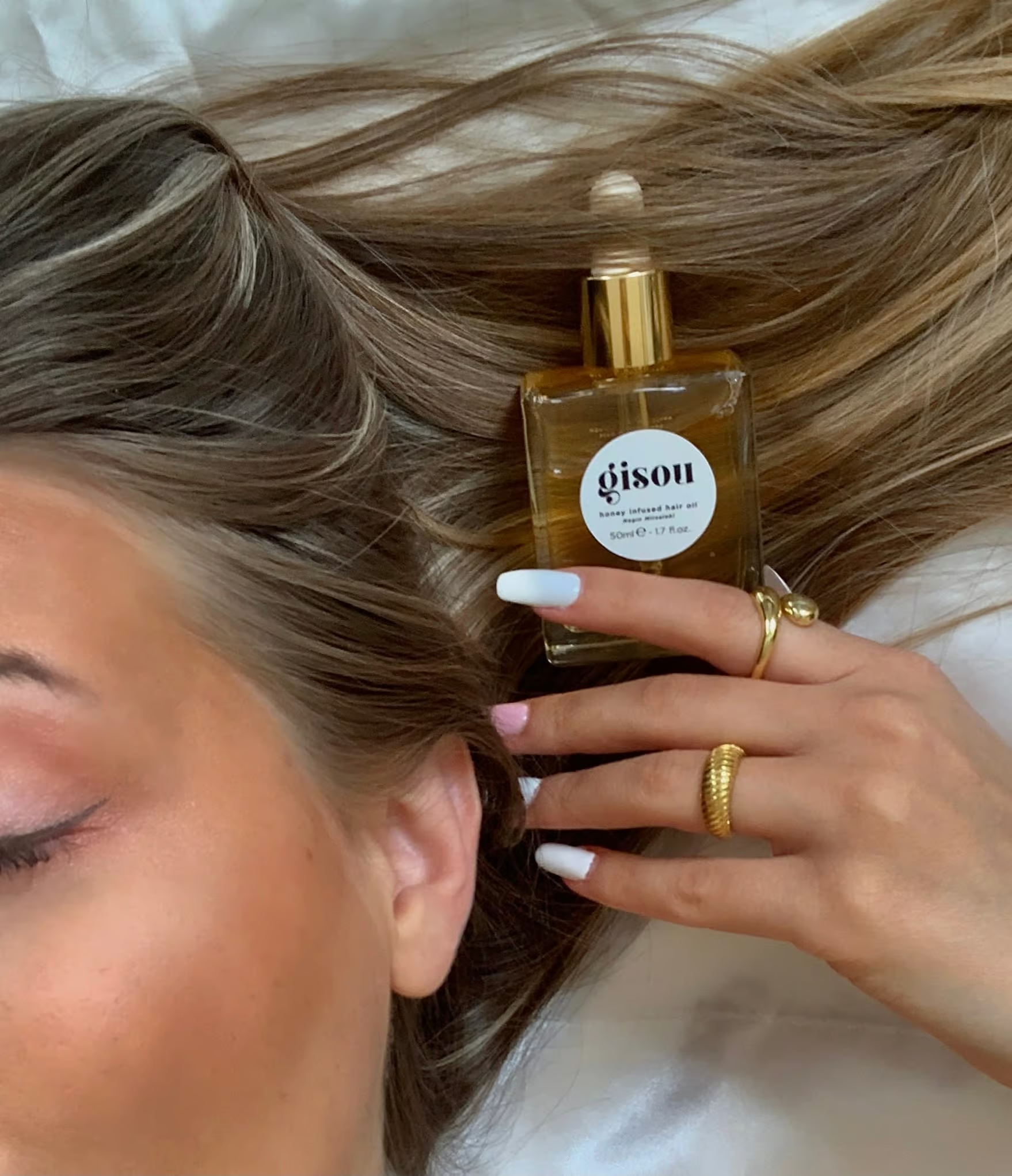
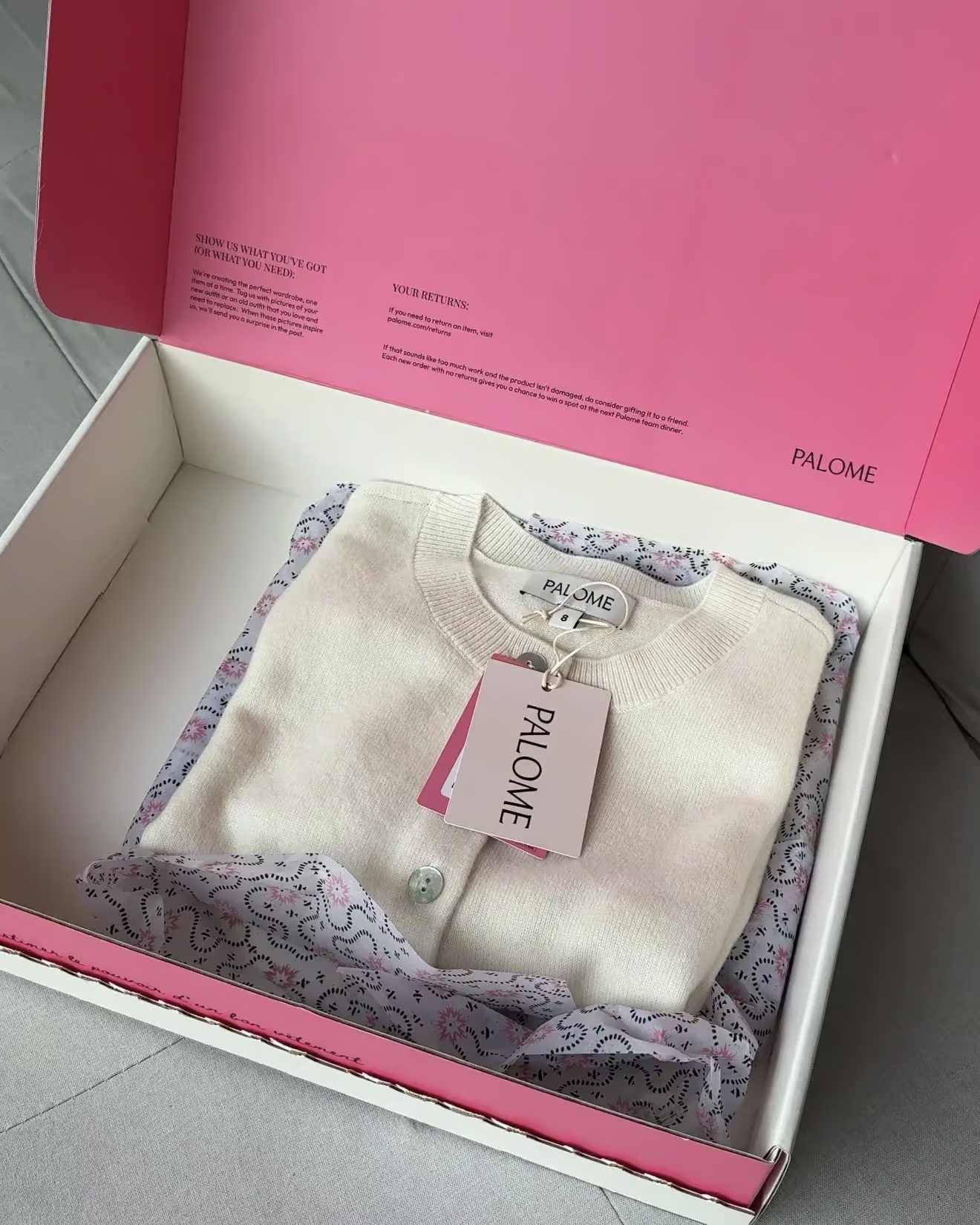
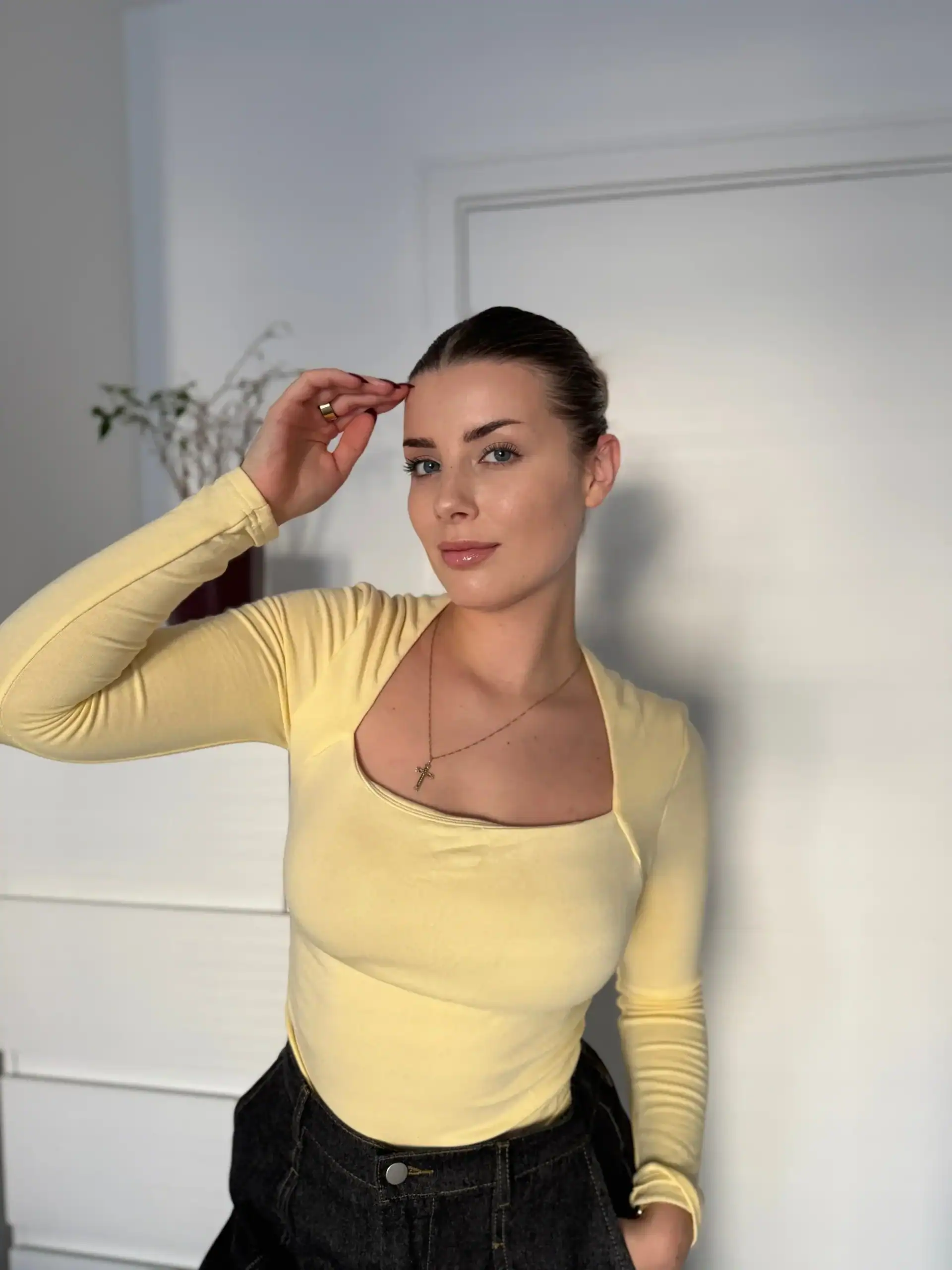
Watch our work on YouTube
Velena Lifestyle
Agency UGC and client showcases, including beauty and skincare content, so you can judge the standard first.
Watch the agency channelVelena and Dragos
Our personal travel and food channel, where the on-camera style started.
Watch Velena and DragosWhat clients say
If you want a self-starter with the ability to think strategically and minimize the time between ideation and creation, Velena is your go-to. She has done a phenomenal job with managing our UGC portfolio, curating and creating our content.
Fantastic service. Been a client for 3 years now and have seen fantastic results, increased viewers, followers and viral videos. Copywriting was on point and has been used in magazines like Conde Nast, Timeout and more.
I have known Velena for many years and she is a great content creator and reliable. I highly recommend her. Looking forward to hiring her again.
Meet the founders
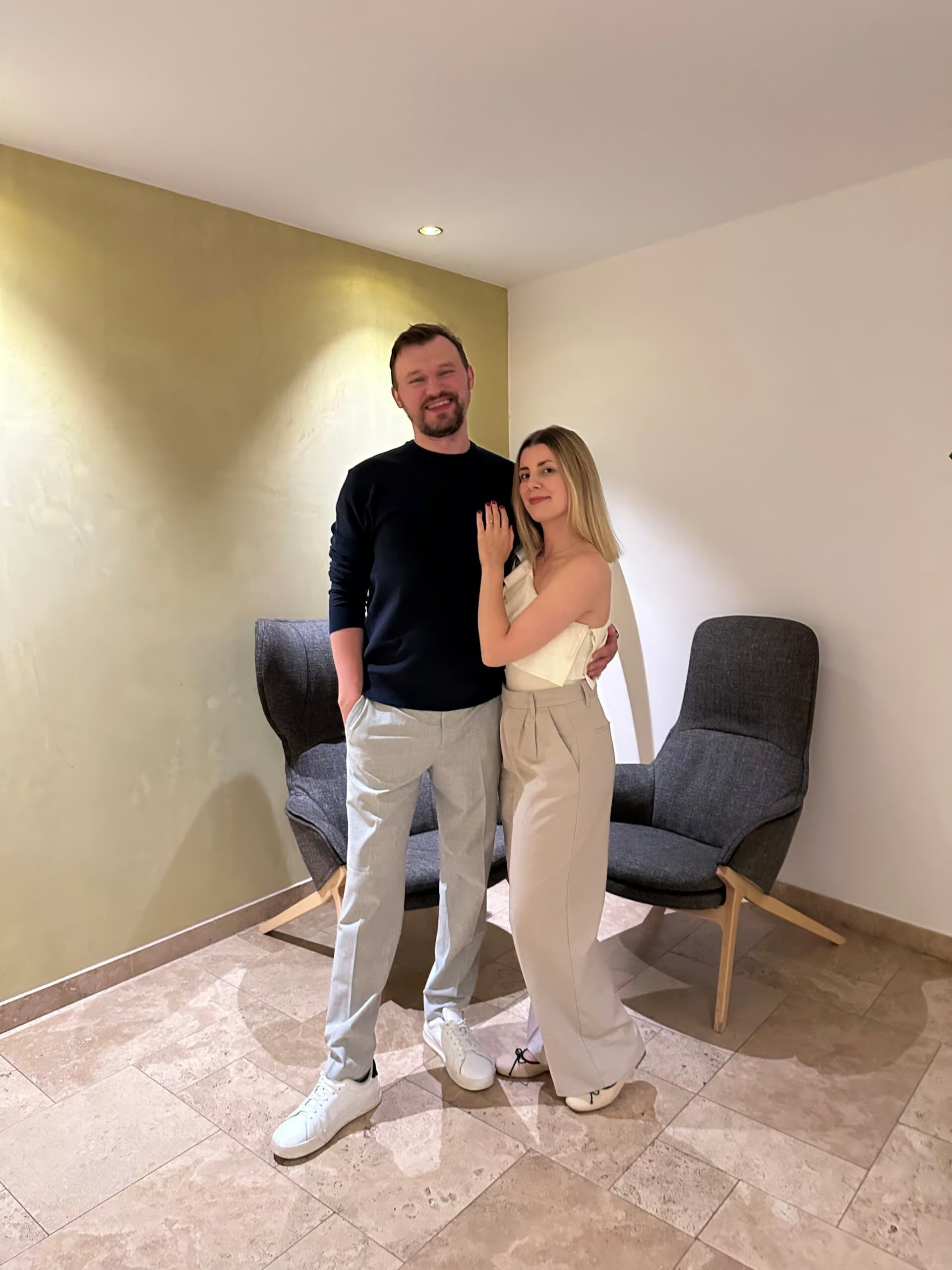
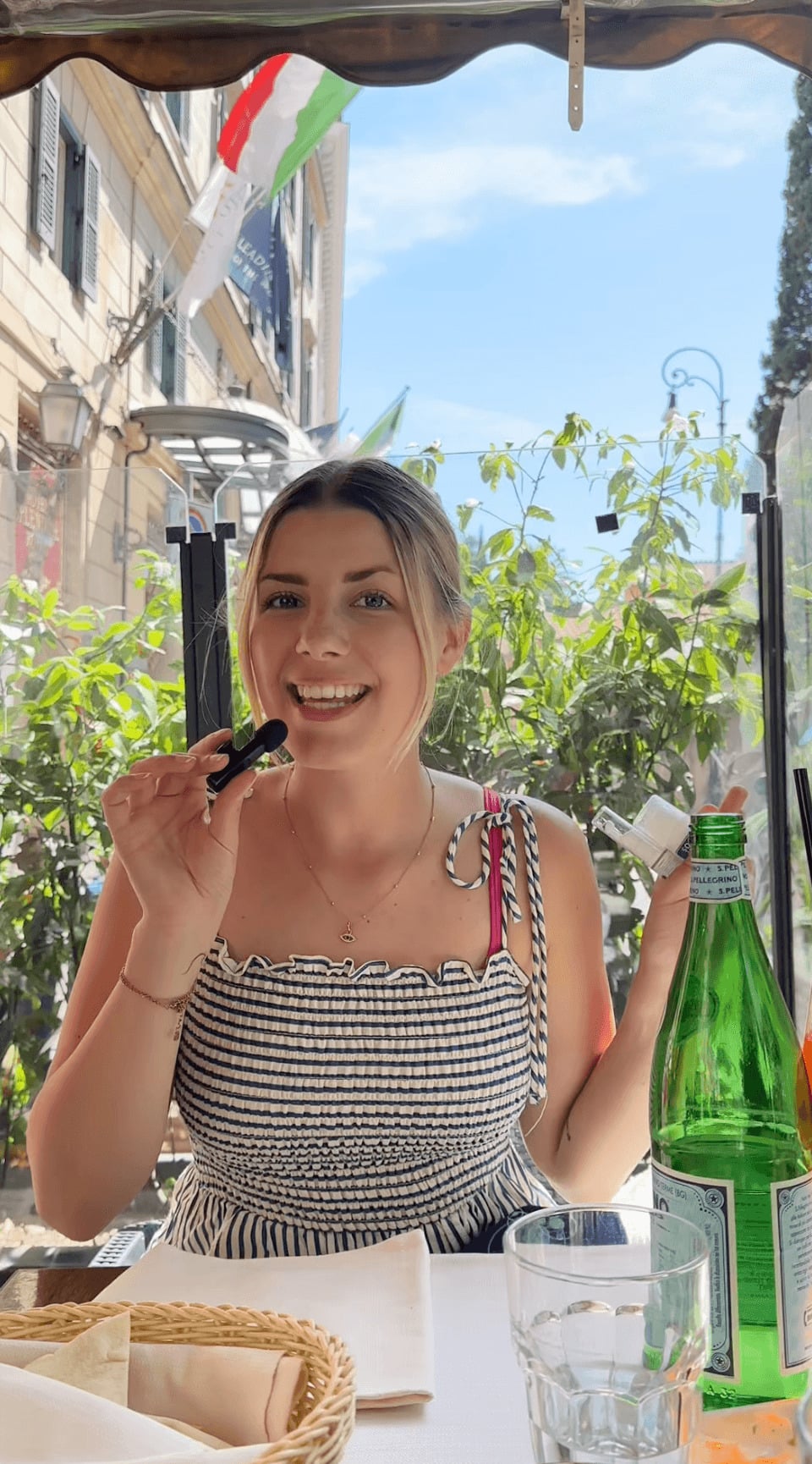
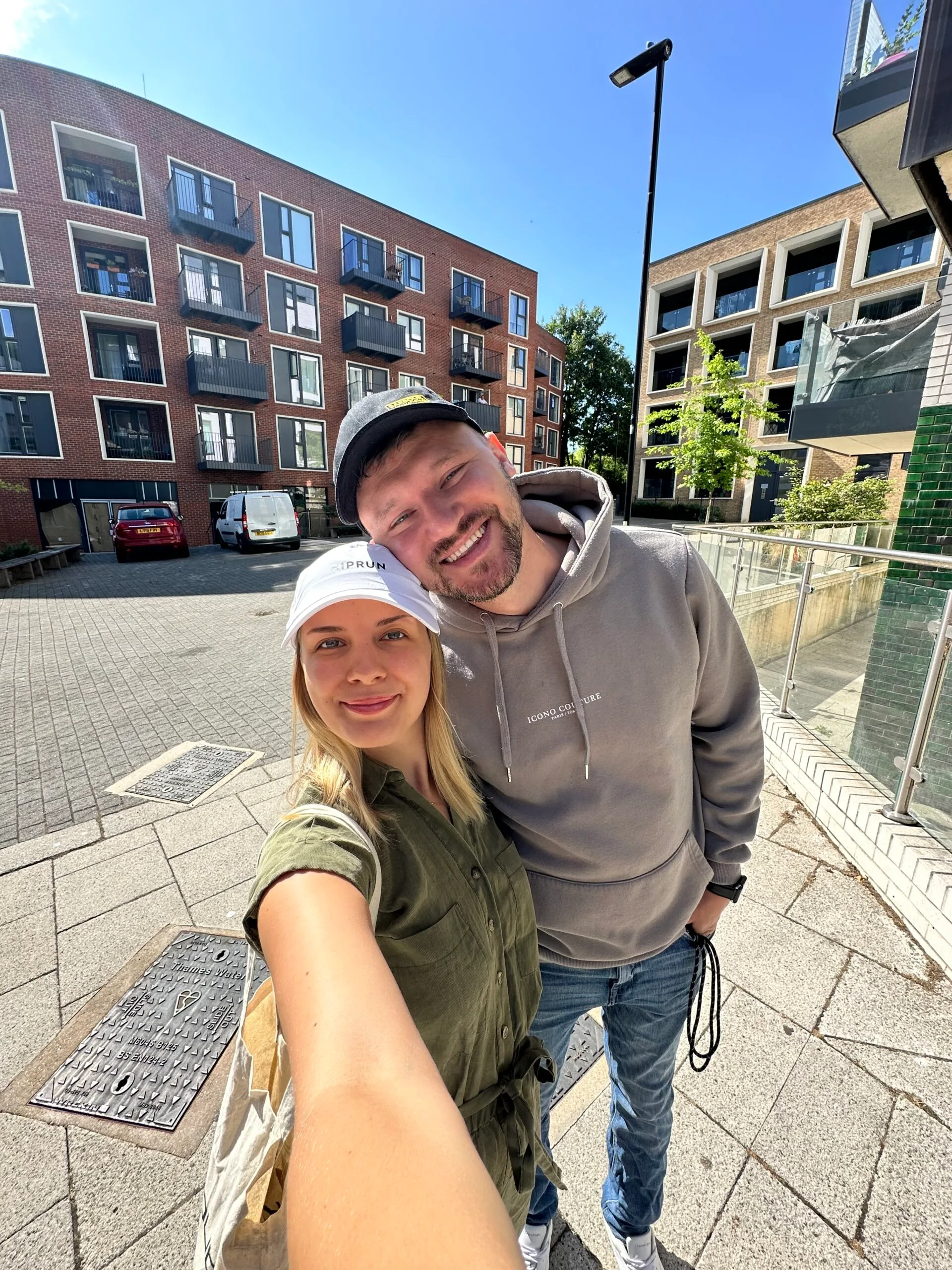
Velena Lifestyle is run by Velena Nikolova, creative director and UGC creator, and Dragos Nistor, who leads business and strategy. We have produced beauty and skincare UGC across dozens of brands, so we know which creators, formats, and hooks actually convert. Based in High Wycombe, Buckinghamshire, we work with UK and international brands.
Beauty UGC FAQs
What is UGC for beauty brands?
Authentic, creator-style video that shows a real person applying, reviewing, or reacting to a skincare or cosmetics product. It answers whether the product will work for someone with the viewer's own skin type or concern.
Does UGC really outperform polished beauty ads?
Beauty content gets the highest hook rate of any category on Meta, and UGC specifically builds the trust that polished studio ads cannot, because it looks like a peer recommendation rather than a brand message.
What UGC formats work best for beauty and skincare?
Before/after transformation, unboxing and first impressions, routine integration, and ingredient callout consistently perform best, because each answers a different part of the buyer's hesitation.
Why does creator selection matter so much in beauty?
The product touches skin, so relevance matters. A creator with a matching skin type or concern is trusted far more than a general lifestyle creator, and diversity across tones and ages keeps campaigns from reading as narrow.
How often should I refresh beauty UGC creative?
Beauty audiences are highly saturated, so creative fatigues faster than in most categories. Performance data shows a two to three week refresh cadence is standard for beauty brands running paid social at scale.
How many beauty UGC creators should I use per campaign?
Three to five creators per product per cycle, across two or three brief variants, gives enough variation to identify what is working before you commit more spend.
What claims can I make in beauty UGC?
Approve claims before the shoot, keep results in the creator's own words rather than scripted lines, and use honest, unedited before/after footage. This keeps content both persuasive and compliant.
How much does beauty UGC cost?
Our beauty and skincare UGC starts from £445 for a premium single video, with a 3-video bundle available. See our UGC rates guide for the wider market context.
Is UGC suitable for premium or high-price-point beauty products?
Yes. Beauty content performs well regardless of price, because the question shifts from awareness to trust. A believable before/after from a creator with the same concern reassures a premium buyer more than polished studio creative.
How is beauty UGC different from a paid influencer post?
Influencer marketing pays for audience reach. UGC is a production model where you own the finished video for your own paid media, and follower count is largely irrelevant to how well it performs.
Do you provide the creators?
Yes. We source, brief, and direct beauty creators matched to your product's skin type and concern, so you never have to find or manage them yourself.
Should I use UGC on product pages as well as ads?
Yes. UGC embedded on product pages provides visual evidence that compensates for the sensory limits of online beauty shopping, and it should sit close to the add-to-cart action rather than further down the page.
How should I plan UGC for a beauty launch?
Unboxing and ingredient callout content work well for new launches. For seasonal campaigns, brief and shoot two to three weeks ahead so assets are ready before demand peaks.

Dragos co-founds Velena Lifestyle and leads its business strategy. A LinkedIn Top Entrepreneurship Voice, he writes about UGC, beauty marketing, and building a modern content agency in the UK.
Related guides
Turn your skincare or beauty line into scroll-stopping video
Tell us the product and the concern it solves. We bring the creators, the brief, and the rights.
Work with us