
What Is UGC? The Complete UK Guide for Brands
User generated content explained in plain English: what it is, what it costs in the UK, who owns it, and when it beats traditional ads.

UGC (user generated content) is content made by real people rather than by a brand's in-house team or a traditional ad agency. In 2026 the term usually means creator UGC: short vertical videos and photos that brands commission from independent creators, then publish on their own channels and in paid ads.
This guide covers everything a UK brand needs before commissioning UGC for the first time: the formats, the realistic costs, the usage rights questions that catch people out, and how to judge a creator or agency before you pay. It is written by the team at Velena Lifestyle, a UK social media and UGC agency based in High Wycombe, featured in Women's Health.
What Is UGC, Exactly?
UGC began as organic content: customers posting about products with no payment involved. Today most UGC that brands use commercially is commissioned. A brand briefs an independent creator, the creator films the product in a natural setting, and the brand receives the finished files to publish wherever the licence allows. The creator usually does not post it on their own account, which is the key difference from influencer marketing.
The style is deliberately native. A UGC video is shot vertically, talks to camera, and feels like a recommendation from a friend rather than an advert. That native feel is exactly why platforms reward it and why audiences watch it to the end.
UGC vs Influencer Marketing: They Are Not the Same Thing
With influencer marketing, you pay for the creator's audience. The content goes out on their channels and you are buying reach and endorsement. With UGC, you pay for the content itself. The files are delivered to you, and you control where they run: your Instagram, your TikTok, your website, your paid ads.
That difference changes the economics completely. Influencer fees scale with follower counts. UGC fees scale with production effort, video length and usage rights, which is why UGC is usually the more affordable and more controllable option for small and mid-sized UK brands. Many brands run both: UGC for a steady supply of ad creative, and influencer partnerships for reach moments like launches. If reach is what you need, our team can advise on the right mix for your budget.

The Main Types of UGC (And When to Use Each)
Most briefs fall into one of these formats. Each links to real examples from our portfolio so you can see the finished style before you commission anything.
Product demo and review
The creator uses the product on camera and talks through it. The workhorse format for beauty and skincare UGC and tech and electronics.
Testimonial
A direct to camera recommendation built around a customer pain point. See our UGC testimonial examples.
Unboxing
First impressions on camera, from package to product. Strong for D2C and gifting. Examples in our unboxing portfolio.
Paid ad creative
UGC cut specifically for Meta and TikTok ad placements, with hooks tested in the first 3 seconds. See UGC paid ad creatives.
Lifestyle in context
The product woven into a day in the life. Common for fashion, wellness and lifestyle brands.
Venue and hospitality
On-location content for hotels, bars and restaurants. See our hotel and restaurant UGC portfolio.
What Does UGC Cost in the UK?
At Velena Lifestyle, UGC packages start from £150 per video, with pricing set by video length (15, 30, 45 or 60 seconds), the tier of production, and the usage rights included. Bundles of 3 videos bring the per-video cost down, which suits brands that need to test multiple hooks in paid ads.
Across the wider UK market, rates vary enormously because creators price by experience, niche and rights. Before you brief anyone, benchmark your budget with our free UGC rate calculator for the UK, then compare it against published package pricing like our beauty and skincare UGC packages. Fixed, published pricing is rare in this market, and it is the fastest way to tell a professional operation from a hobbyist.
See the Work Before You Spend a Pound
Browse finished client videos by industry, with packages and pricing published next to every category.
View the UGC PortfolioWhy UGC Works: The Numbers We See
Audiences in 2026 scroll past polished adverts and stop for people. UGC converts because it carries the social proof of a recommendation while remaining an asset you control. In our own client campaigns, UGC ad creative has delivered up to 4 times higher click-through rates than stock video, which is why paid ad creatives are now our most commissioned UGC format.
The results compound when UGC feeds a managed social presence. Our social media management plans use UGC as the content engine, so the same videos work in organic posts, Reels and paid placements. You can see documented client outcomes on our case studies page.

How a UGC Project Works, Step by Step
Brief
You share the product, audience, key messages and where the content will run. A tight brief is the single biggest predictor of a strong result.
Concept
The creator proposes hooks, scenes and a script outline. You approve before anything is filmed.
Creation
Filming and editing in real settings, shot natively for vertical placements.
Delivery
Finished files delivered digitally with the agreed licence. Revisions handled against the brief.

UGC Usage Rights and Whitelisting Basics
Usage rights are where first-time buyers get caught out. A standard UGC licence covers organic use on your own channels for a defined period. Paid usage, where the video runs as an advert, is a separate right and is usually priced separately. Always confirm in writing which platforms, which placements and for how long.
Whitelisting (also called allowlisting) goes one step further: the brand runs ads through the creator's own account or handle, so the ad appears to come from the creator. It typically commands a premium because the creator is lending their identity, not just their content. If you are running paid social at any scale, ask about whitelisting at the briefing stage rather than after delivery, and make sure the contract names it explicitly.
How to Choose a UGC Creator or Agency in the UK
Three checks separate professionals from the rest. First, a published portfolio organised by industry, so you can judge work in your niche rather than a generic showreel. Second, published pricing, because hidden rates usually mean improvised rates. Third, verifiable client evidence: named clients, real results and reviews you can read, like our client reviews.
Ask who actually creates the content. Some agencies broker briefs out to anonymous creator pools, which makes quality unpredictable. At Velena Lifestyle the content is created by Velena herself, and the strategy is led in-house, so the work you see in the portfolio is the work you get.

About Velena Lifestyle
Velena Lifestyle is a UK social media and UGC agency based in High Wycombe, Buckinghamshire, working with hotels, restaurants, travel and D2C brands across Europe. The agency has been featured in Women's Health, and our clients have earned features in Vogue, Conde Nast and TimeOut through the content we created for them.
We have created content at properties including Ibis Edinburgh, Ibis York and Leitlhof Hotel in San Candido, Italy. Read more about us, or start a project on our contact page.
Pair Your UGC With a Managed Social Plan
UGC performs hardest when someone is publishing, optimising and iterating it every week. Our four social media management plans do exactly that.


UGC: Frequently Asked Questions
Velena Nikolova
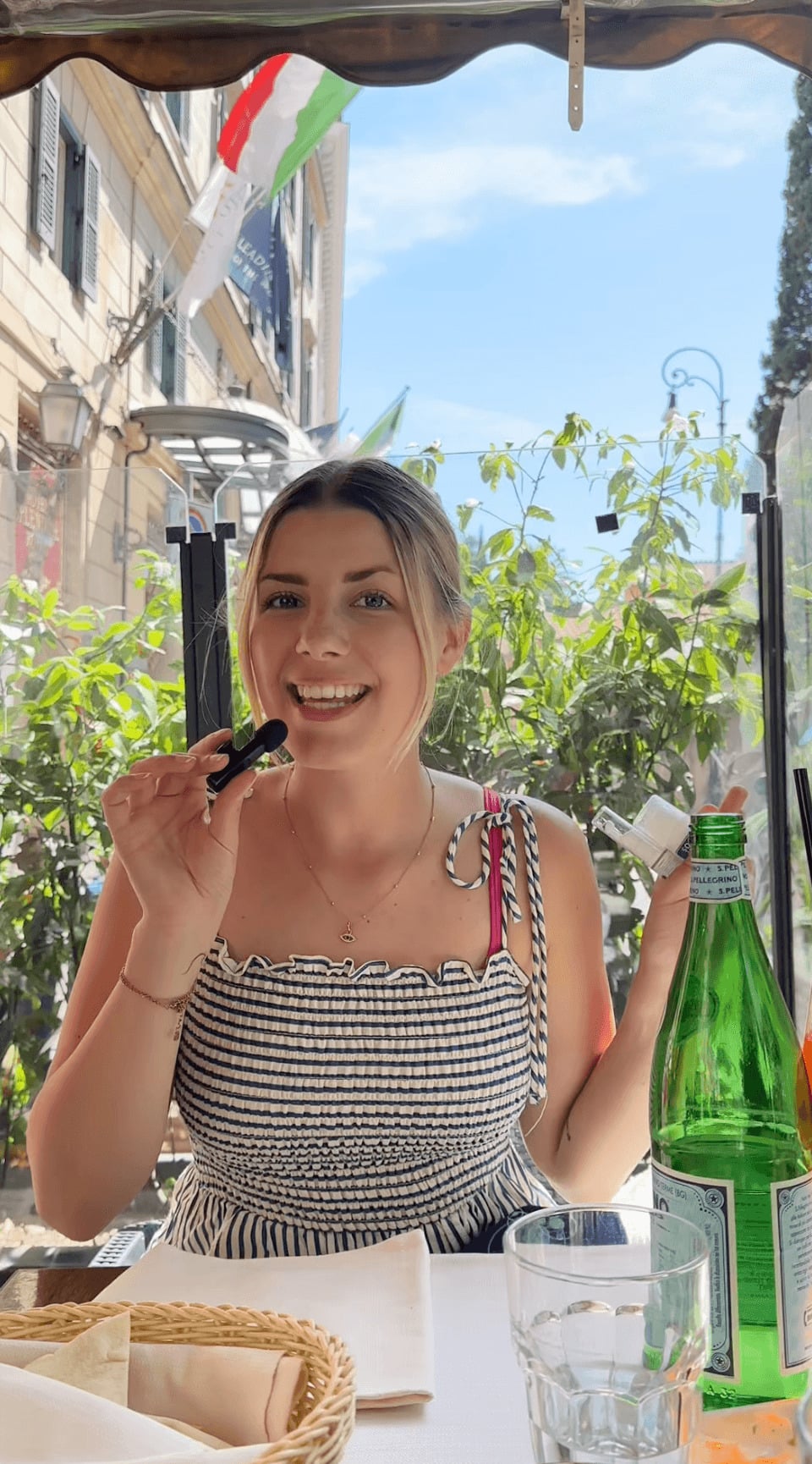
Velena is a UGC creator and influencer with 13K Instagram followers, featured in Women's Health. She creates every video in the Velena Lifestyle portfolio, from beauty and fashion to hotels and travel.

Dragos Nistor
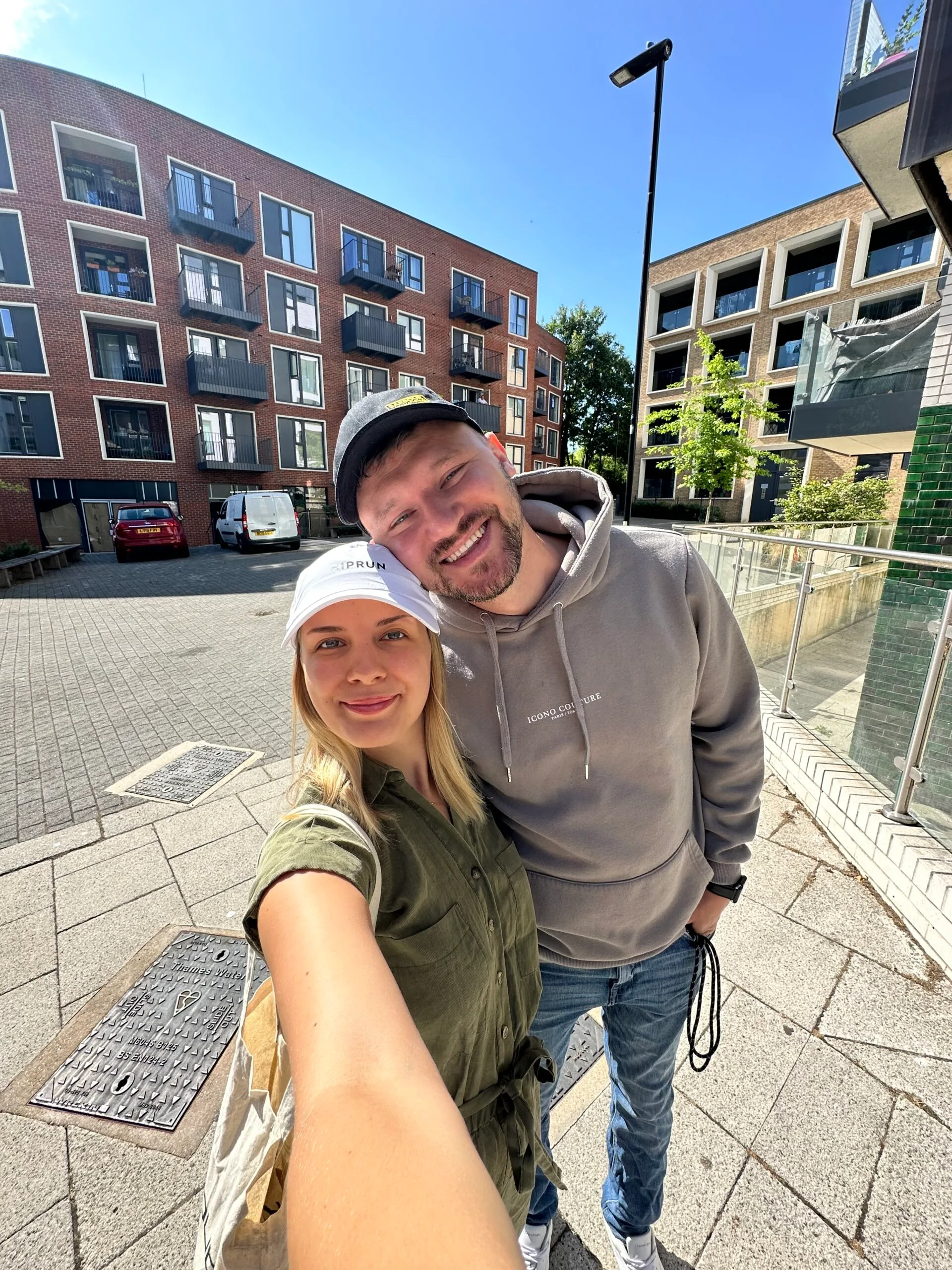
Dragos is a business strategist and LinkedIn consultant with a 25K network, named a LinkedIn Top Entrepreneurship Voice in 2024. He leads strategy across every client engagement. Start a conversation on our contact page.