
- The six main ways to find UGC creators in the UK are UGC platforms, the social platforms' own tools for brands, social search, agencies, your own customers, and communities and referrals.
- Doing it yourself costs less per video but takes your time: sourcing, vetting, briefing, chasing changes and agreeing the rights.
- Vet on finished work, niche fit, quality on camera, reliability and how clearly the creator explains usage rights. Follower count hardly matters.
- Put the deliverables, changes, timeline, payment and usage rights in writing before anything is filmed.
- If you would rather not search at all, an agency whose own team makes the videos removes the whole process.
The short answer: where to find UGC creators
There are six reliable places to look for UGC creators in the UK: UGC platforms built for hiring creators, the tools Instagram and TikTok offer brands, a plain search of the social platforms, agencies, your own happy customers, and creator communities and referrals. Each one trades cost against control and against how much of your time it takes.
The supply has never been larger. Collabstr's 2025 report found the number of UGC creators had risen by 93 percent in a year, and that 66 percent of all the creators on its platform were open to UGC work, up from 26 percent the year before. More choice is good news for a brand, but it also means more people to sift through, and a wider gap between the best and the rest.
Below we cover all six routes, how to vet and brief whoever you choose, what to agree in writing, what it costs and the one shortcut that removes the whole process. If you would rather not run the search at all, you can skip straight to the last option.
One thing to settle before anything else: a UGC creator is not the same as an influencer. A UGC creator makes videos for you to post on your own channels and run in your own adverts. An influencer posts to their own audience. You can hire one person to do both, but you are buying two different things, and the way you search, vet and pay changes with it. Our guide to UGC versus influencer marketing sets out the difference.
Before you search, decide what you need
The biggest time waster in hiring UGC is starting the search before you know what you are looking for. Three decisions up front make everything faster.
- The nicheA creator who already makes beauty content will do better on a skincare brief than a generalist, because they know the format and the language. Look for people already making content in your category.
- The styleA calm, informative explainer or a high energy, fast cut hook? Very few creators do both well. Pick one and look for people who do it naturally.
- The deliverableHow many videos, how many cuts, which platforms and which rights. These decide who fits and what it will cost.
Write each of these down in a sentence and you can brief any creator or agency in minutes, instead of going back and forth for a week. It also makes the search itself faster, because you can rule people out on sight. If you are not sure what kind of video you need yet, our UGC quiz points you to the right one, and what is UGC covers the formats from the start.
It also helps to decide early who you want on camera. A brand selling to mothers of young children, to men over fifty or to students will want a face their buyers recognise as one of them. Age, voice and setting matter more than polish, because the whole point of UGC is that it looks like a real customer talking.
Six ways to find and hire UGC creators

Each route below has its place. Most brands end up using two or three of them, depending on how much control they want and how much time they have.
- UGC platformsWebsites built for hiring creators, such as Collabstr, Billo and JoinBrands, let you search by niche, see rates and pay through the platform, often with payment held until delivery. They are the fastest way to see a lot of profiles in one place. You still vet, brief and manage every creator yourself, and quality varies widely.
- The social platforms' own toolsInstagram opened its tool for brands to find creators to the UK in 2024, as Lindsey Gamble reported. TikTok closed its old creator search tool in April 2025 and moved brand and creator matching into TikTok One, as TechCrunch reported. Both are built mainly for creators who post to their own audience, so check that whoever you find makes UGC for brands too.
- Social searchSearch TikTok and Instagram for people already making content in your niche. Hashtags such as UGC creator and UGC UK are a start; better still, study who makes the style of video you want and contact them directly. You see real, native work before you commit and pay no platform fee, but outreach is slow and many will not reply.
- AgenciesAn agency takes the search off your hands. Some match you with outside creators and manage them for you. Others, like us, have their own team make the videos in house, so the people who plan your content are the people who film it. Either way you get one point of contact and the rights in writing, at a managed price rather than a single creator's rate.
- Your own customersSome of your best creators already buy from you. Invite happy customers to film a video in exchange for a fee or product. It is as real as UGC gets, though you trade control for that realness, quality is uneven and you cannot guarantee output. If you reward them, the reward must be disclosed, a point the next sections cover.
- Communities and referralsCreator groups, professional communities on LinkedIn and recommendations from other brands are a good way to find reliable people who already work professionally. Building those relationships takes time, but the creators you meet this way are often vetted for you.
Whichever route you start with, keep a short list of three to five people rather than chasing one. Availability changes week to week, and a second choice ready to go saves a launch when the first falls through.
Finding creators yourself or using an agency
The routes above fall into two camps: doing it yourself, or having it done for you. Here is how they compare on what actually matters.
If you have the time and want the lowest headline cost, doing it yourself works. If you want a reliable standard without the admin, an agency is the better trade. For the full numbers on both, see our guide to UGC rates in the UK, and for the agency route in detail, how a UGC agency works.
There is a middle way too. Some brands find one creator they trust through the routes above, then keep working with them month after month. That gives you consistency without an agency fee, as long as you are happy to manage the relationship, the briefs and the rights yourself.
How to vet a UGC creator
Whichever route you choose, vet before you hire. These five checks separate a reliable creator from a risky one.
- Portfolio and rangeLook for finished videos in a similar niche and format to what you need. A strong, varied portfolio beats a big follower count every time.
- Niche fitA creator who understands your category will make more believable content. Beauty, tech and food each need a different instinct.
- Quality on cameraCheck clarity, lighting, sound and whether they are natural on camera. These basics decide whether a video looks native or amateur.
- ReliabilityAsk about turnaround, the rounds of changes they include and past deadlines. Reviews and referrals tell you whether they deliver on time.
- Understanding of rightsA professional creator knows the difference between organic and paid usage and prices rights clearly. Vagueness here is a warning sign.
Ask for one or two videos made for real brands, not only personal posts, and if a creator says their content performed well in adverts, ask what the brand measured. The free engagement rate calculator is a quick check on any account you are considering for organic posting. You can see the standard we hold ourselves to across our UGC portfolio, including beauty, apps and software, and testimonials.
Red flags to watch for when hiring
Most bad UGC experiences could have been spotted before any money changed hands. Watch for these warning signs while you vet.
Scams run the other way too. Creators are regularly approached by fake brands, and brands are sometimes approached by people posing as creators with borrowed portfolios. Ask to see the original files or a short call on camera before you pay a deposit. Our article on UGC scams covers the patterns to watch for on both sides.
What to agree in writing before anything is filmed

Even a small job needs a written agreement. It protects both sides and stops arguments about how the content may be used. Five things belong in it, whoever you hire.
- DeliverablesThe number of videos, their length, the formats and the hooks, so there is no doubt what is being delivered.
- ChangesHow many rounds of changes are included, and what a further round costs. A new idea after filming is a new order, not a change.
- TimelineWhen the product arrives, when the first cut is due and when the final files are delivered.
- PaymentThe fee, any deposit, when the balance is paid and whether VAT is added.
- Usage rightsOrganic only, or paid adverts too; for how long, on which platforms, and whether adverts may run from the creator's own account.
Two UK rules matter here. If the creator posts the content on their own account, it is an advert and must be labelled as one: the ASA's influencers' guide sets out how. And since 6 April 2025, the Digital Markets, Competition and Consumers Act 2024 has banned fake reviews and reviews that hide an incentive, as CMS's summary explains. A paid creator video can run as an advert, but it must not be presented as an independent customer review, and a customer you reward for a video must have that reward made clear. The Competition and Markets Authority's fake reviews guidance has the detail.
How to brief a UGC creator
A clear brief is the biggest single driver of good UGC. Whether you hire directly or through an agency, give the creator these six things.
- The goalAwareness, sales or a specific product launch. The goal shapes the hook and the call to action.
- The hookA direction for the first three seconds. This is where most of the performance is won or lost.
- What to say and what to avoidThe claims to include and anything that cannot be said, especially in regulated categories such as health, finance and supplements.
- Format and platformLength, shape and whether it is for TikTok, Reels, Shorts or a product page.
- DeliverablesHow many videos, how many cuts and how many rounds of changes are included.
- Usage rightsOrganic only, or paid adverts too, and for how long. Agree this before work starts.
What you leave out matters as much. Word for word scripts and a rule to say the brand name in the first second make content look produced rather than real. Give direction, then let the creator say it in their own words. Send the product early, too: a creator who has actually used it for a few days says things a script never could.
What UGC creators cost in the UK
Rates follow experience, the deliverable and the rights. These are the UK bands from our UGC Rates Report UK 2026, per video with organic rights.
Paid usage sits on top: typically 20 to 40 percent for 3 to 6 months of adverts, 30 to 50 percent for 12 months, and 100 to 150 percent for perpetual use. Add the extras you need, such as raw footage, more hooks or rush delivery, and remember the hidden costs of doing it yourself: shipping product, your time briefing and chasing, and a reshoot if the first creator falls through.
The free UGC rate calculator prices the video and the rights as separate lines in five questions, so you can see a fair figure before you contact anyone. For the full breakdown, read UGC rates in the UK.
See the standard to look for
Tap a video to play it. There is more on the UGC pages.
The payoff of the right creator
Finding and briefing the right creator is effort, but the return is real. Content made by real people is trusted more than polished brand advertising, and it sells better.
In Nielsen's 2021 Trust in Advertising study, recommendations from people they know were the most trusted channel, at 89 percent. Bazaarvoice reports that UGC lifts conversion by 144 percent, a figure drawn from its own research on shopper reviews, photos and video. To go deeper on why UGC works, read the benefits of UGC, and estimate your payback with the free social media ROI calculator.
Skip the search entirely
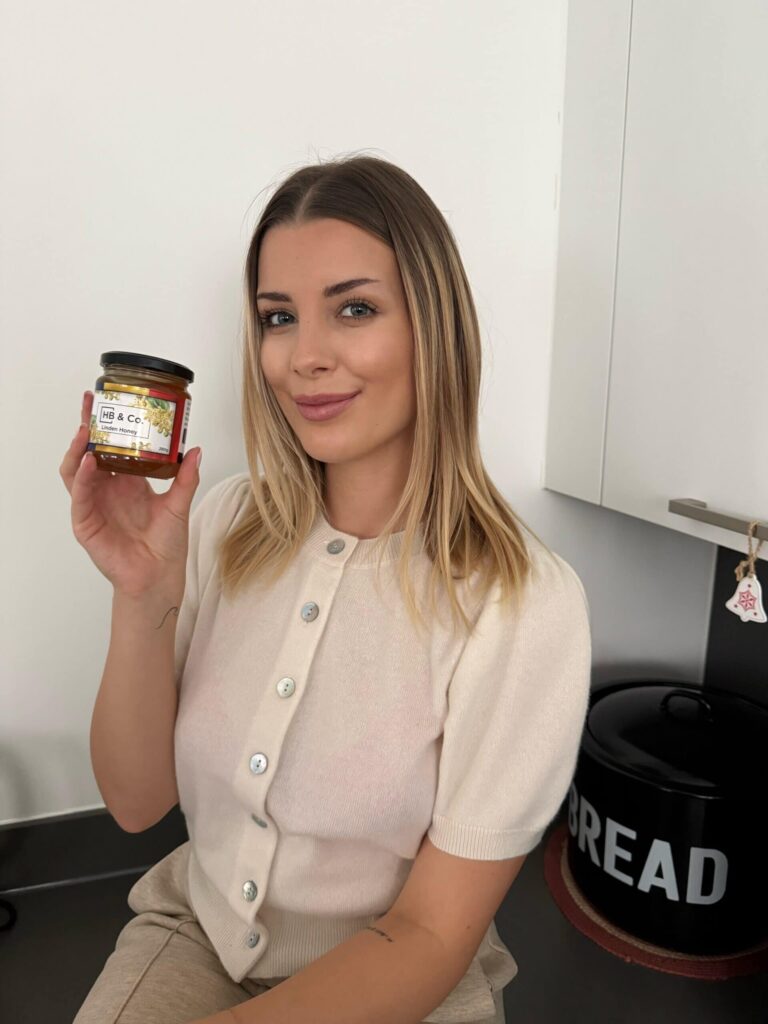
Every route above asks something of you: hours of sourcing, back and forth briefing, chasing changes and agreeing rights. The alternative is to hand the whole thing over. At Velena Lifestyle there is no search, because our own team makes every video in house in High Wycombe. The people who plan your content are the people who film it, with one point of contact from the first brief to the last hand off.
You choose who is on camera: Velena, Dragos, both of them, or nobody, with a voiceover. The price is the same whichever you choose. Every package has its price on the page, nothing is filmed until you have approved the brief and the script, and the rights are set out before you order: Basic carries organic rights, and Standard, Premium and the Bundle add 12 months of paid advert rights on Meta, TikTok and Google.



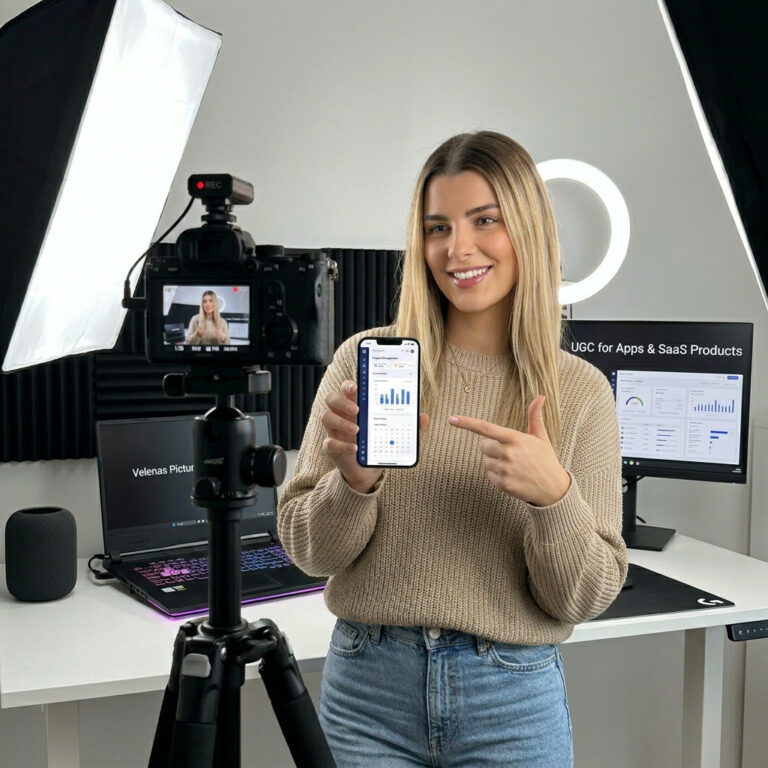
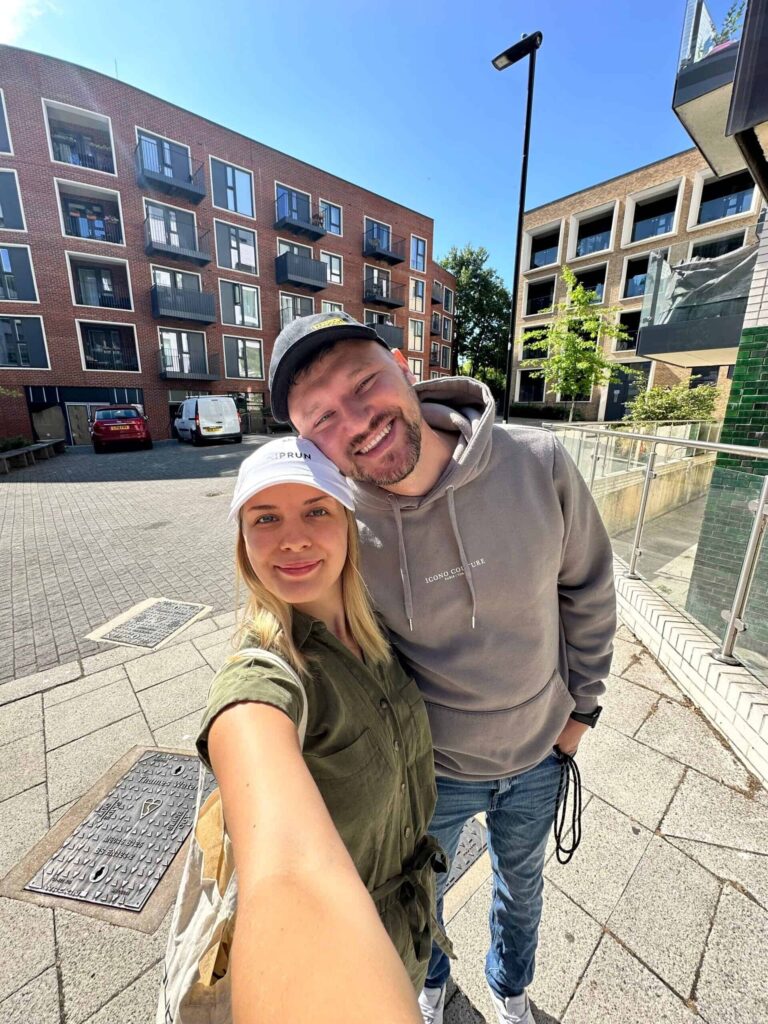
If you want to choose by face first, the women led, men led and couple pages show the work by who is on camera, and the voiceover page shows videos with nobody on screen at all.
Add monthly social media management
Want the content planned, posted and reported on every month once you have it? Our social media management does that, with a strategy behind each post and your comments answered. Every plan runs month to month, with 2 months notice.



Compare every plan side by side on the social media management page.
Finding UGC creators: questions
Where can I find UGC creators in the UK?
The six main routes are UGC platforms such as Collabstr, Billo and JoinBrands, the tools Instagram and TikTok offer brands, a search of TikTok and Instagram, agencies, your own customers, and creator communities and referrals. Each trades cost against how much of your time it takes.
How do I hire a UGC creator?
Shortlist from finished work, agree the brief, deliverables and usage rights in writing, then confirm the timeline and payment. With an agency you brief once and the rest is handled.
How do I vet a UGC creator?
Check their portfolio and niche fit, quality on camera, reliability and reviews, and whether they understand usage rights. Finished work matters far more than follower count.
Do UGC creators need a large following?
No. For UGC you own and run yourself, follower count is almost irrelevant. You are hiring creative skill and the right to use the video, not reach.
How much do UGC creators cost in the UK?
Beginners charge £50 to £150 per video, established creators £150 to £350 and creators with proven ad results £350 to £700 or more, with organic rights. Paid usage rights are added on top.
Should I hire a creator directly or use an agency?
Hiring directly can cost less per video, but you manage everything. An agency costs more per video but removes the sourcing, vetting, briefing and rights admin, and keeps quality consistent.
Can I find UK based UGC creators specifically?
Yes. Filter UGC platforms by location, search UK creator hashtags, or use a UK agency. Our team films in High Wycombe, Buckinghamshire, and works with UK and international brands.
Do you provide the creators?
We do not match you with outside creators. Our own team makes every video in house, and you choose who is on camera: Velena, Dragos, both, or a voiceover with nobody on screen. The price is the same.
How long does it take to find a good UGC creator?
Doing it yourself, allow anything from a few days to a couple of weeks for sourcing, outreach and vetting. Through an agency there is no search, and the delivery time is stated before you order.
Do I need a contract with a UGC creator?
Yes. Even a simple agreement should cover the deliverables, changes, timeline, payment and usage rights. It protects both sides and prevents disputes over how the content may be used.
Can I ask customers to make UGC for a reward?
Yes, but the reward must be clear. Since April 2025, UK law has banned reviews that hide an incentive, so a rewarded customer video must not be presented as an independent review.
- Collabstr, 2025 Influencer Marketing Report
- Velena Lifestyle, UGC Rates Report UK 2026
- Lindsey Gamble, Instagram expands its creator tool to new regions
- TechCrunch, TikTok moves creator matching into TikTok One
- ASA, influencers' guide to making clear that ads are ads
- CMS, the DMCC Act bans fake reviews
- Competition and Markets Authority, fake reviews guidance
- Nielsen, Trust in Advertising 2021
- Bazaarvoice, Shopper Experience Index 2022

A question this article did not answer? Ask our team, and a person will reply.