
UGC for Fashion Brands: Why the Highest-Converting Category Still Struggles to Hook
Apparel gets the best return on ad spend of any category in the data, nearly double the average, but its hook rate lags behind every other sector. Here is how to close that gap with creator video that answers the one question fashion shoppers are really asking.
Brief a fashion UGC project
Key takeaways
- Apparel delivers the highest ROAS of any category measured (4.11 vs 2.41 average), so once a fashion ad hooks, it converts harder than anything else.
- Fashion's hook rate (23.44%) actually sits below the cross-industry average (24.42%), because most fashion ads look like every other fashion ad.
- The gap is a format problem, not a quality problem. Try-on hauls, get-ready-with-me, and styling challenges open a question the viewer stays to answer. Styled lookbook content front-loads the answer and gets scrolled past.
- Creator diversity solves the fit question at scale: each body type, style, and occasion you brief answers it for one more audience segment.
- Velena Lifestyle produces fashion UGC end to end, from creator selection to finished, ad-ready video with usage rights included.
Why fashion converts the hardest but hooks the worst
Fashion has a paradox that no other category shares. Billo's analysis of over 80,000 Meta video ads from H2 2025 found that Apparel and Accessories delivers the highest return on ad spend of any category in the dataset, 4.11 on average, nearly double the cross-industry figure of 2.41. When someone engages with a fashion ad, the path to purchase is shorter and more valuable than in any other vertical measured.
But in the same data, fashion's hook rate, the percentage of viewers who stop scrolling in the first three seconds, sits at 23.44 percent, actually below the cross-industry average of 24.42 percent. For the most inherently visual product category in ecommerce, that underperformance at the opening is striking.
The two numbers together tell you exactly where the opportunity is. Fashion does not have a conversion problem. It has a sameness problem at the opening. Most fashion ads look like every other fashion ad: a model or creator wearing an outfit, walking, posing, maybe a quick cut between angles. The products may be beautiful. But the visual language has become so predictable that the viewer's pattern recognition fires immediately, "this is a clothes ad," and the scroll continues before the creative gets a chance. The categories with the highest hook rates, like Health and Beauty at 28.34 percent, share a different trait: their content creates immediate curiosity or visual tension. Fashion needs to learn from that, and user-generated content is the format that makes it possible.
What the data says about fashion UGC
The case for UGC in fashion rests on hard numbers, not just a general preference for authenticity.
The seasonal pattern adds strategic detail. November peaks on both hook rate and click-through as the audience enters party and winter wardrobe mode, because purchase intent is running high independent of the creative. September is the single worst month for hook rates: the audience is mentally post-summer but the autumn creative has not landed yet. Brands that brief creators in September for November deployment consistently outperform those who scramble at the peak.
The fit question: the one thing fashion shoppers need answered
Fashion's core conversion question is not "do I like this product?" Viewers can answer that from a product page. The question they are actually asking in a video ad is: "will this look good on me?"
It is an identity question, and it is one that polished studio content structurally cannot answer. A model wearing a dress is showing you the product, not showing you yourself in the product. The mental translation required, does this translate to my height, my shape, my colouring, my lifestyle, is work the viewer has to do alone. Most viewers do not do it. They keep scrolling.
Authentic creator UGC answers the question directly, without the viewer having to do any translation. A creator who shares a similar body type, a similar style sensibility, a similar occasion they are dressing for: their try-on is not aspirational advertising, it is evidence. The viewer does not have to imagine themselves in the product. They are watching someone like them in the product.
This is why diversity of creator profiles matters more in fashion than in almost any other category. Each creator you brief represents a specific segment of your audience's self-image. A tall creator with a lean frame is answering the fit question for one audience. A petite creator or one with a curvier silhouette is answering it for a completely different one. Brands that brief only creators who look like the standard model body are leaving most of their audience's conversion question unanswered.
5 UGC formats that convert for fashion
The hook problem is a format problem. These five formats open a question the viewer has to stay to answer, which is the opposite of what a styled lookbook shot does.
1. Try-on haul
The most direct answer to the fit question. A creator trying on multiple pieces from the same brand, reacting genuinely to how each fits, commenting on sizing, proportion, and whether it runs true, is doing more conversion work than any product description. Viewers with similar bodies calibrate their own purchase decision in real time while watching. Haul content also creates cross-sell opportunity naturally: a creator who tries five items and loves three is already surfacing product combinations the viewer might not have considered.
2. Get ready with me
GRWM content places the brand in a real-life context: a date, a work event, a trip, a night out. The power of the format is that it answers a question beyond "does this fit?" It answers "when would I actually wear this?" The viewer watching a creator build an outfit for a situation they recognise is having their purchase objection answered without being asked. Brief this format with a specific occasion: "get ready for a first dinner date" produces more conversion-oriented content than "get ready for a night out," because the specific scenario creates more audience identification.
3. Styling challenge
One item styled three different ways, casual, smart-casual, dressed up, is one of the highest-value formats for fashion because it solves the versatility objection. Most fashion purchase hesitations include "but I would only wear it once." Seeing a creator style the same piece across occasions removes that objection in 60 seconds.
4. Outfit of the day with context
What I wore to run errands. Date night outfit under a hundred pounds. What I packed for a long weekend. Outfit-of-the-day content with real context performs well because the context creates audience fit. The viewer who has the same errands, the same budget, the same weekend trip already sees themselves in the content before they have consciously decided to engage.
5. Unboxing and first impression
The moment the parcel opens and the creator holds the garment up, reacts to the fabric, and tries it on is the closest thing to a physical-store experience that online fashion can offer. This format is especially strong for launches and for brands that invest in premium packaging, because the unboxing ritual itself becomes part of the story.
Watch real fashion UGC examples
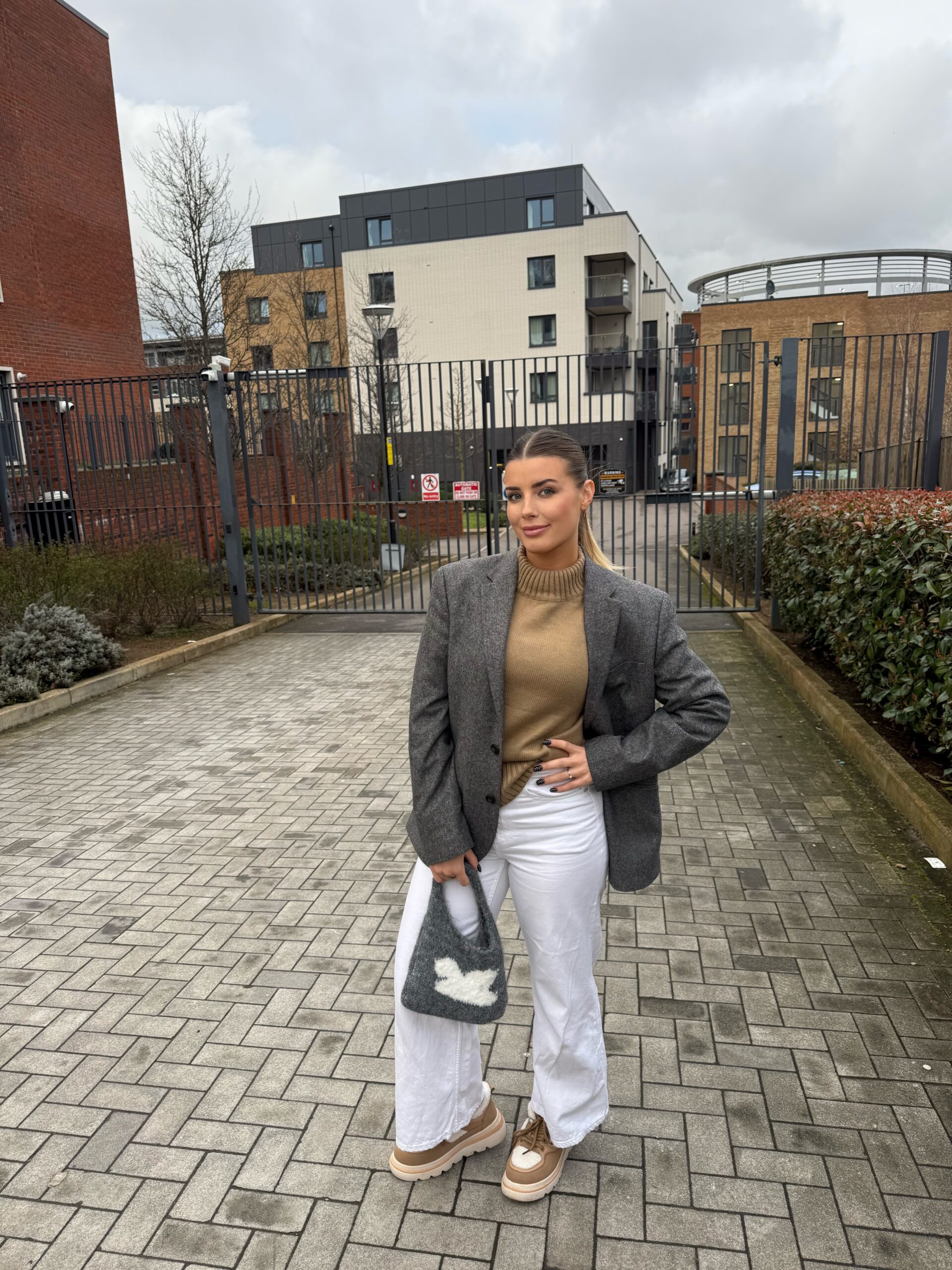
These are two finished videos from our fashion and clothing portfolio, showing these formats in practice.
How to brief fashion creators without killing authenticity
Apparel briefs have a specific tension: too much direction produces stiff, over-produced content that loses the authenticity that makes UGC work. Too little direction produces content that misses the brand's aesthetic and cannot be used. The solution is to brief the context, not the execution.
| Include in the brief | Leave out of the brief |
|---|---|
| Occasion context | Shot lists or specific camera angles |
| Aesthetic guardrails (clean, well-lit) | Scripted lines or word-for-word copy |
| A do-not list (no competitor names) | Forced brand-name placement in opening |
| The format and occasion | Requirements to film in a specific location |
For a try-on haul, a good brief reads like this: "Choose three to five pieces from the new collection. Try them on naturally. Tell us how they fit, your honest reaction to each, and which you would actually wear and when. We want your real take, not a script." The brief's job is to give direction, not to script the authenticity out of the video. For more on finding and briefing the right creators, see our guide on how to find UGC creators in the UK.
Why body diversity is a performance lever, not just an ethical choice
In fashion, creator diversity is a direct performance variable because the fit question is the conversion question. A brand that shows only one body type in its creator pool is answering the fit question for only one segment of its audience. Everyone else has to do the mental translation themselves, and most will not bother.
The practical approach is to brief four to six creators per product line per campaign cycle, across at least three different body types, heights, and style sensibilities. This is the minimum to distinguish a hook problem from a creator-fit problem from a format problem, and it ensures you are answering the fit question for enough of your audience to see real results.
Diversity here is not a quota exercise. It is the mechanism by which UGC works in fashion specifically. A petite creator styling the same jacket as a tall one is producing a completely different piece of evidence for a completely different buyer. Both are needed.
How fashion UGC reduces returns
Returns are one of the most expensive problems in fashion ecommerce. A customer who buys based on a studio image and receives a garment that fits differently from what they imagined sends it back, costing the brand the shipping, the restock, and often the sale entirely.
UGC reduces returns at the margin because it closes the expectation gap before the purchase. A buyer who has watched a creator with a similar body type try on the same garment forms a more accurate expectation of how it will fit, drape, and move. That accuracy means fewer orders come back disappointed. The effect is strongest when the content is specific about sizing: "I normally wear a 12 and this runs a size large, so I went with a 10" is more valuable to the buyer than any size chart.
Product pages with customer content, including photos, try-on videos, and sizing commentary, consistently outperform pages without it, with apparel showing some of the strongest conversion lifts because fit is so hard to judge from studio shots alone. If you are running UGC for paid social but not embedding it on product pages, you are missing the return-reduction and conversion benefit at the exact point of purchase.
Timing your fashion UGC by season
Apparel has the most pronounced seasonal pattern of any category in the performance data. Planning around it, rather than reacting to it, is what separates brands that catch the wave from brands that scramble behind it.
November: the peak
Hook rate and click-through both peak in November as the audience enters party and winter wardrobe mode. Purchase intent runs high independent of the creative, which means strong creative at this moment converts at the ceiling. To have strong November creative running, briefs need to go out in September, exactly when apparel hook rates are at their lowest and the temptation is to hold back spend.
September: the trough
The single worst month for hook rates. The audience is mentally post-summer but the autumn creative has not clicked in yet. Brands that brief the seasonal pivot content in July, a "first-day-back outfit" or "autumn wardrobe edit," are the ones that soften the September dip rather than letting it become a three-week gap in the creative pipeline.
July and August: the ROAS sweet spot
ROAS averaged 4.77 in July and August before declining through Q4 as brands scale aggressively. For brands with summer-weight product, this window is the most efficient time to spend.
The rule
Brief six to eight weeks before your seasonal peak, not at it. September briefs for November deployment. July briefs for autumn transition. This lead time is the system that keeps fresh creative running before the audience peaks, rather than after.
UGC vs lookbook and campaign content
Most fashion brands already run polished lookbooks and campaign shoots. Those still matter, but they solve a different problem from UGC.
| UGC | Lookbook or campaign shoot | |
|---|---|---|
| Feels like | A peer showing you how it fits on them | A brand showing you the product at its best |
| Best at | Trust, hook rate, ad performance, fit proof | Brand world, editorial aesthetic, press |
| Cost per asset | Low, from £130 | High, studio and crew costs |
| Speed and volume | Fast, many variations to test and refresh | Slow, typically one seasonal shoot |
| Where it wins | Paid social, product pages, retargeting | Website hero, editorial, wholesale |
The strongest fashion brands run both: a lookbook for the brand world and a steady stream of UGC to feed paid social, answer the fit question, and refresh creative before fatigue sets in. If you are choosing where to spend first, UGC gives you more testable assets per pound and a direct answer to the fit question that lookbook content structurally cannot solve. For the numbers on what this costs, see our UGC rates guide.
Common mistakes fashion brands make with UGC
Briefing only one body type
A single creator profile answers the fit question for one audience segment and leaves the rest unanswered. Brief across body types, heights, and style sensibilities, or accept a narrower reach than the product deserves.
Opening every ad the same way
If every video starts with someone looking good in clothes, you are contributing to the sameness problem that keeps fashion's hook rate below average. Open with a question, a concern, or a visual surprise instead.
Over-scripting the creator
The moment a fashion creator reads from a script, the content looks like a brand ad in creator clothing. Brief the context and the format, then let the creator react naturally. The authenticity is the point.
Running one hero video instead of a batch
A single video gives you nothing to test and it will fatigue within weeks. A batch of four to six creators across three format variants is the minimum to identify what is working before you scale.
Ignoring the product page
Many fashion brands invest in UGC for ads but never bring it back to the product page, missing the conversion lift and the return-reduction benefit it offers at the exact point of purchase decision.
Fashion UGC beyond ads: the product page
Paid social gets most of the attention when brands think about UGC, but the product page is where the purchase decision actually happens. Fashion product pages with customer content, try-on videos, sizing commentary, and real photos, consistently outperform pages with studio shots alone. The conversion lift is well documented, and apparel shows some of the strongest effects of any category because fit is so hard to judge from professional photography.
The most effective placement is close to the add-to-cart action, not buried in a reviews tab further down. A short try-on clip or a carousel of customer photos visible without scrolling past the fold gives the buyer proof at the exact moment they are deciding. If the content includes specific sizing commentary, such as "I normally wear a 10 and this runs true to size," it does double duty: it increases purchase confidence and it reduces the likelihood of a return, because the buyer's expectation is now anchored to real-world fit information rather than a model shot.
One practical tip: tag or organise product-page UGC by body type or size where possible, so a browser can quickly find someone like them. That self-selection step is the closest thing to a fitting-room experience that ecommerce can offer, and it is measurably more persuasive than showing the same three photos to everyone regardless of who they are.
How to measure fashion UGC performance
The metric where fashion underperforms. Track it per video to learn which formats and openings break through. If a new format lifts hook rate even a percentage point, the downstream ROAS impact is large because fashion's conversion rate is already so strong.
Fashion's benchmark is 4.11. Track ROAS per creator and per format so you can double down on winners and retire the rest. July and August averaged 4.77, so use those months for efficiency if your product fits.
Track whether product pages with UGC (try-on videos, sizing commentary) show a lower return rate than pages without. The expectation gap that causes returns is exactly what specific, fit-focused UGC closes.
Track how many weeks a piece of creative holds before ROAS starts sliding. Fashion fatigues faster than most categories because the audience is saturated. Brief the next batch before the current one drops, not after.
Set a baseline before you start, then compare. Estimate production budget with our free UGC rate calculator, and model the payback with the social media ROI calculator.
How we produce fashion UGC
At Velena Lifestyle we treat fashion UGC as a performance asset built around the fit question. We select creators for body-type and style-sensibility match, not follower count, and we brief the context and occasion rather than scripting the content. We produce platform-ready cuts with the pacing each channel needs, and deliver with organic rights included and a 12-month paid media licence so you can run the winners as ads without paying again.
Because we handle sourcing, briefing, and direction, you approve a concept rather than manage a creator. We also keep a running view of how each piece of creative is performing, so a batch that starts strong but fatigues gets refreshed before it drags down your account average.
You can order set packages such as paid ads creative and testimonial UGC, or send a custom fashion brief through the UGC agency page. Browse finished work in the UGC portfolio, and learn more about UGC with our What Is UGC guide or the benefits of UGC article.
Add monthly social media management
Once you have the videos, keep the channel moving. Add social media management to have your content planned, posted, and reported on every month. Four tiers, clear pricing, no long lock-in.

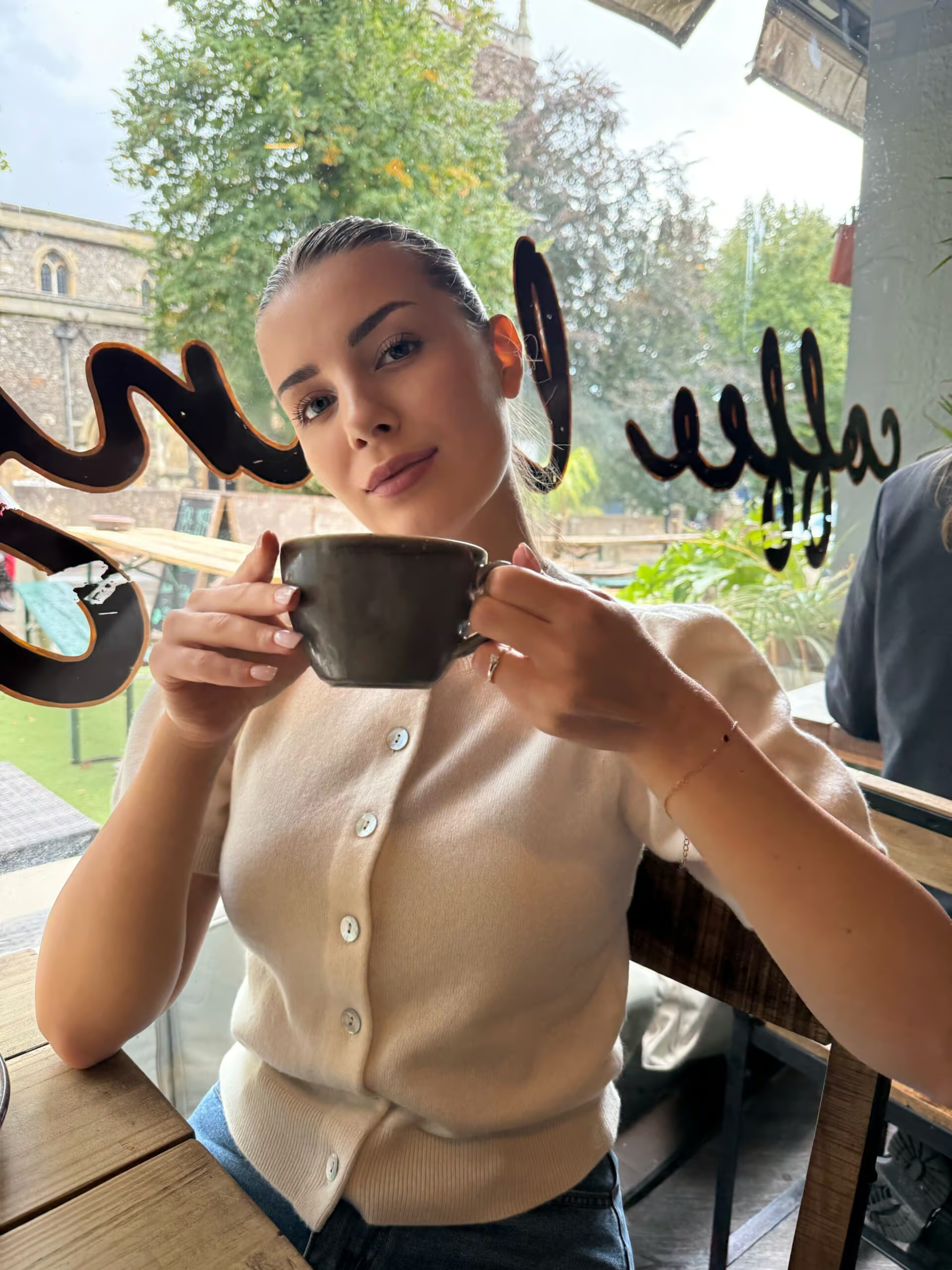
Featured UGC video examples and portfolios
Every format discussed above has finished, published work behind it. Browse real fashion campaigns and adjacent formats before you brief your own.
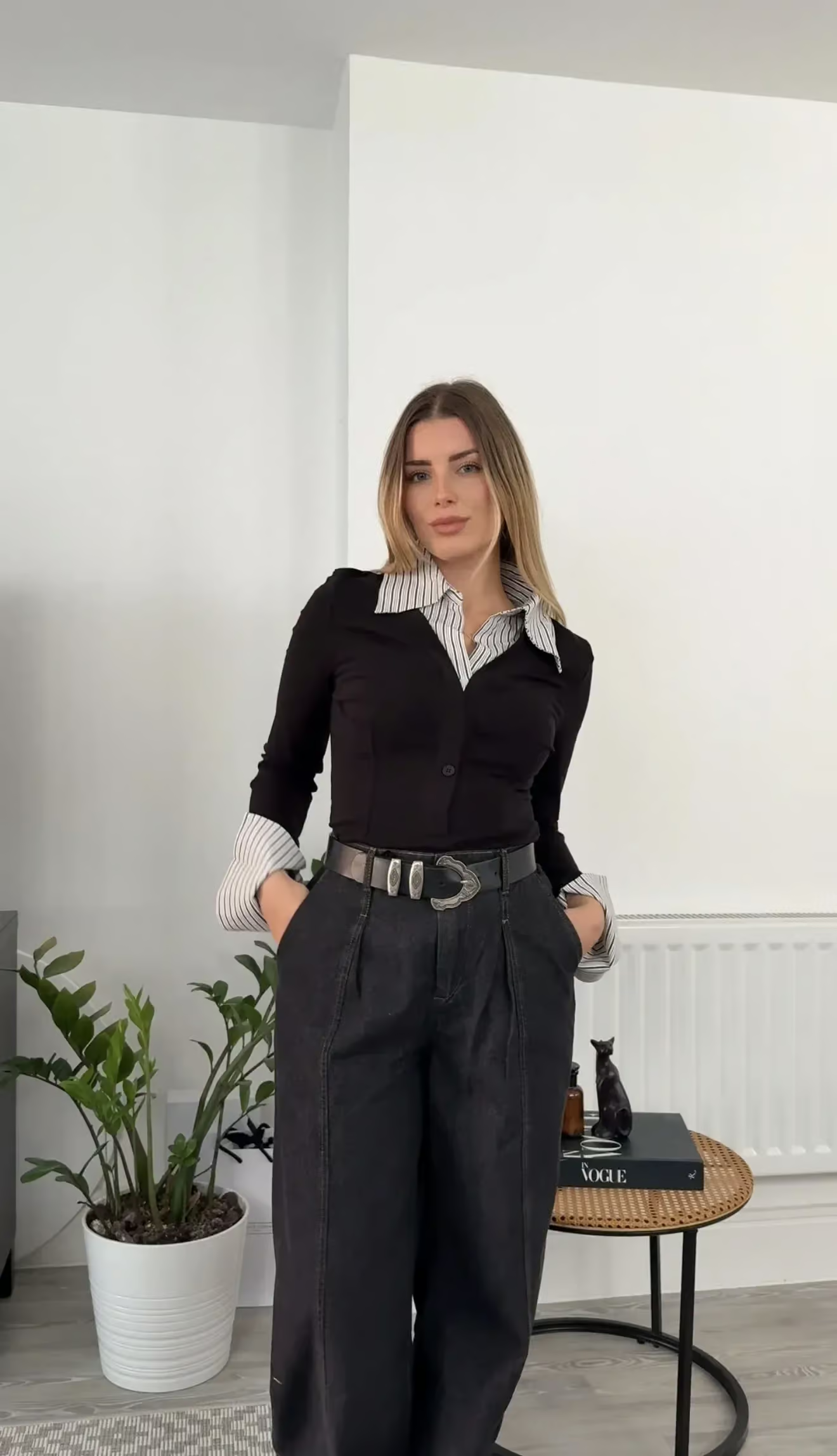

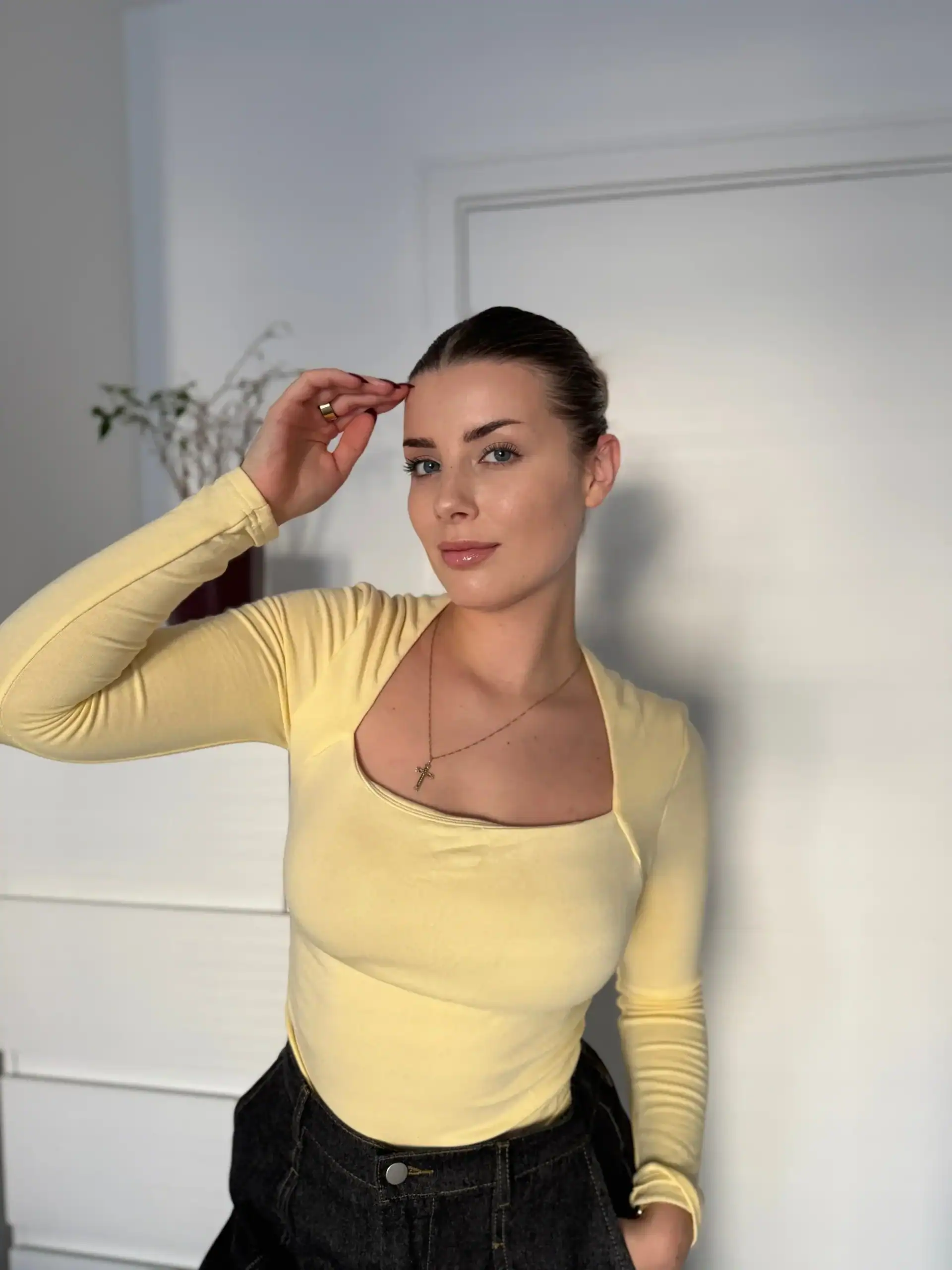
Watch our work on YouTube
Velena Lifestyle
Agency UGC and client showcases, including fashion content, so you can judge the standard first.
Watch the agency channelVelena and Dragos
Our personal travel and food channel, where the on-camera style started.
Watch Velena and DragosWhat clients say
If you want a self-starter with the ability to think strategically and minimize the time between ideation and creation, Velena is your go-to. She has done a phenomenal job with managing our UGC portfolio, curating and creating our content.
Fantastic service. Been a client for 3 years now and have seen fantastic results, increased viewers, followers and viral videos. Copywriting was on point and has been used in magazines like Conde Nast, Timeout and more.
I have known Velena for many years and she is a great content creator and reliable. I highly recommend her. Looking forward to hiring her again.
Meet the founders

Velena Lifestyle is run by Velena Nikolova, creative director and UGC creator, and Dragos Nistor, who leads business and strategy. We have produced UGC across fashion, beauty, food, wellness, hospitality, and SaaS, so we know which formats and hooks convert by category. Based in High Wycombe, Buckinghamshire, we work with UK and international brands.
Fashion UGC FAQs
What is UGC for fashion brands?
Authentic, creator-style video that shows real people wearing, trying on, and styling your clothing, made for you to run in ads, on product pages, and across your social channels. It answers the question polished studio content cannot: will this look good on someone like me?
Does UGC really outperform lookbook content for fashion ads?
On paid social, yes. Apparel delivers the highest ROAS of any category (4.11 vs 2.41 average), but its hook rate lags because most fashion ads look the same. UGC formats that open a question, like try-on hauls and styling challenges, break through the sameness and earn the hook that lookbook content misses.
What UGC formats work best for fashion?
Try-on hauls, get-ready-with-me, styling challenges, outfit-of-the-day with context, and unboxing. Each answers a different buyer objection: fit, occasion, versatility, lifestyle match, and first impression.
Why does creator diversity matter so much in fashion?
Because the fit question is the conversion question, and it is a different question for every body type. Each creator profile you brief answers it for one audience segment. Brief only one type and you leave most of your potential buyers unanswered.
How does UGC reduce fashion returns?
A buyer who watches a creator with a similar body type try on the same garment forms a more accurate expectation of fit. Fewer orders come back disappointed, which reduces return volume and the cost that comes with it.
When should I brief seasonal fashion UGC?
Six to eight weeks before your peak. September briefs for November deployment, July briefs for the autumn transition. The brands that brief in the trough consistently outperform those that scramble at the peak.
How many creators do I need for a fashion UGC campaign?
Four to six per product line per cycle, across at least three format variants. Below that, you do not have enough diversity to distinguish a hook problem from a creator-fit problem, and you are answering the fit question for fewer audience segments than you should be.
How much does fashion UGC cost?
Our UGC videos start from £130, with the final price set by length, format, and usage rights. A batch lowers the effective cost per video and gives you more hooks to test. See the full breakdown in our UGC rates guide.
Can I use fashion UGC on product pages as well as ads?
Yes, and you should. Product pages with customer try-on videos, sizing commentary, and real photos convert significantly better than pages with studio shots alone, and they also help reduce returns by closing the expectation gap before purchase.
Should I use UGC for a new product launch?
Yes. Unboxing and first-impression content works especially well for launches because it mirrors the exact experience a new customer is about to have, and it builds the initial layer of social proof before organic reviews accumulate.
Do you provide the fashion creators?
Yes. As an agency we source, brief, and direct creators matched to your brand's body-type and style requirements, so you never have to find or manage them yourself.

Dragos co-founds Velena Lifestyle and leads its business strategy. A LinkedIn Top Entrepreneurship Voice, he writes about UGC, fashion marketing, and building a modern content agency in the UK.
Related guides
Turn your fashion line into scroll-stopping video
Tell us the collection and the audience. We bring the creators, the brief, and the rights.
Work with us