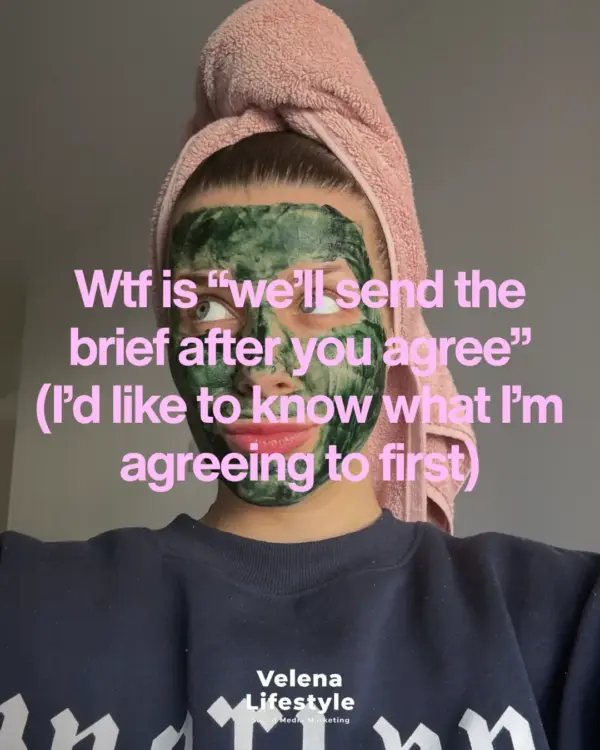

- UGC scams come in three kinds: brands that take the work and never pay, impostors posing as brands, and offers built to take your money or your accounts.
- The clearest warning signs are urgency, a request to download a file or log in through a link, a request to pay first, and no written brief.
- Agree the fee, the deadline, the usage and the payment date in writing before you film, and send watermarked previews until you are paid.
- Copyright in your video stays with you unless you assign it in writing, so a brand that has not paid has no licence to use it.
- Report fraud to Report Fraud, suspicious emails to [email protected] and scam texts to 7726, and call your bank at once if you have sent money.
Why we wrote this
When Velena wrote the first version of this guide in April 2023, she had just read a post in a Facebook group for UGC creators. A creator had made content for a well known brand, sent it over, and received nothing in return: no payment, no reply. Velena had been in the same position when she was starting out, and knew how hard it is to protect yourself when you are new to the trade and every offer feels like a break.
Three years on, the trade is bigger and so are the scams. UGC is now a normal line in a brand's marketing budget, which means real money moves between brands and creators every day, and wherever money moves, people try to take it. UK Finance's 2025 Annual Fraud Report found that more than £1 billion was stolen through fraud in the UK in 2024, as Finextra reported. Creators are not a separate category in those figures, but the tricks used on them are the same ones used on everyone else: a believable story, a little urgency, and a request that seems small at the time.
This guide is the version we wish every new creator had. It covers the three kinds of scam you are likely to meet, the warning signs that show up in a brand's very first message, the checks that take five minutes, how to get paid without being exposed, and what to do, calmly and in order, if something goes wrong. We are a UK social media and content agency, and our team makes UGC in house for brands every week, so this is written from both sides of the brief.
The three kinds of UGC scam
Most of what goes wrong for creators falls into one of three patterns. Knowing which one you are looking at tells you what to do next.
The first kind costs you your time and your work. The second and third can cost you far more: an account you have spent years building, or money that is hard to get back. So the checks below start with the cheapest one of all, reading the first message slowly.
Eight warning signs in a brand's first message

None of these proves a scam on its own. Two or three together should make you stop and check before you reply with anything more than a question.
- It came from nowhere, from an odd addressA message you did not ask for, from a free email account or a web address that is almost, but not quite, the brand's own. Large brands email from their own domain.
- It is in a hurry"We need an answer today", "only three places left", "the campaign starts tomorrow". Real brands plan campaigns weeks ahead, and a deadline you cannot check is a pressure tactic.
- It asks you to open a file or log in through a linkA "brief" that has to be downloaded and run, a password protected file with the password in the same email, or a link that asks you to sign in to Instagram, TikTok or Google. A brief is a document you can read, not software you have to install.
- It asks you to pay firstA joining fee, a deposit, the product at your own cost, or a training course. Paid work pays you. It does not start with you paying.
- It wants personal details too earlyYour passport, your National Insurance number, your bank login or a code sent to your phone. A client needs an invoice and your bank details to pay you, and nothing more.
- The fee is far above the marketA fee several times what anyone else pays, for very little work, is designed to switch off your judgement. Know the going rate, so an offer that is too good stands out. Collabstr's 2026 report found brands paid an average of 197 US dollars per UGC collaboration on its platform in 2025 (Collabstr, 2026 influencer marketing report).
- There is no brief and nothing in writing"Just send us something and we will see." Without a written brief there is nothing to deliver against, and nothing to point to when payment does not arrive.
- It wants the full files before payingA request for the raw, unwatermarked files "to check the quality", or payment that depends on how the video "performs". You are paid for making the video to the brief, not for the brand's results.
If a message ticks several boxes, you do not need to argue with it. Do not click, do not download, and do not reply with details. Check the brand independently, using the steps in the next section, and only carry on through a channel you found yourself.
Check who you are talking to
Every one of these checks is free and takes a few minutes. Together they catch almost every impostor.
Then ask other creators. The groups where Velena first read about the unpaid creator are still useful for exactly this: "has anyone worked with this brand?" is a question people answer generously. If an agency contacts you on a brand's behalf, check the agency in the same way, and ask for the name of the person at the brand who approved the campaign.
What to share, and what to keep to yourself
Scammers often ask for personal details "for the contract" or "to set up payment". Before you send anything, ask what it is for, and whether a client would genuinely need it.
To pay you, a business needs your name or trading name, an invoice, and the bank account you want to be paid into. It does not need your bank login, a one-time passcode, your card details or a photo of your card. It does not need your National Insurance number either: when you work for yourself, that number is between you and HMRC. If a "brand" asks for any of these, the conversation is over.
Think about your address, too. A brand sending product needs somewhere to send it, but that does not have to be your home. Many creators use a PO box, a parcel locker or a business address once they start receiving parcels regularly, and only share it once a job is agreed. Keep your personal phone number off your portfolio and use email for first contact, so the first conversation happens where you can check the sender properly.
Finally, protect the accounts themselves. Turn on two-step verification on every platform you use, with an authenticator app rather than text messages where the platform offers it, and never type your password into a page you reached from a brand's link. An account that cannot be taken over is the best protection there is against the impostor scam.
Getting paid safely
How you are paid matters as much as how much. A few habits remove most of the risk.
- Send an invoice, every timeWith your name, the brand's name, what was delivered, the fee, the payment terms and your bank details. An invoice turns an informal job into a record.
- Prefer a bank transfer or a payment service built for businessBank transfer is simple and traceable. If you use PayPal, ask to be paid for goods and services: PayPal's protection applies to those payments and not to money sent to friends and family, as Wise's guide for UK businesses explains.
- Never accept gift cards, vouchers or cryptocurrency as paymentLegitimate brands pay in money, to a bank account. Anything else is impossible to trace and almost impossible to reverse.
- Never refund an "overpayment"If a brand pays you too much and asks you to send the difference back, wait for the original payment to clear fully and speak to your bank first. The first payment is often the one that bounces.
- Ask for part of the fee up front on a first jobA deposit from a new client is normal practice for any small supplier. A brand that will not pay anything before delivery on a first job is telling you something.
If you are tricked into sending money yourself, by bank transfer to someone posing as a brand or an agency, act quickly. Since 7 October 2024, UK banks and payment firms must reimburse most victims of authorised push payment scams on Faster Payments, up to £85,000 per claim, under the rules set by the Payment Systems Regulator. Call your bank on the number on the back of your card and tell them it was a scam. The sooner you report it, the better the chance of stopping the money.
Put the terms of the collaboration in writing
This was the heart of Velena's original advice, and it has not changed. A common tactic of dishonest brands is to agree everything on a call and never send a confirmation email, which leaves the creator with no record of what was agreed. If payment never comes, it is your memory against theirs.
The fix takes five minutes. After every call, send a short email that sets out what you agreed and ends with "please reply to confirm". If they confirm, you have a contract in writing. If they will not, you have learned something important before you film a single frame.
Two more protections cost nothing. First, send previews with a watermark, or at low resolution, until the invoice is paid, and send the clean files after payment. Second, know who owns the work. Under UK law the person who makes a video owns the copyright unless it is assigned to someone else in writing and signed, under section 90 of the Copyright, Designs and Patents Act 1988. That is why most UGC is licensed rather than sold: you grant the brand the right to use the video, on the terms you agreed. Make the licence start on payment, and a brand that has not paid has no right to use your work.
Be cautious, too, of offers that look unusually generous for very little, and of any brand that wants you to start before the terms are agreed. Research the brand first, as in the section above, and look for other creators who have worked with them. If you would like to know what a fair fee looks like before you quote, our free UGC rate calculator prices the making of a video and the brand's use of it separately, which is exactly how the conversation should go.
When a brand does not pay
Velena's original advice was to tell the brand you would leave bad reviews if they did not pay. We no longer recommend that. A threat can be used against you, and a calm, written process works better and keeps you on the right side of the line. Work through these steps in order, and keep a copy of everything.
- Send a polite reminderAttach the invoice and the confirmation email, and give a date, usually seven days, by which you expect payment.
- Add statutory interestWhen one business pays another late, the Late Payment of Commercial Debts (Interest) Act lets you claim interest at 8 percent above the Bank of England base rate, plus a fixed sum for the cost of chasing the debt, as GOV.UK explains. Say so in your second reminder.
- Send a letter before actionA short, formal letter saying what is owed, why, and that you will start a court claim if it is not paid within 14 days. Many debts are paid at this stage.
- Make a small claimFor money owed in England and Wales you can claim online through GOV.UK's Make a court claim for money service. There is a court fee, which you can usually add to the claim.
- Use the platform's processIf you found the job through Fiverr, Upwork or a creator platform, use its dispute process and report the account to the platform. If you met the brand in a Facebook group, tell the group's admins, so the next creator is warned.
An honest account of your experience is not a threat, and warning other creators in a group, factually, is part of how the trade looks after itself. Keep it to what happened, with dates, and leave out anything you cannot show.
Where to report a scam in the UK

Reporting a scam feels pointless when the money has gone, but it is how the next creator is protected, and some reports lead to money being recovered.
The original version of this guide pointed creators to the National Cyber Security Centre and the Financial Conduct Authority for news about scams. The NCSC runs the email reporting service above. The FCA deals with financial firms and investment scams, so it is the place to check only if an "opportunity" involves investing money.
The UK rules you work under
Protecting yourself also means staying on the right side of the rules, because a creator who breaks them can be named in a ruling alongside the brand.
Anything you post on your own account in return for payment, a gift, a free stay or a discount code can be an advert, and must be labelled as one. The Advertising Standards Authority and the Competition and Markets Authority advise putting "Ad" or "#ad" at the very start, and say that a label such as "gifted" on its own does not make the commercial intent clear, in their influencers' guide to making clear that ads are ads. Our guide to the ASA and the CAP Code on social media goes into the detail.
Gifts count for tax, too. HMRC treats items you are given in return for content as income, alongside cash, and both count towards the £1,000 trading allowance, as the government's tax rules for content creators set out. Keep a simple record of every payment and every gift from the start, and the paperwork stays easy. Our guide to working for yourself in the creator economy covers the first year step by step.
What a briefed, paid UGC job looks like
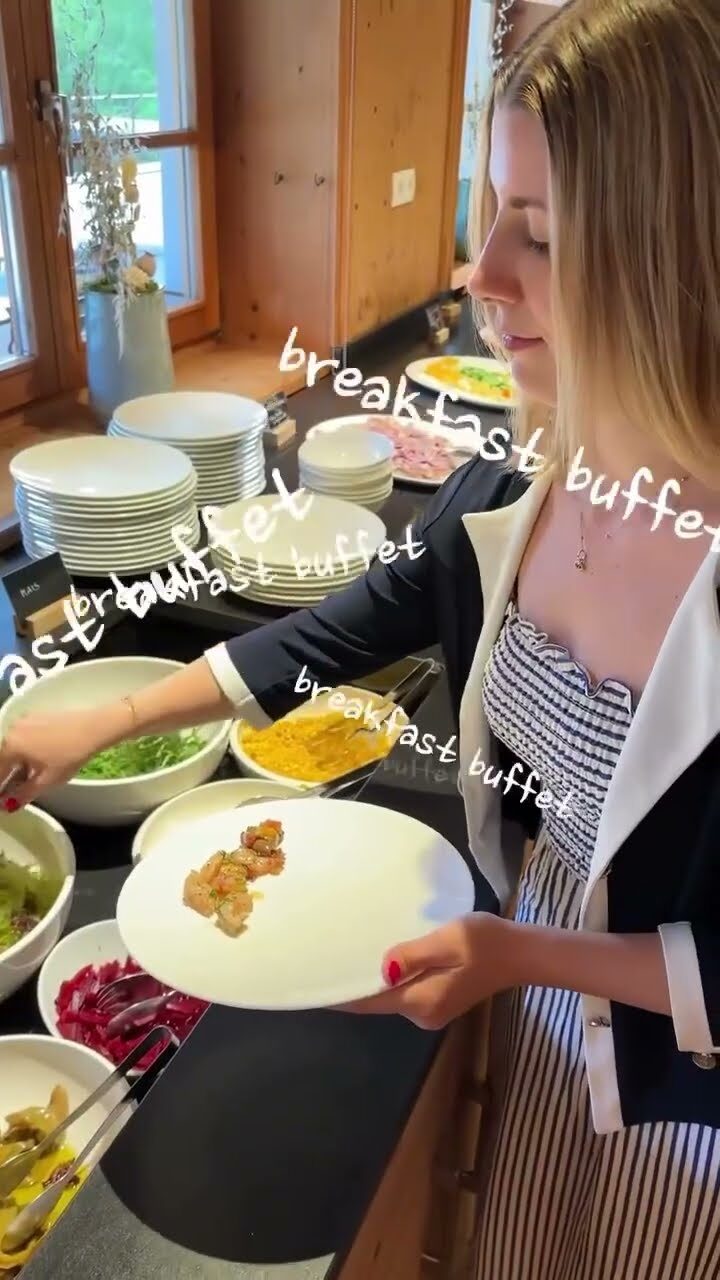
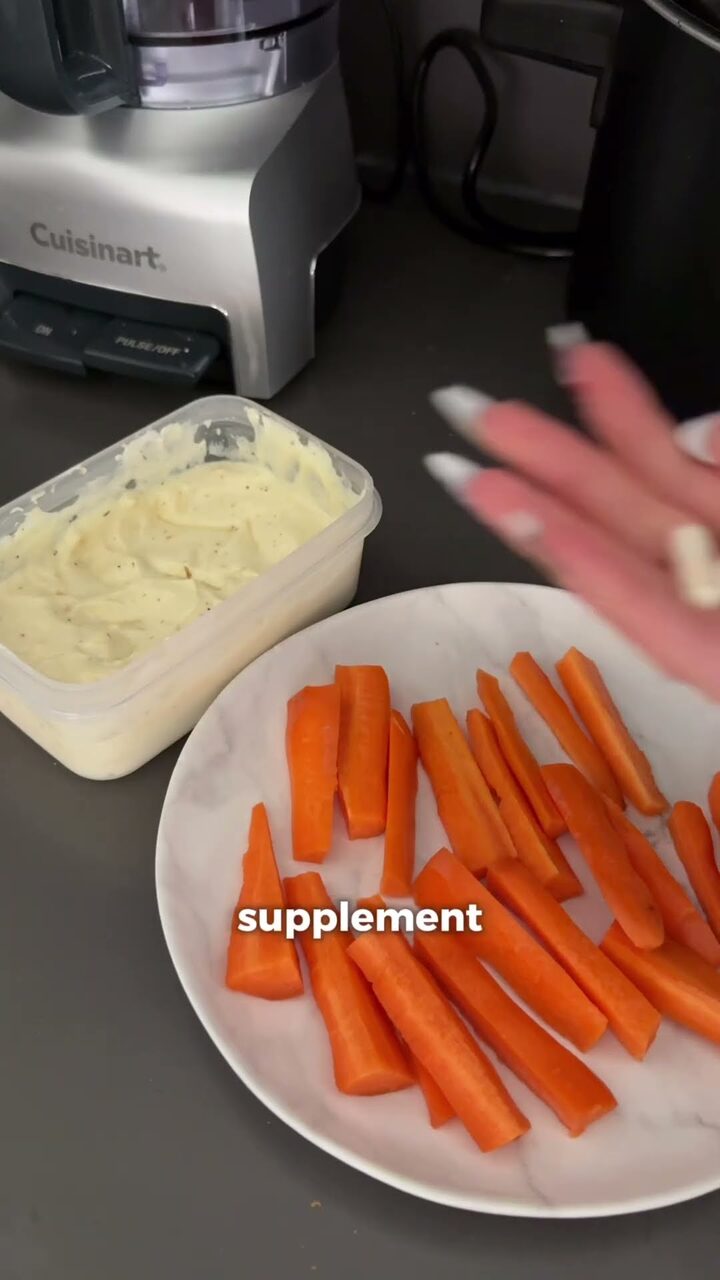
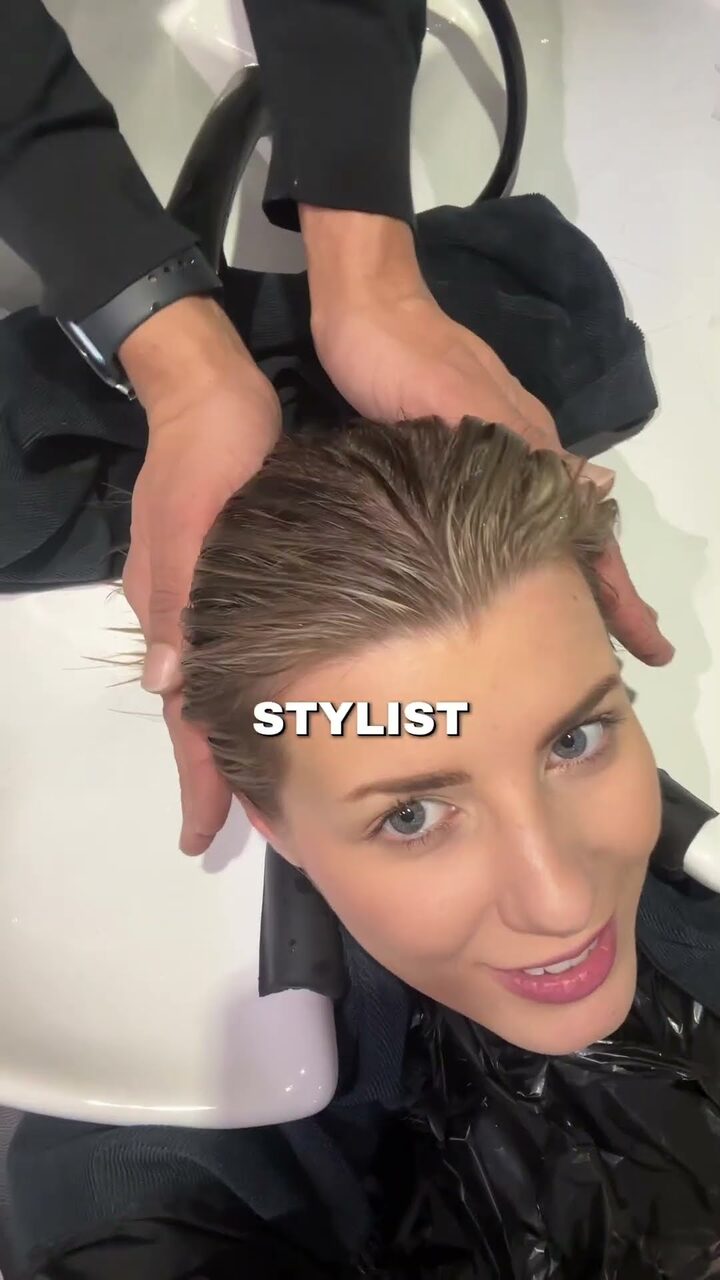
Every one of these was made from a written brief, with the fee, the usage and the delivery date agreed before filming. Tap a video to play it.
For brands: how to look like the real thing
If you are a brand reading this, the creators you approach are reading the same warning signs. The easiest way to be trusted is to do what an honest client does anyway: write from your own domain, send a real brief before asking for a decision, state the fee, the usage and the payment date, and pay on time. Creators talk to each other, and a brand that pays promptly is remembered.
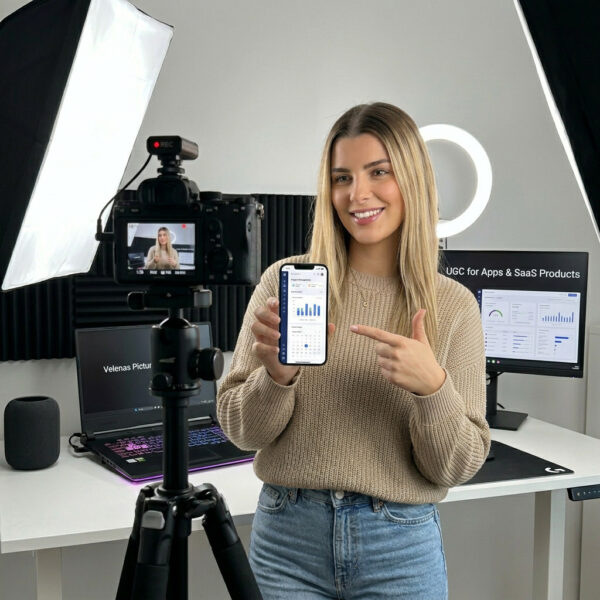
If you would rather not manage creators at all, our team plans, films and edits UGC in house, with the price on the page, the script approved by you and the rights in writing before anything is filmed. The people who plan your content are the people who film it.

Our guide to finding UGC creators in the UK covers how to vet and brief a creator yourself, and the cost of easy content covers the lines brands use that creators have learned to distrust.
UGC scams: questions creators ask
How do I know if a UGC brand offer is real?
Find the brand yourself, through its website and official account rather than the link you were sent, and check that the email address ends in the brand's own domain. Look the company up on Companies House and the Meta Ad Library, and ask other creators whether they have worked with it.
Should I ever pay to work with a brand?
No. Joining fees, starter kits, training courses and "buy the product and we will refund you" are all versions of the same scam. Paid work pays you; it does not start with you paying.
What should I put in writing before I film?
The deliverables and deadline, where the video will run and for how long, how many rounds of changes are included, the fee, any deposit and the payment date. Send it as an email after the call and ask the brand to reply to confirm.
Can a brand use my video if it has not paid?
Not unless you have given it permission. In the UK copyright stays with the maker unless it is assigned in writing and signed, so if your licence starts on payment, a brand that has not paid has no right to use the video.
A brand has not paid me. What can I do?
Send a reminder with the invoice and the confirmation email, then claim statutory interest under the late payment rules, then send a letter before action. If that fails, you can make a small claim online through GOV.UK. Keep every message.
I clicked a link in a fake brand email. What now?
Change the password of the account involved from the app or the official website, turn on two-step verification, and log out of other sessions. If you downloaded a file, run a security scan. If you shared bank details, call your bank, and report the email to [email protected].
Where do I report a UGC scam in the UK?
Report fraud to Report Fraud, the national service run by the City of London Police that replaced Action Fraud. Forward suspicious emails to [email protected] and texts to 7726, and report the account to the platform it used.
Do I have to label UGC as an advert?
If the brand posts the video on its own channels, it is plainly the brand's marketing. If you post it on your own account in return for payment or a gift, it is an advert and needs a clear label such as "Ad" at the very start.
- Finextra, over 1 billion pounds stolen by fraudsters in 2024, reporting UK Finance's 2025 Annual Fraud Report
- Dark Reading, Google: phishing campaign targets YouTube creators
- Collabstr, 2026 influencer marketing report
- Companies House, find and update company information
- Shopify, how to use the Meta Ad Library
- Wise, PayPal goods and services: a guide for UK businesses
- Payment Systems Regulator, PS24/7: APP scams reimbursement, confirming the maximum level
- Copyright, Designs and Patents Act 1988, section 90
- GOV.UK, Late commercial payments: charging interest and debt recovery
- GOV.UK, Make a court claim for money
- City of London Police, Report Fraud service goes live, December 2025
- GOV.UK, Avoid and report internet scams and phishing
- Citizens Advice, Get help with scams
- ASA and CMA, Influencers' guide to making clear that ads are ads
- HM Government, tax rules for content creators
A question this article did not answer? Ask our team, and a person will reply.