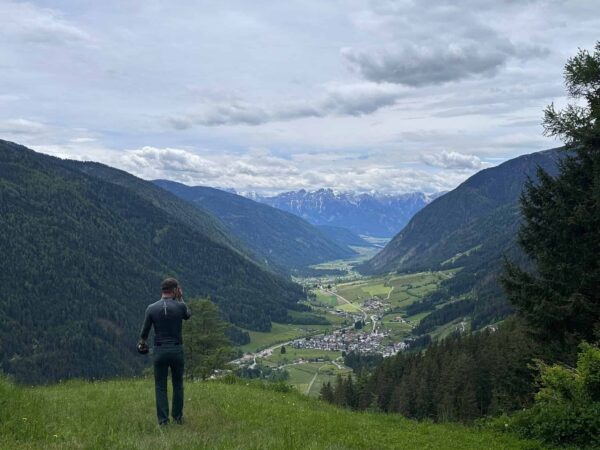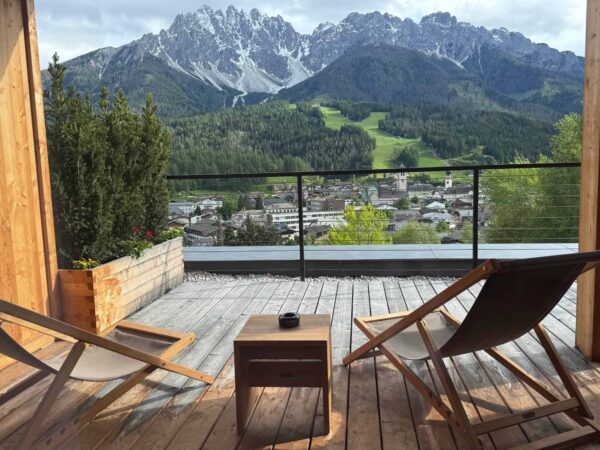

- A destination Reel works when it is built to a shape: an open that stops the scroll, the place named, the experience from a guest's point of view, and one clear action.
- Destination Reels is a shoot of 1 to 2 days on location, producing 8 edited Reels and 20 or more stills, for £1,800.
- The destination covers return travel and accommodation for two, plus meals on shooting days. There is no day rate, no crew charge and no expenses invoice afterwards.
- You hold a licence: organic use on your own channels, and paid media rights for 12 months. Outright ownership starts at the Travel Content Package: Full Destination Feature.
- Eight Reels posted twice a week, with two held back for adverts, cover about three weeks on their own, and far longer mixed with your own posts.
What a destination Reel is actually for
Most destination video is a sequence of attractive shots with music over it. It looks lovely, and it reads as a holiday rather than as a place you could go. A viewer admires it for a few seconds, scrolls on, and could not tell you afterwards where it was filmed. For a tourism board, a regional tourism agency or a tour operator, that is money spent on making someone else's destination feel appealing in general.
A destination Reel has a narrower and more useful job. It has to stop someone who was not looking for you, tell them exactly where this is, show them what they would do there, and leave them with one thing to do next: save it, follow, visit the site, book. Every one of those steps can fail, and most destination footage fails at the second, because it never names the place clearly enough for a viewer to search it.
The competition for that attention is real. VisitBritain revised its forecast in September 2026 to 44.2 million international visits to the United Kingdom this year, down from the 45.5 million it projected in January, with visitor spending now expected at 33.9 billion pounds rather than 35.7 billion. When the overall pool shrinks, every destination is fighting harder for the same travellers, and a feed full of interchangeable scenery is the easiest thing in the world to scroll past.
This guide is written for the people who commission that work: marketing leads at destination marketing organisations, regional tourism teams, tour operators and travel brands promoting a specific place. It explains how we build each Reel, what our entry travel package produces, how long the content lasts once you start posting, and where the package stops, so you can judge whether it fits before you speak to anyone.
The four part shape of a destination Reel
Every Reel we film for a destination is built to the same four part shape, because the shape is what makes a viewer act rather than admire. The order matters as much as the parts.
- The openSomething that interrupts a scroll in the first second or two: an unexpected angle, a reveal, a person stepping into frame, a sound that does not belong. If the opening is a wide establishing shot, most viewers have gone before the place is named.
- The placeAnchor it. A recognisable landmark, the name on screen, enough context that a viewer knows where this is and could search for it. A Reel that never names its destination is marketing travel in general, and your competitors benefit as much as you do.
- The experienceWhat you would do, eat and feel there, filmed from the guest's point of view rather than the brochure's. This is the part that does the persuading, and it is the part most destination footage skips in favour of more scenery.
- The closeOne clear action, on screen and unambiguous: visit, book, save. A closing frame worth a screenshot, because a saved Reel keeps coming back to the person who saved it, and a watched one is gone.
Two things have changed since this shape was first written down, and both make it more useful rather than less. In January 2025 Instagram raised the maximum length of a Reel from 90 seconds to three minutes, and YouTube has accepted Shorts of up to three minutes since 15 October 2024. Longer is now allowed, but longer is not the same as better. The extra time is worth using only when the experience section has more to say, for example a walk through a market or a route between two villages. The open and the place still have to land in the first seconds, whatever the total length.
The second change is how people watch. Plenty of people watch short video with the sound off, in public, on a commute or in a queue, so every Reel we deliver carries the place name and the key words on screen rather than only in a voiceover. A viewer who never turns the sound on should still know where you are and what to do next.
Why eight Reels rather than one long film

A destination has more than one story. There is the landmark everyone knows, the food, the walk, the place to stay, the thing to do when it rains, the season nobody visits yet. A single long film has to choose one narrative and polish it. Eight Reels can tell eight different stories, each with its own open, its own place and its own reason to go, which is what a feed actually needs.
That is why the entry package is built to find eight stories rather than to perfect one. Eight Reels give you eight attempts at an audience, eight different hooks to test, and eight pieces you can rotate across your channels without the feed looking repetitive. If one Reel outperforms the others, you know which angle to push next season. A single film tells you only whether people liked the film.
The long film has its place, and it sits at the next package up. The Travel Content Package: Full Destination Feature runs 2 to 3 days on location, long enough to build a narrative rather than a set of them, and adds a feature film of 5 to 8 minutes, a written feature and outright ownership. If what you need first is to find out which stories about your destination land, eight Reels is the cheaper and quicker way to learn it.
There is also a practical reason. Short vertical video is now a main format on Instagram, TikTok, YouTube and Facebook, and a destination that is new to it learns more from eight honest attempts than from one expensive one. Destination Reels is built for exactly that test season: the larger packages make more sense once you know what works.
How long do eight Reels of content actually last?
This is the question the price really turns on, so it is worth working through with your own numbers. The arithmetic is simple: take the eight Reels, set aside any you want to keep for adverts, and divide the rest by how many you post each week.
Those counts are for the Reels alone. Almost every destination also posts its own material, its partners' content and its events, so in practice eight professional Reels mixed into an existing calendar carry a feed for a season rather than a few weeks. Posting the same Reel to more than one platform does not shorten the run: the same vertical file goes to Instagram, TikTok, YouTube Shorts and Facebook without a re-edit, so posting wider means more reach from the same eight pieces, not fewer weeks.
The decision about how many to hold back for adverts is worth making early. Advert creative tires faster than organic posts, because the same people see it again and again, so most destinations keep two or three Reels aside to rotate in paid campaigns. With paid media rights for 12 months from delivery, those held back Reels can run as adverts for a full year.
What this arithmetic will not tell you is reach, bookings or return, because those depend on targeting, spend, the season and the destination itself, and any figure we put against them here would be invented. What it does tell you is whether one shoot covers the window you are planning for, which is the question you can actually check. If you want to plan the posting days themselves, our free best time to post tool gives UK posting windows by platform.
What arrives, and what the destination provides
Everything in the package is fixed before anyone travels. The list below is the whole of it, taken from the Destination Reels page.
On your side, the list is short. The destination covers return travel and accommodation for two, plus meals on shooting days. Beyond that, we need access and introductions to the venues, operators and locations you want featured, and a contact who can tell people we are expected. We ask for 21 days notice so travel can be booked sensibly rather than expensively. There is no day rate, no crew charge and no expenses invoice afterwards.
What is not included at this tier is just as clear: a long form film, a written feature, a caption pack, outright ownership and any posting from our own channels. The film and the written feature start at the Travel Content Package: Full Destination Feature; posting from our own accounts comes only with the Travel Content Package: Brand Ambassador Trip.
What you can do with the footage
Ownership is the thing destinations ask about most, and the plain answer is that at this tier you hold a licence rather than the footage itself. Organic use on your own channels plus paid media rights for 12 months from delivery. A licence at this price buys a run of content you can post and advertise for a defined period. A transfer of ownership is a different commercial arrangement and it is priced as one.
The part worth knowing is what the licence actually stops you doing, because it is less than most people assume. Organic posting on your own channels never expires. What you cannot do is sell the footage on or hand it to another organisation as their own, which matters because the footage usually has a person from our team in it. If your board works with operators and partners who will want to use the content too, that is the clearest sign the Travel Content Package: Full Destination Feature suits you better, because sub-licensing comes with it.
The three travel packages
Destination Reels is the entry package of three. All three are filmed by our team, at a fixed price, with the shot list agreed in writing before we fly. What changes is the length of the trip, how much comes back, and whether the footage is licensed or owned.

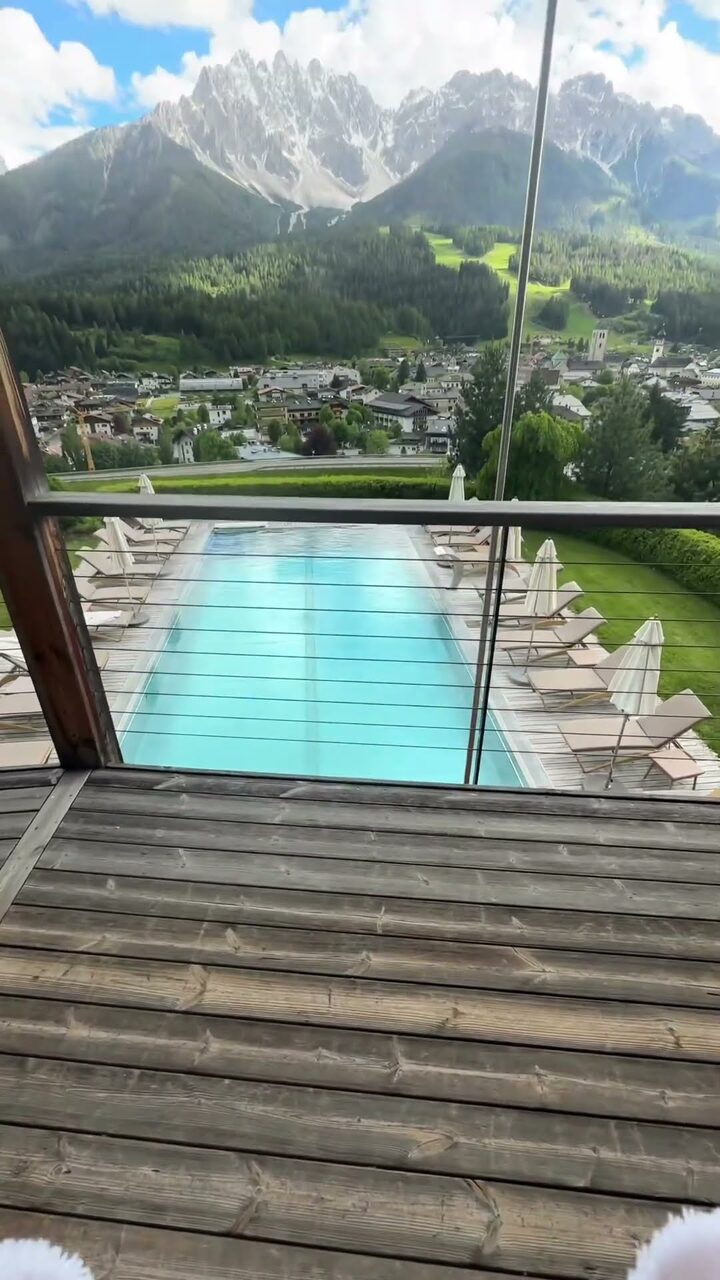
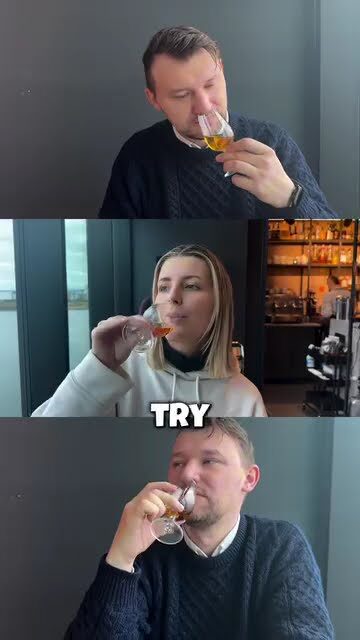
See destination Reels we have filmed
Tap a video to play it. Nothing loads until you do. There is more on the travel and experiences work page.

Who travels on a destination shoot
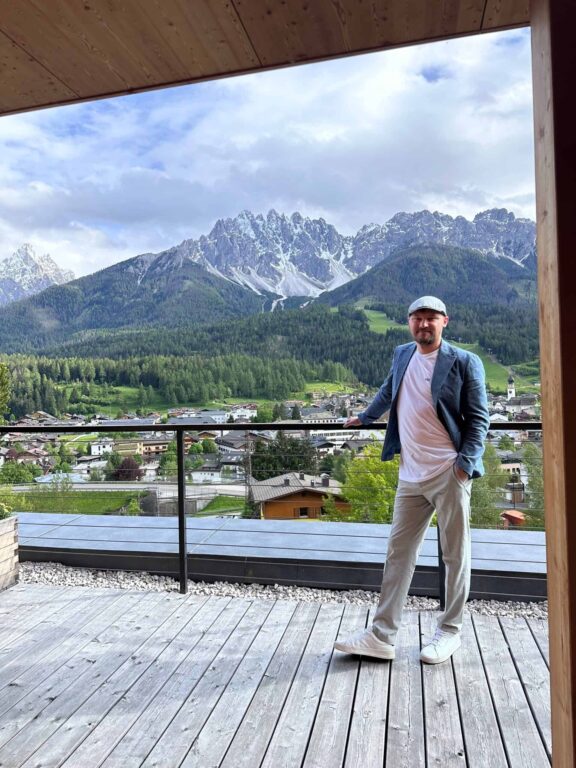
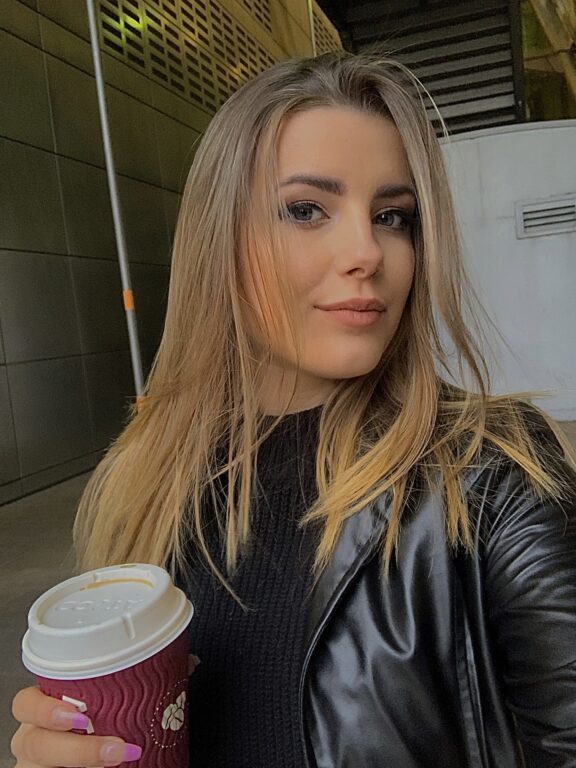
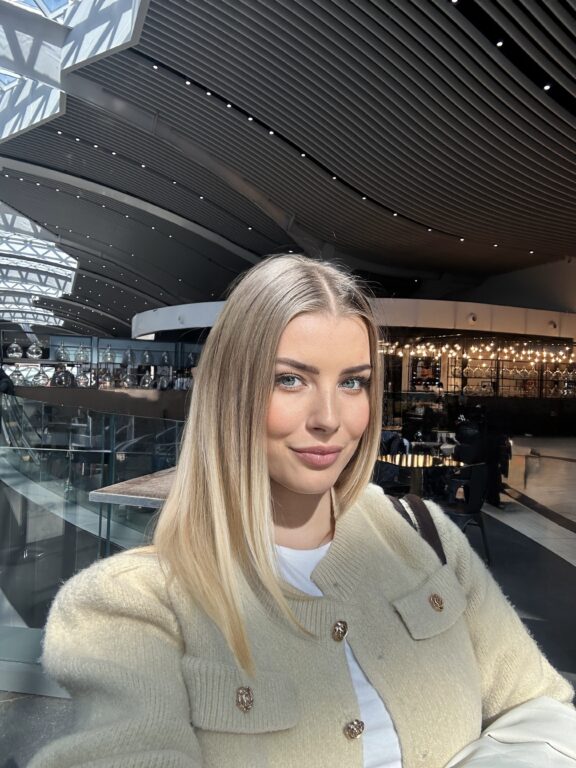
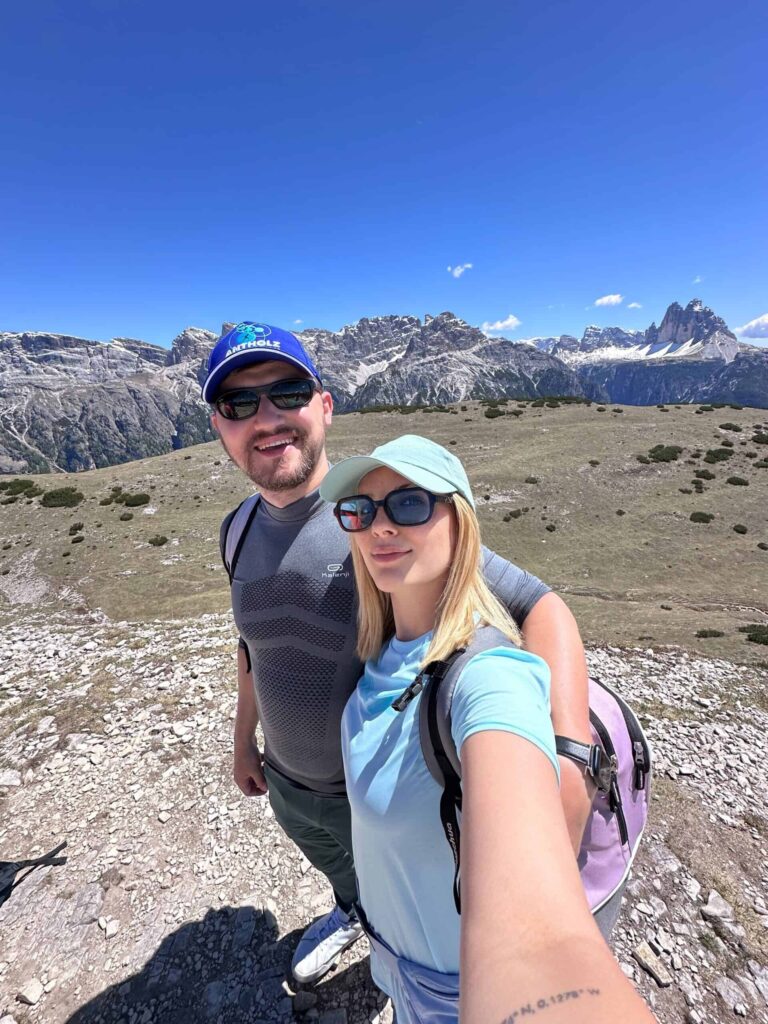
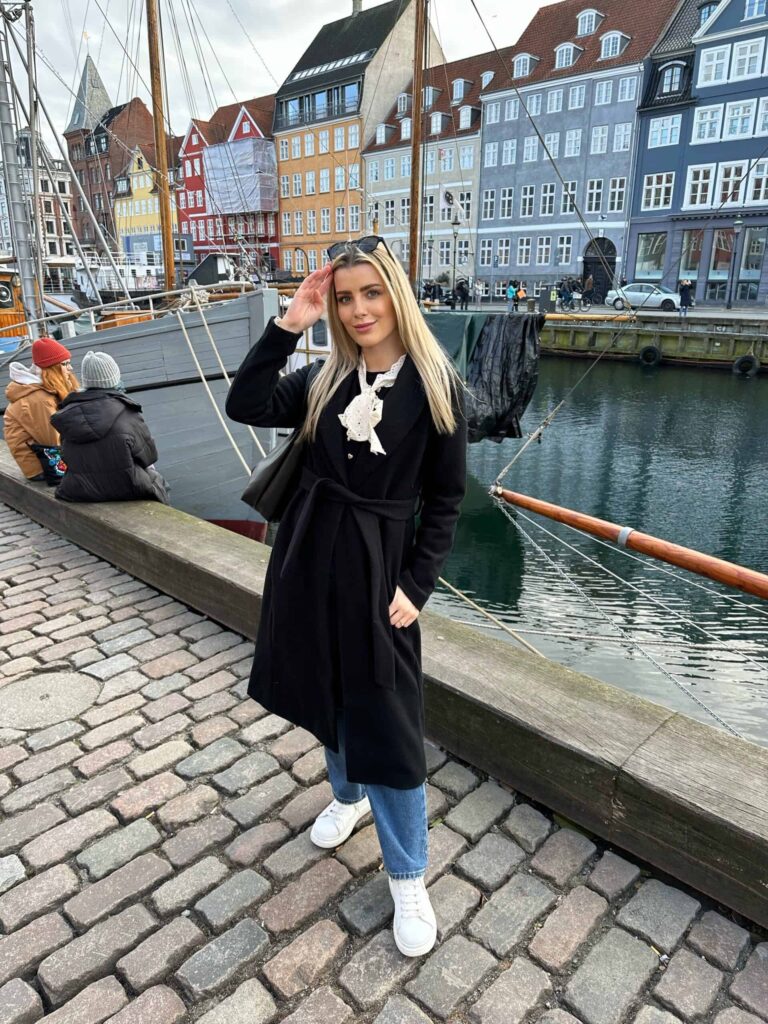
Two people travel on every Destination Reels shoot: one shooting and editing, one producing and handling permissions on the ground. The people who plan your content are the people who film it, so there is no account manager relaying your brief to a crew you have never met.
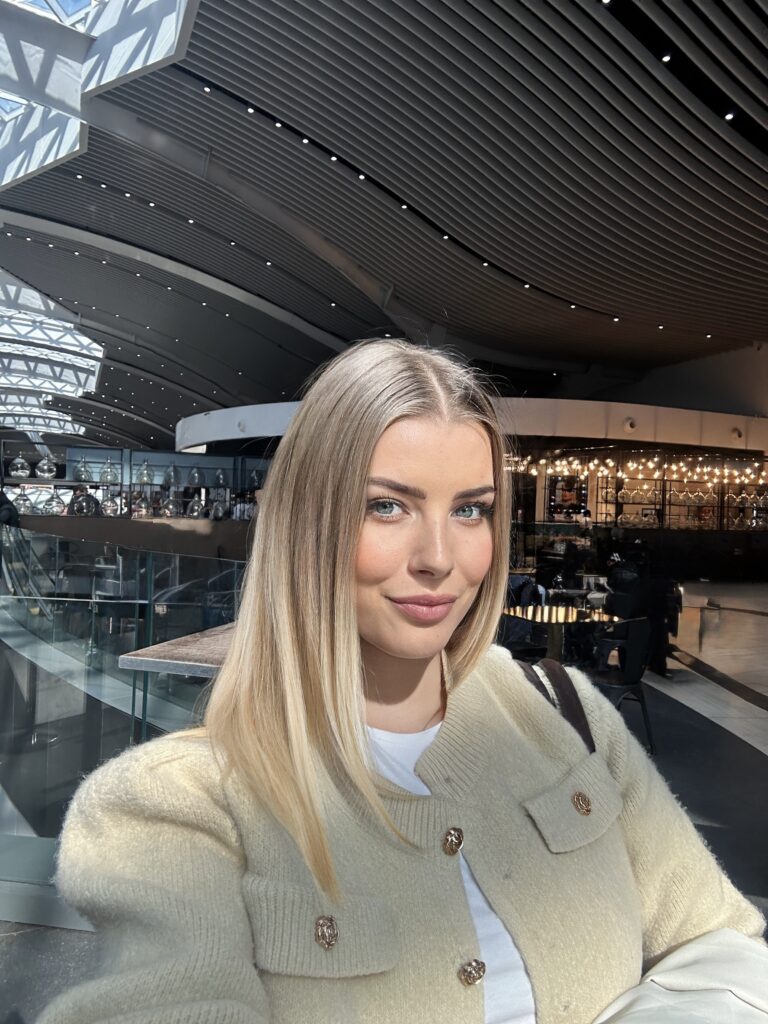
Velena Nikolova, our Co-Founder and Creative Director, films and edits the work and is usually the person on camera for the destination, the stays and the food. She is a lifestyle and travel creator who has been featured in Women's Health. Dragos Nistor, our Co-Founder and Business Strategist, plans the route and the shot list, handles the permissions and the delivery, and appears on camera for couple and dining content. If you would rather the Reels had nobody on camera, say so in the brief.
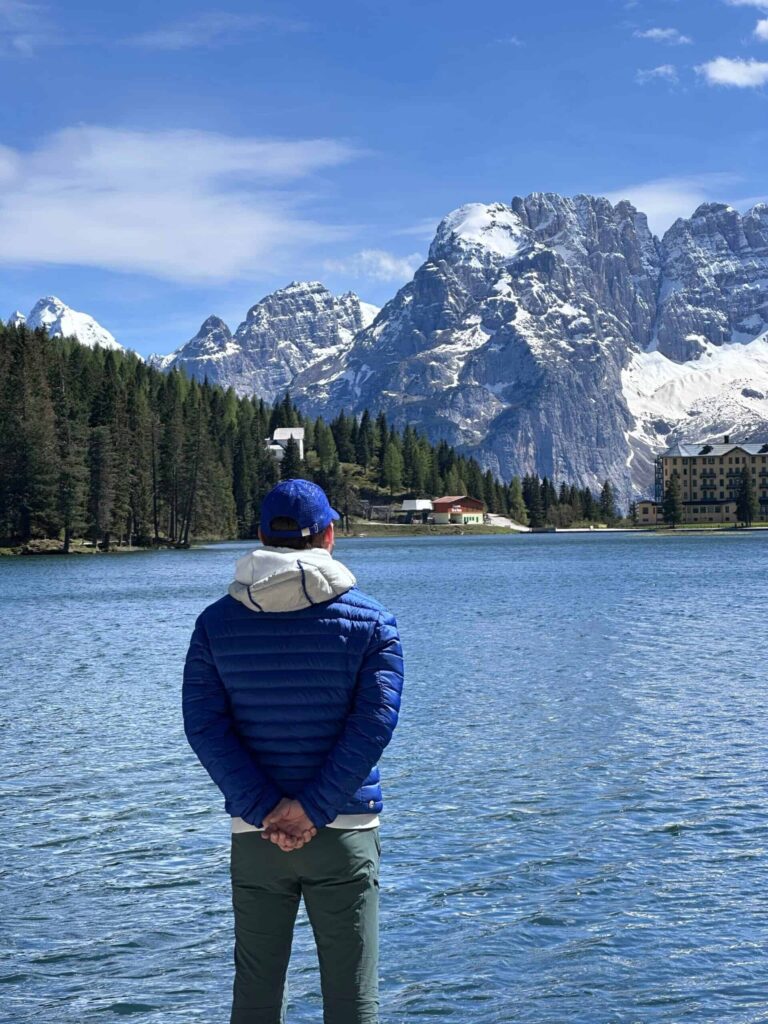
Having the person who produces the shoot on location, rather than at a desk, is what makes one to two days enough. Permissions are asked for in person, a closed door can be opened with a phone call, and the shot list can be adjusted when the weather turns, without waiting for anyone to approve it from a distance.
Planning a destination shoot that works
The best destination shoots are decided before anyone packs a bag. A few choices made at the brief stage make more difference to the finished Reels than anything that happens on location.
If you are not sure which eight stories to choose, look at the questions your visitor enquiries already contain. How do I get there from the airport? Is it worth it in winter? Where do we eat? A Reel that answers a real planning question is more useful to a traveller, and usually more watched, than another beautiful view.
Measuring what the Reels do
Eight Reels give you something most destination campaigns lack: enough separate pieces to compare. Watch which open holds people, which place gets saved, and which close gets clicks, and you have the brief for your next season. That comparison is worth more than any single headline number.
The simplest way to see what the Reels send to your website is to tag every link with UTM parameters, so your analytics show which Reel and which platform each visit came from. Our free UTM link builder makes those links in a minute, and the free Instagram engagement rate calculator gives you a fair way to compare Reels posted to accounts of different sizes.
When you report the results internally, report what you can count: saves, shares, follows, clicks and enquiries. Be wary of anyone, including us, who promises a reach figure before the Reels exist. Reach depends on your audience, your spend and the platforms' own systems, which change several times a year, and nobody outside the platforms can see how they weigh a post. Treat a guaranteed view count as a warning sign rather than a selling point.
If you are weighing a destination package against a hotel one, the hospitality content creator page covers properties rather than places, and the Snaptrip Group case study shows our work for several of the UK's best known staycation platforms. Once the library exists, the same team can run your channels through social media management.
Before you book a destination shoot: questions
What does a travel content creator cost in the UK?
Our Destination Reels package is £1,800 for 1 to 2 days on location, producing 8 Reels and 20 or more stills. That is the whole production fee. The destination covers return travel and accommodation for two, plus meals on shooting days. Rates elsewhere vary too widely to quote usefully, so we publish ours.
Who is the Destination Reels package built for?
Tourism boards, destination marketing organisations, regional tourism agencies, tour operators and travel brands promoting a specific place. It suits a board testing the format, or one that needs a run of short video for a defined campaign window.
Are travel costs included in the price?
No. The destination covers return travel and accommodation for two, plus meals on shooting days, agreed before travel is booked. There is no day rate, no crew charge and no expenses invoice afterwards.
Can destinations outside the UK book this?
Yes. We take destinations across Europe and further afield, and payment is in pounds sterling from any country. We ask for 21 days notice so travel can be booked sensibly.
How soon does the content arrive?
Within 10 working days from the end of the trip, all together, in a shared folder.
What advertising rights come with it?
Organic use on your own channels plus paid media rights for 12 months from delivery. Organic use on your own channels has no end date. Sub-licensing to operators and partners comes with the Travel Content Package: Full Destination Feature and above.
Do you post the Reels from your own channels?
Not on this package. Posting from our own accounts is part of the Travel Content Package: Brand Ambassador Trip only.
Can the Reels be longer than a minute?
Yes. Instagram Reels and YouTube Shorts can both run to three minutes now. We cut each Reel to the length its story needs, and keep the open and the place in the first seconds whatever the length.
How do we book?
Order the package on its page, then send your order number, the places and the season. We reply within one business day and agree the shot list in writing before we fly. If you would rather talk first, book a free call.
A question this article did not answer? Ask our team, and a person will reply.