
UGC for Paid Ads: Creator Content That Performs
UGC ads pull roughly 4x the click-through rate of polished branded creative at about half the cost per click. Here is why, which formats to brief, and real examples you can watch first.
Brief a paid ads UGC project
Key takeaways
- UGC-style ads generate roughly 4x the click-through rate of standard branded creative, at around half the cost per click, across Meta and TikTok reporting in 2026.
- Across a 2026 analysis of more than 12,000 ads, UGC beat polished production by 31% on hook rate and 33% on click-through rate.
- A strong hook rate, the share of viewers who watch past the first three seconds, sits above 30%. Below that, nothing else about the ad matters much.
- Paid ads UGC is defined by intent, not product category: any format, unboxing, testimonial, demo, can be scripted and cut specifically to work as a paid ad.
- Ad creative fatigues. Once frequency climbs past roughly 2.5 to 3 impressions per person, click-through rate typically starts to fall, so a rolling pipeline of fresh hooks outperforms one strong video run for months.
What is UGC advertising?
UGC advertising is user-generated content that is briefed, scripted and cut specifically to run as a paid ad, rather than content that happens to get boosted after the fact. The defining feature is not the product category, it is the intent: a clear hook in the first two to three seconds, one message, and a call to action built into the final seconds of the clip itself.
This makes UGC advertising different from every other category in our guide to the 12 UGC content types. Beauty, fashion, unboxing and testimonial UGC are all defined by what they show. Paid ads UGC can borrow the look of any of those formats, but the brief is written backwards from the placement: what has to happen in the first three seconds to stop someone scrolling, and what has to happen in the last three seconds to get them to tap.
It is worth being clear about what this category is not. It is not simply taking an existing organic clip and boosting it after the fact, though that can work reasonably well. A dedicated paid ads brief starts from the placement and the objective, which is why the same product can generate genuinely different finished videos depending on whether the brief was written for cold prospecting, retargeting, or a specific platform's native format. A UGC creator with no ads-specific brief will naturally pace a video for organic viewing, where a slower build and a more conversational tone hold attention. A creator briefed specifically for paid placement front-loads the hook and compresses the message, because every additional second before the point lands is a second in which a cold viewer can scroll away.
Why UGC beats polished ads on the numbers that matter
These are not soft brand-perception statistics. They come from platform-level ad performance reporting and large-sample creative analysis published in 2026.
Put together, the pattern is consistent across every source: audiences have built an internal filter for anything that looks like a studio advert, and UGC-style creative is what currently gets past that filter, at a lower cost per result, not just a lower production cost.
Platform differences: where UGC ads perform best
The same finished UGC video will not necessarily perform the same way on every platform, because each one has a different baseline hook rate, a different audience expectation, and a different native format.
Meta (Facebook and Instagram)
Median hook rate sits around 28%, with video click-through rates typically running between 1.5% and 2.5%, noticeably ahead of static image ads. Instagram Reels specifically can reach up to 3.8% click-through rate when the creative is genuinely UGC-style rather than a repurposed static ad, and Stories placements tend to outperform the main Facebook feed for the same creative.
TikTok
Median hook rate runs higher than Meta's, typically around 33%, and in-feed cost per click averages close to a pound, with beauty and retail categories often clearing that at a lower cost still. TikTok audiences are also the fastest to make a scroll decision, generally within about three seconds, so the hook has even less room for a slow build than on other platforms.
YouTube Shorts and in-stream
Typically the lowest median hook rate of the three at around 22%, partly because in-stream ads compete against a video the viewer already chose to watch. UGC-style creative still outperforms polished pre-roll here, but the format rewards a slightly clearer statement of what the ad is for, since skip behaviour on YouTube is a more deliberate decision than a TikTok or Reels scroll.
The practical implication is not to produce three entirely different videos per platform, but to recut the same core hook and message with platform-appropriate pacing, since a script tuned for TikTok's faster scroll decision will often under-perform if dropped unchanged into a YouTube in-stream slot. Where budget only stretches to one primary edit, prioritise whichever platform is carrying the most spend in your current media plan, and treat the other placements as secondary recuts rather than splitting production time evenly across all three from the outset.
Real hook-led UGC, watch before you brief
The Paid Ads Creatives category is defined by the brief, not by a single product type, so the clearest way to see the style is to watch real, finished UGC from our live portfolio that follows exactly this hook-first structure.
Every category in our portfolio can be briefed and cut for paid ads specifically. See finished, category-specific ad creative on the UGC Paid Ads Creatives portfolio page.
5 hook types that stop the scroll
1. Problem, agitate, solve
Name a specific, relatable problem in the first line, sit with it for a beat so the viewer feels seen, then show the product resolving it. This is the most reliable structure in the format because it mirrors how a person actually thinks through a purchase, not because it is clever copywriting. It works especially well for products that solve an obvious daily annoyance, since the viewer recognises the problem before they have any idea what is being sold.
2. The comment or testimonial centrepiece
Open on a glowing real review, screenshotted or read aloud, as the entire premise of the ad rather than a closing detail. Borrowed credibility from an existing customer lands faster than a creator's own claim, especially on a first exposure to a brand. This format also tends to survive longer before fatiguing, since a genuine third-party review reads as evidence rather than a script, even after several exposures.
3. Pattern interrupt
An unexpected visual, movement, or opening line that does not immediately explain itself buys an extra second of attention before the viewer decides whether to keep scrolling. That extra second is often the entire difference between a hook that works and one that does not. The interrupt has to resolve into the actual message within the next few seconds, though, or the attention it buys is wasted on confusion rather than curiosity.
4. POV and day-in-the-life
Framing the product as something stumbled into during an ordinary day, rather than the subject of the video from the first frame, reads as far less like an advert and holds attention longer into the message. This format performs particularly well on TikTok and Reels, where the native content style already looks like a normal day being filmed rather than a production.
5. Direct comparison
This versus what I used before, side by side or cut back to back. Comparison hooks work especially well for considered purchases, where the viewer is actively weighing alternatives rather than discovering the category for the first time. Naming a specific, recognisable alternative rather than a vague "old way" makes the comparison land more convincingly.
UGC ads vs polished studio ads
Neither format is obsolete, and the strongest paid social accounts run a deliberate mix rather than choosing one exclusively.
| UGC ads | Polished studio ads | |
|---|---|---|
| Best at | Cold prospecting, direct response, bypassing the "ad filter" | Brand building, retargeting, premium and high-ticket positioning |
| Typical mix | Roughly 60% of spend on top-performing accounts in 2026 | Roughly 40%, concentrated on retargeting and brand campaigns |
| Cost per asset | Low, from £155 | Higher, studio, crew and styling costs |
| Shelf life | Shorter, fatigues faster and needs a refresh pipeline | Longer, holds up over more impressions before wearing out |
The practical takeaway is not to abandon polished creative, it is to feed prospecting campaigns with UGC first, since that is where the trust gap and the ad-blindness problem are largest, and reserve polished production for the audiences who already know the brand.
Creator handles and Spark-style boosting
Both Meta and TikTok let you run paid budget behind a creator's own organic post rather than reposting the same video from your brand account, keeping the original engagement and comments attached to the boosted version.
The same finished creative performs meaningfully differently depending on which account it is posted from. Content boosted through a creator's handle tends to hold attention and drive engagement noticeably better than an identical clip re-uploaded to a brand page, because the audience's trust signal comes partly from the account posting it, not only from the content itself. If you are already producing UGC for organic posting, this is close to a free performance upgrade: seed the content organically first, then boost the posts that are already proving themselves rather than guessing which script will work before it has any real engagement behind it.
This approach also solves a practical testing problem. Instead of guessing which of several hooks to commit paid budget to, you can seed all of them organically on a creator's account, watch which ones pick up engagement without any spend behind them, and put budget only behind the version that has already shown it can hold attention. It shifts part of the creative testing cost from paid media budget onto organic reach, which is effectively free.
How to measure UGC ad performance
Track each stage of the funnel separately rather than judging a whole campaign on one blended number.
The share of viewers who watch past the first three seconds. A strong hook clears roughly 30%. If this number is weak, nothing further down the funnel will fix it, the fault is in the opening line or shot, not the offer or the landing page.
Broadly, 1% to 1.5% is considered a solid working range on paid social, though this varies by platform and industry, with fashion and beauty typically sitting above the average and finance and legal sitting below it. High hook rate paired with low CTR usually points to a weak or late call to action, not a weak hook.
Once a creative's average frequency climbs past roughly 2.5 to 3 impressions per person, click-through rate typically starts to erode. Treat that point as the trigger to refresh the hook, not a signal that UGC as a format has stopped working, and stagger refresh timing across your active creatives so they do not all fatigue in the same week.
The number that ultimately decides whether a winning hook earns more budget. Track it per creative, not per campaign, so individual winners can be scaled and the rest retired without dragging the average down, and revisit the comparison periodically since a hook that led the pack in week one can fall behind as its own frequency climbs.
Only a small share of test creatives typically go on to scale, so plan for a testing cadence rather than expecting the first batch to be the one that works. Estimate production budget for a testing pipeline with our free UGC rate calculator.
How to brief UGC specifically for paid ads
A paid ads brief is written differently from an organic content brief, because every second is working toward a click rather than toward a feed-scroll moment of connection.
Decide the hook before anything else in the brief. If the opening does not survive on its own with no context, rewrite it before filming rather than hoping the middle of the video saves it, since a weak first three seconds means the rest of the shoot is wasted regardless of how strong it is.
Resist the urge to cover three product benefits in one clip. A single, clear message tests cleanly and is far easier to read the results on than a video trying to do everything at once, and it also gives you a cleaner basis for deciding which specific benefit to lead with next time.
Book two or three opening-line variations from a single session so you have several ads to test against each other, rather than one creative you are hoping performs. This costs relatively little extra on top of a single-hook shoot, since the creator and setting are already booked.
Do not leave the offer entirely to the caption. A spoken or on-screen call to action in the final seconds of the clip converts more reliably than one buried in text beneath it, particularly on platforms where captions are frequently collapsed or skipped entirely.
For general UGC briefing guidance beyond the ads-specific points above, see our full guide on how to find and brief UGC creators in the UK.
Common mistakes brands make with UGC ads
Running one batch until it dies
Ad creative fatigues. A single strong video will eventually lose performance as frequency climbs, and brands that treat one batch as a finished project rather than the start of a testing pipeline leave performance on the table.
Briefing for polish instead of a hook
A beautifully lit, well-produced clip with a slow opening will lose to a rougher video with a strong first line almost every time in cold prospecting. Save the production value for retargeting and brand campaigns.
Burying the call to action in the caption
If the offer only appears in text under the video, a meaningful share of viewers who watched the whole clip will never see it. Build the ask into the video itself.
Testing one hook instead of several
With only around one in eight test creatives typically going on to scale, a single video is a weak sample size to judge a whole format or product angle by. Order variations, not one shot in the dark.
Reusing the exact same video across every platform
A clip framed for Instagram Reels rarely holds up unchanged as a TikTok in-feed ad or a YouTube Short. Recutting the same footage per placement, rather than exporting one file everywhere, protects the hook that made it work in the first place.
Judging a hook on too small a sample
A creative needs meaningful spend and impression volume behind it before its early numbers mean anything. Killing a hook after a few hours of soft results, before it has cleared enough impressions to be statistically reliable, throws away creative that might have worked with a longer test window.
How we produce UGC for paid ads
At Velena Lifestyle we brief paid ads UGC backwards from the placement: what has to happen in the first three seconds, what the single message is, and where the call to action sits in the final cut. We script multiple hook variations from a single shoot so you have several ads to test rather than one, and we deliver with a 12-month paid media licence included, so you can run and refresh creative without paying again for the same shoot.
You can order the set UGC Paid Ads Creatives package directly, or send a custom brief through the UGC agency page. If you are newer to UGC as a format, start with What Is UGC and our full guide to all 12 UGC content types, or see how the same principles apply specifically to ecommerce and DTC product pages.
Because paid ads UGC is defined by intent rather than a single product type, most briefs we receive for this category actually arrive alongside a request for one of our other UGC verticals, a beauty brand asking for standard product content plus two ad-specific hook cuts from the same shoot, for example. Where that fits your plan, we build the ad-ready variations into the original session rather than treating them as a separate project, which keeps the cost and turnaround close to what a single-purpose shoot would cost on its own.
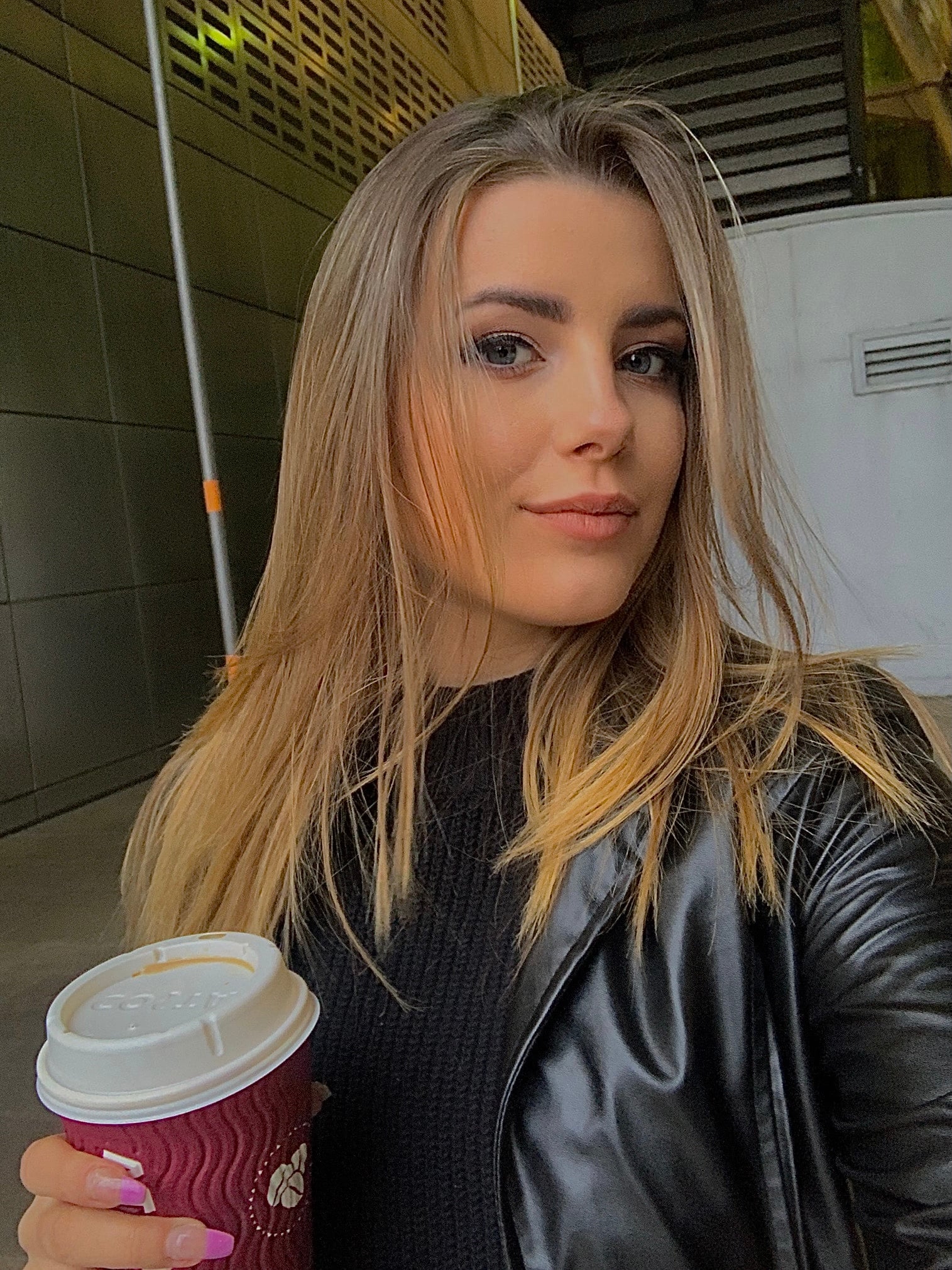
Featured UGC video examples and portfolios
Browse real finished work across the categories referenced in this guide before you brief your own.
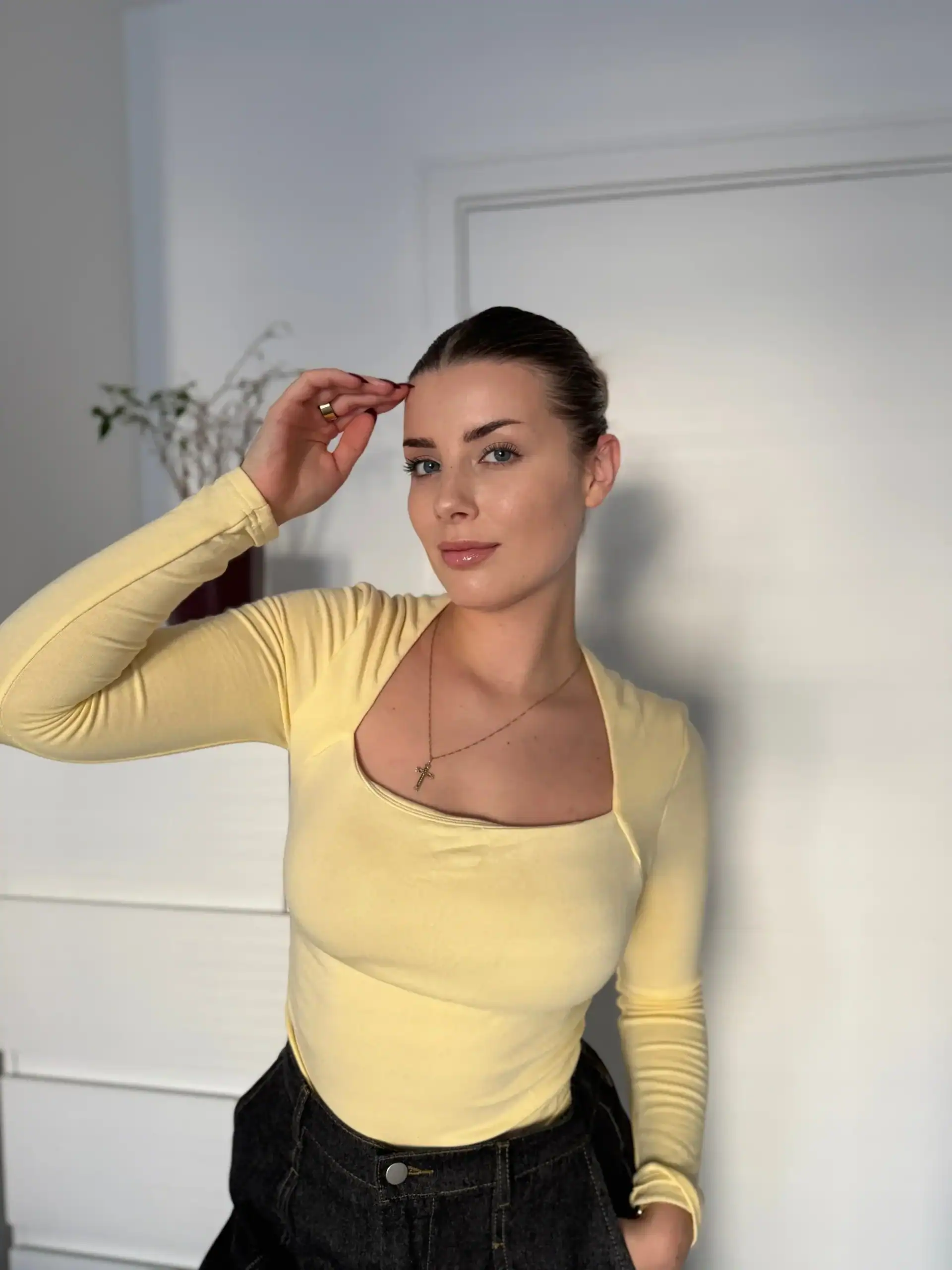
Paid Ads Creative
Hook-led creative built to perform
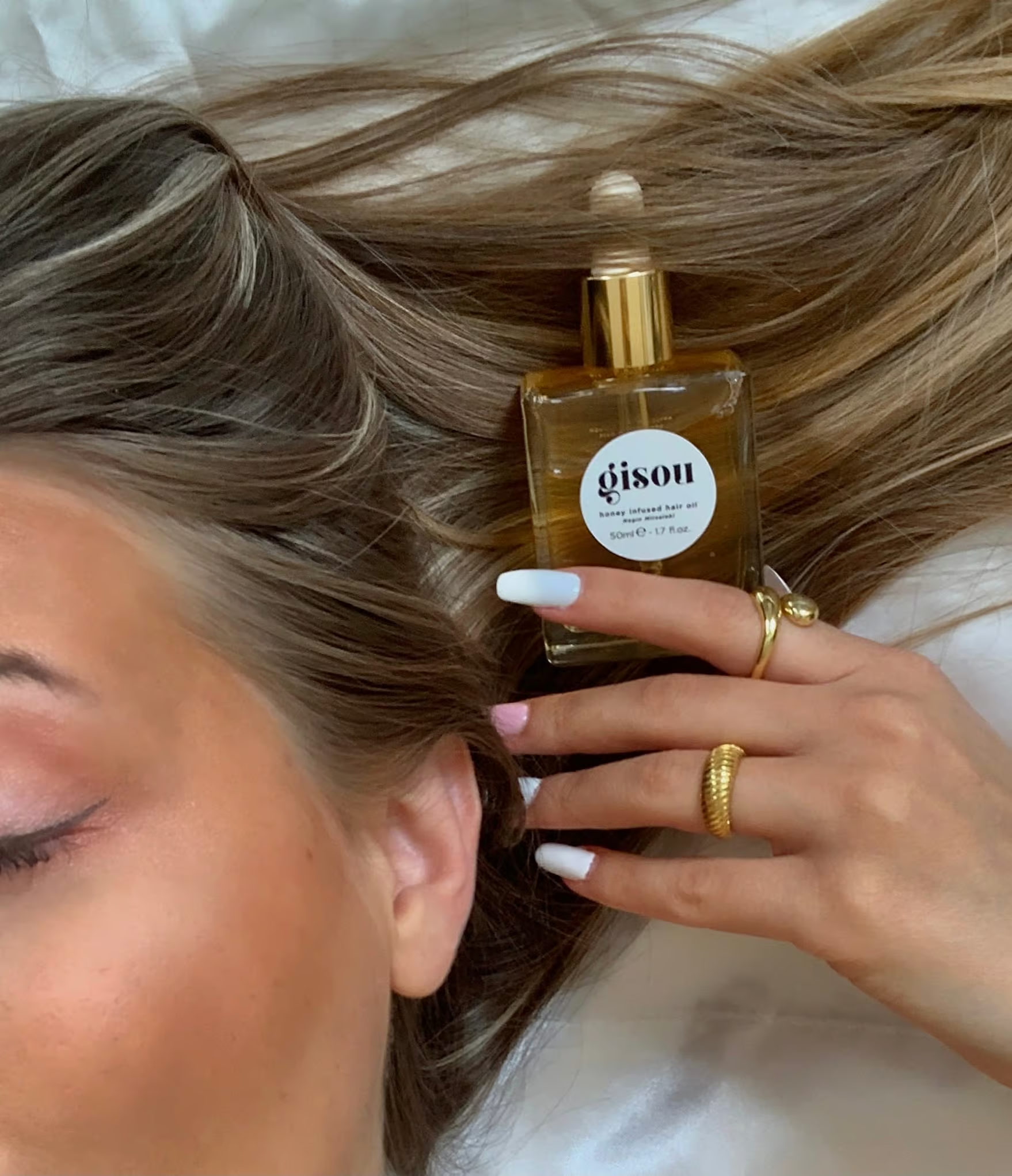
Beauty & Skincare
Product-first hooks and reviews
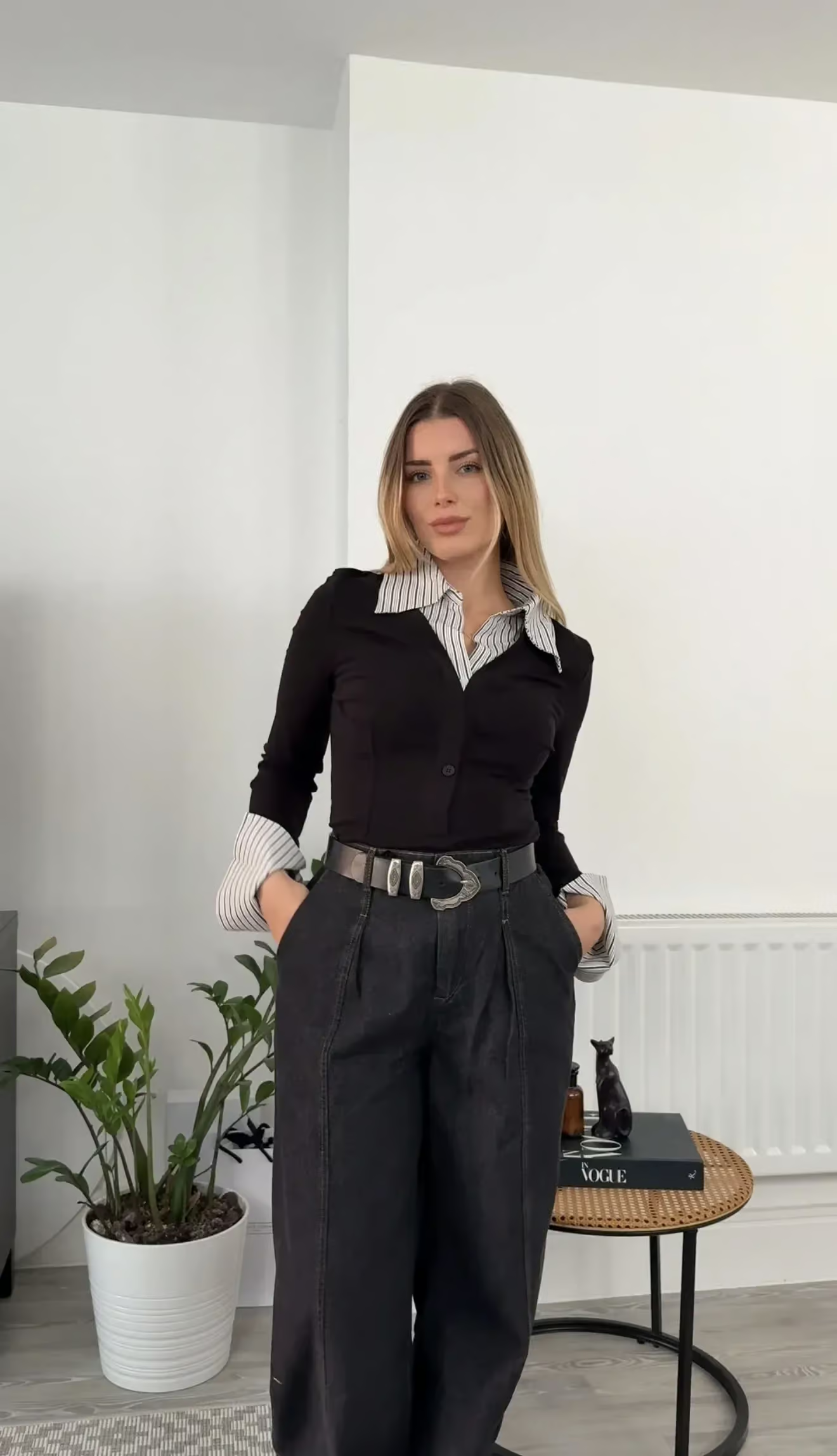
Fashion & Clothing
Try-on and pattern-interrupt content
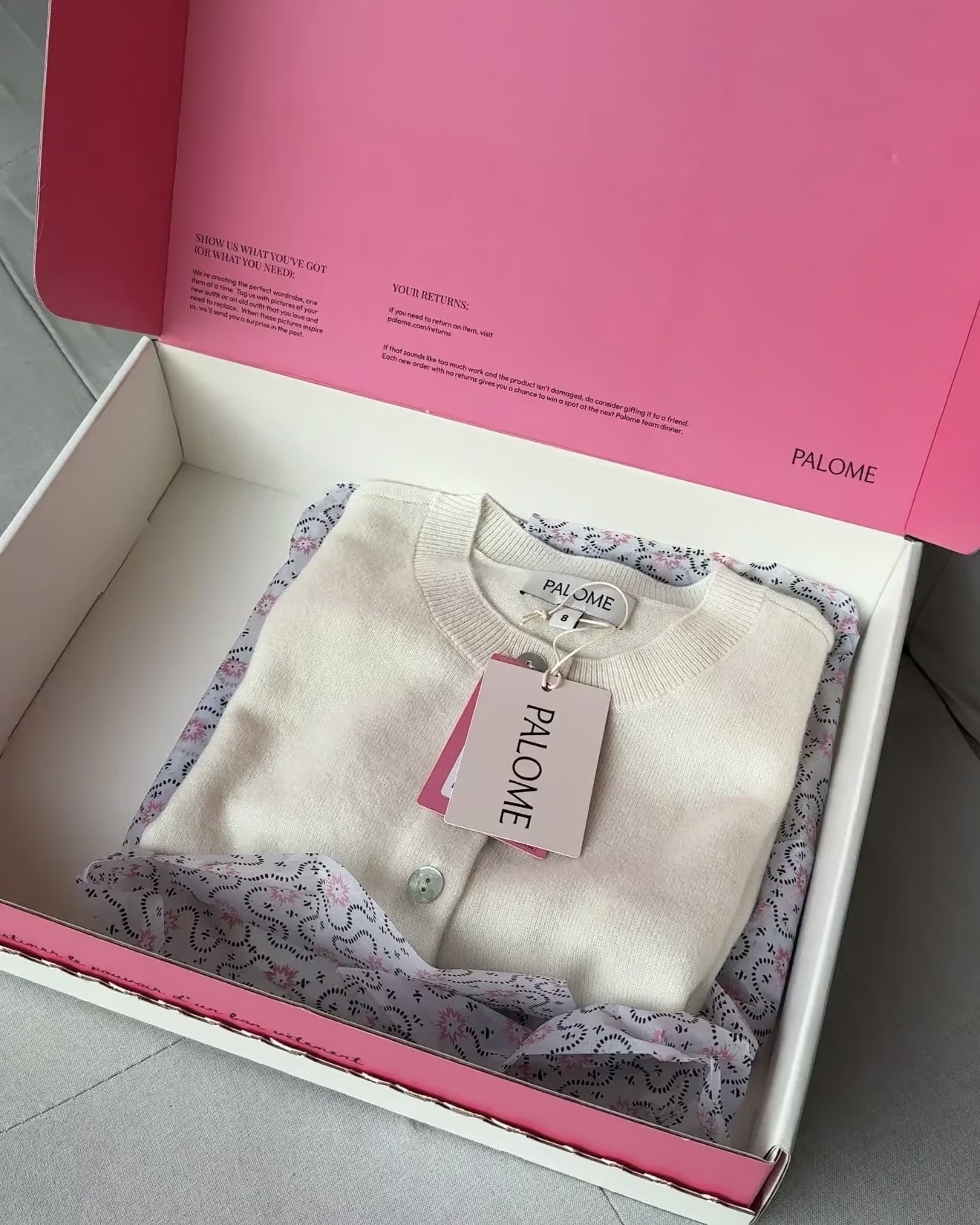
Unboxing
First impressions cut for ad placements
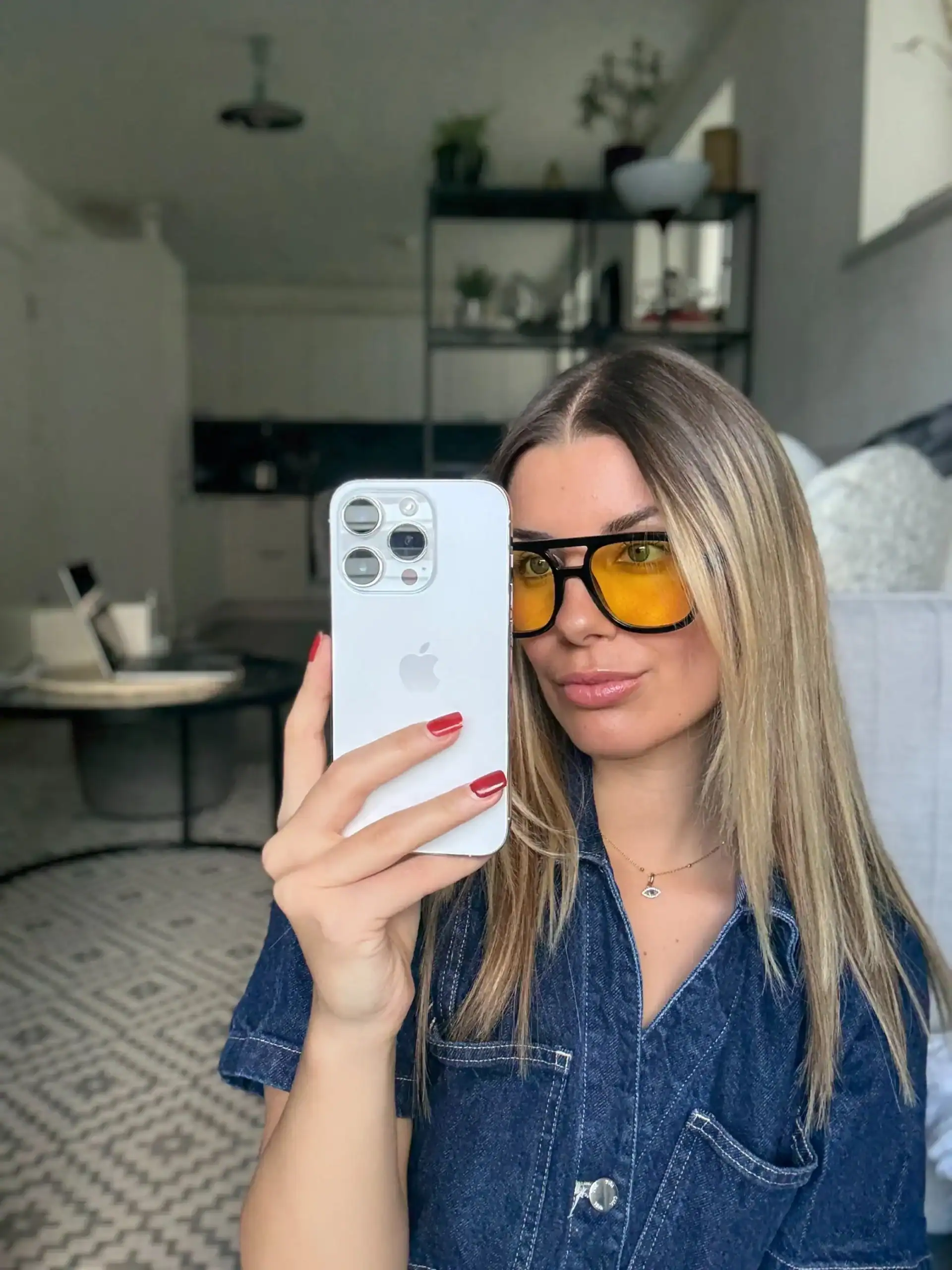
Testimonials
Borrowed-credibility ad centrepieces

Ecommerce & DTC
Product-page and prospecting ad creative
Add monthly social media management
UGC ad creative wins clicks. Someone still needs to plan, post and manage the organic side of the account. Add social media management for content planned, posted and reported on every month. Four tiers, clear pricing, no long lock-in, cancellation on any plan with 2 months notice.
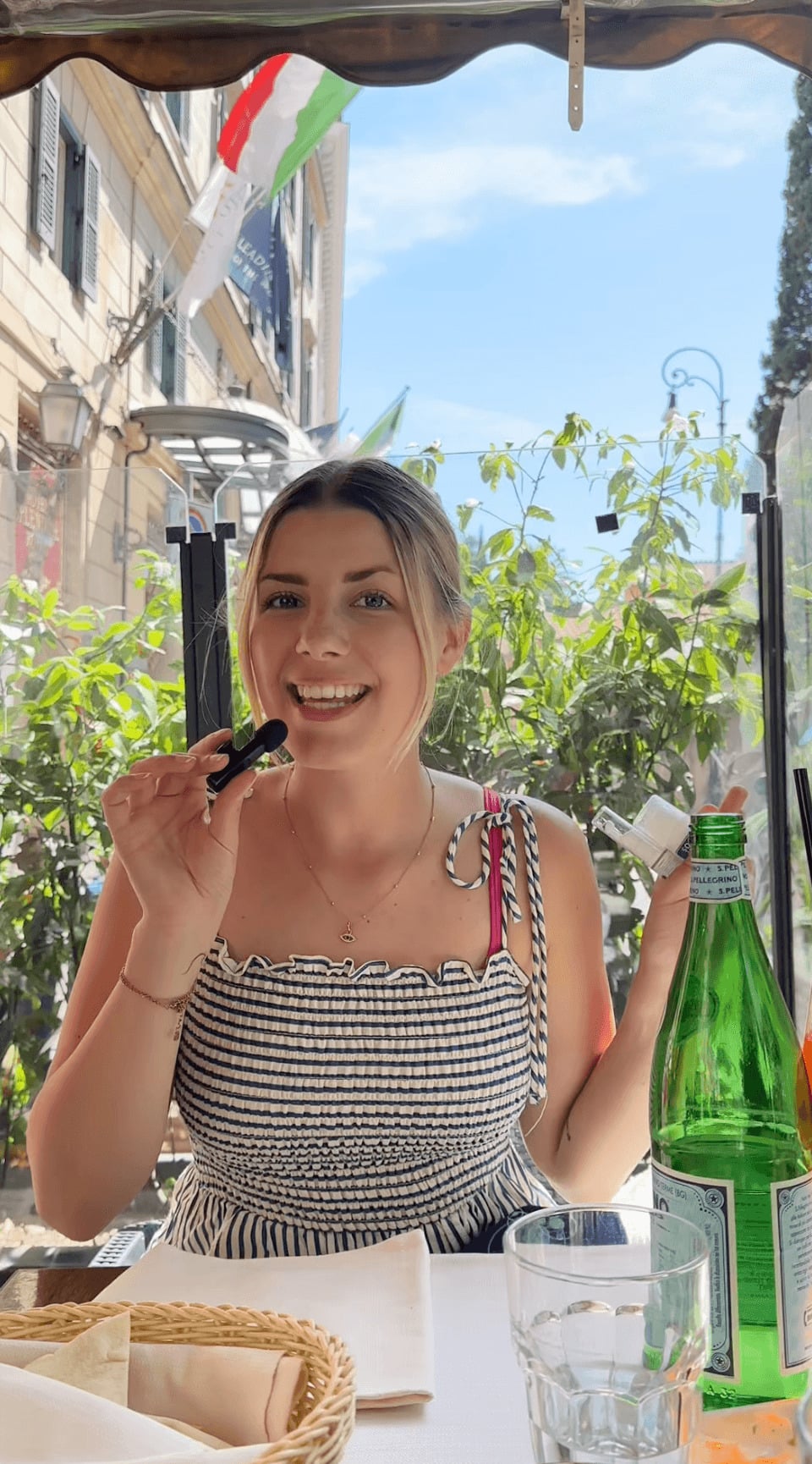

Watch our work on YouTube
Velena Lifestyle
Agency UGC and client showcases across every category, so you can judge the standard first.
Watch the agency channelVelena and Dragos
Our personal travel and food channel, where the on-camera creator style started.
Watch Velena and DragosWhat clients say
Velena is truly one of our standout creators at Picsart. She consistently brings fresh, innovative ideas to the table and is always tapped into the latest trends. What we especially love is how seamlessly she incorporates AI into her content in a way that feels natural and engaging.
Velena Lifestyle have been a breath of fresh air for our social media accounts. Their professionalism and knowledge have supported us massively.
Fantastic service. Been a client for 3 years now and have seen fantastic results, increased viewers, followers and viral videos. Copywriting was on point and has been used in magazines like Conde Nast, Timeout and more.
Meet the founders
Velena Nikolova
Velena is the on-camera creator behind the majority of the hook-led examples in this guide, with content featured in Women's Health.

Dragos Nistor
Dragos leads strategy and business development, and is a LinkedIn Top Entrepreneurship Voice with a 25K+ network.
UGC Advertising FAQs
What is UGC advertising?
User-generated content that is briefed, scripted and cut specifically to run as a paid ad, with a hook in the first two to three seconds, one clear message, and a call to action built into the final part of the clip.
Do UGC ads really outperform polished ads?
Yes, on the numbers that matter for paid social. UGC-style ads pull roughly 4x higher click-through rates at about half the cost per click compared with standard branded creative, and a 2026 analysis of over 12,000 ads found UGC beating polished production by 31% on hook rate and 33% on click-through rate. Polished creative still holds an edge for brand recall and high-ticket, considered purchases, which is why most accounts run a deliberate mix rather than one format exclusively.
What is a good hook rate for a UGC ad?
Roughly 30% or higher, meaning at least three in ten viewers watch past the first three seconds. Below that threshold, the rest of the video rarely gets seen, so a weak hook rate should be treated as a signal to rewrite the opening line rather than to tweak anything further down the funnel.
How long should a UGC ad be?
Most run 15 to 30 seconds. What matters more than total length is where the hook lands, ideally within the first two to three seconds, since that is when most viewers decide whether to keep watching.
How often should I refresh UGC ad creative?
Treat it as an ongoing pipeline. Once a creative's frequency climbs past roughly 2.5 to 3 impressions per person, click-through rate typically starts to fall, which is the signal to bring in a new hook.
Should I use UGC or polished ads?
Both, for different jobs. UGC tends to win for cold prospecting and direct response, where it needs to get past an audience's ad-blindness. Polished creative tends to hold its own for retargeting and brand-building campaigns.
What does UGC ad creative cost?
Our paid ads UGC starts from £155 per video, with a 12-month paid media licence included. See our full UGC rates guide for how pricing works across every category.
Can I boost a creator's organic post instead of using my own brand account?
Yes. Both Meta and TikTok support running paid budget behind a creator's own post while keeping its existing engagement attached, and the same clip often performs differently depending on which account posts it first.
How many hooks should I test at once?
Order two or three opening-line variations from a single shoot rather than committing to one script. Only a fraction of test creatives typically go on to scale, so a wider test set gives a more reliable read.
Do you provide the creators for paid ads UGC?
Yes. We source, brief and direct creators specifically for the ads placement, scripting the hook and call to action into the brief rather than adapting organic content after the fact.

Dragos co-founds Velena Lifestyle and leads its business strategy. A LinkedIn Top Entrepreneurship Voice, he writes about UGC, paid social performance, and building a modern content agency in the UK.
Related guides
Ready to test some hooks?
Tell us the product and the platform. We script the opening, brief the creator, and deliver ad-ready cuts with usage rights included.
Work with us