
UGC Examples That Convert: 12 Types With Real Breakdowns
Twelve real UGC content types, what each looks like on screen, the kind of brand that commissions it, and live finished examples from every category.
Key takeaways
- 12 distinct UGC content categories are live on the site, each with its own format conventions, camera style and pricing.
- Formats run from 15 seconds up to 60 seconds depending on category and how much the brief needs to explain.
- Base prices start from £120 per video and include one revision round on every category.
- Paid ad usage rights, whitelisting and raw footage are optional add-ons, not included in the base rate, except where noted.
- Every category below links to a live portfolio page with finished video examples you can watch before you book.
What's in this guide
What Counts as a UGC Example?
User-generated content is video or photo content that looks and sounds like it was made by an everyday customer or creator, not a brand's in-house marketing team, even when a professional creator produced it under a paid brief. For a full definition and how UGC differs from traditional advertising, see our complete guide on what UGC actually is.
What that definition does not tell you is which of the many UGC formats fits your brand, your product and your channel. A skincare brand and a SaaS company are both buying "UGC," but the finished video looks nothing alike, the brief is scripted completely differently, and the price sits at a different point too. That is what the rest of this guide covers: 12 real content types, live in our UGC portfolio today, broken down one by one so you can see exactly what you would be booking before you book it.
If you are new to commissioning UGC altogether, our guides on what UGC actually costs in the UK and how to find and hire a UGC creator are worth reading alongside this one.
Most brands searching for UGC examples are actually looking for one of two different things, and it helps to be clear on which one you need before you read any further. The first is style reference: what does a good UGC video in my industry actually look like, how is it framed, how long does it run, what does the creator say in the first three seconds. The second is a working brief template: a real starting point you can hand to a creator with confidence that the format matches what has already worked for similar brands. This guide is built to answer both, category by category, rather than giving one generic definition of "good UGC" that does not hold up once you get into the specifics of a single vertical.
It is also worth being honest about what real UGC examples cannot tell you. Watching a finished video will not show you the number of takes it took, the brief that was written beforehand, or how many rounds of feedback shaped the final cut. What you can take from the examples below is format: length, setting, tone, and the kind of hook that opens each category's typical video. Treat the breakdowns as a starting brief, not a guarantee that identical content will perform identically for your product. The variable that actually decides whether a piece of UGC converts is almost always the offer and the hook, not the production values, which is why even a simple, unpolished clip regularly outperforms a heavily produced one when the message is right.
1. Beauty & Skincare
Beauty & Skincare UGC
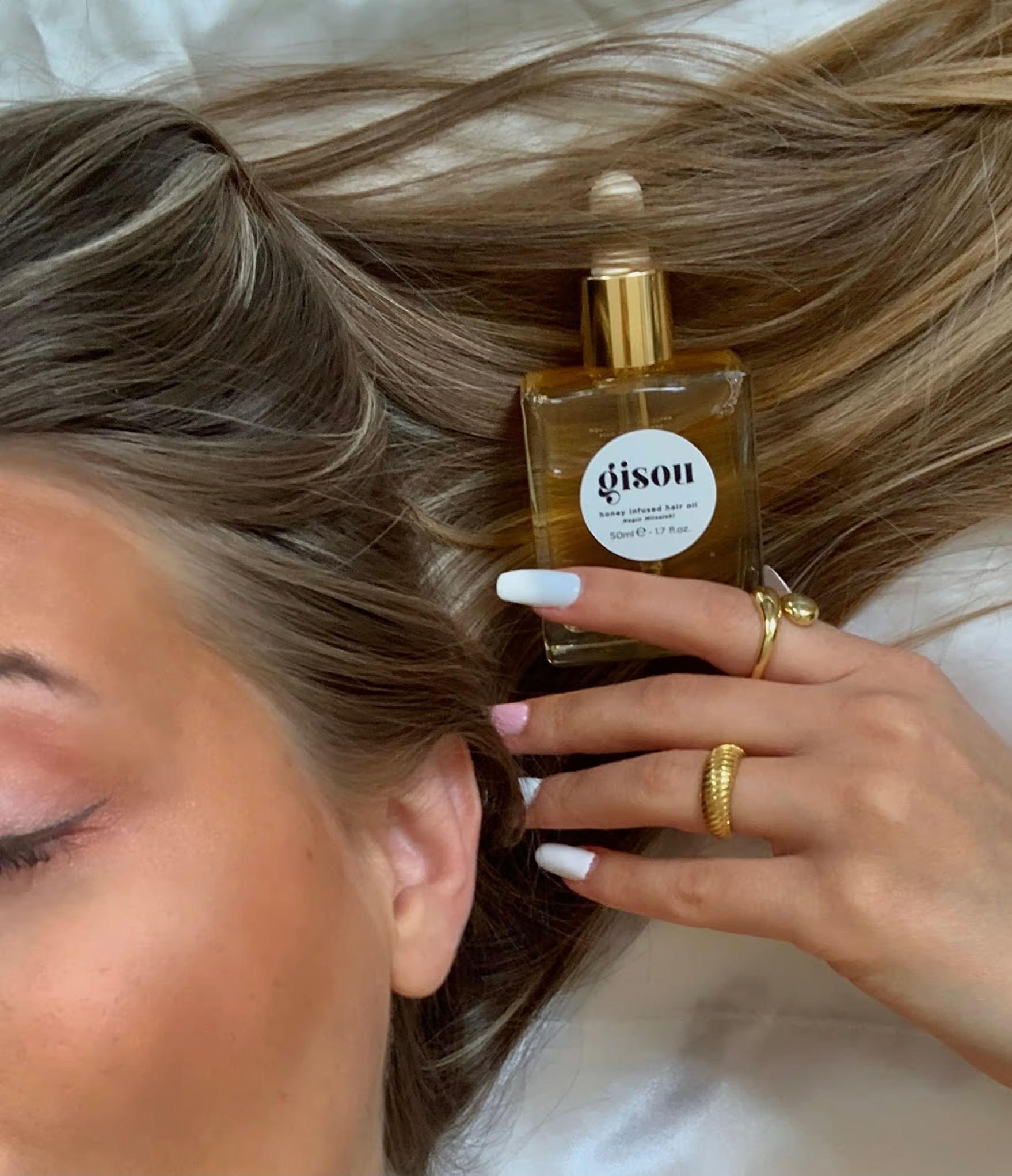
This category typically shows a creator applying, unboxing or reviewing a skincare or cosmetics product on camera, often as a "get ready with me," a straight product review, or a short before-and-after routine. Brands use it to build trust ahead of a launch, to supply raw footage for paid ad testing, or to give a TikTok Shop or Instagram Shop listing authentic proof next to studio photography. A typical brief covers one product, a short script, and either a talking-to-camera or a B-roll product-showcase format. Beauty is one of the most requested categories on the site, and paid ad usage is added as an optional extra on top of the base organic rate. A small independent skincare brand launching a new serum, for example, will often book two or three Beauty videos from the same shoot: one honest first-impressions clip, one short routine showing the product worked into an existing regimen, and one closer product shot for the listing page itself.
See Beauty & Skincare UGC examples →See it in action: a real Beauty UGC example
2. Fashion & Clothing
Fashion & Clothing UGC
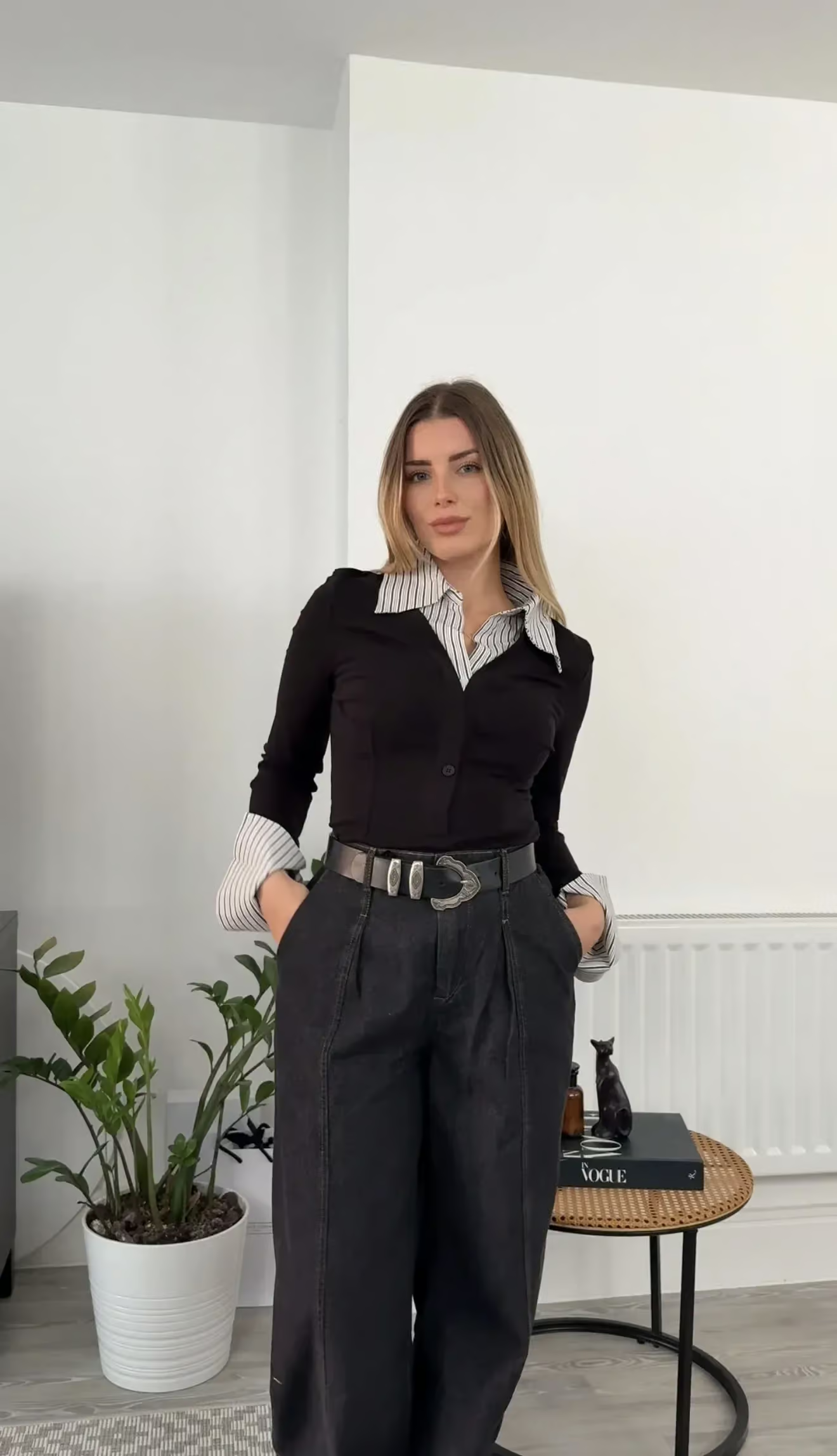
Fashion UGC covers try-on hauls, styling videos and outfit-of-the-day content, filmed either solo or, increasingly, as couple-led content where two creators style complementary pieces together on camera. Brands commission this for new drop launches, seasonal lookbooks, and size or fit proof points that a studio lookbook cannot provide on its own. Formats range from a single-garment showcase to a multi-piece haul with three to five outfit changes in one video. Because fashion content dates quickly once a collection moves on, most fashion briefs are turned around inside 10 working days so the footage is still current when it goes live. Independent clothing brands most often book this category around a seasonal drop or a small-batch release, where the creator's own body shape and styling choices double as fit and size guidance that a flat product photo cannot give a shopper.
See Fashion & Clothing UGC examples →3. Jewellery & Accessories
Jewellery & Accessories UGC
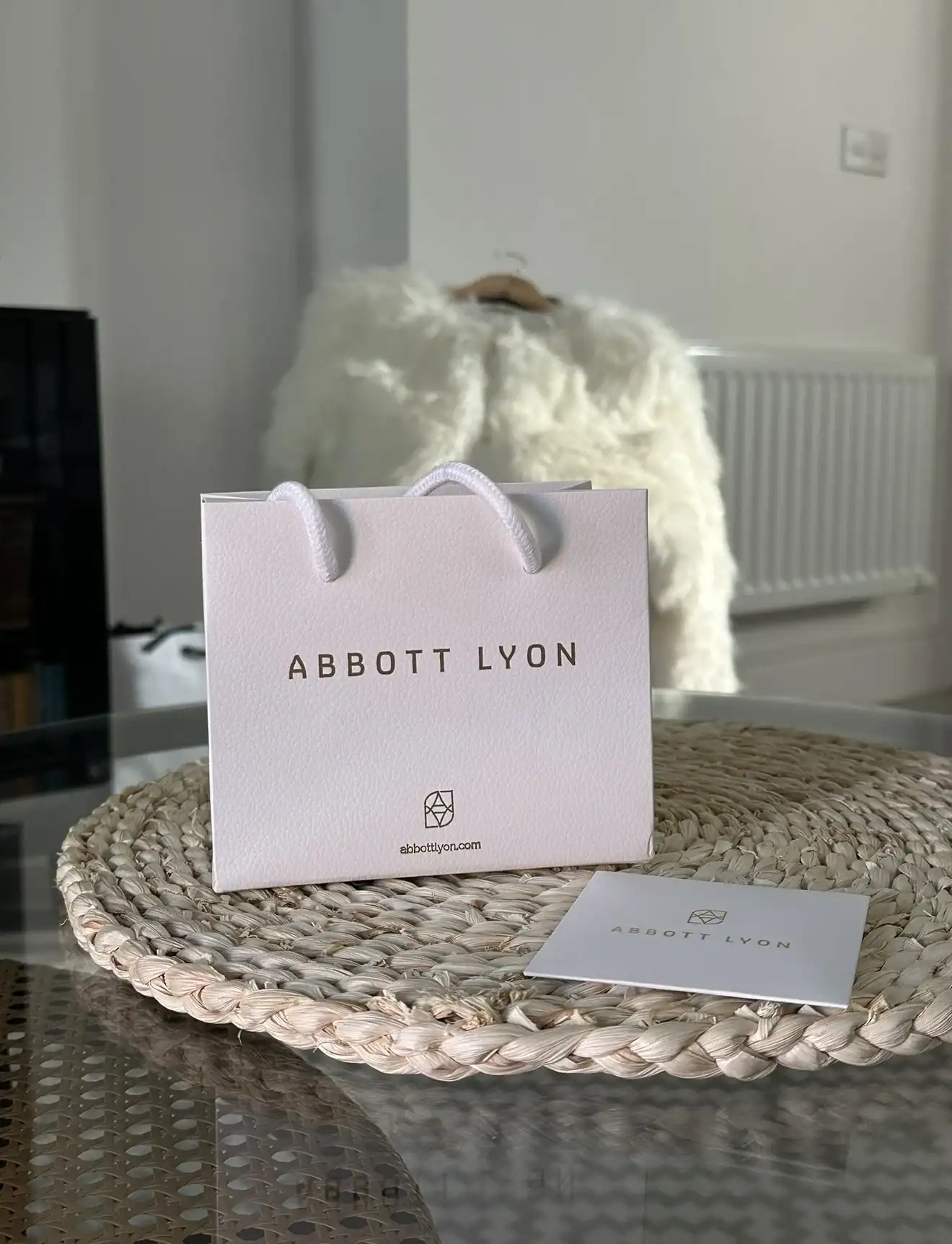
This category is close-up, detail-led work: macro shots of a ring or necklace catching the light, hand-modelling footage, layering demonstrations for multi-piece sets, and unboxing of gift packaging. Because the product itself is small, lighting and camera stability matter here more than in almost any other category, and briefs typically specify a plain or lightly textured surface rather than a full room set. Brands in this space lean on the footage heavily on product pages and paid social, where a slow macro pan regularly outperforms a wide lifestyle shot for on-page conversion. Gifting occasions drive a large share of bookings in this category specifically, so a good share of jewellery briefs ask for an unboxing angle even when the main product shot is a close-up macro rather than a full lifestyle scene.
See Jewellery & Accessories UGC examples →4. Food & Drink
Food & Drink UGC
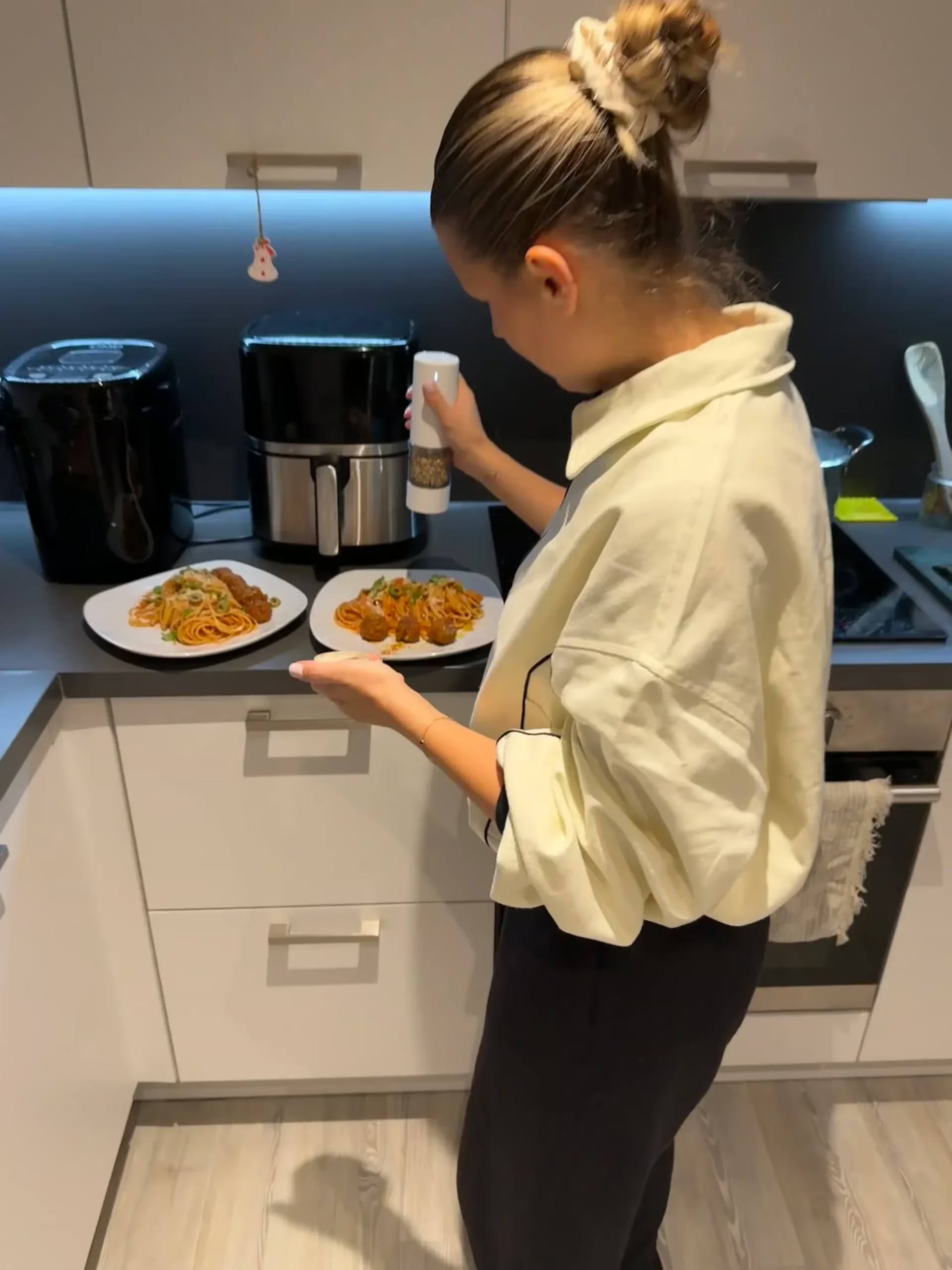
Food and drink UGC ranges from a single recipe demo built around one ingredient or kitchen product, to a taste-test reaction, to a full sit-down review of a subscription box or drink brand. A home-style kitchen and natural light are the default setting, chosen deliberately over a studio look because it reads as a genuine recommendation rather than an advert. Brands in this category often request two or three short clips from one shoot, a process shot, a reaction shot and a packaging close-up, so they have a small library to test in paid ads rather than a single asset. Subscription food and drink brands are especially frequent bookers here, since a new box arrives every month and each one gives a natural, low-effort reason to commission a fresh clip rather than reusing older footage.
See Food & Drink UGC examples →5. Wellness & Fitness
Wellness & Fitness UGC
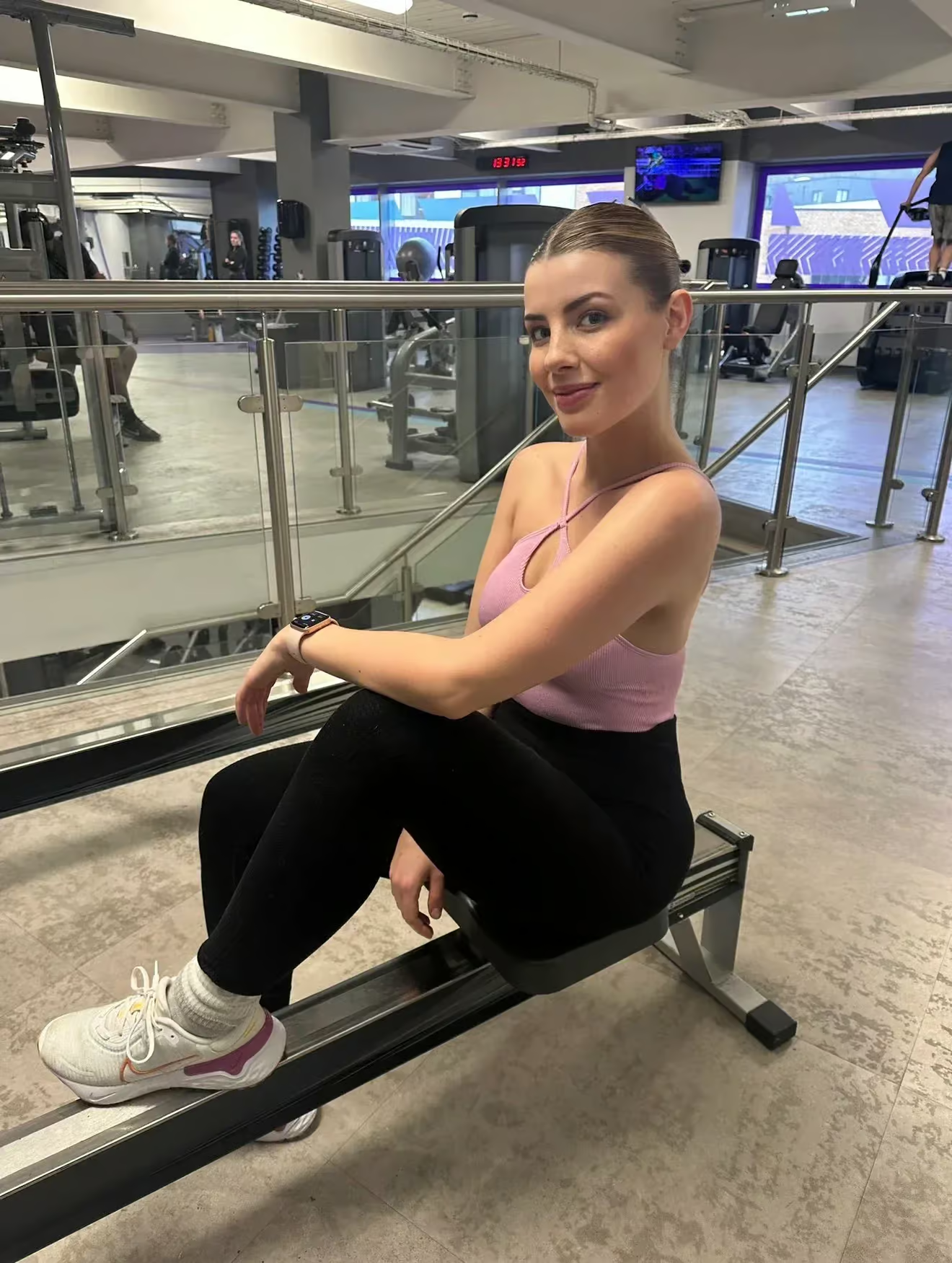
This category covers supplement and product reviews, short workout demonstrations, and morning or evening routine content built around a wellness product. Briefs commonly ask for a talking-to-camera segment explaining why the creator uses the product, cut together with B-roll of it in use. Wellness brands lean on this content specifically because health and lifestyle claims land differently coming from a peer than from brand copy, and paid ad usage is close to standard on every wellness brief rather than the exception it is elsewhere. Supplement brands in particular tend to book a short series rather than a single video, pairing one explanatory clip with a shorter, punchier cutdown built purely for a paid ad set.
See Wellness & Fitness UGC examples →6. Lifestyle

Lifestyle UGC
Lifestyle UGC is the broadest category on the site: home routines, day-in-the-life content, and general product integration into everyday moments that do not fit neatly into a single vertical. It is often the entry point for brands unsure which category their product belongs to, since a coffee brand, a homeware brand and a stationery brand can all brief lifestyle-format content and get a usable result. Because the brief is less prescriptive than in a tightly defined category, lifestyle UGC turnaround tends to sit at the faster end of the scale. New and pre-launch brands frequently start here before they have settled on a narrower category, using a lifestyle brief as a low-commitment first test of UGC before committing budget to a more specialised format.
See Lifestyle UGC examples →7. E-commerce & DTC

E-commerce & DTC UGC
Ecommerce and DTC UGC is built specifically for a product listing or checkout page rather than a social feed: unboxing, first impressions, and a straightforward walkthrough of what a shopper gets, mirroring what they are trying to work out before they buy. Brands running Amazon, Shopify or TikTok Shop listings use this content directly on the product page alongside studio photography, not just as a separate ad asset. For a deeper look at this category specifically, see our full guide to UGC for ecommerce and DTC brands. This is the category with the clearest, most measurable use case of the twelve: product pages that sit UGC-style video next to the buy button consistently hold a shopper's attention longer than a photo-only listing does on its own.
See E-commerce & DTC UGC examples →8. Tech & Electronics
Tech & Electronics UGC
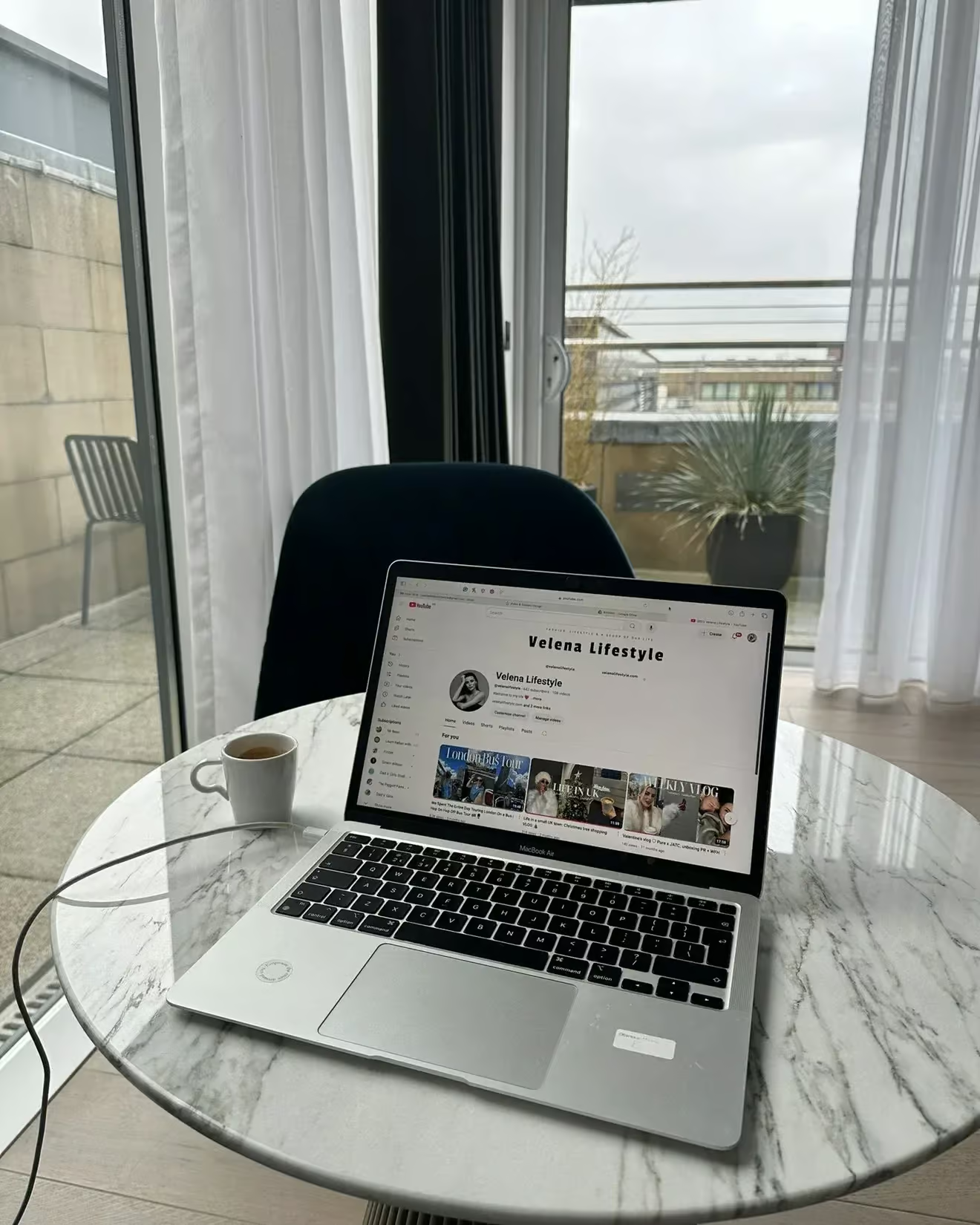
Tech UGC covers first-use setup videos, feature walkthroughs, and comparison-style content where a creator explains why one product solves a specific problem better than what they used before. Because tech products often carry more spec detail than a 15 second script can cover, this category sees a higher proportion of 45 and 60 second briefs than most others on the site. Brands use it for crowdfunding pages, launch-day ad sets, and as trust content sitting next to more polished commercial video. A gadget brand launching on a crowdfunding platform will often commission this category before the product has even shipped to retail, using early-access units to build a small library of real setup and first-use footage ahead of the public launch date.
See Tech & Electronics UGC examples →9. Apps & SaaS
Apps & SaaS UGC
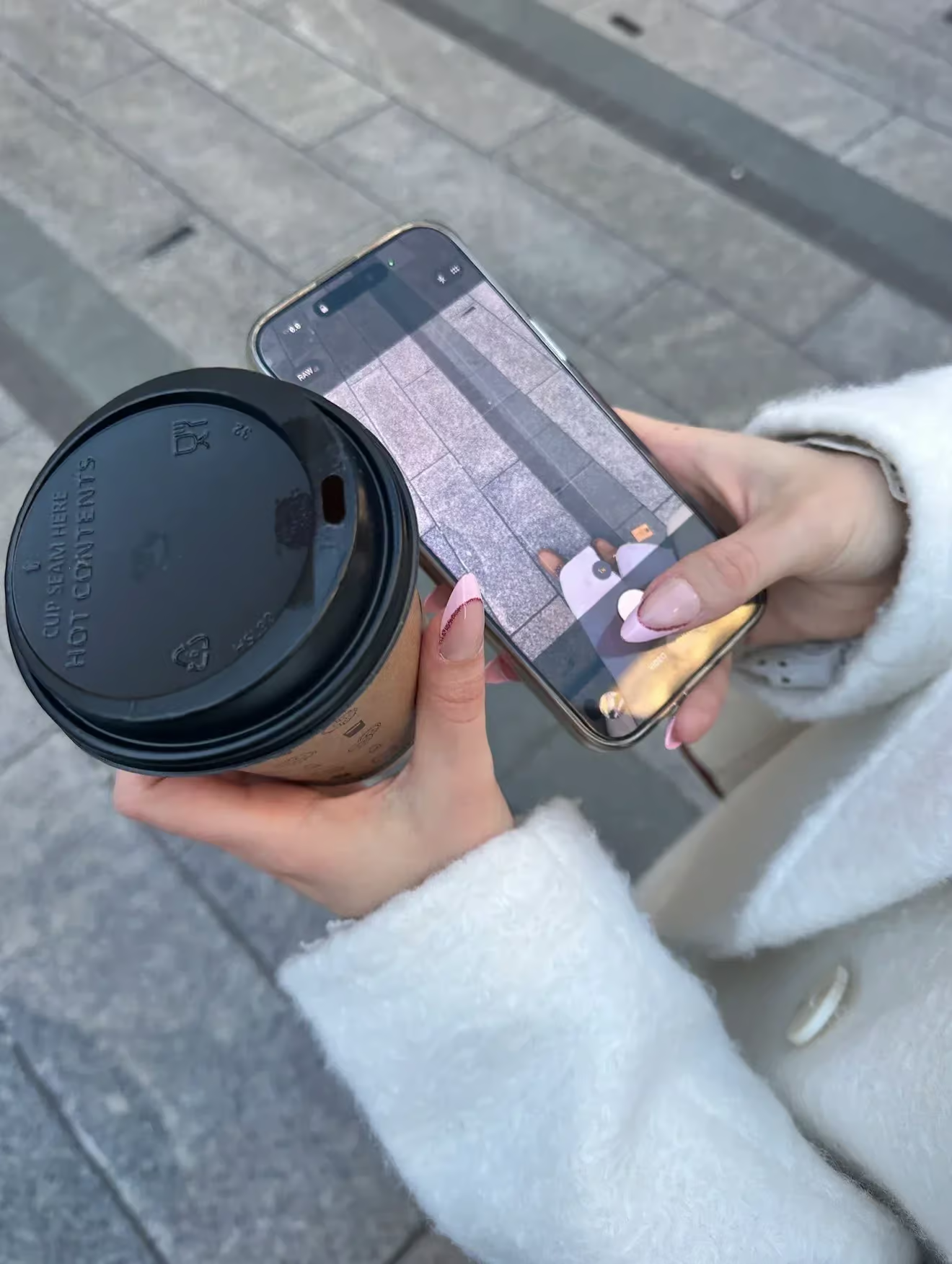
App and SaaS UGC is screen-recording-led: a creator narrates their way through a real workflow inside the app, showing the specific problem it solves rather than reciting a feature list. This is the only category on the site where the brief usually includes app or software access rather than a physical product shipped to the creator, and scripts are built around a single use case per video rather than a full feature tour. SaaS brands use this content to bridge the gap between a demo video, which explains the product, and UGC, which shows someone actually getting value from it. See our dedicated guide to UGC for SaaS and app brands for the full breakdown. Because the creator needs real hands-on time inside the product before filming, SaaS briefs generally take slightly longer to turn around than a physical-product category, and it is worth building that extra day or two into your launch timeline.
See Apps & SaaS UGC examples →See it in action: a real Fashion UGC example
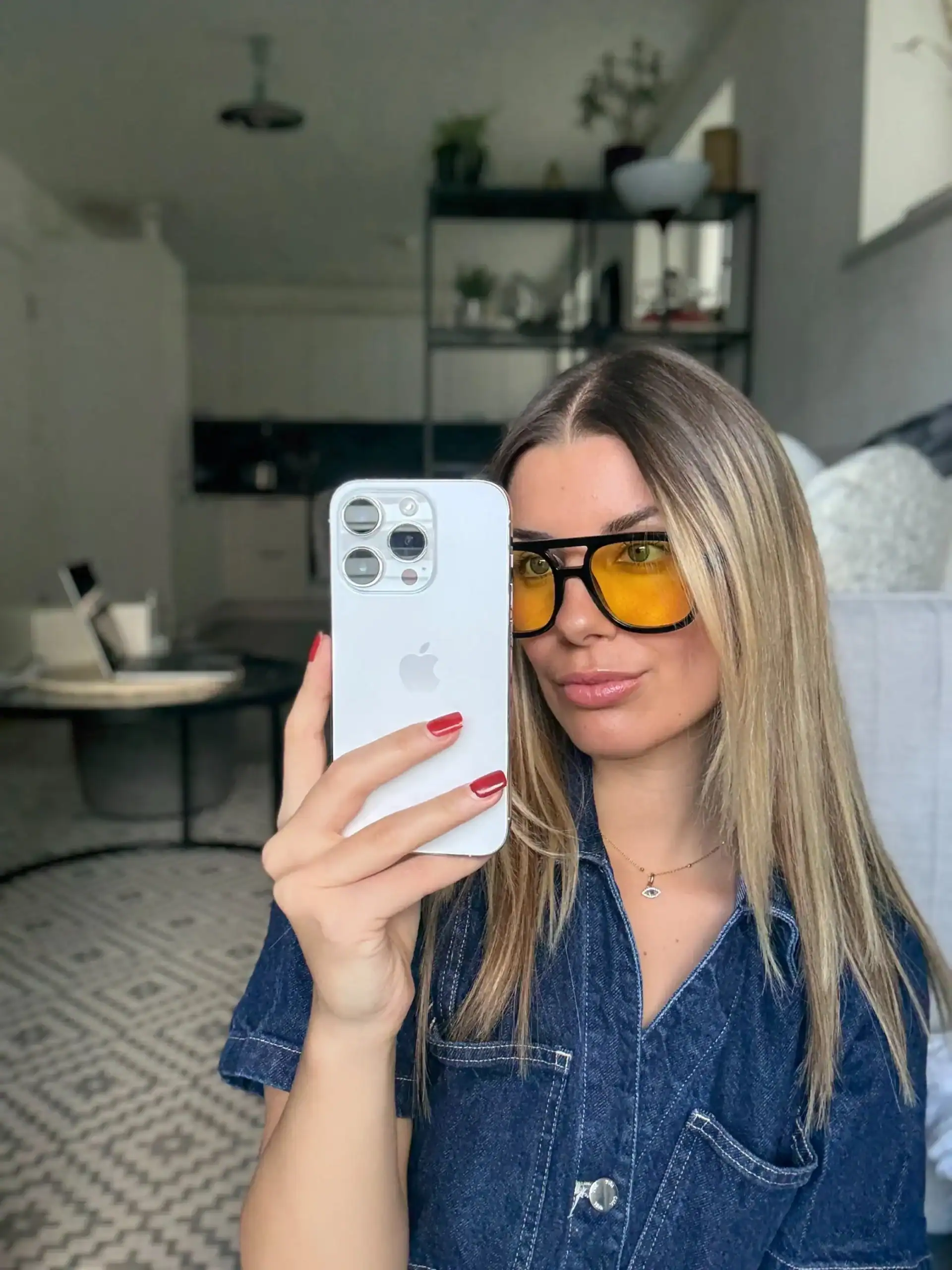
10. UGC Testimonials
UGC Testimonials
Testimonial UGC is a creator speaking directly to camera about their experience with a product or service, structured closer to a video review than a lifestyle clip. Briefs are built around three or four talking points rather than a full script, so the delivery still sounds like an honest recommendation rather than a read-aloud advert. Brands use this content on landing pages next to written reviews, in email sequences, and increasingly in paid ads, where a specific, spoken testimonial regularly outperforms text-only social proof. Service businesses and subscription products book this category more often than physical retail brands do, since a spoken result over several weeks or months is harder to convey through a product shot alone.
See UGC Testimonials examples →11. UGC Unboxing
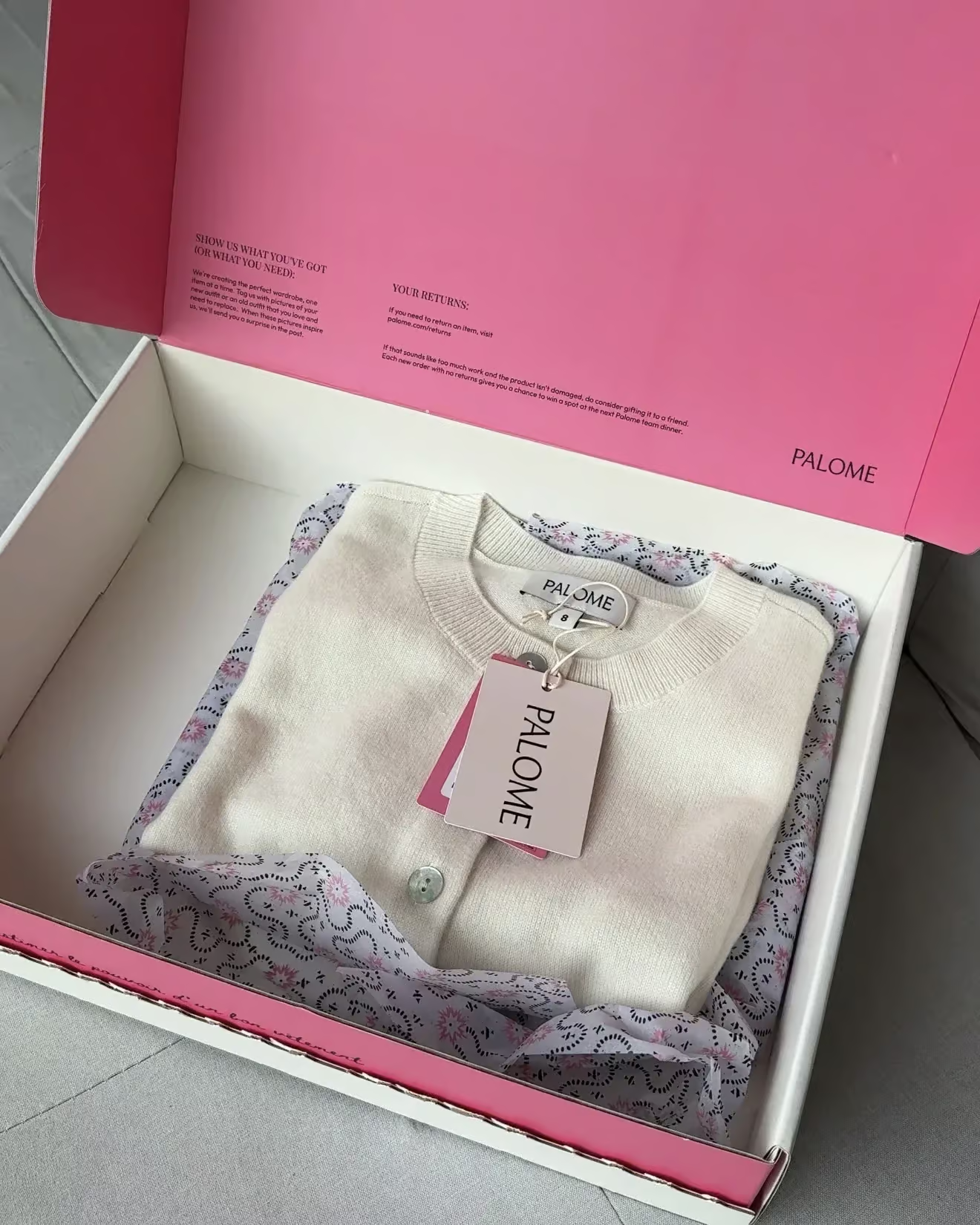
UGC Unboxing
Unboxing UGC follows the moment a package arrives through to the first use of what is inside: box, packaging, first reaction, and initial impressions. It is one of the most requested formats for subscription boxes and gift-style products, because the format mirrors what a customer sees when their own order arrives, which makes the finished ad feel less like marketing and more like a preview. Most unboxing briefs run 15 to 30 seconds, kept tight so pacing does not drag through the packaging before the product itself appears on screen. Brands investing in premium or branded packaging get particularly strong value from this category, since the format puts that design work on screen in a way a product photo on its own rarely captures.
See UGC Unboxing examples →12. UGC Paid Ads Creatives
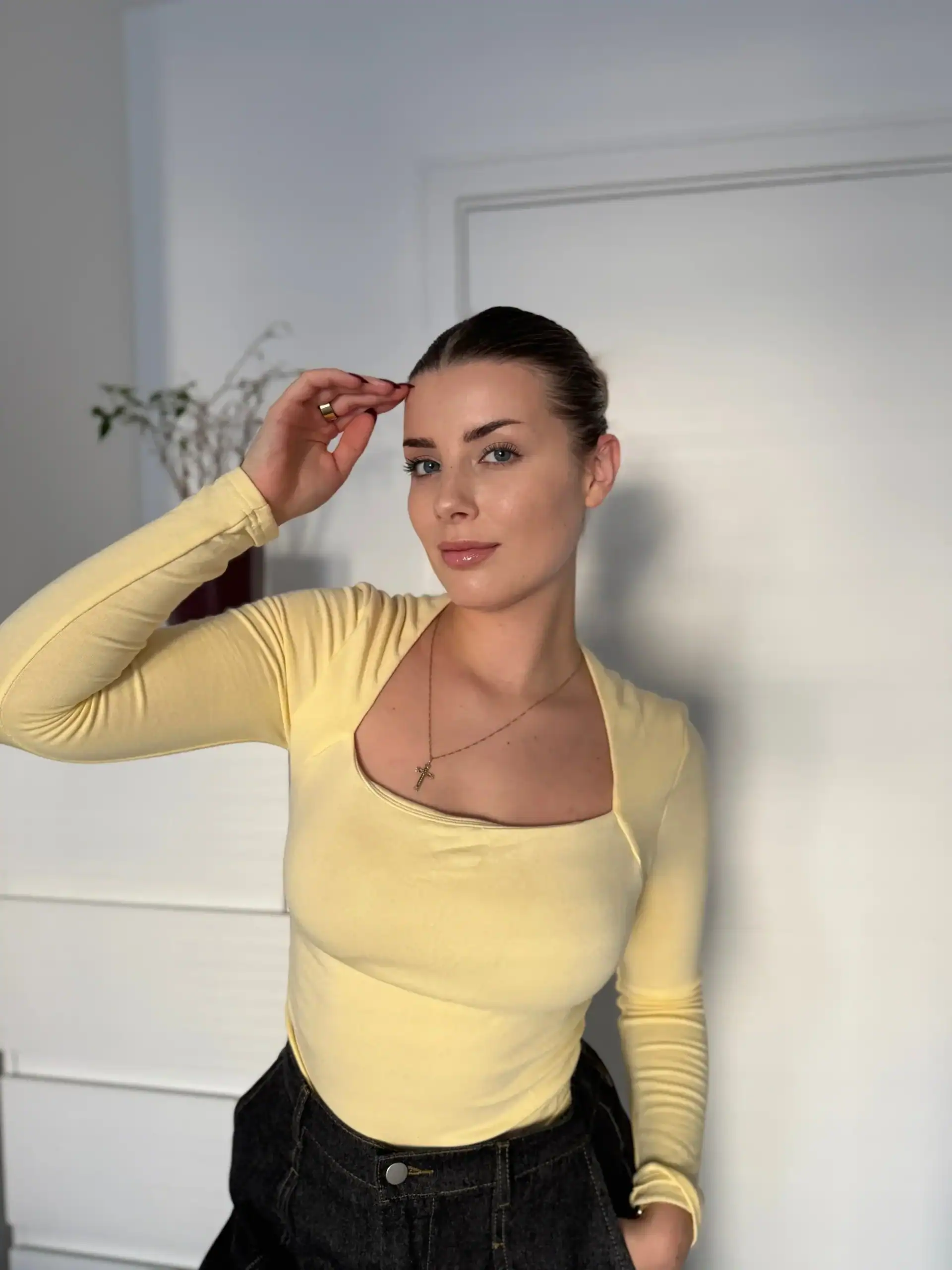
UGC Paid Ads Creatives
This category is not defined by the product but by the intent: every clip is briefed and scripted specifically to work as a paid ad, with a hook in the first two to three seconds, a single clear message, and a call to action built into the final few seconds rather than left to the caption. Brands running performance marketing use this category directly, often ordering multiple hook variations from one shoot so they have several ad angles to test against each other rather than a single creative running until it fatigues. Because ad creative wears out with repeated impressions faster than organic content does, brands with an active paid budget tend to return to this category on a rolling basis rather than treating it as a one-off purchase.
See UGC Paid Ads Creative examples →How to Choose the Right UGC Type for Your Brand
If more than one category above seems to fit, start with what the video needs to do rather than what industry you are in. A single product with a clear before-and-after, such as skincare, a supplement or a cleaning product, almost always performs best as a straightforward review or demonstration format, closer to the Beauty, Wellness or Food and Drink patterns above. A product that only makes sense once someone sees it in use, such as software, a gadget with several features, or anything with a learning curve, needs the longer, walkthrough-style format used in the Tech and Apps and SaaS categories, since a 15 second clip cannot carry that much explanation.
If your goal is a specific product listing rather than a general brand video, lean toward the E-commerce and DTC or Unboxing formats, both of which are built to sit next to a buy button rather than live purely in a social feed. If your goal is paid performance marketing and you plan to test several hooks against each other, brief the Paid Ads Creatives category directly rather than asking an organic-style category for ad usage rights after the fact, since the script structure is different from the first line.
A simple rule that holds across all 12 categories: match the format to the moment a customer is actually in, not to the category label. Someone scrolling casually responds to Lifestyle or Fashion-style content that feels like a peer's normal post. Someone already comparing options responds better to a Testimonial or a Tech-style walkthrough that answers a specific doubt. Someone at the checkout responds to E-commerce or Unboxing content that confirms what they are about to receive. If you are still unsure which category fits after reading the breakdowns above, get in touch and describe the product; matching it to the right format is part of the brief process, not something you need to work out alone first.
Quick Comparison: All 12 UGC Types
A side-by-side view of every category, its typical length, and where the base price starts, so you can compare before you commit to a brief.
| UGC Type | Typical Length | From | Portfolio |
|---|---|---|---|
| Beauty & Skincare | 15 to 45 seconds | £140 | View |
| Fashion & Clothing | 15 to 30 seconds | £150 | View |
| Jewellery & Accessories | 15 to 30 seconds | £150 | View |
| Food & Drink | 15 to 45 seconds | £160 | View |
| Wellness & Fitness | 15 to 45 seconds | £150 | View |
| Lifestyle | 15 to 30 seconds | £130 | View |
| E-commerce & DTC | 15 to 30 seconds | £150 | View |
| Tech & Electronics | 30 to 60 seconds | £165 | View |
| Apps & SaaS | 30 to 60 seconds | £180 | View |
| UGC Testimonials | 30 to 45 seconds | £120 | View |
| UGC Unboxing | 15 to 30 seconds | £125 | View |
| UGC Paid Ads Creatives | 15 to 30 seconds | £155 | View |
All 12 base prices are for a single video with one revision round on organic usage. Paid ad usage rights, whitelisting and raw footage licensing are optional add-ons priced on top, and bundles of three or more videos carry a volume discount across every category. For the full breakdown of how UGC pricing works in the UK, see our UGC rates guide or try the free UGC rate calculator.
Featured UGC Portfolio Showcase
A closer look at four of the categories above, straight from the live portfolio.
Want This Handled Every Month, Not Just Per Video?
UGC videos are the raw material. If you also need someone posting, planning and managing the channel around them, our social media management plans cover that. Cancellation on any plan requires 2 months notice.
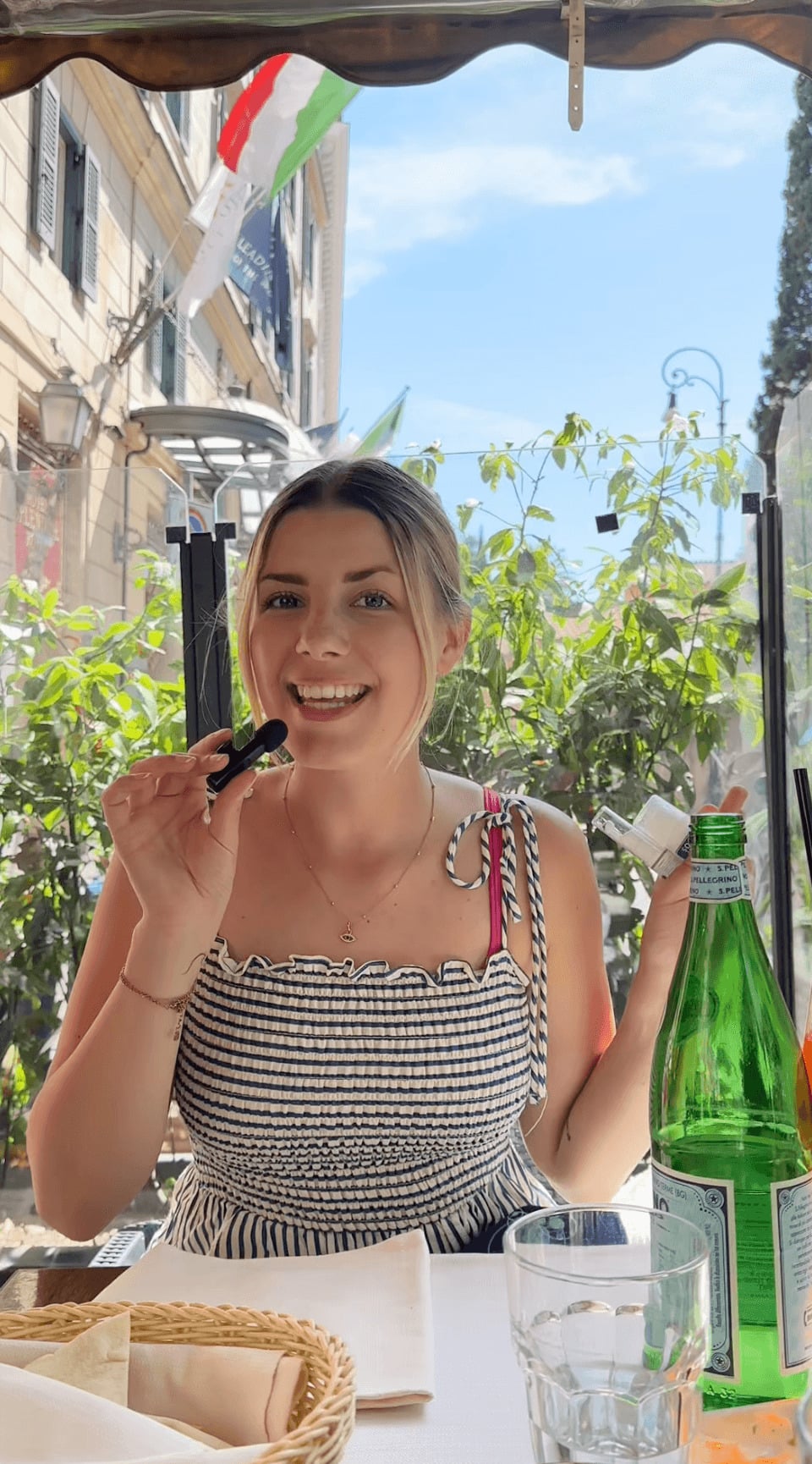

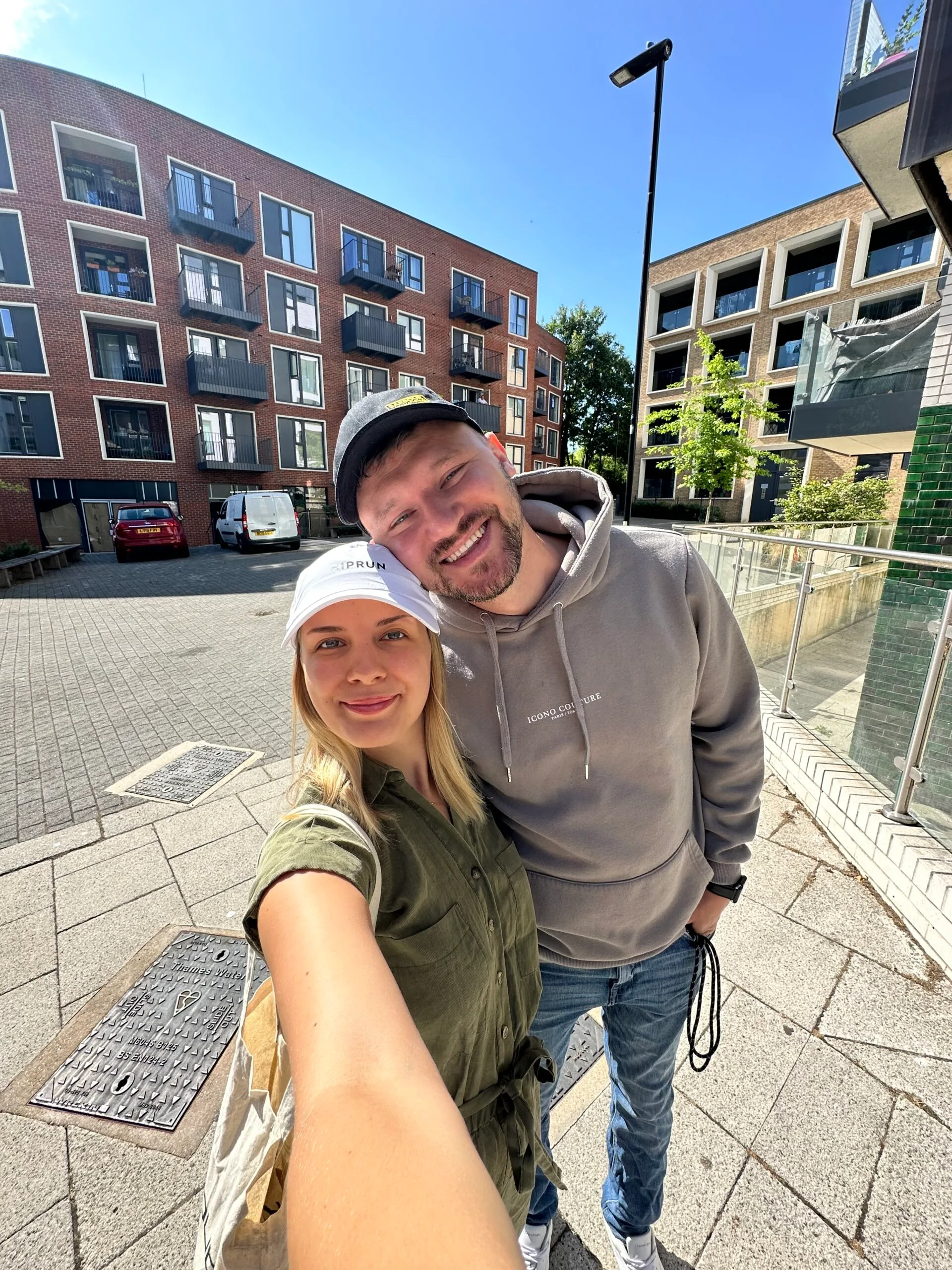
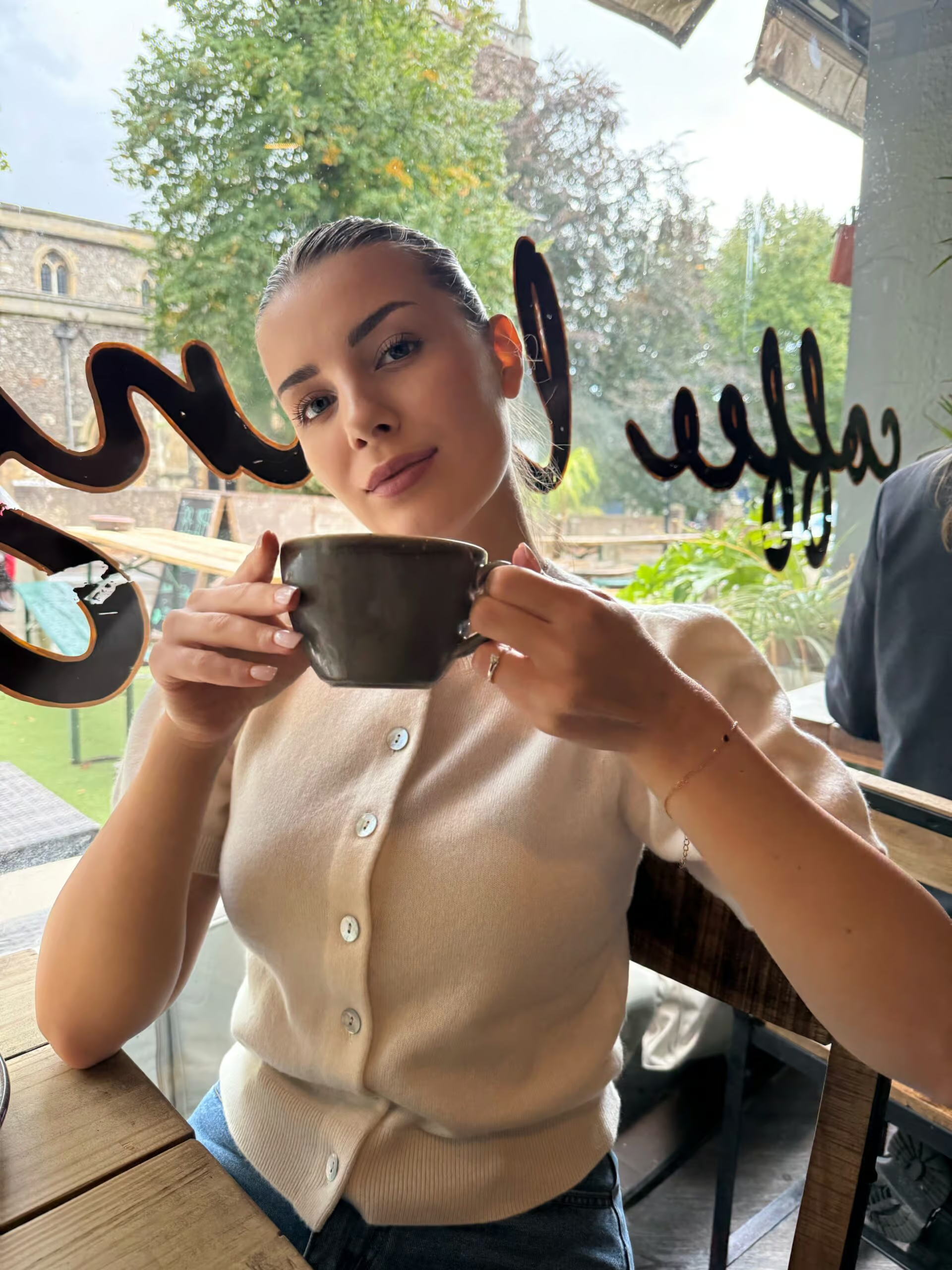
More Real Examples On YouTube
Velena Lifestyle: UGC & Client Work
Showcasing UGC content style and client work across every category above.
Watch on YouTube →Velena and Dragos
Travel, food and behind-the-scenes content from the founders themselves.
Watch on YouTube →What To Send Us When You Book
Once you know which category fits, the brief itself only needs a handful of things to get moving: the product or app access itself, a one-line summary of the single message you want the video to land, any brand guidelines around tone or claims you cannot make, and whether you need organic-only usage or paid ad rights. You do not need a full script written in advance. Most creators work from a short brief and talking points rather than a word-for-word script, since a video read verbatim from a page rarely sounds like genuine UGC once it is on screen.
Frequently Asked Questions
What is the most popular type of UGC content?
Beauty and skincare, fashion, and paid ads creative are the most commonly requested categories on the site, largely because those industries run the highest volume of paid social campaigns that need fresh creative on a regular cycle.
How long should a UGC video be?
Most UGC examples run 15 to 30 seconds for organic and TikTok Shop content, and up to 45 or 60 seconds for categories with more to explain, such as tech, SaaS and testimonials.
Do I need paid ad usage rights for every UGC video?
No. Organic-only usage is the base rate on every category listed above. Paid ad usage, whitelisting and raw footage are optional add-ons, priced on top of the base rate, and only needed if you plan to run the content as a boosted or paid ad rather than posting it organically.
Can I combine two categories in one brief, for example a beauty product with a wellness angle?
Yes. Briefs are written around your product and the specific angle you want, not strictly locked to one category label. Mention the crossover when you book and it is scripted accordingly.
How is UGC different from influencer marketing?
UGC is commissioned content built to look native and organic, usually without the creator's own following attached to the deal. Influencer marketing pays for a creator's existing audience and reach alongside the content itself. See our what is UGC guide for the full definition.
What does a typical UGC turnaround time look like?
Most single-video briefs are delivered within 5 to 10 working days from receiving the product or app access, depending on category and current booking volume.
Can UGC be used across more than one platform?
Yes. Most briefs are delivered in a vertical 9:16 format suitable for Instagram Reels, TikTok and YouTube Shorts, with square or landscape crops available on request.
What Clients Say
"Velena is truly one of our standout creators at Picsart. She consistently brings fresh, innovative ideas to the table and is always tapped into the latest trends. What we especially love is how seamlessly she incorporates AI into her content in a way that feels natural and engaging."
"Fantastic service. Been a client for 3 years now and have seen fantastic results, increased viewers, followers and viral videos. Copywriting was on point and has been used in magazines like Conde Nast, Timeout and more."
Who's Behind The Camera
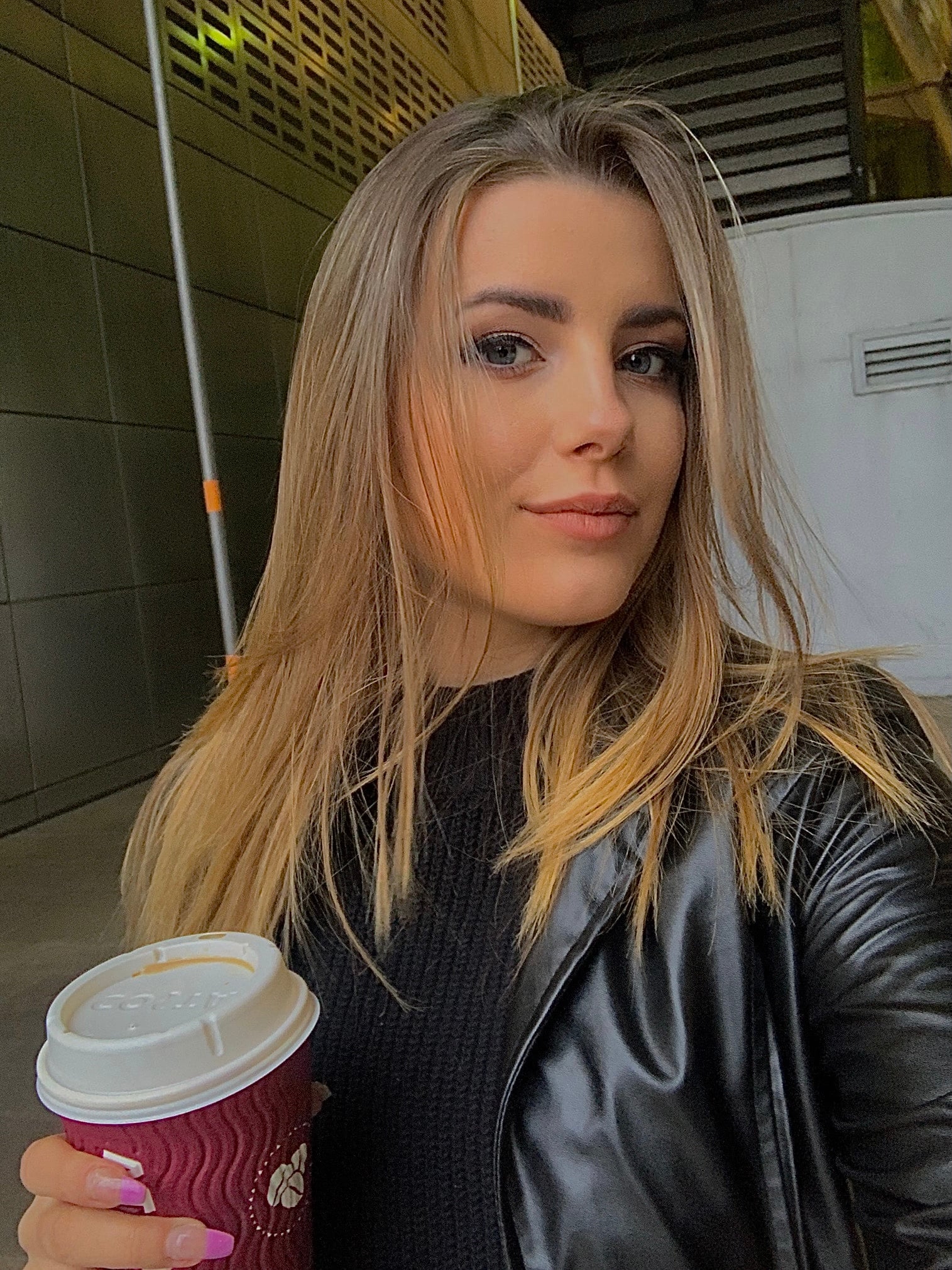
Velena Nikolova
Velena is the on-camera creator and creative lead behind the majority of the portfolio examples in this guide, with 13K Instagram followers and content featured in Women's Health.

Dragos Nistor
Dragos leads strategy and business development at Velena Lifestyle, and is a LinkedIn Top Entrepreneurship Voice with a 25K+ network.

Velena Lifestyle is a UK-based social media and UGC agency creating content across all 12 categories above for brands including Picsart, No Escape London and Purgatory Bar. Featured in Women's Health, with client work appearing in Vogue, Condé Nast and TimeOut. To brief a specific category, visit our work page or browse the full UGC portfolio.
Ready To Brief Your UGC?
Tell us which category fits, or if you are not sure, we will help you work it out. Every brief includes one revision round as standard.
Get Started