
- A review video you commissioned is an advert, not a customer review. If you paid for it, gave the product free or approved the script, label it as an ad wherever it appears.
- Since 6 April 2025 the Digital Markets, Competition and Consumers Act bans fake consumer reviews and concealed incentivised reviews, and the CMA can fine a business up to 10 percent of its global turnover without going to court.
- Never put a paid review video in your reviews section, count it in a star rating, or let the presenter pose as an ordinary buyer.
- What makes a paid review persuasive is honesty buyers can see: real use, specific detail, one genuine limitation and a verdict that says who the product is not for.
- The claims are yours to prove. Testimonials are never evidence on their own, so every factual line in the script needs support you already hold.
- Our product review videos are a format inside every UGC range, at that range's price, from £120 a video in the Testimonials range.
What a product review video is, and what it is not
A product review video is a short piece of video, usually vertical and usually under a minute, in which a real person who has used your product gives a verdict on it to camera. It is made for the moment just before a purchase: the product page, the advert shown to someone who looked and left, the email to the person whose basket is still full. Its job is to answer the question a photograph and a list of features cannot, which is "what is this actually like to own?"
That definition hides a distinction that matters more than anything else in this article. The word "review" covers several quite different things, and UK law treats them very differently. Buyers do not read the small print of how a video was made, so the responsibility for keeping them apart sits with the brand. Before you brief anything, it helps to be clear which of these four you are buying.
The rest of this guide is about the third box: the commissioned review video, which is what brands mean when they order product review UGC. It is a legitimate, useful and often very effective format. It simply has to be presented as what it is. Our product review videos page shows the finished work; this article is about the decisions that sit behind it.
Why a paid review is an advert in UK law
Three sets of rules meet here, and they point the same way.
The CAP Code. The UK Code of Non-broadcast Advertising, enforced by the Advertising Standards Authority, requires marketing to be obviously identifiable as marketing. The ASA and CAP's influencers' guide to making clear that ads are ads explains that content becomes an advert when a brand pays for it, in money or in kind, and has some control over it. The Code now also carries three rules on reviews. As the ASA's advice on fake consumer reviews sets out, rule 3.44 says marketing must not contain fake consumer reviews, rule 3.45 says it must make clear where consumer reviews have been incentivised, and rule 3.46 says reviews must not be published in a misleading way, for example by leaving out that a reviewer was commissioned. The same page adds the line that settles the question for brands: where a marketer has editorial control over third party content, it is treated as advertising rather than as an incentivised review.
Consumer law. The Digital Markets, Competition and Consumers Act 2024 added fake reviews to the list of commercial practices that are banned outright, from 6 April 2025. A fake consumer review is one that purports to be, but is not, based on a person's genuine experience, as Lewis Silkin's summary of the Act puts it. Commissioning a review that hides the fact it was incentivised is banned too, and Lewis Silkin notes that "incentivising" covers cash, price reductions, free items and stays. The Competition and Markets Authority's short guide for businesses that publish consumer reviews confirms that a review can be speech, giving "a verbal opinion expressed in a video on a sharing platform" as an example. A video is not outside the rules because it is a video.
The CMA's guidance for creators. The CMA's guide Social media endorsements: being transparent with your followers, last updated on 3 September 2025, treats any incentive as payment, including free products, and tells creators not to imply they are an ordinary consumer when they are promoting a brand, not to claim they have used a product when they have not, and to put the disclosure at the start of a video rather than in a bio or at the end.
The stakes are no longer theoretical. Since April 2025 the CMA can decide for itself that consumer law has been broken and fine a business up to 10 percent of its global turnover, without going to court first. On 27 March 2026 it opened investigations into five businesses over their review practices, including whether one asked staff to write positive reviews and whether another gave customers discounts for five star ratings without saying so. Fake reviews are not a small problem either: research for the Department for Business and Trade estimated that 11 to 15 percent of all reviews for three common product categories on UK shopping sites were fake, causing £50 million to £312 million of harm to UK consumers a year, by its own conservative estimate.
None of this makes review videos risky to buy. It makes them risky to present badly. A commissioned review that says plainly it is an advert is lawful, ordinary and, done well, very persuasive. The trouble starts only when a brand tries to make it look like something it is not. Our own terms put it in one sentence: we will not present a paid, scripted video as an unsolicited independent review. This article is not legal advice, and if your category is regulated you should check with your own adviser, but every rule above can be read in full at the links in the references.
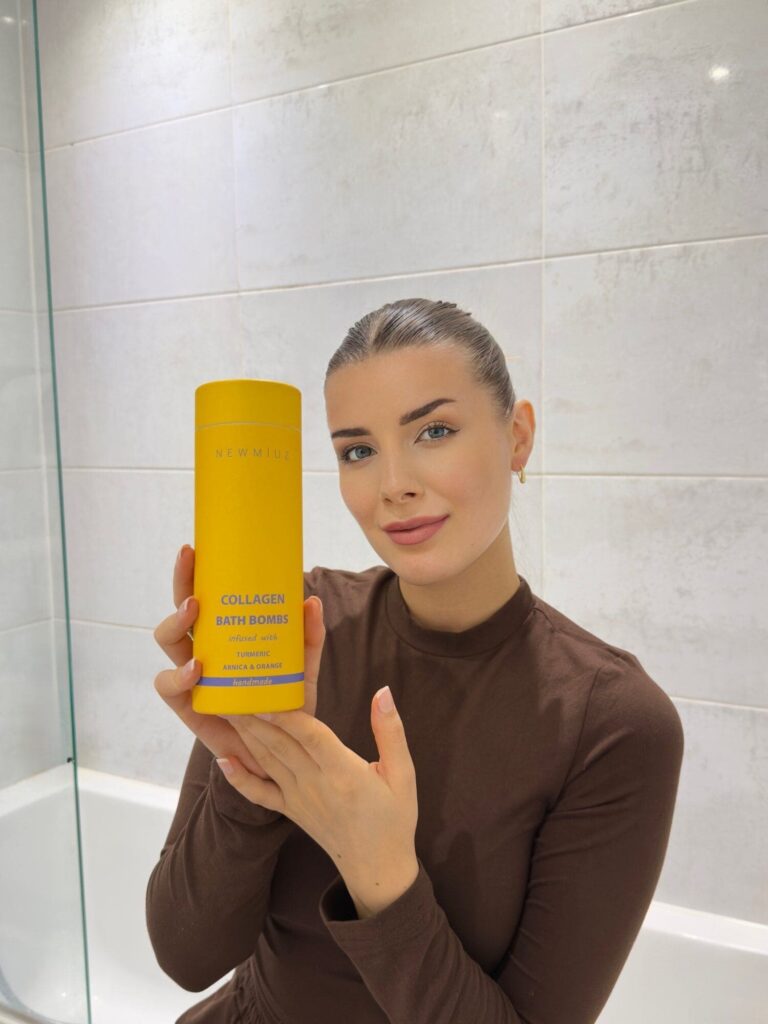
Five lines a paid review must never cross
Most problems with review videos come from the same five places. Each one is easy to avoid at the briefing stage and painful to fix after a complaint.
- Showing it as a customer reviewA commissioned video must never sit in your reviews widget, carry a star rating, or count towards your average score or review total. The CMA treats ratings, counts and summaries as review information too, so a paid video counted into "4.8 from 312 reviews" makes the whole figure misleading. Show it beside the product, not among the reviews.
- Posing as an ordinary buyerLines such as "I just bought this", "nobody paid me to say this" or "my honest unsponsored opinion" are false in a commissioned video, however genuine the opinion. The presenter can say how long they have used it and what they think. They cannot pretend the brand is not involved.
- Hiding or delaying the labelThe disclosure has to be clear before someone engages, not tucked into a bio or a closing caption. The CMA's guidance says audio and video disclosures belong at the start, and that "#gift", "#collab" and "#sponsored" on their own are not clear enough. "Ad" at the very start, plus the platform's own paid partnership tool, is the safe position.
- Claiming use that did not happenIf the video says "after a month", the presenter must have used it for a month. If it shows a result, the result must be real, filmed under the same light and angle, with the real timeframe stated. A before and after that needed a filter is a fake review in all but name.
- Making claims nobody can proveA verdict is opinion, and opinion is allowed. "It cleared my skin in a week" is a factual claim, and putting it in a presenter's mouth does not remove the need for evidence. If you could not print the claim on the box, it does not belong in the script.
Notice what is not on the list. Nothing says a paid review has to be lukewarm, and nothing stops a presenter from loving a product they genuinely love. The rules are about honesty of presentation, not about tone. A warm, enthusiastic, clearly labelled verdict is fine. A cool, "neutral" verdict dressed as a customer review is not.
What makes a review video believable
Here is the commercial argument for doing all of the above properly: honesty is what makes the format work. Buyers have watched thousands of review videos and they know the shape of a rave. The videos that move them are the ones that sound like a person who has lived with the product, and the details that create that impression are the same details the law asks for.
Those five elements give a review video a natural structure. It opens on the question buyers ask, briefly shows who is talking and how they used the product, shows the evidence, admits the catch, gives the verdict and ends on what to do next. Thirty seconds holds all of it if the script is tight; sixty seconds allows a more considered purchase to breathe.
One point on the opening. A review video is often watched by someone who already knows the product exists, so the hook is not "have you heard of this?" but the doubt they are holding: "is it worth the price?", "does it work on curly hair?", "will it fit a small kitchen?". Name the doubt in the first two seconds and the right viewer stays. On the formats we make, Standard and Premium videos come with two or three opening hooks, so you can test which doubt your buyers care about most.
Our product review packages
A product review is a format you ask for in your brief, not a separate product. Every UGC range we sell films it, at that range's price, and the Testimonials range is built around it. The video is filmed and edited in house by our team, and you choose who is on camera: Velena, Dragos, both of them, nobody with a voiceover, or no preference. The price is the same whichever you choose.




The choice between packages comes down to where the video will run. For your product page and your own channels, Basic is enough. For a retargeting advert you need advert rights, which start at Standard, because Basic has none; buying Basic first and then wanting to advertise means paying twice. If your team wants to cut several adverts from one shoot, Premium adds the raw footage, which cannot be added after filming. The Testimonials range also has its own packages page with every package side by side.
How to brief a product review video
The brief decides whether the video can be honest and persuasive at the same time. These are the lines we ask for, and each one exists because leaving it out costs a shoot or a rewrite.
- The doubt you want answeredOne sentence: the hesitation that stops people buying. "People think it is too expensive for a moisturiser" is a brief. "Make it look great" is not. The whole video is built around answering that doubt honestly.
- Who the buyer isTheir age range, their routine, their budget, what they use now. A review aimed at a first time buyer sounds different from one aimed at someone switching from a rival, and the presenter needs to know which conversation they are having.
- Your approved claims listEvery factual statement the video may make, with the evidence held behind it. If a claim is not on the list, it does not go in the video. This protects you more than it protects us, as the next section explains.
- What the presenter may say about limitationsAgree in advance how a downside is handled. Most brands are happier than they expect to be with an honest "it takes a few seconds longer to heat up", because it is true and buyers know it. If something would read badly on camera, we tell you before filming, not after.
- Time with the productSend the product early enough for real use. A serum reviewed after a single application can only describe the first impression, so either allow time or brief the video as a first impressions piece and say so on camera.
- No rival namedComparisons that name another brand bring advertising rules of their own and an obvious risk of complaint. "What it replaced in my routine" makes the same point without naming anyone.
- Where it will run, and how it will be labelledProduct page, organic post, retargeting advert, email. The placement decides the format, the length, the rights you need, and the label, so it belongs in the brief rather than being decided after delivery.
- Who is on cameraVelena, Dragos, both, a voiceover with hands only, or no preference. For a review, a face usually earns more trust; for a product where the result is the point, hands and a voice can be enough.
After you order, you send your order number, the brief and your approved claims, and we reply within one business day. On Standard and above we write the script for you to approve, and nothing is filmed until the brief and the script are agreed in writing. Then the product comes to us by tracked post in High Wycombe, Buckinghamshire, and the delivery time counts from the day it arrives.
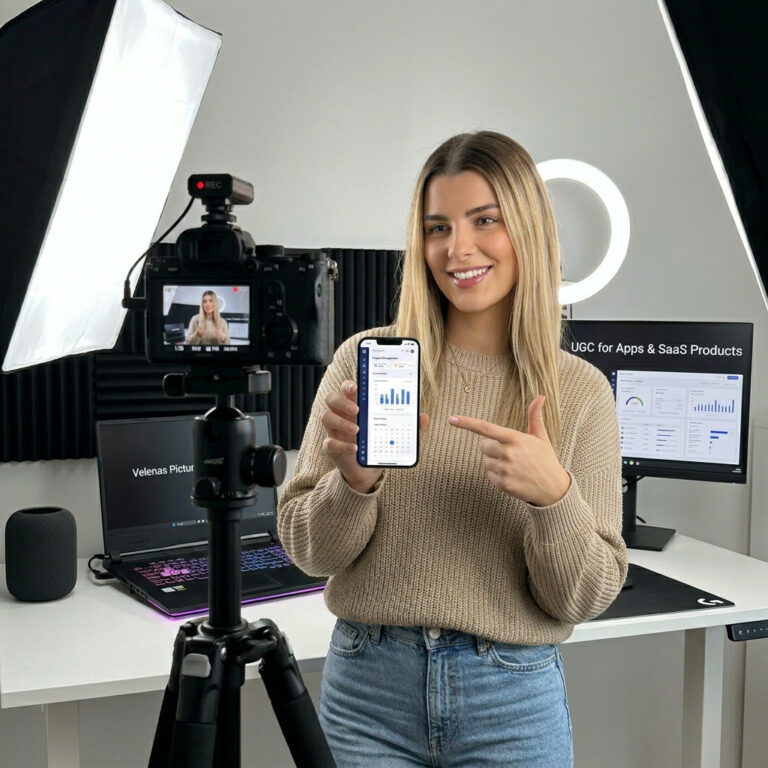
Watch product review videos we have made
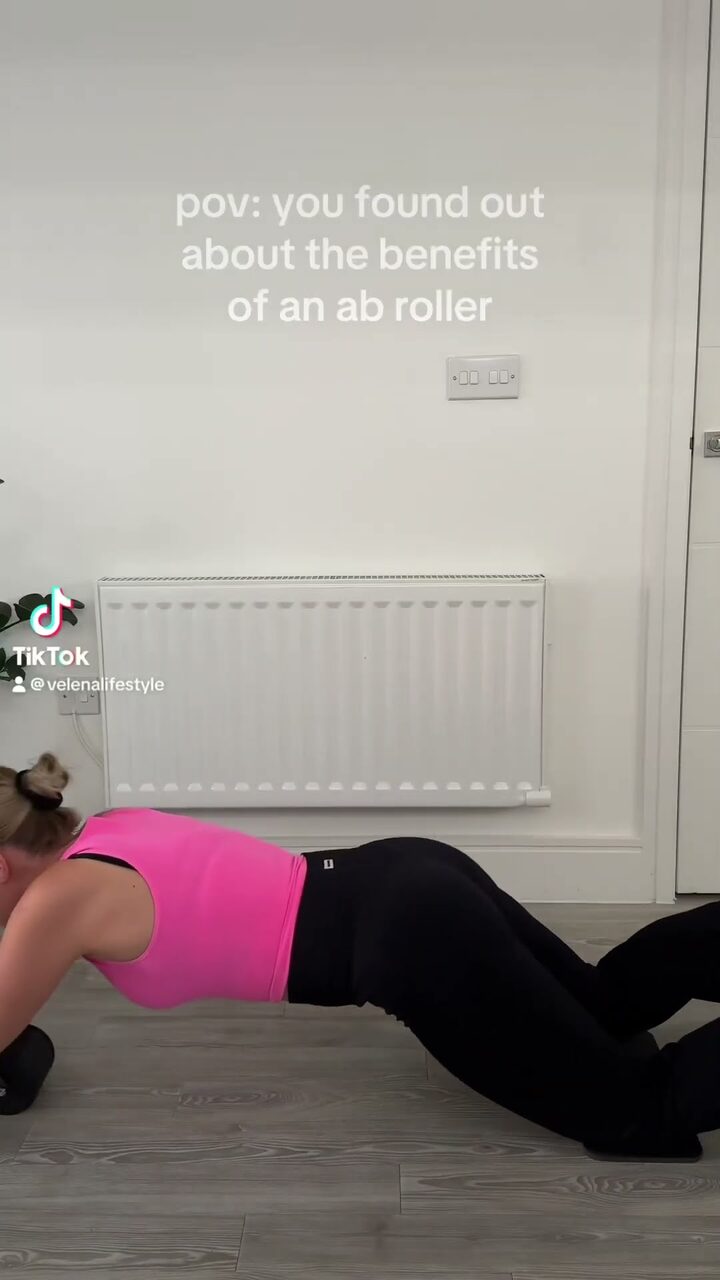
Tap a video to play it, and judge the honesty and the pacing for yourself. There are more on the product review work page.


Claims and evidence: the part of the script that is yours
A review video can feel like it lives outside the usual advertising rules, because the claims come out of a real person's mouth rather than off a pack. It does not. The ASA's advice on claims in testimonials and endorsements is direct: unless a claim is clearly subjective, the marketer must hold evidence for it, objective claims such as efficacy claims need objective evidence, and "testimonials alone do not constitute substantiation". In other words, a happy presenter is not proof that a product works, and the ASA will ask the brand, not the presenter, for the evidence.
In practice this splits every script into two kinds of line. Opinion lines are the presenter's: "I love the smell", "it is the first one I have not given up on", "it is worth it for me". Factual lines are yours: "it lasts eight hours", "it is vegan", "it reduces frizz". Opinion can be as warm as it is genuine. Factual lines go in only if they are on your approved claims list with evidence behind them.
That is exactly how we work. We script from your approved claims list, and you hold the evidence behind every claim you ask us to make; we do not test products and we are not qualified to. What we are responsible for is writing inside that list, so if a delivered video says something you did not approve, that is ours to fix. We flag any wording that reads to us as a medical claim rather than a cosmetic or general one, and we will not film it without a satisfactory explanation. Some categories carry extra rules, notably food supplements, cosmetics and anything that sounds like treatment, and our guide to the UK ASA CAP Code rules for social media covers where they land.
Two more principles keep a review honest on screen. Skin is graded for colour only and never smoothed, blurred or reshaped in our beauty work, because a filter turns a review into a misleading claim. And a before and after is filmed under matched light, angle and time of day, with the real timeframe stated on screen. If the product did not visibly do anything in the time available, we say so, and we do not fabricate the second frame.
How to label a review video everywhere it runs
One video, five placements, five slightly different questions. Disclosure is easiest when it is planned in the brief, because some of it, such as a spoken or on screen "ad" in the opening seconds, is part of the edit rather than the caption.
A label does not have to cost you attention. "Ad: I have used this for a month, here is the honest verdict" is a perfectly good opening line, and it sets up exactly the trust the format depends on. Brands that resist labels are usually protecting a video that only works if the buyer is fooled, and that video is a liability whatever the rules say.
What a product review video costs in the UK
Review videos are priced like other UGC, with one difference: the time spent using the product before filming. Across the UK market our UGC rates report for 2026 puts a single 15 to 60 second video from an established creator at about £150 to £350 with organic rights only, and a simple testimonial from around £120. Those are working ranges read from published sources, including the Collabstr 2025 Influencer Marketing Report, and the report explains how they were set.
The line that moves a review budget most is rights. A review used on your product page needs organic rights. The same review run as a retargeting advert needs paid media rights, and the market prices those separately: Influee's guide to UGC usage rights puts twelve months of paid use at 30 to 50 percent on top of the base rate. When you compare quotes, compare the rights first, then the video.
Our packages put both in one price. Standard, Premium and the Bundle each carry a 12 month paid media licence on Meta, TikTok and Google, with Premium covering all platforms, and Basic carries organic rights only. Changes are part of the price too: Basic has 1 minor round, Standard 1 full round, Premium 2 full rounds and the Bundle 1 full round per video. If you want to price a review brief from another supplier, the free UGC rate calculator turns tier, niche and rights into one figure.
A word on what not to pay for. Any offer to "boost" your review count, place videos as customer reviews, or guarantee star ratings is an offer to break the law on your behalf, and the CMA's reviews guidance for businesses and agencies warns that a business may be liable for the actions of anyone it commissions to write fake reviews. The same goes for "payment in product only" for a video you intend to advertise with; our article on the cost of easy content explains why that arrangement rarely ends well for either side.
Measuring whether a review video sells
A review video works late in the buying journey, so measure it there, not against the reach of an awareness post. Set the measure before you brief, because it shapes the placement and the edit.
Give a video time before judging it. A paid advert's first days are the platform finding an audience, not the video proving itself, and an organic review keeps collecting views for weeks. Compare like with like, at the same age, and test one change at a time: a new hook, a new verdict, a new presenter. The free social media ROI calculator helps you set the target before you spend, and the UTM link builder keeps each placement's traffic separate in your analytics.

Common mistakes brands make with review videos
These come up again and again, and every one of them is avoidable.
Seven checks before you post a review video
Run through these before any review video goes live, on any channel. They take two minutes.
- Is it labelled at the start?"Ad" in the opening seconds or the first words of the caption, plus the platform's paid partnership tool where there is one.
- Is every factual claim on your approved list?And do you hold the evidence for each one today, not just when it was approved?
- Does anything imply an ordinary buyer?Remove "I just bought", "not sponsored", "real customer" and anything like them.
- Is the use real?Any timeframe or result in the video must match what actually happened.
- Is it out of your reviews?Not in the widget, not in the star rating, not in the review count.
- Do the rights cover this use?Organic or paid, this platform, and inside the licence dates.
- Does every cut keep the label?Shorter edits and new formats carry the disclosure with them.
Where review videos fit in your content mix
A review video is the closing argument, not the opening one. It works best when other content has already made the product familiar: an unboxing that shows what arrives, a demonstration that shows what it does, a lifestyle video that shows it in someone's day. Our guide to unboxing video production covers the format that usually comes first, and the testimonial videos page shows the close cousin of the review, the reasons to trust a product rather than a verdict on it.
For the wider picture, our explainer on what UGC is and how brands use it is the place to start, and UGC in advertising covers how review videos are run as paid creative. If you sell on a shop of your own, UGC for e-commerce shows where a review earns most on the product page, and UGC for beauty brands covers the category where review videos and claims rules meet most often.
If you would rather have a review every month than order one at a time, the UGC Monthly Plan delivers three Standard videos a month in the range you choose, from £430 a month, with advert rights on all three. And if you want the reviews posted, captioned and reported on as well, our social media management plans run your channels month to month, with 2 months notice. Either way, the principle does not change: the people who plan your content are the people who film it, and the label goes on first.
Product review videos: questions brands ask
Is a paid product review video legal in the UK?
Yes, if it is presented as what it is. A review video you paid for, gave the product for, or had a say in is an advert, and it must be clearly labelled as one. What is banned is passing it off as an independent customer review, or hiding that it was incentivised.
Can I put a review video in my product reviews section?
No. A commissioned video is not a customer review, so it must not sit in your reviews widget or count towards your star rating or review total. Show it beside the product with a plain caption saying it is a paid review video.
Does a free product count as payment?
Yes. The CMA's guidance for creators treats any incentive as payment, including gifted products, and the DMCC Act's ban on concealed incentivised reviews covers free items too. If the product was free, the video must say so or be labelled as an ad.
What happens if a business gets this wrong?
Since 6 April 2025 the CMA can decide for itself that consumer law has been broken and fine a business up to 10 percent of its global turnover. The ASA can also rule against the advert and ask for it to be withdrawn.
Will the review be positive?
It will be honest, within the claims you approved. We use the product before filming, and if something would read badly on camera we tell you before filming, not after. A verdict with one honest limitation is usually more persuasive than a rave.
Can I use a review video in paid adverts?
Yes, if the licence allows it. Our Standard, Premium and Bundle packages carry paid advert rights for 12 months from delivery on Meta, TikTok and Google, with Premium covering all platforms. Basic is organic only.
How long should a product review video be?
Thirty seconds holds a hook, the evidence, one limitation and a verdict if the script is tight. Sixty seconds suits a considered purchase such as tech or skincare. Fifteen seconds works as a cut down for retargeting, as long as the label survives the edit.
Can the presenter compare my product with a rival?
We do not name rival brands. Comparative advertising carries rules of its own and a real risk of complaint. "What it replaced in my routine" makes the same point without naming anyone.
Who is on camera?
You choose: Velena, Dragos, both of them, nobody with a voiceover, or no preference. The price is the same. Our team films and edits every video in house.
- ASA and CAP, Influencers' guide to making clear that ads are ads
- ASA, fake consumer reviews (CAP Code rules 3.44 to 3.46)
- ASA, claims in testimonials and endorsements
- Lewis Silkin, the DMCC Act 2024 and fake and misleading consumer reviews
- Competition and Markets Authority, short guide for businesses publishing consumer reviews, April 2025
- Competition and Markets Authority, Social media endorsements: being transparent with your followers, updated 3 September 2025
- Competition and Markets Authority, Reviews: guidance for businesses and agencies
- Competition and Markets Authority, fake and misleading reviews: 5 businesses under investigation, 27 March 2026
- Department for Business and Trade, fake online reviews research, April 2023
- TikTok for Business, about the content disclosure setting for creators
- Meta Business Help Centre, about partnership ad permissions
- Influee, UGC usage rights
- Collabstr, 2025 Influencer Marketing Report
- Velena Lifestyle, UGC Rates Report UK 2026
A question this article did not answer? Ask our team, and a person will reply.