
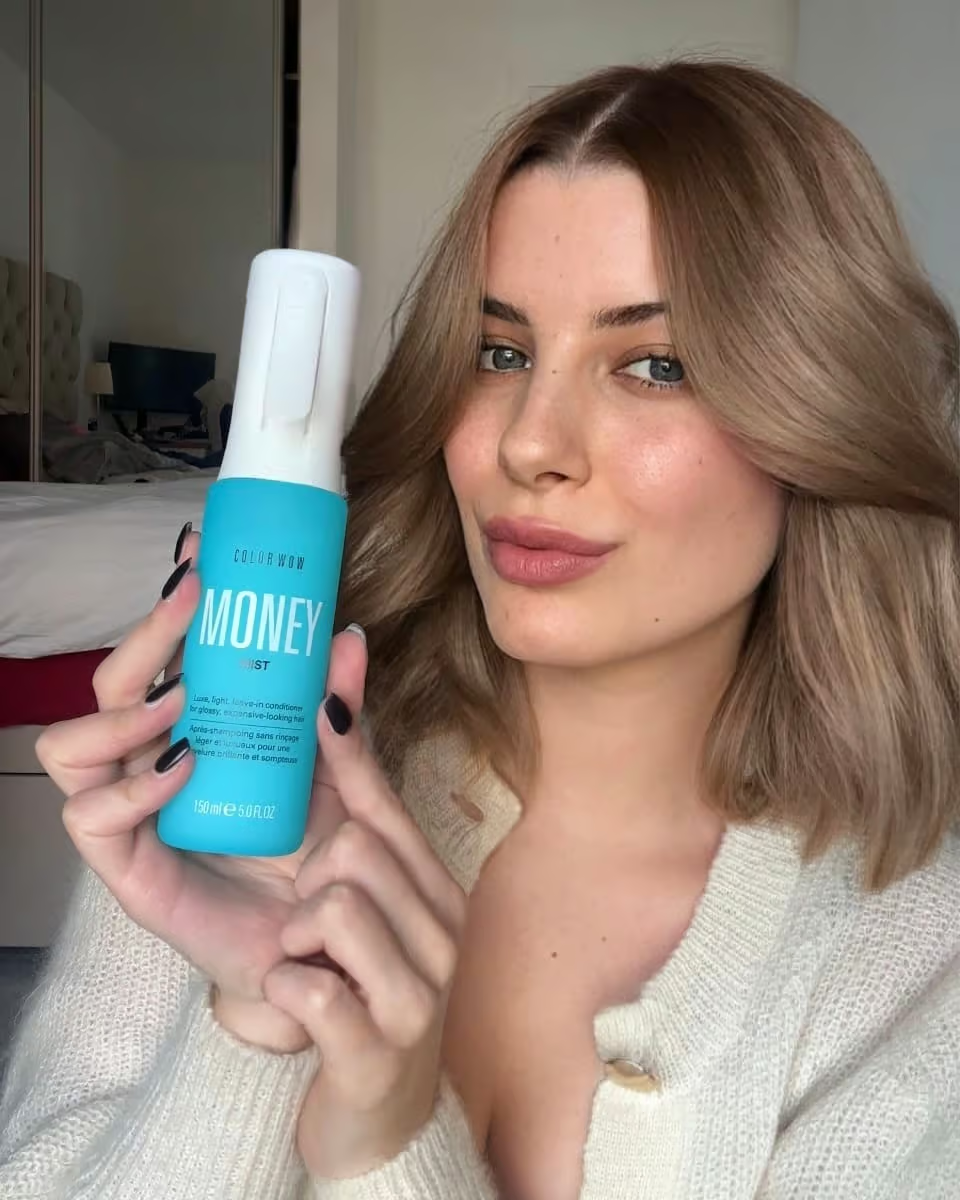
UGC Unboxing, by Velena Lifestyle
Unboxing Video Production UK: Costs, Formats and Rights
What unboxing video production costs in the UK, the six formats that actually work, how usage rights are priced, and the packaging brief that decides whether your shoot succeeds before the box is even opened.
★★★★★ 5.0 from 10 Google reviewsOrder unboxing UGC, live prices
Full tier detail and everything each package includes on the unboxing packages page.

Written by Dragos NistorCo-Founder and Business Strategist, Velena Lifestyle. Published 11 September 2026. Reviewed against the ASA CAP Code guidance current at publication.
What does unboxing video production cost in the UK?
Professionally produced unboxing UGC in the UK costs between the price of a single 15 second video and the price of a three video bundle, and the honest answer for most brands is that the whole ladder sits comfortably below what one day of traditional studio production would cost. At Velena Lifestyle, unboxing video production is sold in three tiers plus a bundle, filmed by the founders, delivered ready to post with sound designed for feed viewing. The current prices look like this.
| Package | What it is | Live price |
|---|---|---|
| Unboxing Basic | A clean single take unboxing in one format of your choice, with organic usage rights | from £125 |
| Unboxing Standard | A script-led unboxing with two hook variations, all three formats, and a 12 month paid media licence | from £190 |
| Unboxing Premium | Full creative direction, three hook variations, raw footage included, and the same paid licence term | from £295 |
| Unboxing Bundle, 3 videos | Three videos in a mix of unboxing styles, with paid ads rights on all three | £495 |
Every tier is priced by length, from 15 to 60 seconds, so the prices above are each tier's genuine starting point rather than a teaser. Three things move the price beyond length: the production tier, which decides how much scripting, direction and post production sits behind the footage; the deliverables, because all-format delivery and raw footage cost more than a single edit; and usage rights, which are the lever buyers forget and which we cover in their own section below, because a video you cannot legally put ad spend behind is worth a fraction of one you can. For wider market context on what UK creators charge across every format and rights package, our UGC rates report for 2026 breaks the whole market down.
You get one take: the rule that shapes everything else
Here is the argument almost nobody making unboxing content will tell you, and it is the single most useful thing you can know before you commission a video. An unboxing cannot be repeated convincingly. The first time a creator slides a knife through the tape, lifts the lid and reacts to what is inside, the footage has a quality that no second attempt reproduces. Resealed boxes look resealed. Re-shot surprise reads as acting, and viewers who have watched thousands of these videos clock it in under a second. That is not a production inconvenience. It is the entire economics of the format.
It means the shoot has one genuine attempt at its most valuable shot, and everything that protects that attempt happens before the parcel is opened, not after. It means the packaging you send decides whether there is anything worth filming at all, because the reveal is the product. And it means the brief matters more here than in any other UGC format, since a creator who discovers mid-take that the hero product is buried under invoices and bubble wrap cannot unwind the moment and try again.
So this article leads with what ruins a shoot rather than with what we sell. If you take nothing else away, take this: treat the unboxing take like live television. Everything is preparation, and the cameras only roll once.
What ruins an unboxing shoot
These are the failures we see most, in descending order of frequency, and every one of them is preventable at the point of dispatch.
- Loose items in a padded envelope. The single most common cause of a delayed shoot. There is no lid to lift, no structure to reveal, and nothing for the camera to do. If the product ships to customers in a box, send the creator that box.
- The retail unit arriving inside a courier carton with no inner presentation. The take opens on brown cardboard and a plastic mailer bag. Double boxing solves this: courier carton outside, untouched retail packaging inside.
- Damaged or crushed packaging. A dented lid or a torn sleeve is visible in every frame of the reveal. Send a spare unit if the packaging is delicate.
- Missing components. If the video is meant to show the full kit and one item ships separately, the reveal is incomplete and the take is wasted.
- No guidance on what matters. If the magnetic closure, the embossed logo or the tissue seal is the detail you paid a packaging designer for, say so in the brief. A creator cannot linger on a detail nobody flagged.
There is a quieter sixth failure worth naming on its own: the parcel that arrives perfectly but late. Because the reveal can only be captured once, the shoot is scheduled around the parcel rather than the other way round, and a delivery that slips three days does not delay the shoot by three days. It pushes it behind whatever was scheduled next. Brands that treat the dispatch date as loosely as they would for a normal sample send are the ones who end up asking why a five day turnaround took a fortnight, and the answer is nearly always sitting in the courier's tracking history rather than in the edit suite.
The six unboxing formats that work
These are the six formats on our unboxing packages page, each of which answers a different commercial question. Choosing between them is the real briefing decision, so here is each one expanded with a worked example.
1. First reaction
The classic. The creator meets the product on camera for the first time, and the value is the authenticity of the response. A skincare brand sending its new evening routine set would use this format to capture the genuine pause when the weight of the glass jar registers. Best for products where the physical quality outruns the buyer's expectation, because that gap is exactly what the reaction communicates. This is the format that most strictly obeys the one take rule.
2. Gifting reveal
The parcel is framed as a gift, opened the way a recipient would open it: ribbon first, card read aloud, product last. A jewellery or fragrance brand running a Q4 campaign uses this to let the viewer rehearse giving the product to someone else. The camera spends longer on the wrapping than in any other format, which is why brands with strong gift packaging get disproportionate value here.
3. Subscription box haul
A structured walkthrough of a multi-item box, item by item, with a running commentary on value. A snack subscription brand would brief the creator to total up the contents against the monthly price on camera. The format sells the recurring decision, not the single purchase, so the call to action points at the subscription rather than the products.
4. Packaging showcase
The product is almost secondary: the star is the box, the insert, the seal, the unfolding experience. Premium and DTC brands use this when the packaging is a deliberate part of the brand, and it doubles as the format most likely to be saved and shared by packaging-obsessed viewers. If your dieline cost more than your ad budget, this is the format that earns it back.
5. Paid ad creative
An unboxing built from the first frame to work as an advert: hook inside one second, reveal by second six, call to action on screen at the close. The pacing is tighter, the shot list is planned around the platform's safe zones, and the deliverable is designed to be run with spend behind it, which makes the usage rights section below essential reading. Pairs naturally with our UGC advertising guide.
6. Restock and repurchase
The quiet achiever. The creator restocks a product they already use: the second jar, the refill pouch, the repeat order arriving. It converts because it shows continuity rather than novelty, and it is the strongest social proof available for consumable products. A supplement or coffee brand running always-on content should have this format in permanent rotation.
From the live portfolio
Two examples, straight off the current set
Both videos below are on the live unboxing UGC portfolio alongside the rest of the current set, so you can judge pacing and finish before you order anything.
Live unboxing example
From the current portfolio set
UnboxingSecond live example
Shot for a different format
UnboxingThe packaging brief: what to send so the shoot is not wasted
Because the take cannot be repeated, the parcel you dispatch is effectively the set design for the shoot. This is the checklist we send clients before every unboxing order, and it exists because every line on it has gone wrong for somebody.
- Ship the retail experience, not just the product. Whatever a paying customer receives, the creator should receive identically: outer box, tissue, stickers, insert cards, samples. If your fulfilment centre packs differently from your brand photography, tell us which one the video should show.
- Double box it. The courier carton takes the scuffs so the presentation box arrives untouched. Tape the outer box only. A presentation box sealed with courier tape has to be cut open on camera, and that is the reveal gone.
- Send a spare unit where packaging is delicate. One to film, one as insurance. The cost of a second unit is trivial against the cost of re-shipping and re-scheduling a shoot.
- Flag the hero details in writing. Magnetic closures, embossing, foiling, scent strips, handwritten notes. One line each is enough. The creator will build the shot list around them.
- Declare anything that must not appear. Pricing sheets, invoices, retailer branding, batch stickers. It is far easier to leave them out of the parcel than to edit them out of the frame.
- Confirm orientation and opening direction. If the box only presents properly one way up, mark it. Obvious to you, invisible to someone meeting the product for the first time.
- Time the dispatch. Perishable, seasonal or launch-embargoed products need the filming window agreed before anything ships. The shoot is scheduled around the parcel, so a late parcel moves everything.

Costs in context: what moves an unboxing quote up or down
The table at the top of this page gives you the ladder, but it helps to understand the levers behind it, because they are the same levers on any professional quote you will collect.
Length is not linear. A 60 second video does not cost four times a 15 second one, but it does cost meaningfully more, because it needs structure. Fifteen seconds is a hook and a reveal. Sixty seconds is a hook, a reveal, a middle that keeps a stranger watching, and an ending that asks for something. The extra cost is script and edit time, not camera time.
The tier buys direction, not just polish. Basic buys a clean, honest take in one format, with organic rights. Standard buys a written script, two hook variations for A/B testing, delivery in all three formats and the paid licence. Premium buys full creative direction, three hook variations, the raw camera files and creator whitelisting on request, which is everything a performance team needs to test, iterate and scale. If the video's job is organic social proof, Basic does it. If the video's job is to be an advert, buying Basic and hoping is the false economy.
Revisions have a boundary. Every package includes a revision round covering edit changes: pacing, caption wording, which close-up to hold. What no revision round can do is reopen the box, which is the one take rule again wearing its commercial hat. This is why the packaging brief above is not optional reading.
The bundle exists for testing. Three videos in a mix of styles against the same product tells you in a fortnight which angle your audience buys from. One video tells you whether one guess was right. Brands that intend to run paid traffic should almost always start with the bundle for exactly this reason, and it is priced below three separate orders at £495.
Usage rights: how unboxing videos are priced beyond the edit
Two videos can look identical and be priced apart, and the difference is almost always rights. Organic rights let you post the video on your own channels. Paid media rights let you put ad spend behind it, whitelist it through the creator's handle, and cut it into new ad variants. Because the paid version exposes the creator's face and voice to audiences far beyond their own, it is licensed, and the licence term is part of what you are buying.
Standard, Premium and the bundle each carry a 12 month paid media licence, and the position is the same on every product group at Velena Lifestyle. Basic is the organic-only tier, which is exactly what it should be at its price. A term of 12 months means an unboxing ordered in August is still legally running as an ad the following July without a renewal conversation in between. When you compare quotes from anywhere, ask the rights question first: a cheap video with 30 days of paid usage is usually the most expensive video on the table once you try to scale it.
Whitelisting deserves a sentence of its own, because it is the point where rights stop being legal housekeeping and start being a performance lever. Whitelisting means running the ad through the creator's own handle rather than your brand account, so the placement reads as a person recommending a product rather than a brand promoting one. It typically improves the metrics that matter in paid social precisely because it does not look like an ad at first glance, and it is only possible when the licence you bought allows it. On our ladder, creator whitelisting is available on request with the Premium tier, which is one of the reasons a performance marketing team buying unboxing content should be looking at Premium rather than working out how to stretch Standard.
The other half of rights is disclosure. Under the UK CAP Code, content a brand has paid for and controls is an ad and must be identifiable as one, which in practice means a clear label when the creator posts it and correct disclosure when you run it as paid media. The ASA publishes a plain-English influencers' guide to making clear that ads are ads, and our own breakdown of the UK ASA CAP Code rules for social media covers how the rules land on each platform. Building disclosure into the brief costs nothing. Retrofitting it after a complaint costs the campaign.
Where unboxing performs, and why the clock matters this year
Unboxing is a vertical video format first. It lives on TikTok, Instagram Reels and YouTube Shorts, embeds cleanly on product pages, and reworks into paid placements on all three platforms. The audience for it in the UK is not a niche: DataReportal's Digital 2026 United Kingdom report counts 55.5 million active social media user identities in the UK, which is 79.7 percent of the population, and Ofcom's Online Nation 2025 research puts UK adults at an average of four and a half hours online every day. The people you want to reach are already watching other brands' parcels being opened.
The seasonal shape is just as important. Unboxing demand climbs from September, peaks through November and December on the back of gifting, and stays elevated into January returns-and-restock content. Search engines need time to index and rank a new page, and ad accounts need time to learn on a new creative, so the brands that win Q4 with unboxing content commission it in late summer. If you are reading this in September, you are exactly on time. If you are reading it in November, order the three video bundle and go straight to paid placements, because organic compounding needs runway you no longer have.
One more placement worth naming: your own product pages. An unboxing embedded beside the buy button answers the question every online shopper silently asks, which is what actually turns up in the post. For e-commerce brands, that single placement often outperforms the social feed, and it pairs naturally with the wider playbook in our guide to UGC for e-commerce brands.

Sound: the half of the format brands forget
Unboxing is one of the few video formats where the audio carries as much persuasion as the picture. The tear of tissue paper, the click of a magnetic closure, the dense little thud of a well made lid: these are texture signals, and viewers read product quality from them without knowing they are doing it. A large share of unboxing viewing happens with sound on precisely because the sound is the point, which is unusual in a feed environment where most video is watched muted.
Practically, that means three things for your brief. First, packaging that sounds good deserves a format that lets it be heard, so a packaging showcase or first reaction should keep natural audio high in the mix rather than burying it under a trending track. Second, if the video is destined for paid placement, it needs to work both ways: on-screen text carries the story for muted autoplay, while the natural sound rewards the viewers who un-mute. Third, cheap packaging sounds cheap on camera, and no edit fixes it. If the box rattles, the video will say so before the voiceover does. We mix every unboxing for feed playback with this in mind, which is one of the quieter reasons founder-shot footage outperforms marketplace footage where audio is an afterthought.
How the process works when you order
Every unboxing order at Velena Lifestyle runs through the same sequence, and the sequence exists to protect the single take.
- Order and intake. You choose the tier and length, then complete a short intake covering the product, the format you want from the six above, the platform it will run on, and the details that must and must not appear.
- The packaging brief. We send you the dispatch checklist from this article, adapted to your product, before anything ships.
- Dispatch and confirmation. You ship to our UK address, we confirm arrival on the agreed window, and the parcel stays sealed until the camera is rolling.
- The shoot. Filmed vertical-first, with the reveal captured once and supporting shots, close-ups and product-in-use footage built around it.
- Edit and delivery. Hook-first edit, sound mixed for feed playback, delivered in the formats your tier includes, with your revision round, into a shared Google Drive folder.
Delivery runs to the clock your tier states, counted from the day your product arrives: 5 working days on Basic, 7 working days on Standard, 10 working days on Premium and 10 to 14 working days on the bundle. The person who read your packaging notes is the person holding the knife when the tape is cut, which is why the work on the portfolio looks consistent from video to video: the people who plan the content are the people who film it, and nothing is handed off in between.
Measuring whether the video worked
Because unboxing sits at more than one point in the funnel, measure it against the job you gave it, not against a generic engagement number.
- Organic social posts should be judged on watch-through and saves before likes. An unboxing that holds viewers past the reveal is doing its job even at modest reach, because retained attention is what the algorithm feeds. Saves are the strongest signal of purchase intent the format produces.
- Paid placements should be judged on thumb-stop rate in the first second, cost per click against your existing creative, and how long the creative runs before fatigue. A strong unboxing ad routinely outlasts studio creative because it reads as content rather than advertising, which is the entire premise of UGC in paid media.
- Product page embeds should be judged on conversion rate of sessions that played the video against sessions that did not. This is the cleanest measurement of the three, and for considered purchases it is usually the most flattering.
Set the measurement before you brief the format. A first reaction video judged on click-through will look like a failure while quietly doing exactly what it was built for, and a paid ad creative judged on saves will look beloved while selling nothing. Format, placement and metric travel together.
One practical note on reading the numbers honestly: give a video a full learning window before you judge it. Organic posts keep collecting saves and shares for weeks after the feed has moved on, and a paid creative's first two days of delivery are the platform finding its audience rather than the creative proving itself. The commonest measurement mistake we see is not the wrong metric but the right metric read too early, and the second commonest is comparing a brand new unboxing against the lifetime figures of an ad that has had months of optimisation behind it. Compare like for like, at the same age, and the format's real performance becomes visible.
A year of unboxing: the planning calendar
One video is a test. A calendar is a strategy. This is the shape of the year for a UK brand that takes the format seriously, and it explains why the order date matters as much as the edit.
- August to September. Commission and publish the Q4 gifting reveals so search and social have time to index, rank and learn before demand peaks. This is the single most valuable window in the year, and it is the one most brands miss.
- October to December. Run the gifting reveal and packaging showcase formats hard, organic and paid. Launch nothing new creatively in late November; scale what already works.
- January. Switch to restock and repurchase content while customers are re-ordering consumables and spending gift money. Subscription box hauls perform strongly here as people commit to new-year habits.
- February to July. First reaction videos for every product launch as it happens, plus one refreshed paid creative per quarter so the ad account never runs a stale unboxing.
Slot the six formats into that calendar and the same product range yields a full year of distinct content without repeating itself once. That is the difference between buying a video and running a format.
To make that concrete, picture a candle brand with four products. September: gifting reveals for the two giftable scents, commissioned now so they rank by November. October: a packaging showcase for the limited winter edition, run organic and then pushed as paid once the strongest cut is obvious. January: a restock video for the bestseller, filmed as a repeat order arriving, which is the truthful story of what January actually looks like for that brand. March: a first reaction for the spring launch. Four orders, four different jobs, and at no point does the audience see the same video twice. The brand spent no more than it would have on four interchangeable product clips; the calendar is what made the spend compound.
Where unboxing fits in your wider content mix
Unboxing is a top and mid funnel format. It creates desire and answers the what-do-I-actually-get question, but it is not the format for deep product education or for objection handling, which is where product review UGC and testimonial formats carry the load. If you are still mapping the categories, our plain-English explainer on what UGC is and how brands use it is the right starting point.
The brands that get the most from unboxing treat it as a repeatable slot in a monthly content system rather than a one-off stunt: a reveal for every launch, a restock video for every consumable, a gifting cut for every seasonal window. If you would rather hand that whole system over, including publishing, captions and reporting, our done for you social media management UK plans run it month to month alongside your UGC orders, on 2 months notice. Either way, the starting point is the same: get the parcel right, because you only open it once.
Unboxing video production, the questions buyers ask
Unboxing UGC is short vertical video of a real person opening your product's packaging on camera for the first time, filmed in a creator style rather than a studio style. Brands use it on TikTok, Instagram Reels, YouTube Shorts, product pages and paid ads, because it shows customers exactly what arrives in the post.
Because the reveal cannot be repeated convincingly. Resealed boxes look resealed and re-shot reactions read as acting, so the first genuine opening is the only take that works. Everything that protects that take happens before the parcel is opened, which is why the packaging brief matters more in this format than in any other.
Send exactly what a paying customer receives: the retail box, inserts, tissue and samples, double boxed so the courier carton takes the damage. Include a spare unit if the packaging is delicate, flag the details you want on camera in writing, and leave out anything that must not appear, such as invoices or price sheets.
Yes, if the usage rights allow it. At Velena Lifestyle, Standard, Premium and the bundle each include a 12 month paid media licence, so the video can run as paid advertising for a full year. Paid or brand-controlled creator content must also be clearly labelled as an ad under the UK CAP Code.
Commission it in September or early October. Unboxing demand climbs from September and peaks through November and December, and new pages and ad creatives need weeks of indexing and learning time before the gifting peak, so late summer orders capture the full season.
Our channels
Watch the work
Velena and Dragos
Travel, food and influencer content from the two of us, and the channel where the long form work lives.
Open the channelVelena Lifestyle
The agency channel. UGC examples, client work and finished campaign videos.
Open the channel
Monthly plans
Social media management, done for you

Small Business Social Pack
£149 per month
12 static posts, 1 platform, content creation done for you
View Small Business Social Pack- Most chosen


Rolling monthly, 2 months notice, no setup fees. All plans on the social media management page.
Client reviews
What clients say, word for word
“Velena Lifestyle have been a breath of fresh air for our social media accounts. Their professionalism and knowledge have supported us massively.”
Sean Thompson, Head of Marketing, Snaptrip Group. Google review, 5.0.“Velena was a pleasure to work with, she worked solely with the brief provided and was even ahead of her deadline. The content produced was clean, professional and on brand. We would love to work with Velena again in the very near future.”
Lauryn Middleton, Social Media Manager, Smirk. Client testimonial, October 2023.“I've known Velena for many years and she is a great content creator and reliable. I highly recommend her. Looking forward to hiring her again.”
Alex, Newmiuz. Google review, 5.0.Every review is reproduced word for word. Read them all on the reviews page.
Who you work with
One team, from the first brief to the last hand off
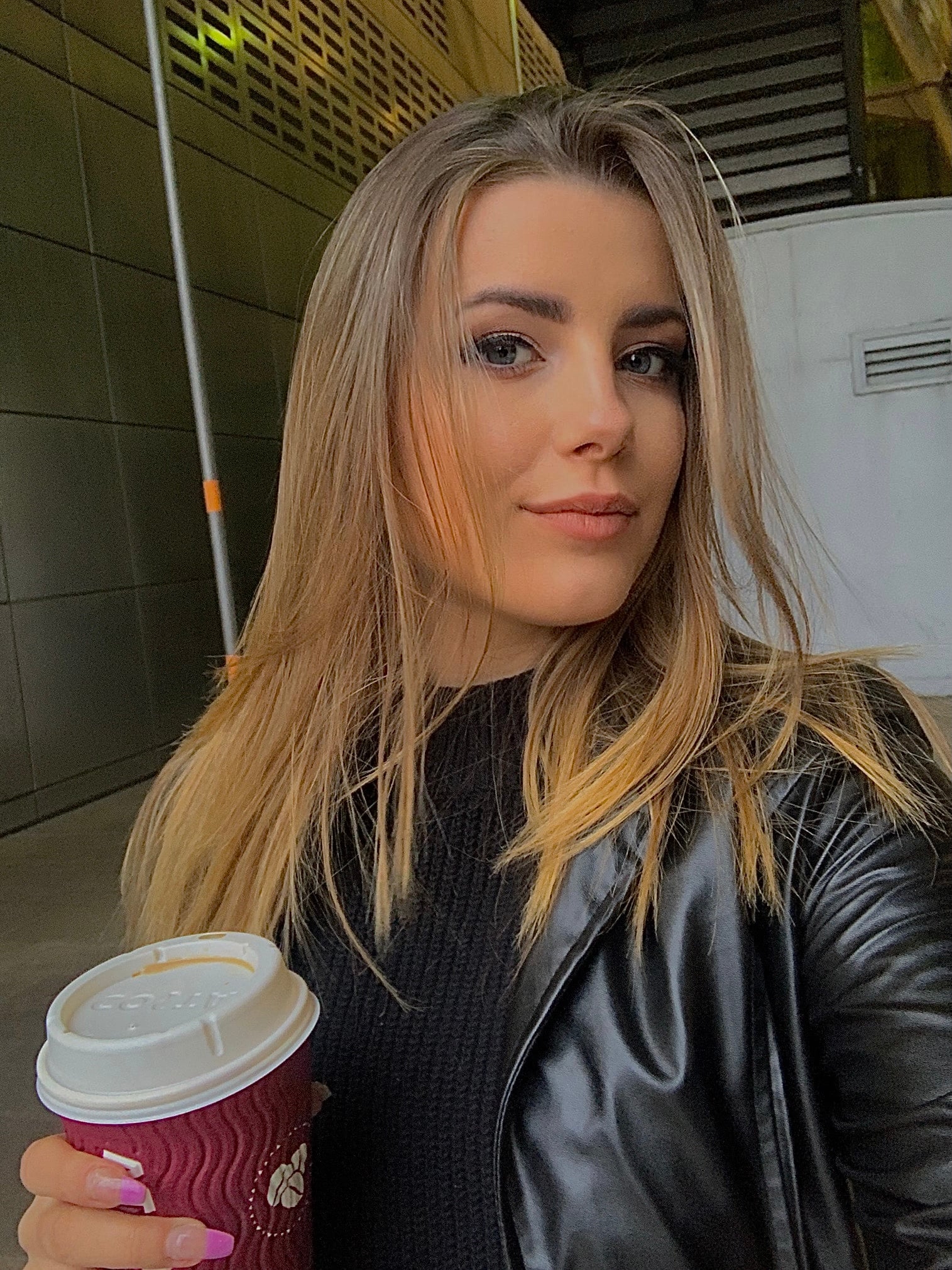
Velena Nikolova
Co-Founder and Creative Director
Velena leads the filming and the edit, so the idea and the execution never pass between strangers. A lifestyle creator with 13,000 Instagram followers, featured in Women's Health. More on the about page.

Dragos Nistor
Co-Founder and Business Strategist
Dragos runs the brief, the schedule and the delivery, and is on camera for couple and male led work. Named a LinkedIn Top Entrepreneurship Voice in 2024. More on the case studies.
Work with Velena Lifestyle
Ready to put your packaging on camera?
Tell us the product, the format and the platform, and we will send you the packaging brief the same week. One conversation, one parcel, one take that pays for itself.
Start your project