- In Great Britain a food supplement can only make a health claim that is authorised on the GB Nutrition and Health Claims Register, in wording that does not stretch it, and never a claim to prevent, treat or cure a disease.
- The rules apply to everything a creator says or implies on camera, including buzzwords such as "adaptogen", "nootropic" and "calm", and to every creator, qualified or not.
- Weight loss carries its own rules: no rate faster than about 2 lb a week for people who are normally overweight, no promotion of prescription only medicines to the public, and testimonials are never evidence on their own.
- The videos that sell wellness products show a believable routine, the product in honest use, and a person the viewer can recognise themselves in. None of that needs a bold claim.
- Our team films wellness and fitness UGC in house in High Wycombe, scripted only from claims you have approved, from £150 a video.
The short answer: what wellness UGC is for
Wellness UGC is creator style video that shows a real person using a supplement, a sports nutrition product, a piece of fitness kit, a wellness app or a relaxation product as part of an ordinary day. A brand commissions it to use on its own channels, on its product pages and in paid adverts. It answers the question every wellness buyer has before they spend: does this fit into a life like mine, and does the person using it seem to believe in it?
That question matters more here than in most categories, because the product's real benefit is usually invisible on screen. A moisturiser shows its texture. A dress shows its fit. A vitamin shows almost nothing at all: a capsule, a glass of water, a person going about their morning. What sells is the routine around the product and the honesty of the person using it, which is exactly what creator video does well.
It is also the category where the gap between "what a creator would naturally say" and "what the law allows" is widest. A creator who loves a magnesium supplement might happily say it helps them sleep, calms their anxiety or settles their stomach. In Great Britain all three can turn a lawful food advert into an unlawful one. So wellness UGC that works has two jobs at once: feel unscripted and personal, and stay inside a set of claim rules that are strict, specific and actively enforced.
This guide is about doing both. It covers the four kinds of claim and which ones a video can make, the everyday words regulators treat as claims, the extra rules on weight and body image, who should be on camera, how the format shifts between supplements, kit and apps, how to brief it, what it costs in the UK and how to tell whether it worked. If you want to see the videos and order a package, the wellness and fitness work page shows them. This article is the thinking behind them. It is not legal advice: if a claim is new or bold, check it with the ASA's free copy advice service or your own adviser before it runs.
Why wellness is different from other UGC categories
Three things set wellness apart, and together they shape every decision in this guide.
The trust side of the equation is just as real. Wellness buyers are often sceptical, because they have tried things that did not work and seen plenty of hype. In Billo's study of 88,329 Meta video adverts from January to June 2026, the Health and Beauty category had the highest click rate of the 14 it measured, at 2.36 percent, but a return on ad spend of 1.82 against a 2.17 average (Billo, H1 2026 video ad benchmarks). Billo groups health with beauty, so treat it as a signal rather than a wellness benchmark, but the pattern is familiar: people are interested enough to click, and then need more convincing before they buy.
The four kinds of claim, and which a video can make
Almost every problem in wellness advertising comes from not knowing which kind of claim a sentence is. Learn these four and you can read any script in a minute.
- Nutrition claimsStatements about what a product contains or does not contain: "high in protein", "a source of vitamin D", "no added sugar". These are allowed when the product meets the legal conditions for that claim, which are set out in the same register as health claims. They are usually the safest words in a wellness script, because they describe the product rather than the body.
- Authorised health claimsStatements that a nutrient or substance contributes to a body function, such as vitamin B12 contributing to "normal energy-yielding metabolism". In Great Britain, the government says that "only authorised claims in the Great Britain NHC (nutrition and health claims) register may be used" (GOV.UK, nutrition and health claims). The GB NHC Register lists them, with conditions of use, and was last updated on 19 May 2026. You may rephrase a claim so that it means the same thing to a consumer, but you may not stretch it.
- General wellbeing claimsBroad phrases such as "supports your wellbeing" or "for a healthy heart". Under the CAP Code these are acceptable only when they sit alongside a specific authorised health claim that backs them up. On their own, they fail. That was one of the reasons some of the July 2024 rulings went against the advertisers.
- Medicinal claimsAny claim that a product prevents, treats or cures a disease or condition, including mental health conditions. A food supplement may not make one, ever. The ASA reads this strictly: claims to reduce anxiety, eliminate stress or clear acne were all treated as medicinal in the 2024 rulings. A product presented as treating a condition may also be treated as an unlicensed medicine by the Medicines and Healthcare products Regulatory Agency, which looks at how a product is presented "including labelling, packaging, promotion, websites, social media and customer reviews" (MHRA, borderline products).
Read that last point twice, because it is the one creator video is most likely to trip over. The MHRA looks at social media and reviews when it decides whether something is being presented as a medicine. A single enthusiastic video that says a supplement "fixed my gut" or "sorted my hormones" is not just a risky advert. It is evidence about how the product is being presented.
A real example shows how quickly it happens. In December 2024 the ASA ruled against two TikTok videos made by content creators for a vitamin B12 product. The videos suggested the drops could treat B12 deficiency, encouraged viewers away from prescribed injections, and said things like "my energy's better", which overstated the authorised claim that B12 "contributes to normal energy-yielding metabolism" (NutraIngredients, ASA rulings against Vivo Life and Ovira). Nothing in those lines would sound unusual from a happy customer, which is exactly the problem.
The fix is not to make videos timid. It is to decide, before anyone films, which authorised claims the video will rest on, and to let everything else be behaviour and experience: the routine, the taste, the convenience, the packaging, the reason the person chose it. Those are not health claims, and they are often more persuasive than one.
Everyday words that count as claims
The trickiest part of wellness scripting is that many ordinary words carry a health meaning in the regulator's eyes. The ASA looks at what the average consumer would take from the whole video, words and pictures, and implied claims count as much as direct ones.
Pictures and context imply claims too. A supplement shown beside a thermometer and a box of tissues implies a cold remedy, whatever the words say. A product for "busy mums" filmed beside a crying baby and then a calm, smiling face implies a mood effect. When we read a script, we read the shot list with it, because the regulator will.
The product's name can be a claim as well. In one of the December 2024 rulings, the ASA treated the name of an appetite supplement as an unauthorised health claim in itself, as part of a campaign that had been run globally without being adapted for UK rules (NutraIngredients). If you are bringing a product to the UK from another market, check the name and the existing adverts before you brief new ones, because creator video tends to repeat whatever the brand's own material says.
Novel foods are the last trap in this section. An ingredient that is new to the UK diet may need novel food authorisation before it can be sold, and in 2024 the ASA treated one mushroom ingredient as a likely unauthorised novel food, as Osborne Clarke's summary of the rulings notes. If a product cannot lawfully be sold, it cannot lawfully be advertised, however good the video is.
Weight, slimming and body image
Weight management is the most sensitive corner of wellness advertising, and it has its own section of the CAP Code, section 13. Four rules matter most for creator video.
- A sensible rate of lossCAP rule 13.10 says that for people who are normally overweight, "a rate of weight loss greater than 2 lbs (just under 1 kg) a week is unlikely to be compatible" with good medical and nutritional practice, and food products may not make health claims about a rate or amount of weight loss at all (CAP Code, section 13). A creator saying "I lost a stone in a month" breaks both.
- Vitamins and minerals do not slimRule 13.6 says vitamins and minerals do not contribute to weight reduction, although they may be offered to people who are dieting as a safeguard against a shortfall. A multivitamin cannot be framed as part of the reason someone lost weight.
- Not for under 18sRule 13.3 says weight reduction marketing must not be directed at people under 18 or contain anything likely to appeal particularly to them. That affects the choice of person on camera, the music and the platform targeting.
- Testimonials are not proofRule 13.1 says testimonials that are not supported by trials do not count as substantiation. A creator's own before and after story, however genuine, does not prove that the product works for anyone else.
Prescription weight loss medicines sit in a separate and stricter place. Prescription only medicines may not be advertised to the public at all. In July 2025 the ASA published ten rulings, eight of them part of wider action on prescription weight loss medicines, including one against an Instagram video by a television personality promoting a weight loss service (Marketing Beat, ASA weight loss drug rulings). If your business offers or sits near those treatments, creator video about them is not a format to experiment with. It is one we decline in our terms, along with any product presented as treating, preventing or curing a condition.
Body image is the other half of this topic, and it is as much about values as rules. A video that presents a body shape as a fault to be fixed may pass a claims check and still do your brand harm with the people you want to reach. When we take on weight management work, we ask for the evidence behind any outcome you want stated and a brief that does not present a body shape as a fault, as our terms set out. In practice the stronger videos in this space are about habits, energy for the things a person enjoys, and how a product makes a healthy routine easier to keep, not about a number on a scale.
Who is on camera, and what they may say
The face of a wellness video carries more weight than in most categories, because the viewer is asking whether to trust that person's judgement about their own body. Three things decide whether the choice works, and range matters too: plan it across a series and your own customers' content, because one face cannot represent every age, size and fitness level.
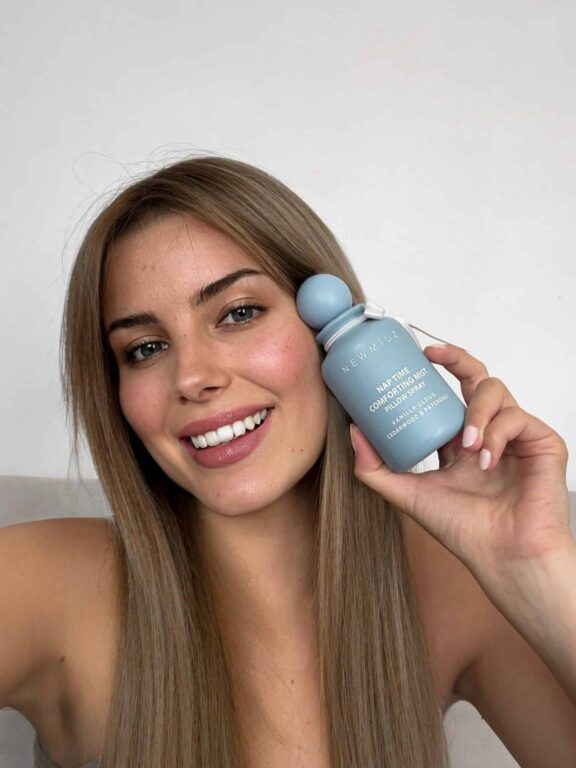
Here is how it works with us, plainly. Our team makes every video in house, and the people on camera are Velena and Dragos. You choose who is on camera: Velena, Dragos, both, nobody (a voiceover with hands and product only), or no preference. The price is the same whichever you choose. Nobody on camera is a doctor, a dietitian or a nutritionist, and we never present anyone as one. We film the product the way a customer would use it and say only what your approved claims allow.
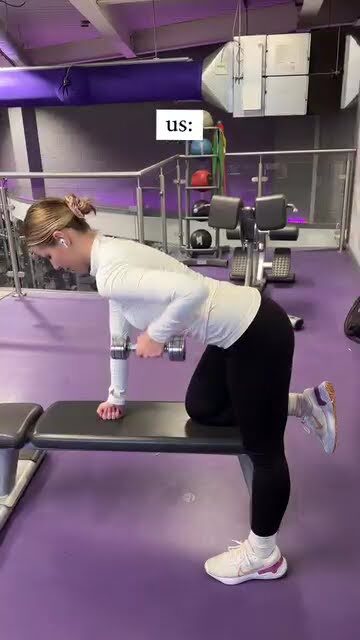
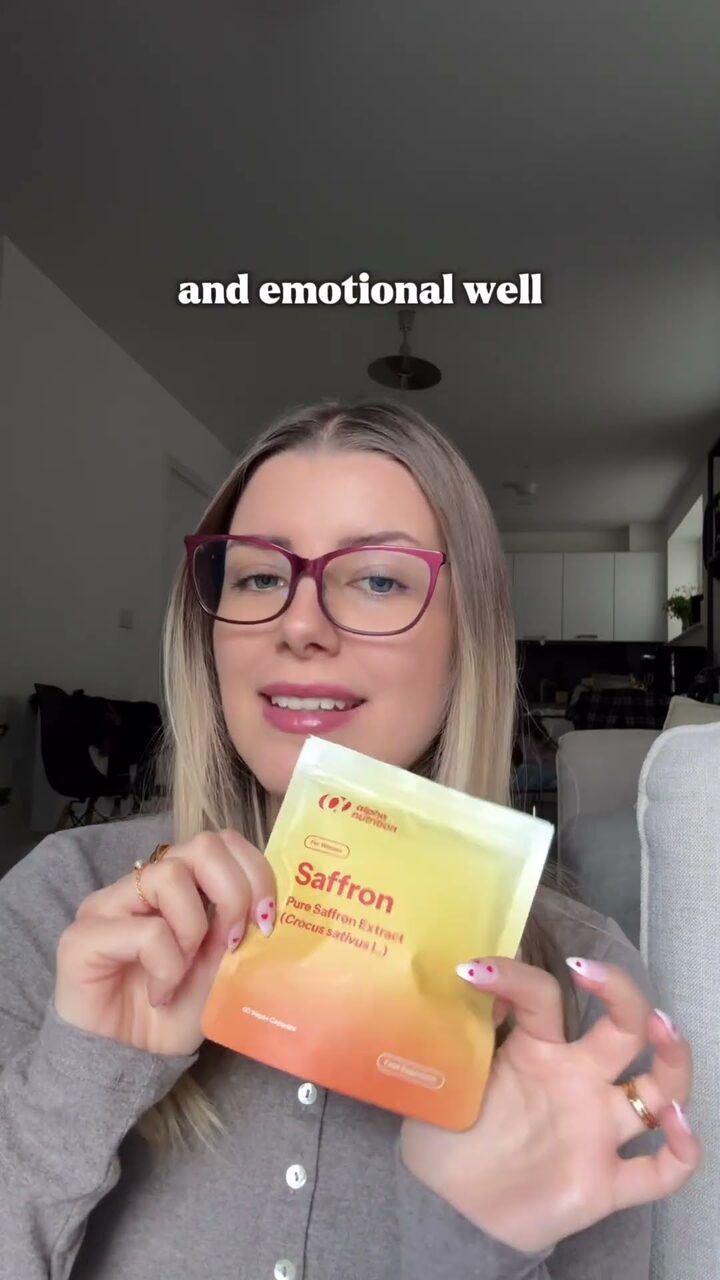
Watch wellness and fitness UGC we have made
Tap a video to play it. Nothing loads from YouTube until you do. There is more on the wellness and fitness work page.
How the video changes by product type
Wellness is a wide category. A collagen powder, a rowing machine and a meditation app have very little in common on camera, and the brief should reflect that.
Food and drink products carry one more rule in 2026. Since 5 January 2026, paid online advertising of identifiable less healthy food and drink has been restricted across the UK (GOV.UK, less healthy food and drink advertising restrictions). Some protein bars, snacks and drinks may fall in scope depending on their nutrient profile and category. Businesses with fewer than 250 employees are outside those rules, as our terms note, but check the government's guidance on products in scope before you plan a paid campaign, because it decides how the video can be used, not whether it can be made.
How to brief a wellness UGC video
A wellness brief has to do more than most. It must give enough freedom for the video to feel real, and enough precision that nothing unlawful is said. These seven parts cover both.
- One job for the videoOne reason to buy, one moment in the day, one product. "Show how easily it fits a busy morning" is a job. "Explain all nine ingredients and the science" is a lecture.
- Your approved claims, word for wordList each claim you want made, the register wording it rests on, and confirmation that the product meets the conditions of use. For food supplements we need confirmation that each claim is authorised for use in Great Britain, and we will not make an unauthorised health claim on camera.
- The words to avoidGive a short list of words the video must not use: the condition names, the buzzwords, the outcome promises. It is far easier to brief around them than to cut them out afterwards.
- The label factsThe dose, the timing, how it is taken and any warnings printed on the pack. Government guidance requires a food supplement label to carry, among other things, the recommended daily dose, a warning not to exceed it and a statement that supplements should not be used as a substitute for a varied diet (GOV.UK, food supplements guidance for businesses). The video should never contradict the label.
- What to showThe pack, the preparation, the moment of use, the setting. Direct the pictures and leave the spoken words loose, so the person sounds like a person.
- Who it is forThe customer you are trying to reach: their age, their routine, their reason for looking. It decides the setting, the pace and the tone.
- Where it will runOrganic posts, a product page or paid adverts. Paid adverts are reviewed by the platforms as well as the regulator, and some wellness products need extra care with targeting, so it changes the script.
Send the full ingredient or specification list with the brief even when no ingredient will be named. It lets us spot anything that needs extra care before filming rather than after, and for anything that touches skin, we patch test on the person on camera 48 hours before filming. For the wider process of commissioning creator video, our guide to finding and briefing UGC creators in the UK goes further, and our guide to ASA and CAP Code rules for social media covers the rules beyond wellness.
Showing a routine or progress honestly
The two formats wellness brands ask for most are the routine and the progress piece. Both can be powerful, and both have a right way and a wrong way to film them.
A good test is to imagine a sceptical friend watching. If they would ask "how do you know it was the product?", show the habit instead of the outcome.

Paid adverts, partnership adverts and labels
Most wellness UGC ends up in paid adverts, and that brings two further sets of rules: how the advert is labelled, and how commissioned content is kept apart from customer reviews.
If a video runs from a creator's own account, as a partnership advert on Meta or a Spark Ad on TikTok, viewers must be able to tell it is an advert straight away. The ASA and CMA influencers' guide asks for a prominent label such as "#ad" at the beginning, visible without clicking, and warns that a label hidden behind "more" on a TikTok caption is not enough. That applies just as much when the creator was paid in product, or through an affiliate commission. Our Premium package includes adverts run from Velena's own Instagram handle, and we label them every time.
When the video runs from your brand's own account, it is usually obvious that it is your advert. The risk shifts to how you present it. Since 6 April 2025, under the Digital Markets, Competition and Consumers Act 2024, publishing fake reviews, or reviews that hide that they were paid for or incentivised, is a banned practice in the UK (CMA, fake reviews guidance). A commissioned wellness video is brand content. Show it on your product page as brand content, and keep it, and any quote from it, out of your reviews section.
Finally, keep a record. For each video, file the brief, the approved claims, the register entries they rest on and the final script. If a complaint ever arrives, being able to show how each line was checked is the difference between a quick answer and a long investigation.
What wellness UGC costs in the UK
Prices for creator video vary widely, and wellness sits in the middle of the market rather than at the top or bottom. Three numbers give a sensible frame.
Our UK UGC rates report 2026 puts health and wellness at around £150 to £250 a video for an established creator with organic rights only, with very consistent volume and care needed over claims. It also finds that paid advert rights typically add 30 to 50 percent for 12 months, which is why two quotes that look similar can differ so much once usage is included. As a global reference point, Collabstr's 2026 influencer marketing report, based on more than 21,000 collaborations on its platform, found brands paid an average of 197 US dollars per UGC collaboration in 2025 (Collabstr, 2026 influencer marketing report). That is usually a single video without scripting, several openings or advert rights, so treat it as a floor.
Three things move a wellness quote more than anything else.
- Advert rightsA video for your own feed costs less than one licensed to run as a paid advert. Buying the cheaper version first and upgrading later usually means paying twice.
- Claims workA script built from authorised claims takes more care than a simple unboxing, and a good team will charge for that care rather than skip it. Ask any provider how they check claims before you compare prices.
- VolumeWellness products are often subscription buys, and advertising them well needs a steady supply of new videos. Bundles and monthly plans bring the price per video down.
For a figure for your own brief, our free UGC rate calculator applies the same bands. Our guide to UGC rates in the UK explains what moves a quote, and our own prices are on the page in the packages further down.
Common mistakes wellness brands make with UGC

How to measure wellness UGC
Treat wellness UGC like performance marketing, with one extra measure that most categories do not need. Watch these, video by video.
- Hook rate and click rateWhether the opening stops the right people and the video earns a click. A weak number usually means a weak first frame, not a weak product. Testing two or three openings on the same video is the cheapest way to improve it.
- Return on ad spend and cost per orderThe numbers that decide whether a video scales. For subscription products, judge them against the value of a subscriber over several months, not the first order alone.
- Approval rateHow many of your wellness adverts pass platform review first time. Rejections cost days and budget, and a falling approval rate is an early warning that scripts are drifting towards risky claims.
- Comments and questionsWhat viewers ask under the video tells you what the next one should answer: taste, dose, timing, price, delivery. It is free research, and it often beats any brainstorm.
- Product page conversionCompare the page with video and without, over the same period, to see what the video adds where the decision is made.
Model the payback with our free social media ROI calculator. Reviewing these numbers each month, rather than only at the end of a campaign, lets you brief the next videos before the current ones tire.
How we make wellness and fitness UGC
The people who plan your content are the people who film it, and you have one point of contact from the first brief to the last hand off. For wellness that matters more than usual, because the person writing the script is the person saying it on camera, so nothing gets lost between a claims list and a performance. The steps are short:
- OrderChoose a package and a length of 15, 30, 45 or 60 seconds.
- Brief and claimsSend your brief, approved claims and ingredient or specification list. We reply within one business day, and on Standard and above we write the script for you to approve. We tell you before filming if a wording reads as medical. Nothing is filmed until you approve it.
- Post your productSend it by tracked post to High Wycombe, Buckinghamshire. The delivery time counts from the day it arrives.
- Receive your videoThe finished files arrive in a shared folder, ready to post or to run as an advert.
We make content; we do not test products, so the safety, testing and claims of your product remain yours as the advertiser. We do not film anything that needs a prescription or is presented as a medicine, and the full list of work we decline is in our terms. Every package below is for one wellness or fitness video, except the Bundle, which is three. Basic gives you organic rights for your own channels. Standard and above add 12 months of paid advert rights on Meta, TikTok and Google.
Not sure which package fits? The UGC quiz names one in four questions, and the wellness and fitness packages page compares all four side by side. New to the format? Start with what UGC is and how UGC differs from influencer marketing.
Wellness and supplement UGC: questions
What is UGC for wellness and supplement brands?
Creator style video showing a real person using a supplement, sports nutrition product, piece of kit, app or relaxation product in an ordinary day, made for the brand to use on its channels, product pages and adverts.
Can a creator say a supplement helps them sleep?
Not as a claim about the product. There are no authorised health claims on sleep quality on the GB register, so a food supplement cannot promise better sleep. The video can show an evening routine without saying the product changes how you sleep.
What health claims can a supplement video make?
Only claims authorised on the GB Nutrition and Health Claims Register, used on a product that meets the claim's conditions, in wording that means the same thing and does not exaggerate it. Nutrition claims such as "high in protein" have their own conditions.
Is "adaptogen" or "nootropic" a health claim?
Yes. The ASA has treated adaptogen, nootropic and antioxidant as specific health claims, so each needs a matching authorised claim. The same goes for implied claims such as "crafted for calm".
Can a creator talk about weight loss?
Carefully, and never for a food or supplement in terms of a rate or amount of loss. The CAP Code treats more than about 2 lb a week as unlikely to fit good practice for people who are normally overweight, testimonials are not evidence on their own, and weight reduction marketing must not be aimed at under 18s.
Can a nutritionist or personal trainer appear in the video?
They can appear, but health professionals, or people presenting as one, must not make health claims for food, and an advert must not use a professional's recommendation to support a health claim for food.
Do you film prescription weight loss products?
No. Prescription only medicines cannot be advertised to the public, and we decline any product presented as treating, preventing or curing a condition. The full list is in our terms.
Who checks the claims in your videos?
The claims are yours as the advertiser. We script only from claims you have approved and confirmed as authorised for Great Britain, and we tell you before filming if a wording reads as medical. We are not legal advisers, so check anything new or bold with the ASA's copy advice service or your own adviser.
How much does wellness UGC cost?
Our UK rates report puts health and wellness at around £150 to £250 a video with organic rights. Our own wellness and fitness videos start from £150 for Basic, £225 for Standard and £350 for Premium, with a Bundle of three from £595.
Can I put wellness UGC on my product page?
Yes, close to the add to basket button, as brand content. Do not place it among customer reviews: since April 2025 presenting paid content as an independent review is a banned practice in the UK.
Does the less healthy food advertising ban affect my protein snacks?
It might. Since 5 January 2026 paid online advertising of identifiable less healthy food and drink is restricted UK wide, depending on the product's category and nutrient profile. Businesses with fewer than 250 employees are outside those rules. Check the government guidance before planning paid adverts.
Is the video made with AI?
No. A real person is in front of the camera and behind it, using the real product.
- GOV.UK, nutrition and health claims from 1 January 2021
- GOV.UK, Great Britain nutrition and health claims (NHC) register
- Osborne Clarke, the ASA's strict approach to food supplement claims: five takeaways
- ASA, influencers and health professionals: health claims in food adverts
- NutraIngredients, ASA rulings against Vivo Life and Ovira
- MHRA, borderline products: how to tell if your product is a medicine
- CAP Code, section 13: weight control and slimming
- Marketing Beat, ASA rulings on weight loss medicine adverts
- GOV.UK, food supplements guidance for businesses
- GOV.UK, less healthy food or drink advertising restrictions
- CAP, before and after photos
- ASA and CMA, influencers' guide
- CMA, fake reviews guidance (CMA208)
- Billo, H1 2026 video ad benchmarks (88,329 Meta video ads)
- Collabstr, 2026 influencer marketing report
A question this article did not answer? Ask our team, and a person will reply.