
Print ready QR codes
QR code generator with twelve code types and no external dependency
Most free generators load their encoder from somebody else's server, which means the tool breaks when that server is blocked and the promise about privacy is not quite true. The encoder here is part of the page. Nothing is fetched, nothing is uploaded, and the code appears the moment you type.
Free, no sign up, no watermark, no expiry
The generator is free forever and works anywhere in the world. We also take clients outside the UK. Prices are in pounds sterling and no VAT is added. If you are ordering from outside the UK your card issuer sets the exchange rate, and anything due in your own country is outside our invoice.
The tool
Pick what the code should do, then fill in the details
Twelve types, four error correction levels, four export sizes, three quiet zone widths and six colour pairs. The preview updates as you type and warns you when a setting is likely to cause a scan failure in print.
Export settings
Higher recovers from more damage but makes the grid denser.
Only affects the downloaded file, not the preview.
The clear border. Scanners need it to find the code.
Dark on light scans best. Contrast matters more than brand colour.
What is different here
The encoder is in the page, which is the whole point
This started as a rebuild and turned into writing a QR encoder from scratch, because the honest version of this tool could not be built any other way. Here is what changed and why each part matters if you are about to send something to a printer.
- 01No external library, so no single point of failure
The previous version fetched its encoder from a public content network. If that request is blocked by a corporate network, an extension or an outage, the tool never loads and the page just says it is loading. The encoder is now part of the page itself, so if the page loads, the tool works.
- 02The privacy claim is now literally true
Saying nothing leaves your device while fetching a script from a third party is not accurate. There is now exactly one thing on this page that talks to another server, and that is the video wall, which only loads when you click it. Your Wi-Fi password never leaves the browser.
- 03Twelve types instead of two
Website links and Wi-Fi were the only options. Now also plain text, contact cards, email, text message, phone call, WhatsApp, calendar events, map locations, social profiles and app downloads, each with the right fields and the right escaping for its format.
- 04SVG export, which is what a printer actually wants
Every other free generator hands you a PNG. A PNG has a fixed number of pixels and goes soft when a printer scales it. The SVG is mathematical, so it is sharp on a business card and sharp on a six foot banner from the same file.
- 05It tells you when a setting is risky
A tight quiet zone, an inverted colour pair, low error correction on a large code. All are legal and all cause scan failures in the real world. The tool now warns you before you export rather than after the print run.
- 06It shows you the version and the capacity
A QR code has 40 sizes and the one you get depends on how much data you put in. Watching the version climb as you paste a longer link is the fastest way to understand why your code suddenly became unreadable on a flyer.
The encoder was verified rather than assumed. Every symbol it produces was compared against an independent reference implementation across all forty versions and all four error correction levels: the module grids are identical, the version selection is identical, all thirty two format information strings match the canonical values, and the mask scoring matches to the point. Where the two differ on which mask to choose, ours scores the finished symbol rather than a test pattern, which is the more faithful reading of the specification.
Where these end up
Three pieces we filmed for brands who print the code on something
A QR code on a menu, an insert or a shop window is only worth scanning if what it leads to is worth arriving at. This is the content side of the same job. Click any to play, nothing loads until you do.
Ice cream, close up
45 seconds, built for the feed
Food and drinkA hotel room reveal
Filmed on a working stay
HotelsA salon visit
Filmed at Headmasters
BeautyAll three were filmed and edited by the two of us, for brands including Headmasters and the Snaptrip Group travel portfolio. The full library is in the UGC portfolio.
Getting it right before the print run
The expensive mistake with a QR code is not a bad design, it is a reprint. Almost every failure comes down to one of four things: the code was printed too small for the distance people stand at, the clear border was crowded by other artwork, the contrast was too low because somebody matched it to a brand colour, or nobody scanned the proof.
How big does it need to be
A workable rule of thumb is one centimetre of code width for every ten centimetres of scanning distance. A table tent someone leans over needs about two centimetres. A poster read from three metres needs about thirty. When in doubt, print it larger, because a code that is slightly too big costs nothing and a code that is slightly too small costs the whole run.
Static and dynamic, and what you actually lose
These codes are static, meaning the destination is encoded in the pattern itself. They never expire and there is nothing to subscribe to. The trade off is real and worth stating plainly: you cannot change where a printed static code points. Paid services sell dynamic codes that redirect through their own domain, which lets you change the destination and see scan counts in their dashboard, for a monthly fee and a dependency on that company continuing to exist.
Counting scans without paying for it
You do not need a dynamic code to measure scans. Point a static code at a tagged link rather than a bare address, and every scan arrives in your analytics under the source and campaign you chose. That lets you compare a poster against a flyer, or one venue against another, at no cost and with no dependency. The UTM link builder makes the link, and this tool turns it into the code.
What a QR code cannot fix
It cannot make a page worth landing on. A code that opens a slow homepage instead of the thing you just advertised is worse than no code at all, because you have spent the scan and got nothing. Decide the destination first, make sure it loads fast on a phone, and only then generate the code. If the thing on the other side needs building, that is the social media management UK conversation rather than a generator.
Monthly plans
When the thing behind the code needs building too

Small Business Social Pack
£149 per month
12 static posts, 1 platform, content creation done for you
View Small Business Social Pack- Most chosen

Rolling monthly, 2 months notice, no setup fees. All plans on the social media management page.
Featured UGC portfolio
What we make for brands who print the code
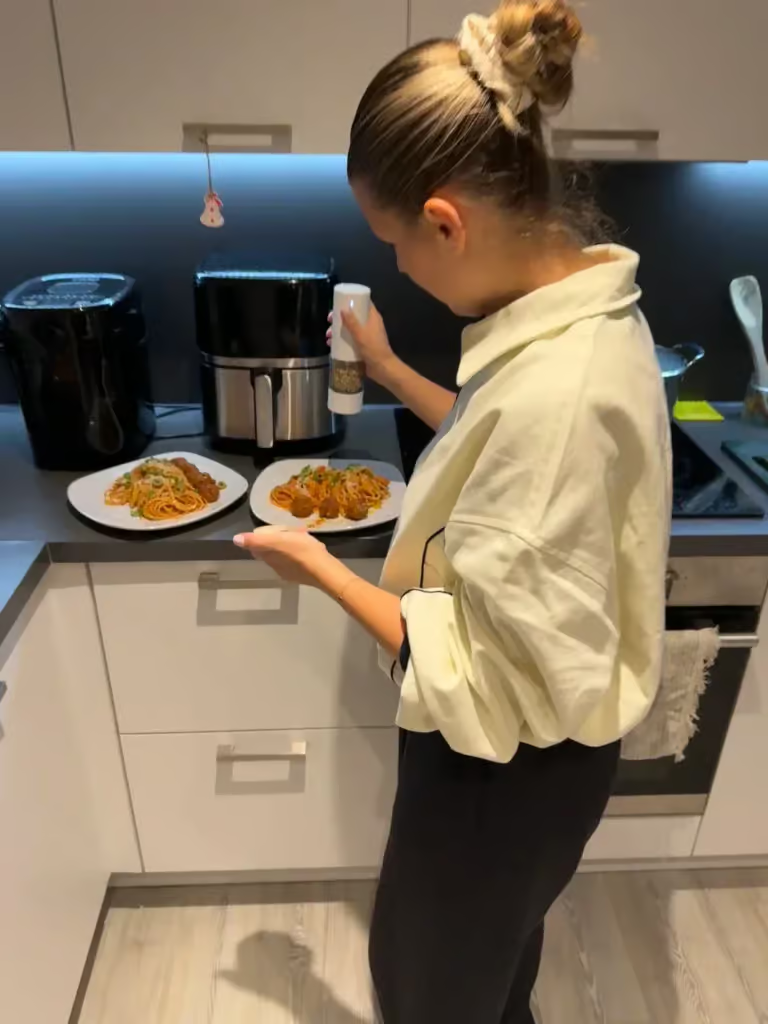


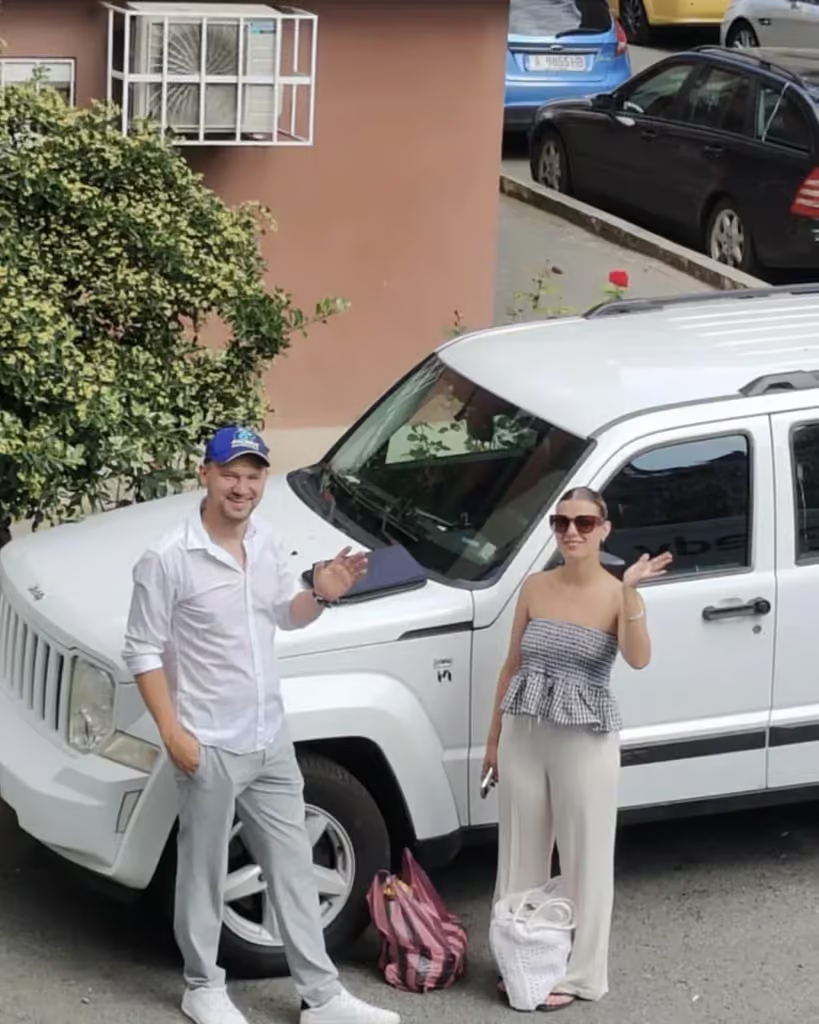
Every category is on the UGC portfolio hub.
Frequently asked questions
Yes, with no sign up, no watermark, no credit limit and no cap on how many codes you make. The codes are static, so they do not expire and there is nothing to keep paying for.
No. The destination is encoded in the pattern itself rather than redirected through anyone's server, so the code keeps working for as long as the page it points at exists. Nothing we do can switch it off.
Not with a static code, and that is the honest trade off for it being free and permanent. Decide the destination before you print. If you genuinely need to change it later, point the code at a URL you control and put a redirect on that URL, which gives you the same flexibility without a subscription.
Yes, without paying for a dynamic code. Point the code at a tagged link rather than a bare address and every scan appears in your analytics under the source and campaign you set. The UTM link builder next door makes the link in a few seconds.
Allow roughly one centimetre of code width for every ten centimetres people will scan from. A table tent needs about two centimetres, a poster read across a room needs about thirty. Printing slightly too large costs nothing, printing slightly too small costs the whole run.
SVG for anything going to a printer, PNG for anything going on a screen. A PNG has a fixed number of pixels and softens when scaled up. An SVG is instructions rather than pixels, so the same file stays sharp on a business card and on a shop window.
Error correction builds redundancy into the pattern so the code still reads when part of it is damaged, covered or scuffed. Low recovers around seven per cent, high around thirty. The cost is density: higher correction means more modules, so the code needs to be printed larger. Medium suits most jobs.
Because contrast decides whether a code scans, and brand colour is the most common reason one fails. Dark on light is what every scanner expects. Light on dark is legal but some older readers refuse it, and a mid tone on another mid tone fails almost everywhere regardless of how good it looks.
A QR code has forty sizes and the tool picks the smallest that fits your data. More characters means a denser grid, which needs to be printed larger to stay readable. This is the main argument for shortening a link before you encode it rather than after.
Yes. The encoder is part of this page rather than fetched from anywhere, and the whole calculation happens in your browser. Nothing you type is transmitted, logged or stored, and that includes the Wi-Fi password. The only external request on the page is the video wall, and that waits until you click it.
Not in this tool, deliberately. A logo works by covering modules and relying on error correction to fill the gap, which is fine until the code is also printed small or gets scuffed, and then it fails. If you want one, download the SVG, place the logo in your design software, keep it under about ten per cent of the area, set error correction to high, and test on several phones.
Yes. There is no licence, no attribution and no restriction. Print them on packaging, menus, vehicles and signage, and use them for clients as well as for yourself.
Our channels
If you would rather watch than read
Velena and Dragos
Travel, food and influencer content from the two of us, and the channel where the long form work lives.
Open the channelVelena Lifestyle
The agency channel. UGC examples, client work and finished campaign videos.
Open the channel
How the encoder was built and checked
What it is. A QR encoder written for this page: Reed Solomon error correction over the standard finite field, byte mode across all forty versions and all four correction levels, with all eight mask patterns generated and scored by the four penalty rules so the most readable one is chosen. It replaces a third party library that was last updated a decade ago and had to be fetched over the network before the tool would run.
How it was verified. Every symbol was compared against an independent reference implementation. The module grids are identical across all forty versions and all four correction levels, version selection is identical, all thirty two format information bit strings match the canonical values, and the mask penalty scores match exactly. Codes were also rendered to images and read back with a real scanner to confirm they decode rather than merely look right.
One documented difference. Where our mask choice differs from the reference, it is because the reference scores a draft symbol containing placeholder format bits while we score the finished symbol. Measured against the finished symbol, our choice is the lowest scoring option in every case tested. Both approaches produce valid codes, and this one follows the specification more closely.
What it will not do. Byte mode only, so a code holding nothing but digits is slightly larger than it strictly needs to be. No logo overlay, for the reasons in the questions above. And no dynamic redirection, because that would mean routing your traffic through us and charging you for the privilege.
The rest of the free tools
Ten tools, all built for the UK market, all free with no sign up and no email capture. Nothing here is a trial.
- UTM link builderTag a link so analytics shows which poster, post or email drove the scan
- Image converterBatch convert between JPEG, PNG, WebP and AVIF in your browser
- Best time to postPosting windows across eight platforms in UK clock time, with a heatmap
- Bio generatorEight platforms, real character limits and a truncation preview
- Hashtag generatorThirty tags in three tiers, with UK niche tags and banned tag warnings
- Instagram engagement rate calculatorYour real rate against 2026 UK benchmarks, by industry and follower tier
- Social media ROI calculatorROAS, CPC and CPA against UK benchmarks with a traffic light report
- UGC rate calculatorWhat to charge and what to pay, by niche, deliverables and usage
- Free social media auditThirty weighted questions, a grade and your five highest impact fixes
- The whole libraryEvery free tool in one place, with new ones added regularly
Client reviews
What clients say, word for word
“Fantastic service. Been a client for 3 years now and have seen fantastic results, increased viewers, followers and viral videos. Copywriting was on point and has been used in magazines like Conde Nast, Timeout and more.”
Darrell Johnston, Owner, No Escape London and Purgatory Bar. Google review, 5.0.“If you want a self-starter with the ability to think strategically and minimize the time between ideation and creation, Velena is your go-to. She has done a phenomenal job with managing our UGC portfolio, curating and creating our content.”
Naila Abbasova, Enara Wellness. Google review, 5.0.“Velena was a pleasure to work with, she worked solely with the brief provided and was even ahead of her deadline. The content produced was clean, professional and on brand. We would love to work with Velena again in the very near future.”
Lauryn Middleton, Social Media Manager, Smirk. Client testimonial, October 2023.Every review is reproduced word for word. Read them all on the reviews page.
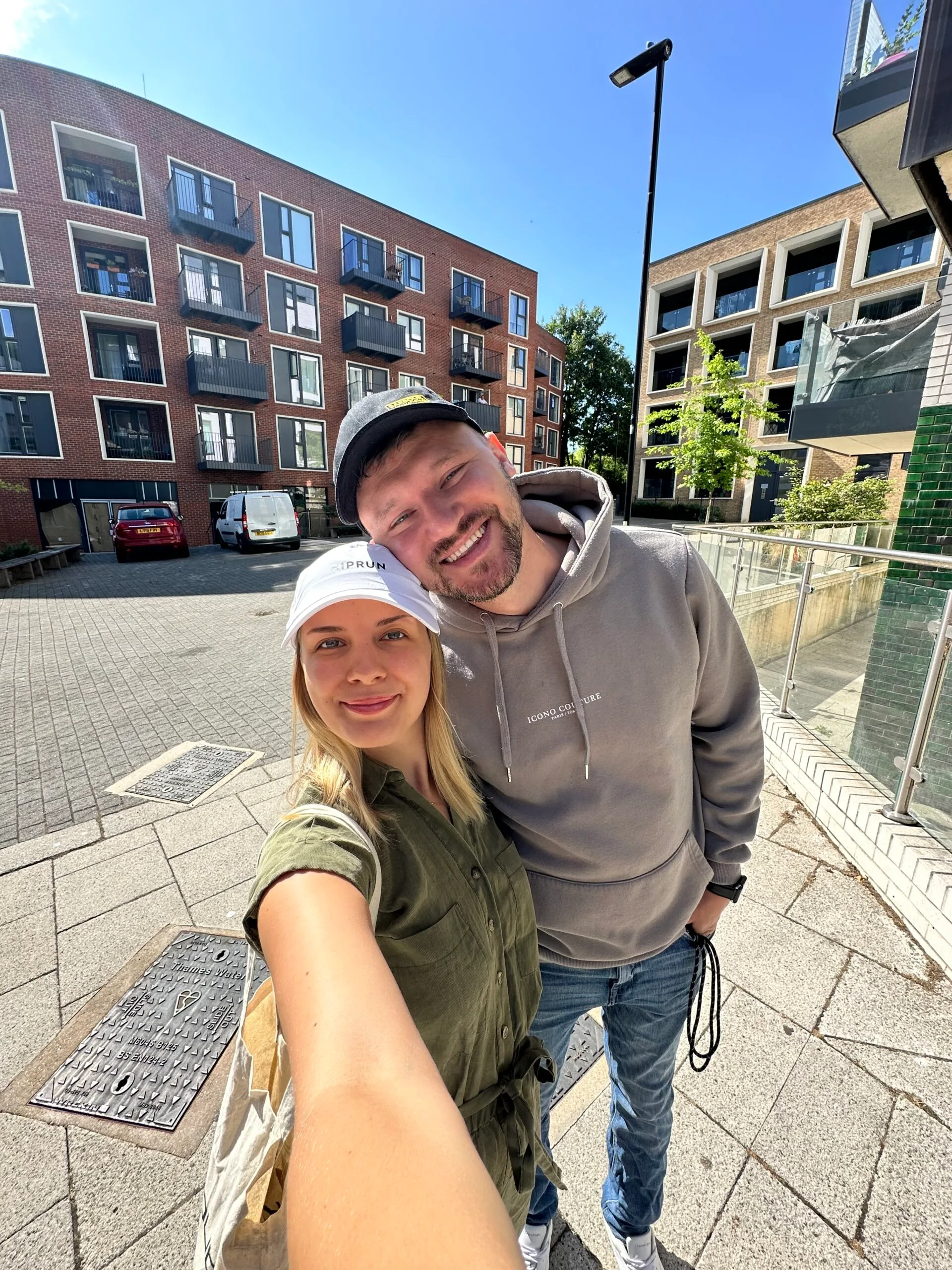
The two of us
Who built this tool
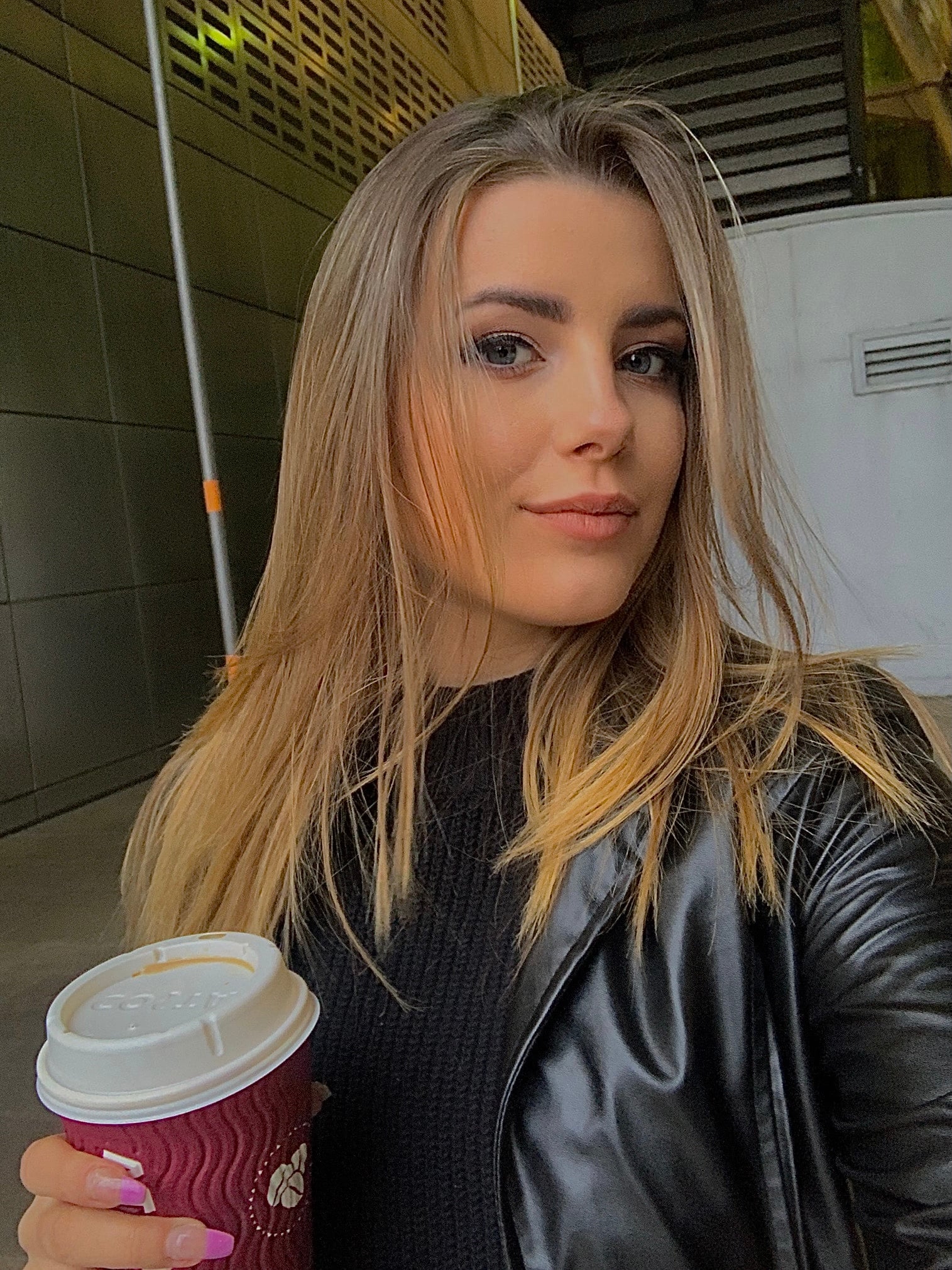
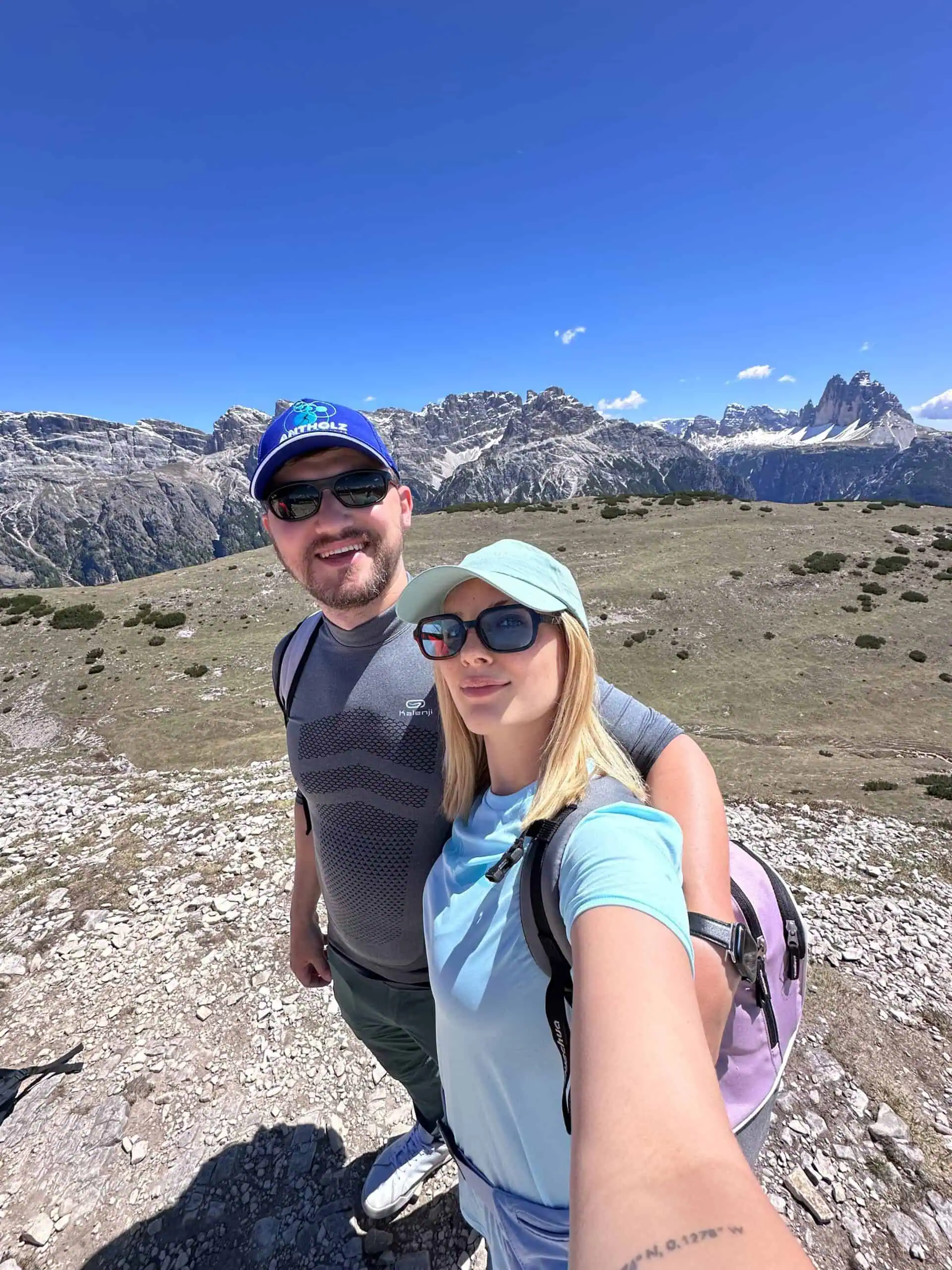
Velena Nikolova
Co-Founder and Creative Director
Velena Nikolova is Creative Director and the person on camera. A lifestyle creator featured in Women's Health, she films and edits the content that sits behind the codes our clients print. More on the about page.
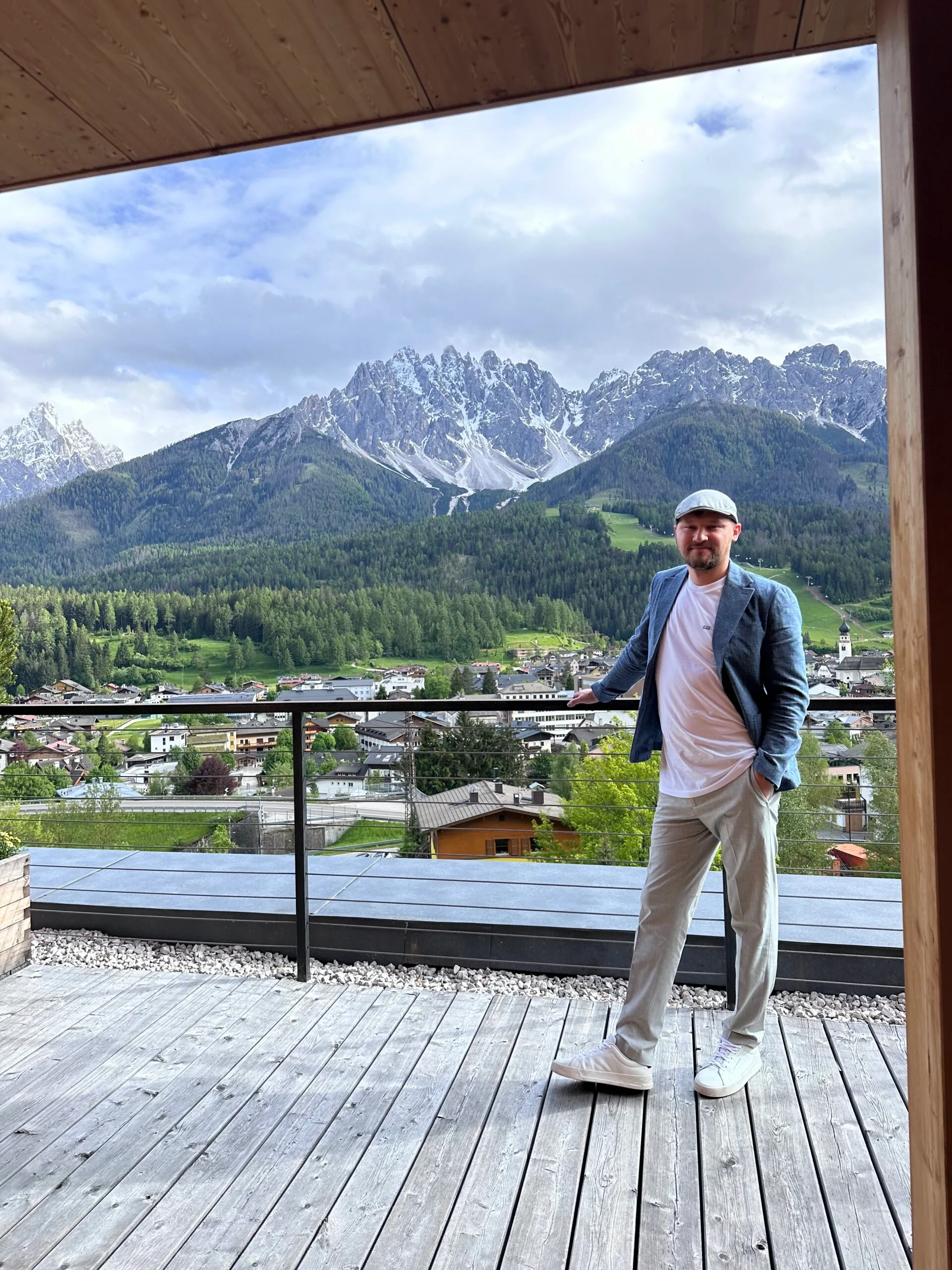
Dragos Nistor
Co-Founder and Business Strategist
Dragos Nistor handles strategy and the technical side, and wrote the QR encoder that runs this page rather than loading one from somebody else. Named a LinkedIn Top Entrepreneurship Voice in 2024. More on the case studies.
The code is the easy part
Anyone can make a QR code in ten seconds. Having something on the other side of it worth the scan, every week, for a year, is the part that beats most brands. We have worked with 100+ brands since 2022 and currently run eleven accounts end to end, filming, writing, publishing and reporting. We reply within one business day, and nothing is filmed or scheduled until the brief is agreed in writing.