
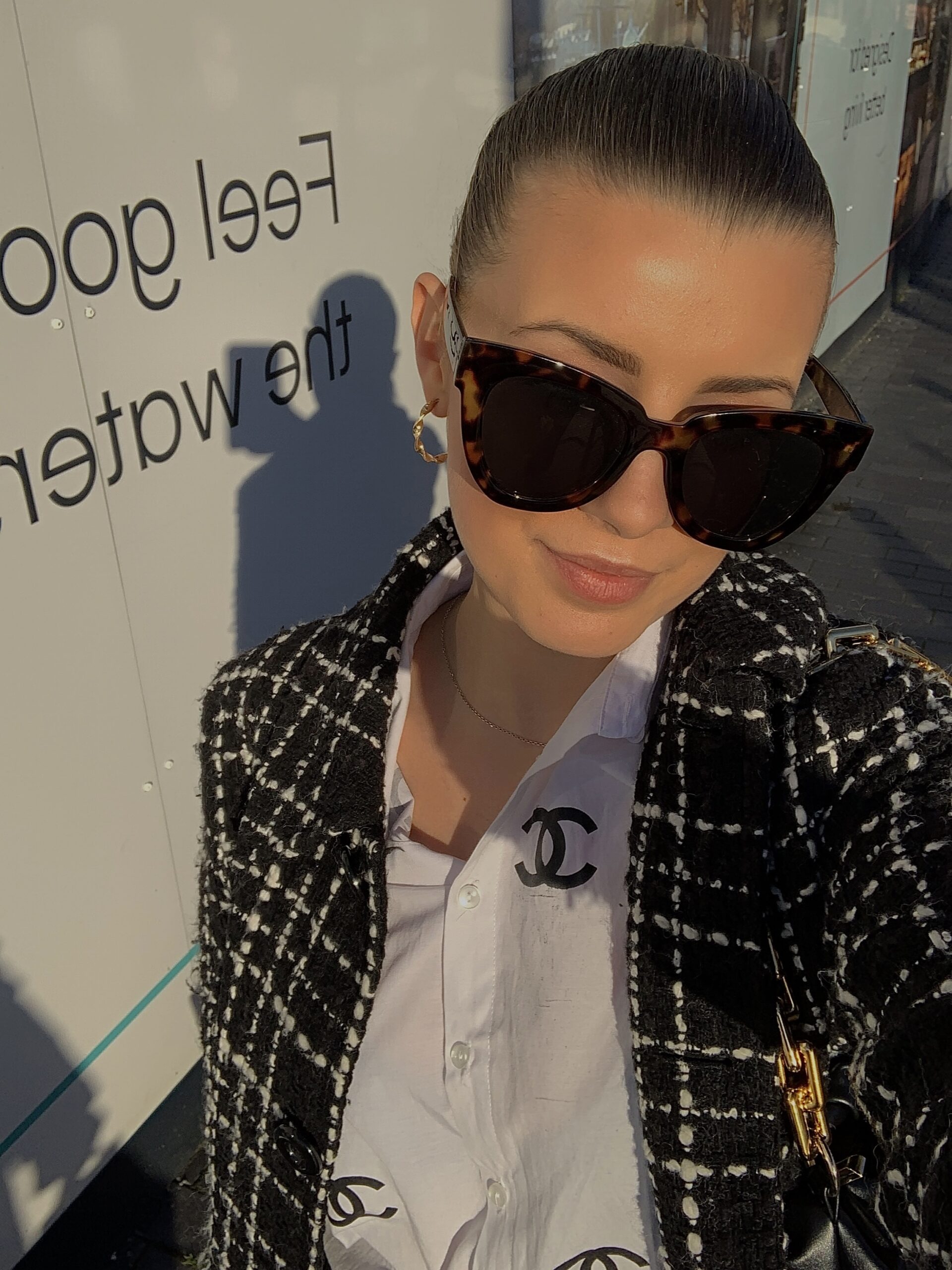
Jewellery and Accessories UGC, by Velena Lifestyle
UGC for Jewellery Brands: Filming Small Detail That Sells
How UGC works for jewellery brands: filming scale and sparkle on a phone, styling for skin tones, the layering format that grows basket size, and the insurance protocol for posting high value pieces to a creator.
★★★★★ 5.0 from 10 Google reviewsOrder jewellery UGC, live prices
Full tier detail and everything each package includes on the jewellery packages page.

Written by Dragos NistorCo-Founder and Business Strategist, Velena Lifestyle. Published 13 September 2026. Reviewed against the ASA CAP Code guidance current at publication.
How does UGC work for jewellery brands?
UGC for jewellery brands is short vertical video, filmed by a real person on a phone-first setup, showing pieces being worn, styled, stacked and gifted in ordinary light rather than under studio glass. It works because it solves the two problems that jewellery photography structurally cannot: it shows true scale on a real body, and it shows how metal and stone behave when they move. For a jewellery buyer, those two pieces of information are the purchase decision, and a product page without them is asking the customer to guess.
Most UGC advice skips this category entirely, because most UGC advice assumes a product big enough to hold up to camera and talk about. A ring is not that product. Film jewellery the way you would film a skincare jar and you get a shaky close-up of a blur. Film it properly and you get the highest-information seconds in e-commerce: the exact width of a band on an actual finger, the real drop of an earring against a jawline, the honest amount of light a stone throws back on a grey English afternoon. This article covers how that gets done, what it costs, and the handling questions every jeweller quietly worries about when they post stock to a stranger, including the one nobody writes about: insurance.
Where do the finished videos actually go? Three places, in order of impact. On the product page, embedded beside the buy button, where a try-on answers the size question at the exact moment of decision. In the organic feed, on TikTok, Instagram Reels and YouTube Shorts, where jewellery discovery now happens and where saves and shares behave like a wishlist. And in paid placements, where a creator try-on consistently reads as a recommendation rather than an advert, provided the usage rights were bought properly in the first place. The same footage, cut three ways, covers all three, which is the quiet efficiency of the format and the reason the bundle structure below exists.
The scale problem: why jewellery returns are a video problem
Here is the argument that makes jewellery UGC a commercial decision rather than a creative one. Jewellery has a failure mode no other category has: the buyer cannot judge scale from a photograph. Product photography shoots pieces large so detail reads, which means nearly every jewellery image a customer sees overstates size. The pendant that filled the frame arrives smaller than expected; the statement earrings that looked wearable arrive larger. The product is flawless, and it still comes back, because the customer was not buying the object, they were buying their guess about the object.
That misjudgement, not quality, drives a painful share of jewellery returns, and every return in this category is expensive: tracked and insured postage both ways, re-polishing or re-carding, and stock locked in transit either side. This matters more as the channel grows. The Office for National Statistics reports that online sales reached 28.3 percent of all retail sales in Great Britain in December 2025, so the share of jewellery bought unseen keeps climbing, and with it the cost of every scale misjudgement.
Scale is also not the same problem as sizing, and it pays to keep the two apart in the brief. Sizing, whether the ring fits, is solved by a size guide and, for video, a spoken dimension: a band width or a chain length stated on camera turns a visual guess into a number the customer can check against a ruler at home. Scale, how the piece reads on a body, can only be solved visually. A video that states the drop length while showing the earring against a jawline has answered both in the same five seconds, which is why our briefs ask for the dimensions in writing so the creator can say them while wearing the piece.
Video that solves scale therefore does two jobs at once: it raises conversion, because certainty converts, and it cuts returns, because the customer who watched a 15 second try-on already knows how the piece sits. When you evaluate any jewellery UGC quote, this is the return on investment to hold it against. A video that never shows the piece on a body at a believable distance has skipped the only question that matters.
Filming small detail that sells, on a phone
The craft problem in jewellery UGC is that the product is tiny, reflective and in constant motion. Solving it is mostly discipline rather than equipment.
- Distance beats zoom. Phone sensors fall apart when digital zoom crops into a moving hand. The working method is to get physically close, let the lens focus breathe, and crop in the edit if needed. Macro modes help on static shots but hunt for focus the moment a hand moves.
- Lock the hand, move the light. A hand held still while the wrist rotates slowly gives the stone something to do on camera. The sparkle a viewer remembers is motion of light across facets, and it needs deliberate, slow movement, not waving.
- Anchor scale constantly. The frame should almost never contain jewellery alone. Fingers, ears, collarbones, a coffee cup, a jumper cuff: every shot needs a reference object the viewer's brain can measure against. This is the whole game. A packshot cutaway can be beautiful; it just cannot be the video.
- Shoot the fastenings. Clasps, butterfly backs, adjustable sliders. Ten seconds of a clasp being worked one-handed answers a practical objection that keeps baskets abandoned, and almost nobody films it.
- Steady beats cinematic. Elbows on a table, phone braced, slow moves. Jewellery magnifies camera shake because the subject is small, so stability is worth more than any transition.
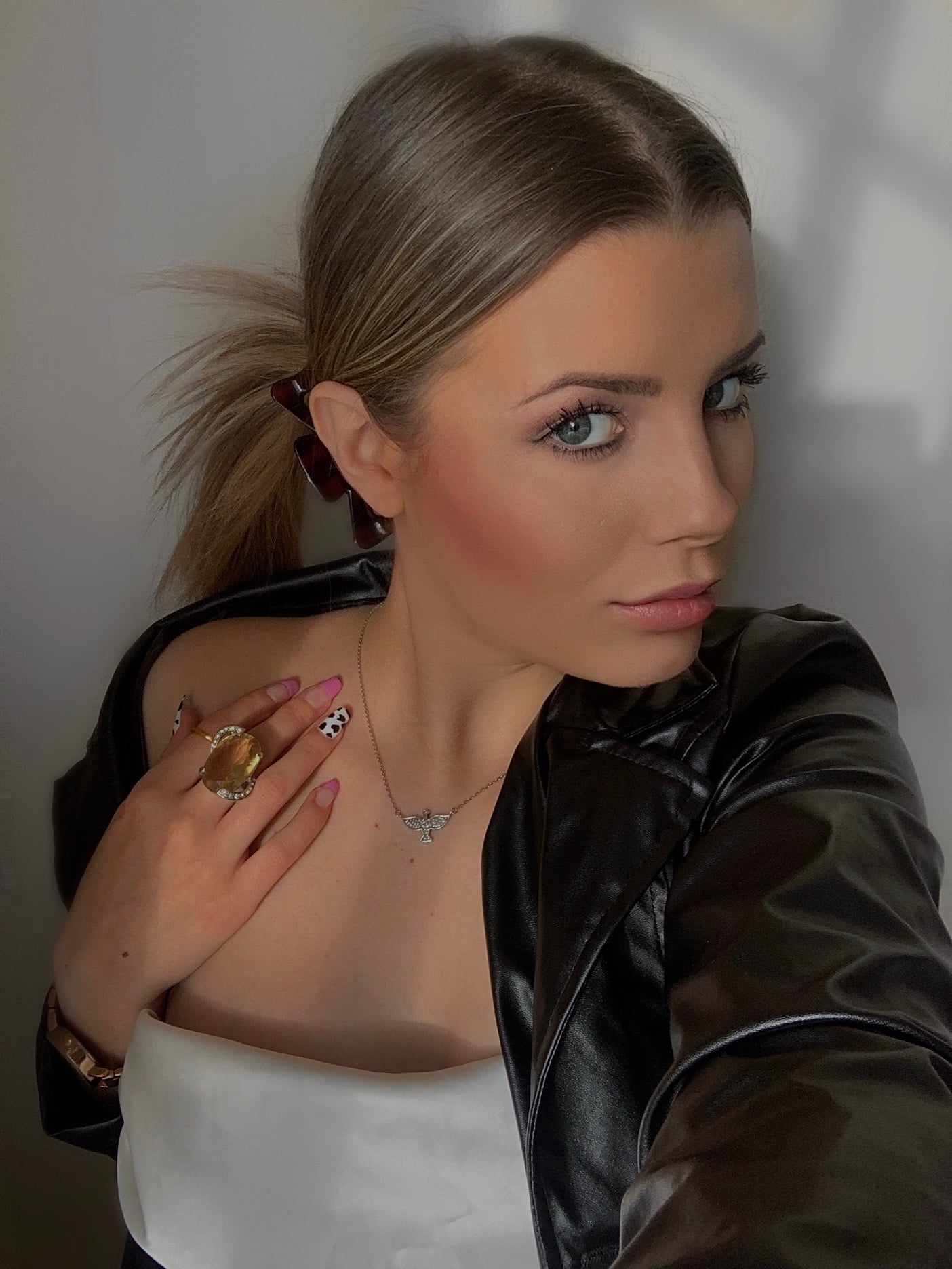
Lighting metal and stone without a studio
Jewellery is a mirror wearing a price tag, and it photographs like one. Point a hard light at polished gold and the camera sees a white hotspot; film a faceted stone under a flat overcast sky and it goes dead. The UGC answer is not to rebuild a studio, it is to use the environments a phone already handles well.
Bright indirect daylight is the default: a large window with no direct sun gives metal soft gradients instead of blown highlights and gives stones enough directional light to fire. Direct low sun, early or late, is the sparkle setting, used in short bursts for the hero seconds where a stone needs to throw light. Mixed indoor lighting at night is the one to avoid, because warm bulbs turn silver muddy and camera white balance cannot decide what gold is.
Warm and cool metals also disagree about light between themselves, which is why a mixed collection filmed under a single setup always compromises one of the two: warm gold wants a warmer source and cool silver wants a cleaner one. On our ladder that is exactly what the Premium tier's second lighting setup exists for, and it is the tier to pick when the range you are filming mixes metals.
Two practical rules do most of the work. First, the creator wears or places nothing reflective around the shot that fights the piece, and watches for their own phone reflected in flat metal surfaces, which is the classic amateur tell. Second, every piece gets a wipe between takes. Fingerprints invisible to the eye read as smudges in 4K close-up, and re-shooting a smudged take costs more than the ten seconds a cloth would have taken. None of this needs equipment your creator does not own; all of it needs someone who has filmed metal before and knows where it bites.
Skin tones and styling: casting is a lighting decision
Metal reads differently against different skin, which makes casting part of the product presentation. Yellow gold glows against deeper and warm-toned skin; silver and white gold hold their line against cool undertones; rose gold flatters almost everyone, which is partly why it sells the way it does. None of this is a rule about who should wear what. It is a planning note: if a piece comes in three metals, the ideal content set shows each metal on the skin tone that makes it sing, and a range of skin tones across the campaign so every customer can find their own hand in your feed.
Styling follows the same logic. Necklaces read best against plain necklines a shade darker or lighter than the metal; rings read best on moisturised, unpainted or neutrally painted hands unless nail colour is the brand's signature; earrings need hair planned in advance, tied or tucked, because half-hidden earrings read as accidental. The brief we build for every jewellery UGC package covers these choices before anything ships, because they are cheap to decide in advance and expensive to discover on camera.
Layering and stacking: the basket-size lever
The most commercially underused format in jewellery content is the build: a creator starts with one piece and adds, on camera, the pieces that pair with it. A chain becomes a two-chain layer, a ring gains its stacking partner, an ear curates itself from lobe to helix. This format does something no single-product video can: it teaches the customer that the brand is a system, not a collection of individual objects.
The commercial effect shows up in average order value. A customer convinced by a layering video does not buy a necklace, they buy the look, and the look is two or three SKUs. If your range was designed to stack, brief the format explicitly: name the combinations you want shown, put the combined look in the first frame as the destination, and let the video assemble it piece by piece. It also quietly solves scale again, because pieces shown together measure each other. This is the single best answer to the question every jeweller asks about UGC, which is how a 30 second video justifies its cost: one incremental two-piece order at typical jewellery margins usually covers it on its own.
From the live portfolio
Two examples, straight off the current set
Both examples are live client work. See the full sets on the jewellery UGC portfolio, so you can judge how scale, light and styling are handled before you order.
Wolf and Bond
The wedding ring, filmed as a couple try-on
JewelleryLive jewellery example
From the current portfolio set
JewelleryThe seven-shot jewellery kit
Nearly every strong jewellery UGC video is assembled from the same seven shots, whatever the piece. Knowing the kit makes you a sharper client, because you can read any quote or any draft against it and see instantly what is missing.
- The put-on. Hands fastening the clasp, sliding the ring over the knuckle, threading the earring. It establishes scale, demonstrates the fastening and starts the story in one motion.
- The settle. Two seconds of the piece sitting still on the body after the put-on. This is the shot the customer mentally screenshots: it is the piece as it will actually be worn.
- The move. The wearer turns, walks, laughs, reaches for a cup. Jewellery is bought for how it behaves in motion, and this is the only shot that shows it: the swing of a drop earring, a chain catching light as the collarbone turns.
- The sparkle pass. The deliberate slow rotation under directional light described earlier. Short, because sparkle saturates fast; three seconds is plenty.
- The detail insert. The single static macro shot: hallmark, stone setting, engraving, texture. Proof of craft for the viewer who is already half convinced.
- The context wide. The wearer in an environment: at a table, in a mirror, out of the door. It sells the life the piece belongs to, and it is where outfits and layering enter the frame.
- The pack shot with hands. The box opened or closed by real hands at the end. It seeds the gifting idea in every video, not just the seasonal ones.
Fifteen second videos use three or four of these; sixty second videos use all seven with a voiceover thread. When we build a shot list for a jewellery package, it is this kit adapted to the piece, which is why the finished set feels consistent from video to video.
Accessories: the same rules, differently weighted
The jewellery and accessories group covers more than precious metal, and the craft shifts slightly across it. Watches are the easiest crossover: scale still rules, but the wrist shot is everything and the detail insert moves to the dial and crown. Bags and small leather goods swap the sparkle pass for a texture pass, slow light across grain and hardware, and add a capacity shot, because what fits inside is the buyer's first question. Hair accessories and scarves are motion-first, since they only make sense being used, which makes them natural tutorial content. Sunglasses live and die on the face shot from three angles and honest outdoor light.
The common thread is unchanged: every accessory is bought against a guess about size, feel and behaviour on the body, and the video's job is to replace that guess with knowledge. If your range spans jewellery and accessories, brief them as one content system so styling, lighting and pacing match across the set, and the feed reads as one brand rather than two suppliers.
Gifting seasonality: the jewellery calendar
Jewellery demand is the most calendar-shaped in retail: Christmas, Valentine's Day and Mother's Day tower over the rest of the year, with a long tail of birthdays, anniversaries and graduations underneath. Gifting content is its own format, distinct from try-on content, because the buyer is often not the wearer. A man buying a necklace in December needs different information: what the box looks like when it is opened in front of him, whether the piece reads as expensive, how to get the length right without asking. Content aimed at gift buyers shows the unwrap, the reaction and the packaging as heavily as the piece itself, which is why jewellery pairs so naturally with our unboxing formats, covered in full in our guide to unboxing video production in the UK.
The planning consequence is the same one every seasonal category faces: content for a gifting peak must exist well before the peak, both for search indexing and for ad account learning. Commission Christmas content in September and October, Valentine's content in early January, Mother's Day content in February. A gifting video commissioned ten days before the day itself is a video for next year.
January deserves its own line in the calendar, because it is the quiet second season. Gift receivers arrive with vouchers and exchanges, self-purchasers arrive with sale expectations, and both respond to a different video than the December gift buyer did: try-on and layering content of the pieces people actually received, showing what pairs with them. A brand that switches its feed from gifting reveals to styling content in the first week of January is speaking to the customer who is actually in the shop, and most competitors leave last month's campaign running at exactly that moment.
Insurance and handling: posting valuable stock to a creator
This is the section jewellers actually worry about and almost no UGC article writes down. You are about to post high value stock to someone you may never have met. Here is the handling protocol that makes that boring instead of frightening.
- Ship tracked, insured and signed for, both directions. Use a postal or courier service whose declared-value cover matches the replacement value of the parcel, and declare honestly. The cost difference between standard and fully covered postage is trivial against the stock value, and the tracking trail is your evidence chain.
- Photograph condition at both ends. The sender photographs each piece and its packaging at dispatch; the creator photographs on arrival before filming and again at return dispatch. Four sets of timestamped photos close every dispute before it opens.
- Agree the custody terms in writing. Who holds the piece, for how long, stored how, returned by when and by what service. At Velena Lifestyle this is part of the standard order paperwork rather than an awkward conversation, and pieces are filmed and returned on an agreed schedule, not held indefinitely.
- Check your own cover. Many jewellery brands' policies cover stock on premises and in transit to customers but are silent on stock loaned for marketing. One email to your insurer, before the first shipment, is the entire fix. Ask specifically about loan-out for promotional purposes and about transit cover when you are not the carrier's customer on the return leg.
- For very high value pieces, film supervised. Above the level where postal insurance caps out, the answer is a supervised shoot: the piece travels with you, is filmed, and never leaves your custody. We run jewellery shoots this way on request, and for one-of-a-kind pieces it is the only responsible format.
None of this is exotic. It is the same discipline the trade already applies to wholesale and repairs, extended to content. The reason to insist on it is not that creators are untrustworthy; it is that a process that does not need trust is cheaper than one that does. On our own orders, tracked and insured post in both directions is included at every tier, so the protocol above is the default rather than an upgrade.
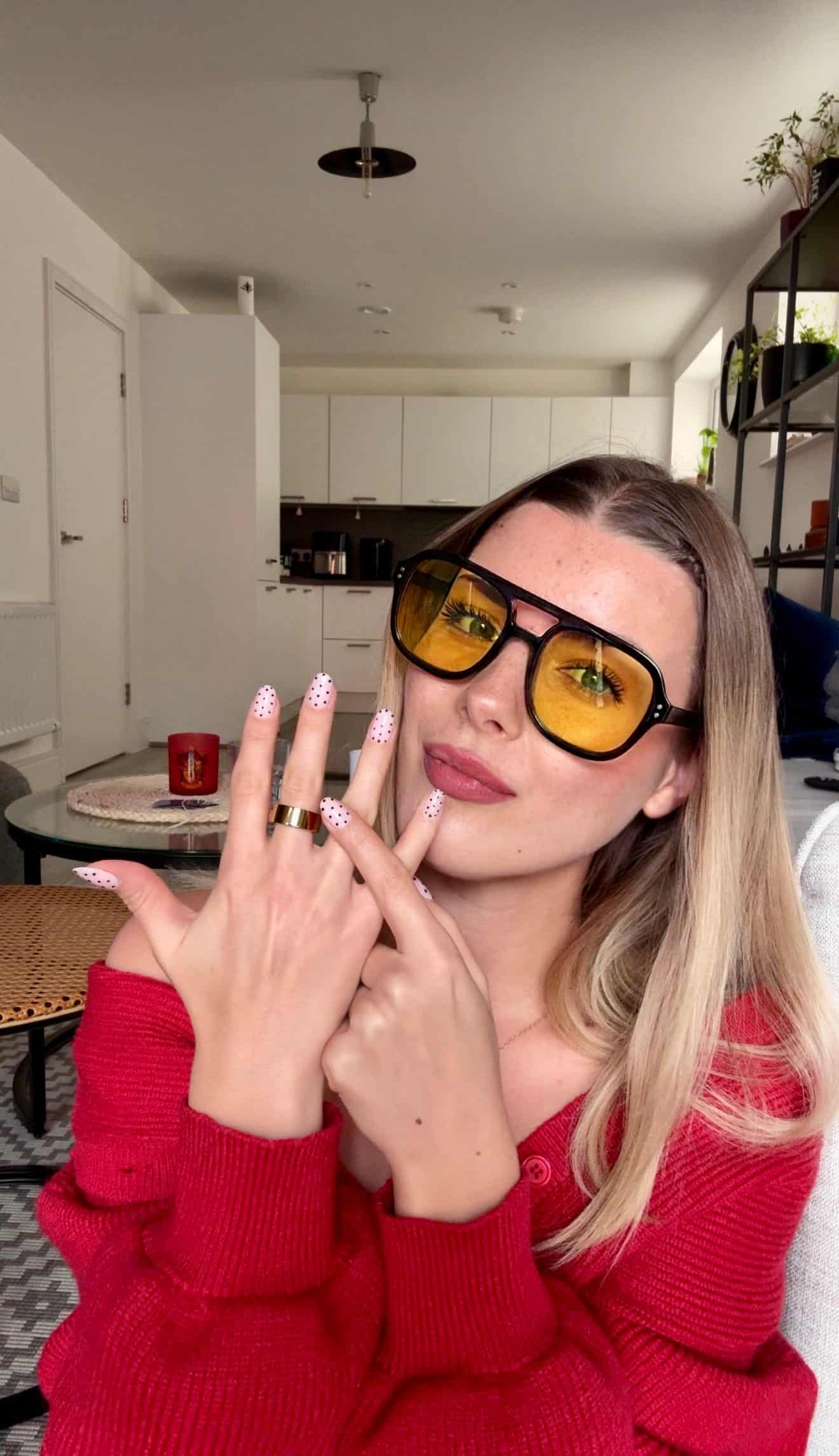
The slug detail that saves your links
A small housekeeping note for anyone building landing pages or link-in-bio routes around this category: the jewellery portfolio and the jewellery packages live at different slug stems on this site. The portfolio is at /ugc-portfolio/jewellery-ugc-videos/ while packages and products use the full jewellery-accessories stem, as in /ugc-portfolio/jewellery-accessories-ugc-packages/. Both are linked correctly throughout this article, so copy links from here rather than guessing the pattern, and your campaign URLs will never land on a 404.
What jewellery UGC costs
Jewellery and accessories UGC at Velena Lifestyle runs on the same tier structure as every category. The current prices look like this.
| Package | What it is | Live price |
|---|---|---|
| Jewellery Basic | A clean try-on filmed worn, dimensions stated on camera, one format of your choice, organic usage rights | from £150 |
| Jewellery Standard | A scripted video with two hook variations, macro detail work on settings and clasps, all three formats, and a 12 month paid media licence | from £225 |
| Jewellery Premium | Full creative direction, three hook variations, a second lighting setup for mixed metals, raw footage, whitelisting included, and the same paid licence term | from £350 |
| Jewellery Bundle, 3 videos | Three separately briefed videos, the right way to test try-on against layering against gifting | £595 |
Every tier is priced by length, from 15 to 60 seconds, so the prices above are each tier's genuine starting point.
On rights, the position is the same across the whole range: Standard, Premium and the bundle each carry a 12 month paid media licence, so the try-on you commission for autumn is still legally running as a Valentine's ad without renegotiation. Basic is the organic-only tier. Whitelisting, running the ad through the creator's own handle so the placement reads as a recommendation rather than a promotion, is included on Premium, which is the tier a performance team should be buying. If content is gifted to an influencer rather than commissioned, disclosure rules still apply the moment you control or pay for the post; the ASA's influencers' guide to making clear that ads are ads is the reference, and it is far easier to brief compliance in than to argue it afterwards. For a sense of what the wider UK market charges creators for comparable work, our UGC rates report has current figures, and our guide to finding UGC creators in the UK covers the sourcing routes if you want to compare.
Delivery runs to the clock your tier states, counted from the day your pieces arrive: 5 working days on Basic, 7 working days on Standard, 10 working days on Premium and 10 to 14 working days on the bundle, with tracked and insured return shipping built into every order.
Paid media for jewellery: what changes when spend goes behind the video
Organic jewellery content earns trust slowly; paid placement buys reach immediately, and the format changes with the job. Three adjustments matter. First, the scale answer has to arrive earlier: in an ad, the piece should be on a body at a believable distance inside the first two seconds, because a paid viewer gives you nothing on credit. Second, price framing belongs on screen for pieces at accessible price points, since jewellery ads suffer when viewers assume everything gold is out of budget; a simple on-screen price or from-price is often the single highest-lift edit. Third, gifting-season ads should target the giver, not the wearer, with copy and imagery to match, which is a different creative brief from the try-on running the rest of the year.
Mechanically, running creator content as advertising needs two things in place: the paid media licence, which Standard, Premium and the bundle each carry for a term of 12 months, and correct ad disclosure, which our breakdown of the UK ASA CAP Code rules for social media walks through platform by platform. The wider tactics, from whitelisting through creative testing cadence, are covered in our UGC advertising guide; the short version for jewellery is to test three angles per piece, scale, styling and gifting, and let the ad account tell you which argument your customers actually buy.
Where jewellery UGC fits, and what to do next
The audience is already in the feed: DataReportal's Digital 2026 United Kingdom report counts 55.5 million active social media user identities in the UK, 79.7 percent of the population, and jewellery discovery has moved decisively into short vertical video alongside them. The brands winning the category run a simple loop: try-on and detail videos feeding product pages, layering videos feeding average order value, gifting videos owning the seasonal peaks, and the strongest performers promoted to paid with the licence already in place. Fashion and jewellery share most of a wardrobe, so the styling logic in our guide to UGC for fashion brands is the natural companion read, and if UGC as a discipline is new to you, start with what UGC is.
Content only compounds when it is published consistently, and that is a system rather than a video. If you want the whole loop run for you, from content through captions, scheduling, community and reporting, our founder-led social media management UK plans do exactly that on rolling monthly terms with 2 months notice. And if you just want to see whether the standard holds before you spend anything, the jewellery portfolio is live and current: watch how the pieces are anchored for scale, and notice that you always know exactly how big everything is. That is the craft, doing its job.
Jewellery UGC, the questions buyers ask
UGC for jewellery brands is short vertical video of real people wearing, styling and gifting your pieces, filmed creator-style in ordinary light. It solves the two problems jewellery photography cannot: it shows true scale on a real body and it shows how metal and stone behave in motion, which are the two things buyers need before they commit.
By anchoring every shot with a scale reference: fingers, ears, collarbones and everyday objects, so the viewer's brain can measure the piece. The frame should almost never contain jewellery alone. This is also why try-on video reduces returns, because customers stop misjudging size.
Yes, with a written handling protocol: tracked and insured shipping both directions with honest declared values, condition photos at dispatch and arrival, agreed custody and return dates, and a check with your insurer about loan-out cover. Very high value pieces are filmed at supervised shoots instead, so they never leave your custody.
Yes. At Velena Lifestyle, Standard, Premium and the bundle each include a 12 month paid media licence, and paid or brand-controlled creator content must be labelled as an ad under the UK CAP Code. For gifting season campaigns, target the gift buyer rather than the wearer and adjust the creative accordingly.
Our channels
Watch the work
Velena and Dragos
Travel, food and influencer content from the two of us, and the channel where the long form work lives.
Open the channelVelena Lifestyle
The agency channel. UGC examples, client work and finished campaign videos.
Open the channel

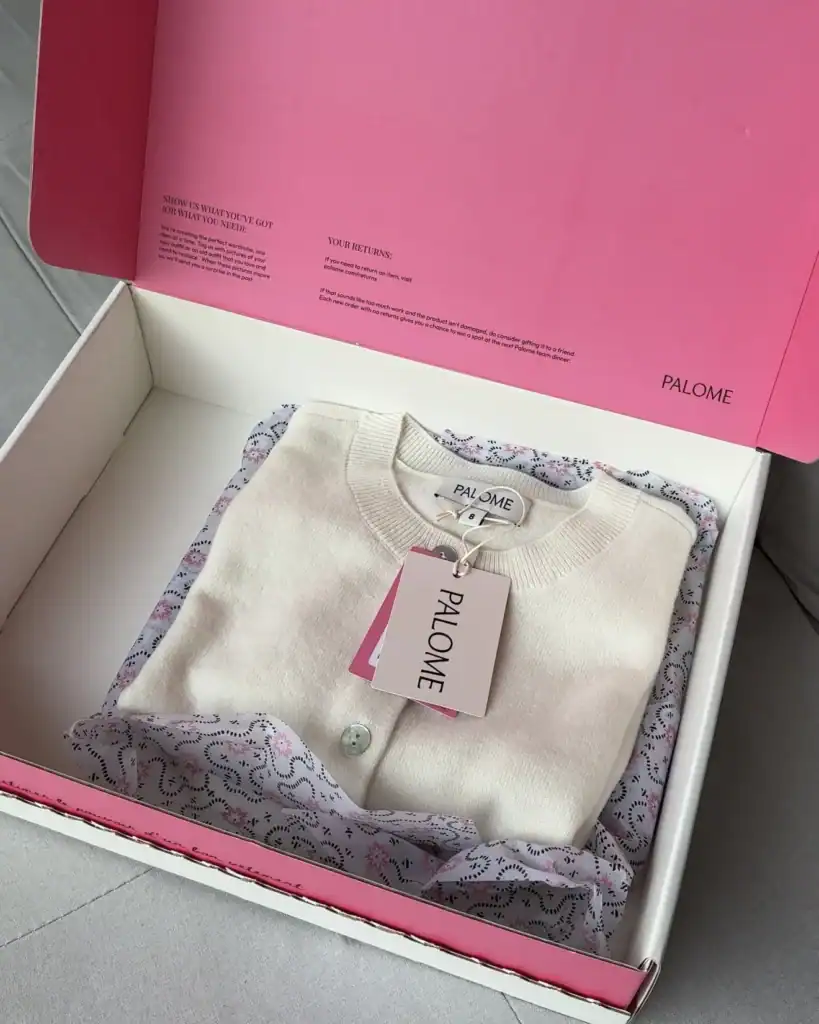

Monthly plans
Social media management, done for you

Small Business Social Pack
£149 per month
12 static posts, 1 platform, content creation done for you
View Small Business Social Pack- Most chosen



Rolling monthly, 2 months notice, no setup fees. All plans on the social media management page.
Client reviews
What clients say, word for word
“Velena Lifestyle have been a breath of fresh air for our social media accounts. Their professionalism and knowledge have supported us massively.”
Sean Thompson, Head of Marketing, Snaptrip Group. Google review, 5.0.“Velena was a pleasure to work with, she worked solely with the brief provided and was even ahead of her deadline. The content produced was clean, professional and on brand. We would love to work with Velena again in the very near future.”
Lauryn Middleton, Social Media Manager, Smirk. Client testimonial, October 2023.“I've known Velena for many years and she is a great content creator and reliable. I highly recommend her. Looking forward to hiring her again.”
Alex, Newmiuz. Google review, 5.0.Every review is reproduced word for word. Read them all on the reviews page.
Who you work with
One team, from the first brief to the last hand off
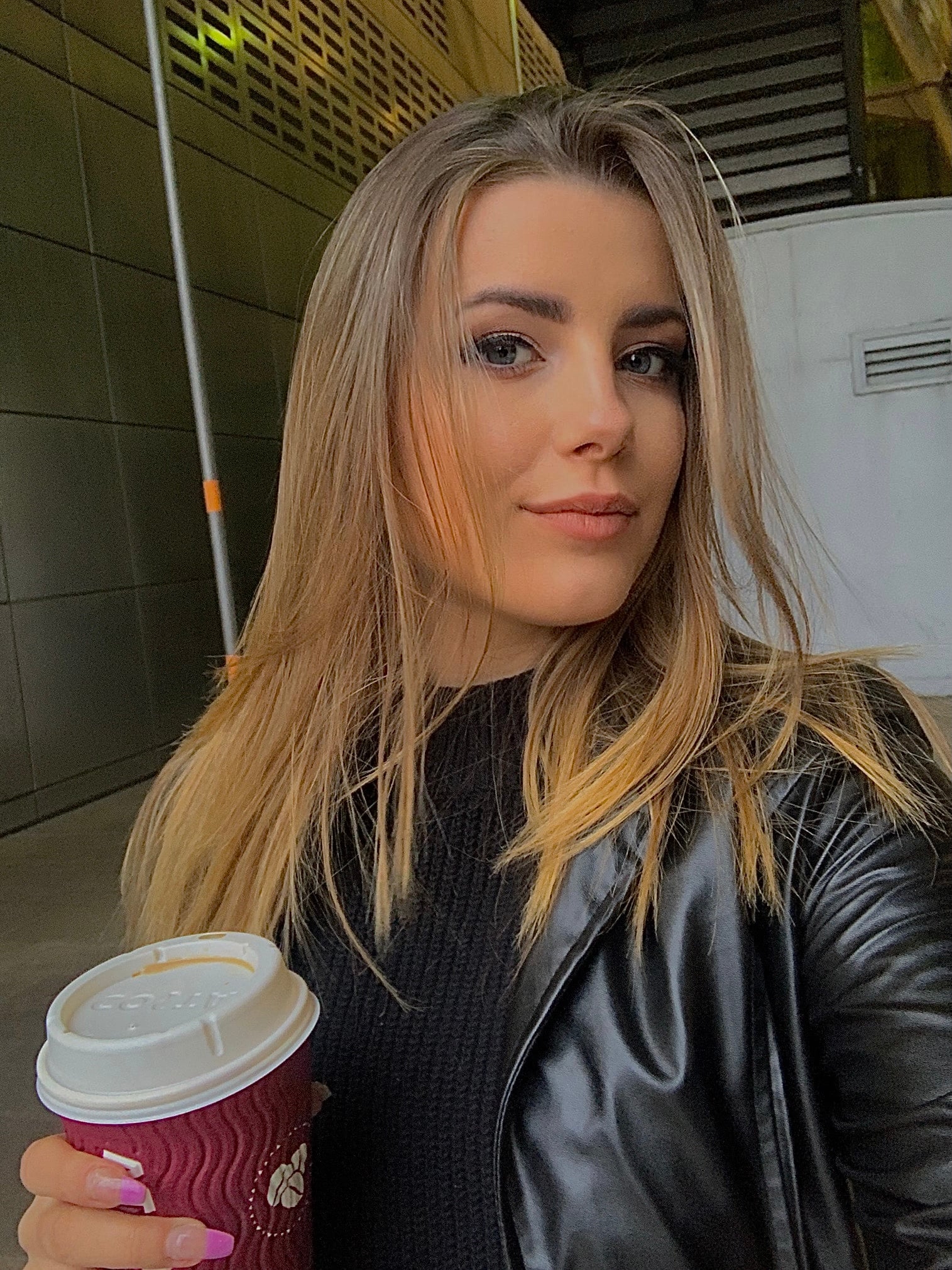
Velena Nikolova
Co-Founder and Creative Director
Velena leads the filming and the edit, so the idea and the execution never pass between strangers. A lifestyle creator with 13,000 Instagram followers, featured in Women's Health. More on the about page.

Dragos Nistor
Co-Founder and Business Strategist
Dragos runs the brief, the schedule and the delivery, and is on camera for couple and male led work. Named a LinkedIn Top Entrepreneurship Voice in 2024. More on the case studies.
Work with Velena Lifestyle
Ready to show your pieces at true scale?
Tell us the pieces, the metals and the platform, and we will send you the styling brief and the handling protocol the same week. Insured both ways, filmed worn, and sized so your customer never has to guess.
Start your project