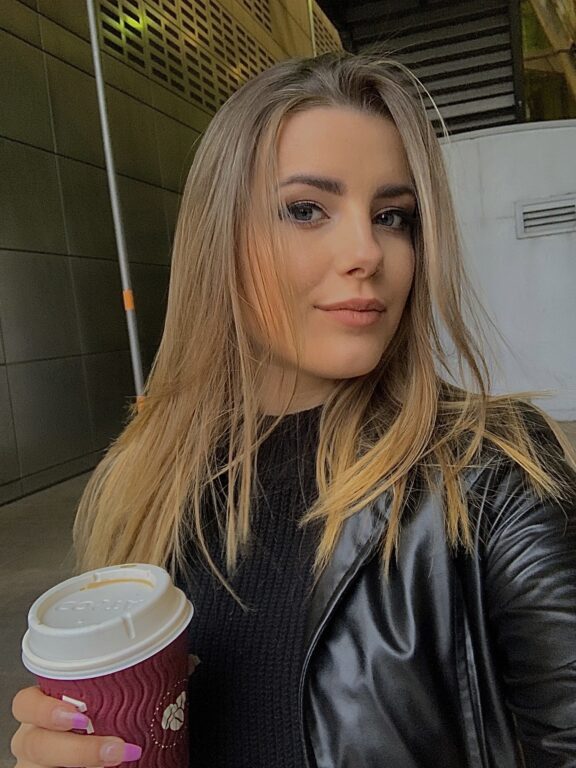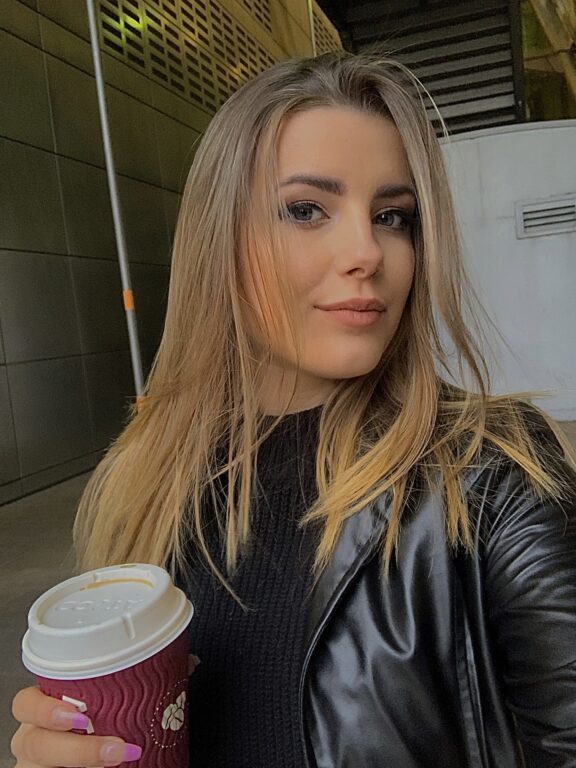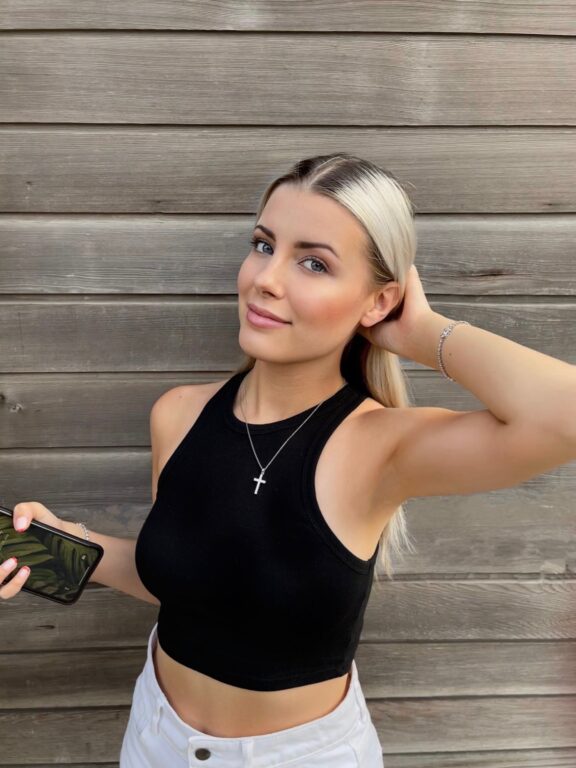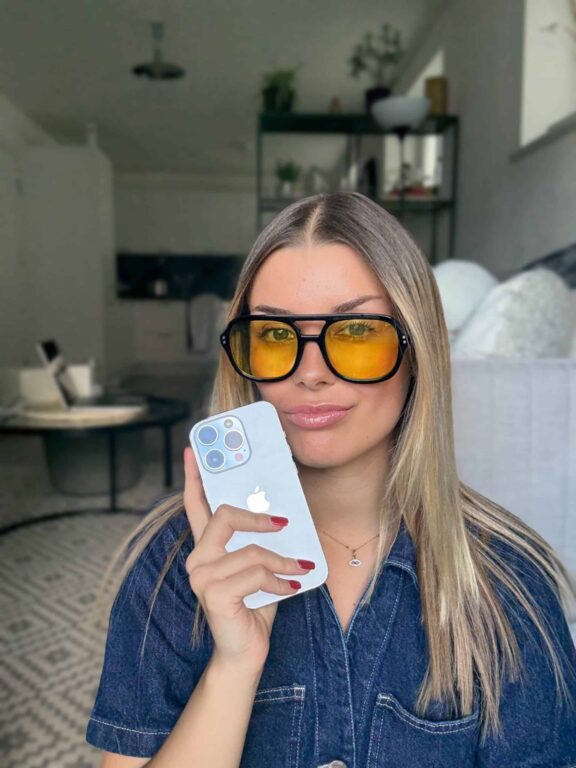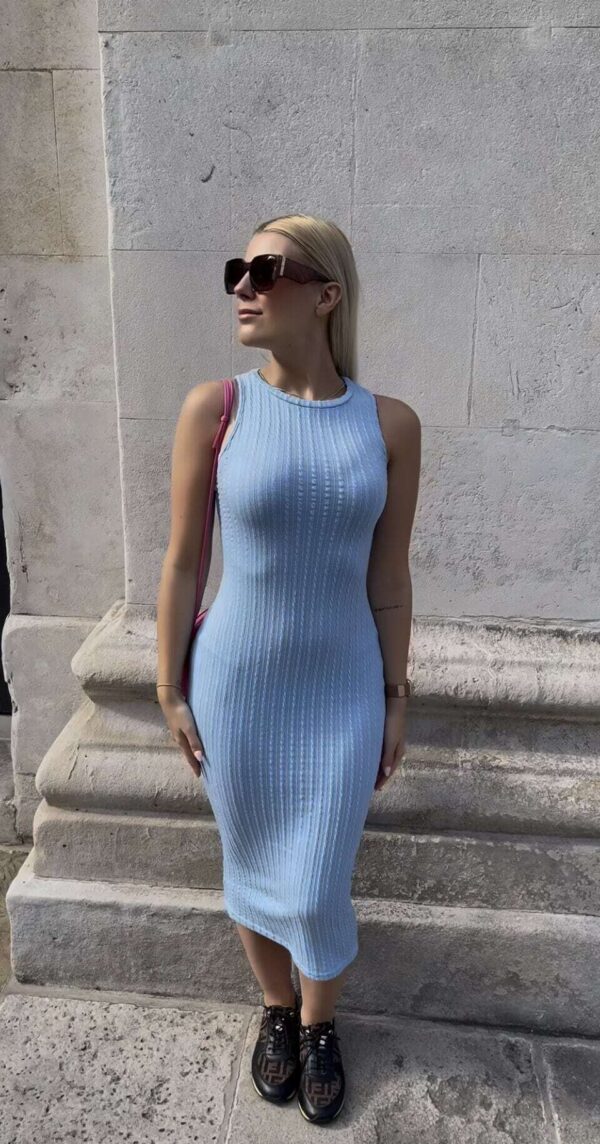

- Remini's AI photos asked for 8 to 12 pictures of you, then generated portraits in styles you chose. In July 2023 the #remini hashtag had passed 1.4 billion views on TikTok, according to Fortune.
- The results can be striking, but they are not always you: check faces, hands and fingers before you use any of them.
- Photos of your face are personal data. Read the app's privacy policy first, and check how long your pictures are kept and whether they are used to train its models.
- LinkedIn allows AI enhanced or AI created profile photos, but the photo must reflect your likeness.
- In the UK there is no blanket duty to label AI in ads, but an AI picture must not mislead. Meta and TikTok ask users to label realistic AI content, and EU deepfake disclosure rules apply from 2 August 2026.
The 2023 trend
In July 2023 a trend spread across TikTok: people turning casual selfies into professional looking headshots for their LinkedIn and work profiles, without paying for a photographer. The app most of them used was Remini, an AI photo enhancer. Fortune reported that users uploaded eight to 12 photos of themselves, picked a style, and received AI generated portraits; that the #remini hashtag had passed 1.4 billion views; and that the app was free to download, with full features behind a subscription of $9.99 a week, with some users offered a trial week.
Velena tried it in August 2023 and wrote about it here. The original post was an enthusiastic first look, written for other creators: she loved the results, and some of the looks even inspired outfits she recreated in real life. This version keeps her experience and her tips, and adds what has changed since. AI pictures of people are now everywhere, and with them have come rules from platforms, regulators and employers that anyone posting them should know.
Remini is made by Bending Spoons, a software company based in Milan, which its privacy and cookie policy names as the data controller. The app still offers AI photo generation alongside its original job of enhancing and restoring photos; a review updated in March 2026 describes it as training on 8 to 12 of your selfies. Prices change often and vary by country and app store, so check the current price in the app before you subscribe.

How it worked, step by step
The process Velena followed in 2023 was simple, and the same basic steps apply to most AI portrait apps today.
- Start the trialWhen Velena downloaded the app, it offered a free trial for a week, with as many generations as she liked during it. Remember to cancel through your phone's app store settings if you do not want the subscription to continue.
- Upload your photosThe app asked for 12 photos of her. This is the step that decides the result: the AI builds its idea of your face from what you give it.
- Choose your photos carefullyVelena's best tip: use pictures you already have and like, with clear light and different angles, rather than quick selfies taken in the app. The better the source, the more the results look like you.
- Pick a modelRemini offered a range of styles, which it called models, from classic and retro to modern and bright, or business wear for a headshot.
- Swipe through the resultsSwipe left on a picture that does not look right, and right to save one to your phone. The swiping made it quick to sort dozens of results.
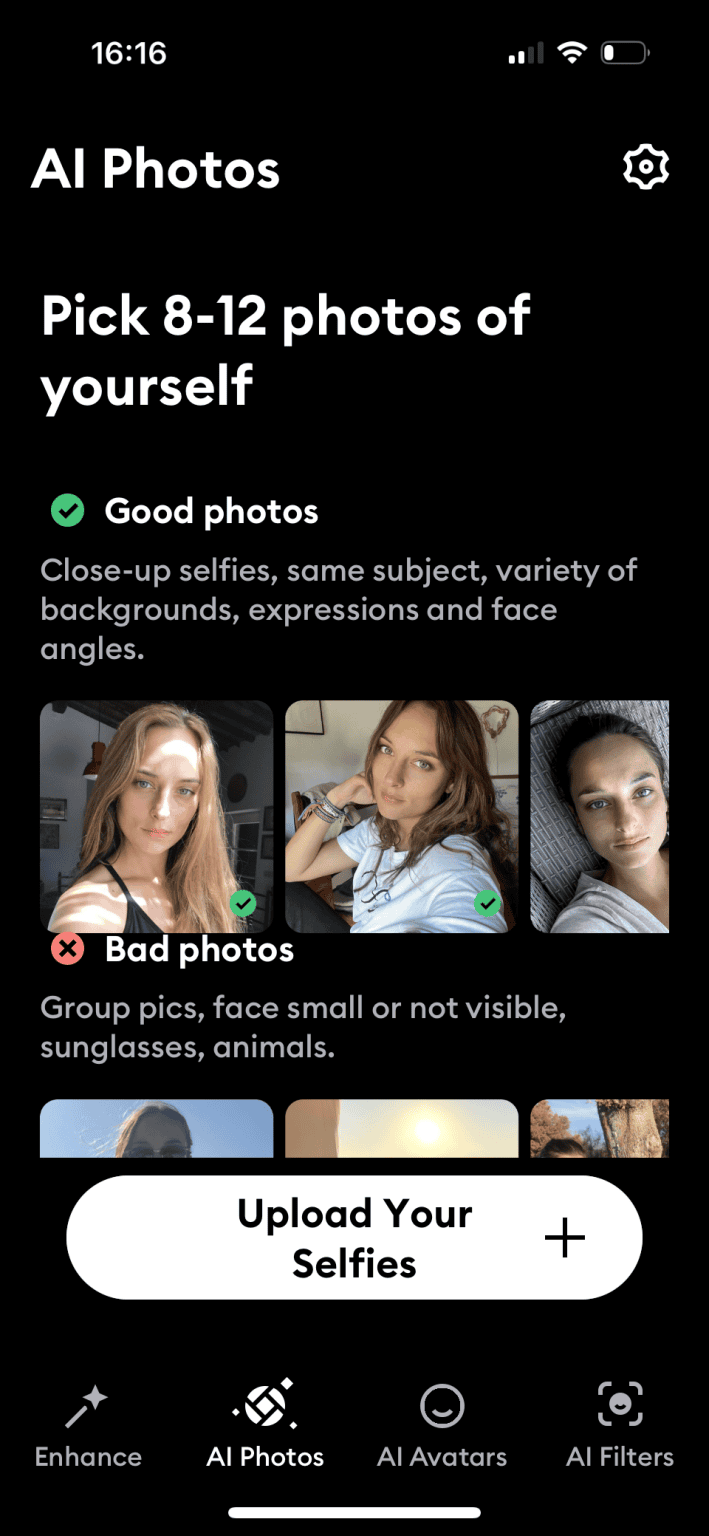
That is all there is to it. The skill is not in the app; it is in what you feed it and what you choose to keep. Fortune's own test found the first set took nearly 20 minutes to generate, so expect to wait rather than get results instantly.
What it got right, and what it got wrong
The best results were remarkable. Several of Velena's portraits looked like professional photographs, with good light and flattering styling, and they were fun to share. That is exactly why these apps took off: in a few minutes they produce pictures that would otherwise need a photographer, a stylist and a location.

But no AI is perfect, and the original post was honest about it. Some pictures did not look quite like her: the face drifted, the features changed, or the expression felt like someone else's. And the classic AI mistake turned up too. Velena's tip was to always count the fingers, because generated hands often have one too many or one too few. Three years on, image models have improved a great deal, but the advice stands: zoom in on every picture before you use it.

Your face and your data
In 2023 most people, Velena included, uploaded their photos without a second thought. Today we would read the privacy policy first, because pictures of your face are personal data, and a dozen clear photos from different angles are exactly what a face model needs.
Remini's privacy and cookie policy, last updated in January 2026, says media uploaded to its web app is deleted from its servers after a set period, and lists user images among its training data only where users have explicitly opted in to model training. Policies change, and different apps take very different approaches, so check three things before you upload to any of them.
AI headshots on LinkedIn
The 2023 trend was mostly about LinkedIn, so it is worth knowing where LinkedIn stands. Its Professional Community Policies ask members not to use an image of someone else, or any image that is not their likeness, as a profile photo. In October 2025 a LinkedIn spokesperson told CNBC that members may use AI tools to enhance or create profile photos, but that the photo must reflect their likeness.
In other words, the tool does not matter; the result does. An AI headshot that a client or interviewer would recognise when they meet you is fine. One that makes you look like a different person works against you the moment you walk into a room or turn on your camera. On a profile built on trust, that is a bad trade for a nicer picture. If your LinkedIn is part of how you win work, our guide to the best LinkedIn company page and the personal branding guide cover what else makes a profile convincing, and our free bio generator helps with the words next to the picture.
The labelling rules in 2026
When Velena first posted her AI portraits, there were few rules about labelling them. That has changed. For a person sharing a fun picture of themselves, little applies. For a business, or for a creator posting for a brand, these are the rules that matter.
Put simply: if an AI picture of a person could be mistaken for a real photograph, and it is used to sell something or to inform people, say that it is AI. If it shows a product doing something the real product cannot, a label will not save it; the ASA treats that as misleading whatever the caption says. Our full guide to the ASA and CAP Code rules for social media has a section on AI generated advertising, and Baker McKenzie's note on the EU guidance explains the deepfake test in more detail.

What audiences think about AI content
The rules are only half of it. The other half is what your audience feels when they realise a picture is AI. In a Clutch survey of 601 consumers in August 2026, 53 percent said they were less likely to buy from brands they know use AI in social media content, nearly 90 percent wanted brands and creators to disclose AI generated content, and 71 percent said they would question a human influencer's recommendation if AI had created the content.
That does not mean AI has no place. It means people want to know, and they react badly to finding out on their own. For a person, an AI portrait as a bit of fun is harmless. For a brand, an AI person presented as a real customer, or an AI picture passed off as a photograph of a real place or product, risks exactly the trust the content was meant to build. Our article on the cost of easy content looks at this from the creator's side.
How we use AI at Velena Lifestyle
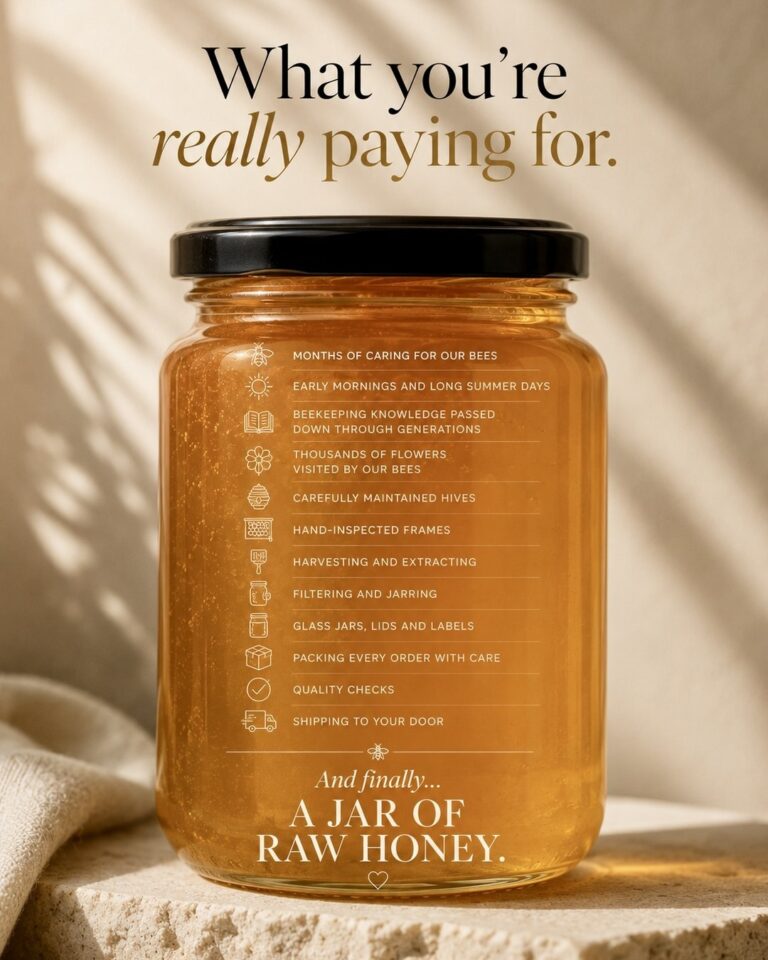
We use AI where it helps and say so where it matters. We make AI generated social posts and product scenes, such as the post below for HoneyBee & Co., where no real person is shown and nobody could mistake it for a photograph of a customer. On our own site, an AI generated picture is never presented as a real photograph.
Where a brand needs a real person, we film real people. Our UGC (user generated content) videos are made by our team, with the client choosing who is on camera: Velena, Dragos, both, nobody with a voiceover, or no preference, at the same price. That is the line we hold: AI for scenes and ideas, real people for real opinions. The people who plan your content are the people who film it.
See real people on camera
Tap a video to play it. These are app and software videos our team has filmed, the real person version of a product demo. There is more on our apps and software work page.
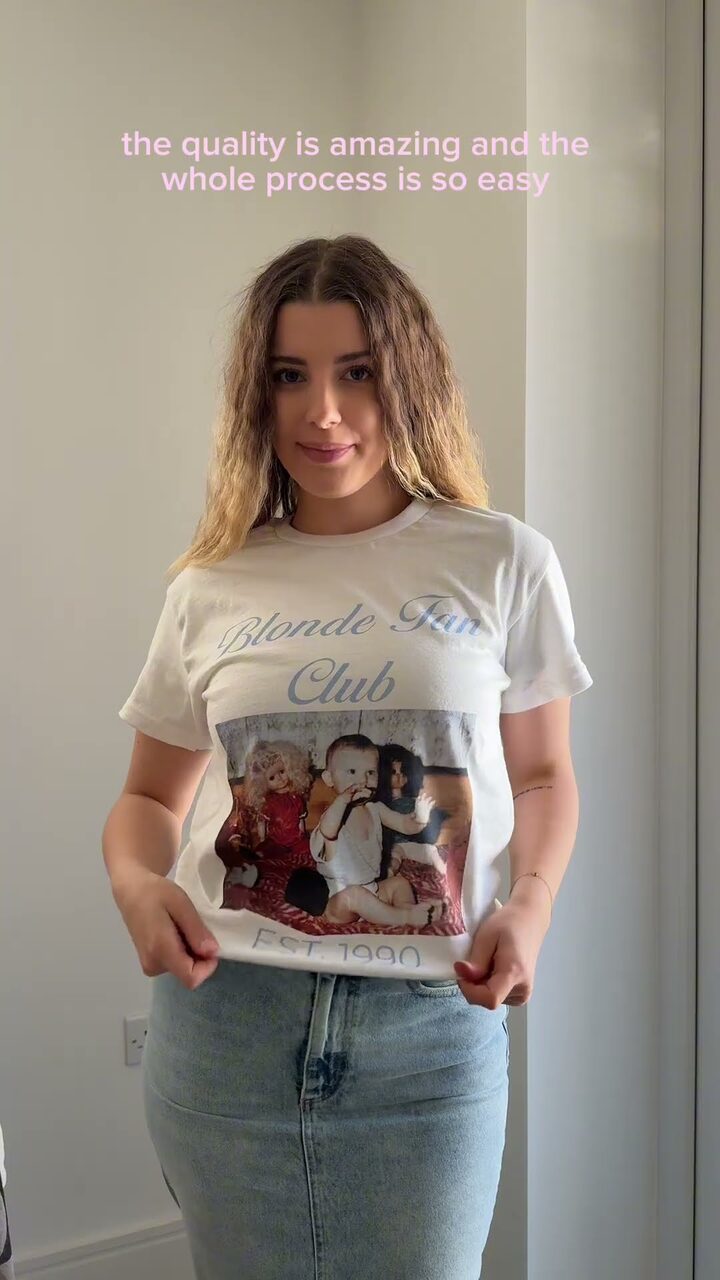
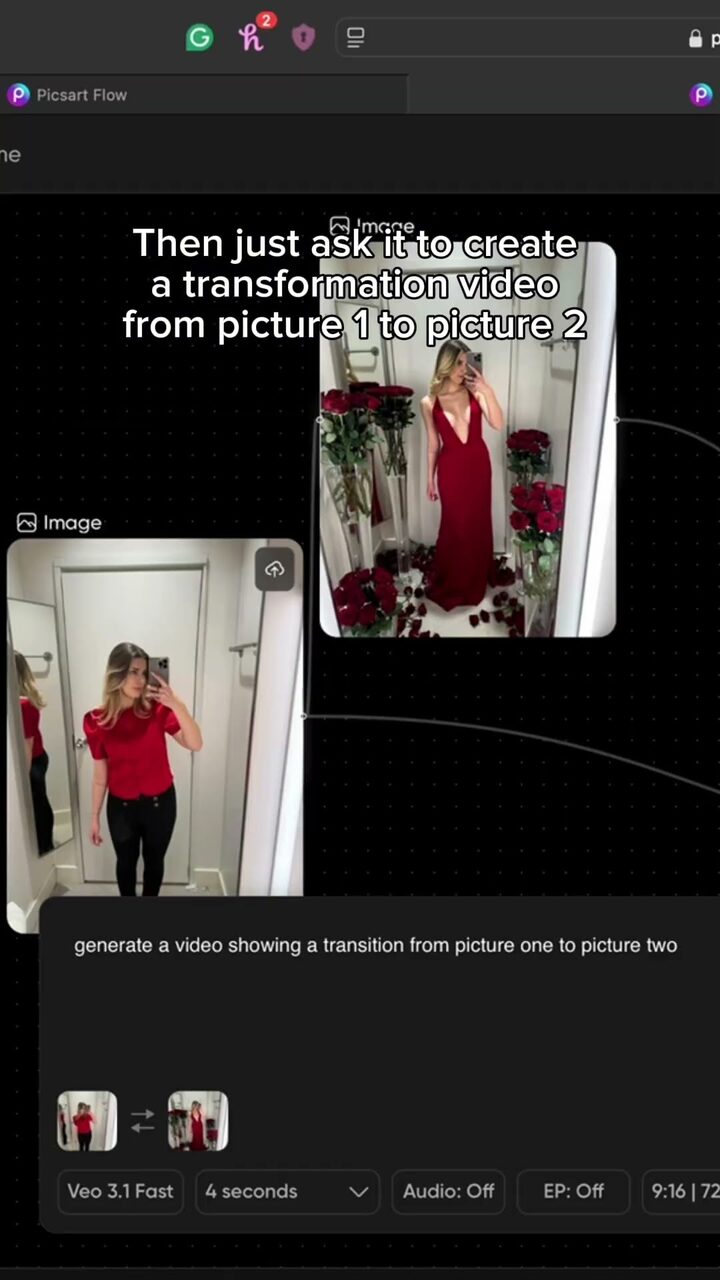

For brands: real faces, or labelled AI
If you make an app, a photo tool or any product people use on screen, the content that sells it is a real person using it, showing what it does and saying what they think. If you need a profile or a page that wins work on LinkedIn, the picture matters less than what sits around it. These are the packages that fit each case, every one with its price on the page.
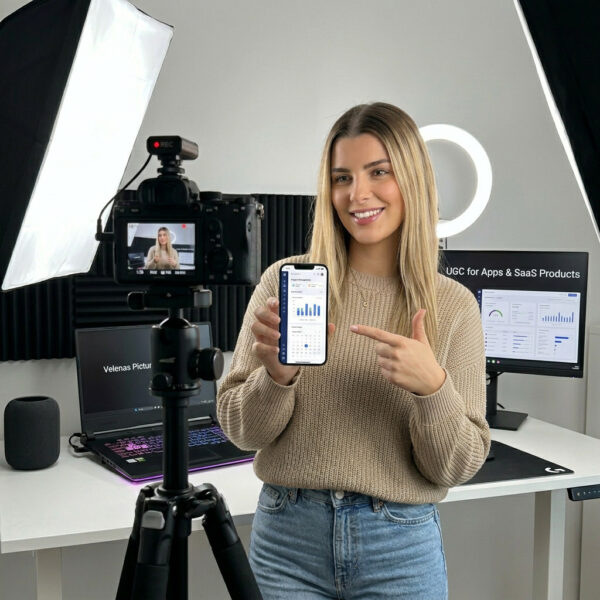

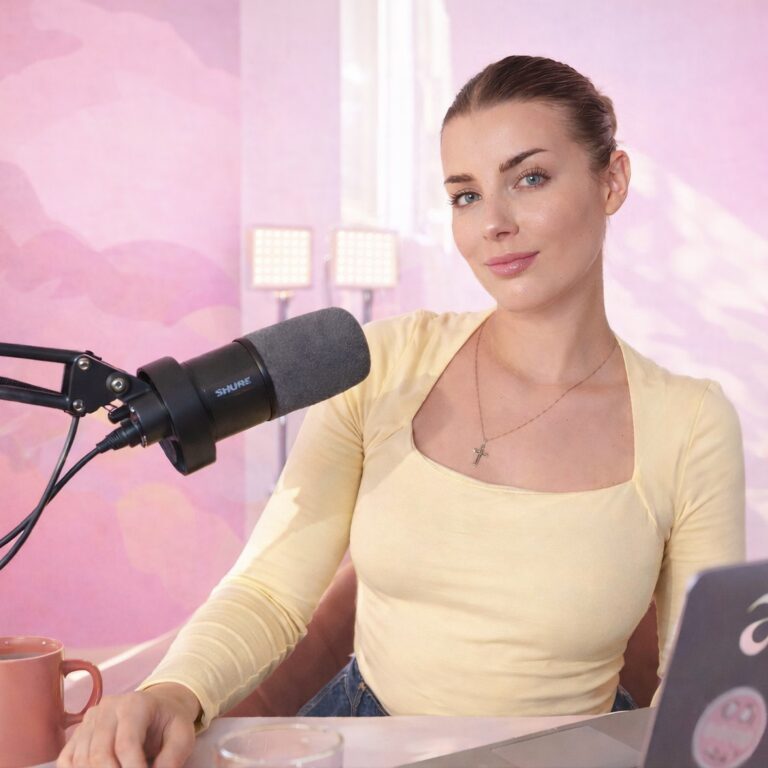
If you are using AI pictures in your own marketing, a quick check helps: our free social media audit looks at your profile and content as a stranger sees them, and our image converter makes any picture you do post light enough to load quickly. For the wider view of when creator content beats other options, read what UGC is and our UGC examples.
AI generated photos: questions
How does Remini make AI photos?
You upload several clear photos of yourself, 8 to 12 according to Fortune's 2023 report, choose a style, and the app generates portraits based on your face. The quality of the results depends mostly on the photos you upload.
Is Remini free?
The app is free to download, but its full features need a subscription. In 2023 Fortune reported a weekly subscription of $9.99, with some users offered a trial week. Prices vary by country and change often, so check in the app before you subscribe.
Can I use an AI headshot on LinkedIn?
Yes, if it looks like you. LinkedIn told CNBC in 2025 that members may use AI to enhance or create profile photos, but the photo must reflect their likeness, and its policies ask members not to use an image that is not their likeness.
Is it safe to upload my selfies to an AI photo app?
Read the privacy policy first. Check how long your photos are kept, whether they can be used to train the app's AI, and how to delete them. Only upload photos of yourself, never of other people or children.
Do I have to label AI generated images on Instagram or TikTok?
For realistic content, yes. Meta asks users to disclose photorealistic video and realistic audio that was digitally created or altered, and labels AI images it detects. TikTok requires creators to label realistic AI generated content and labels some automatically.
Do UK ads made with AI need a label?
Not as a blanket rule. The ASA says the CAP Code applies however an ad is made. Disclose AI where the audience would otherwise be misled, and no label can rescue an ad that shows results the product cannot deliver.
Why do AI pictures get hands wrong?
Hands are among the hardest things for image models to draw, and the apps of 2023 often got them wrong. Newer models do better, but count the fingers and check teeth, ears and jewellery before you use any AI picture.
Does Velena Lifestyle use AI people in its UGC?
No. Our UGC is filmed with real people, and the client chooses who is on camera. We use AI for product scenes, graphics and posts where no real person is shown, and never present an AI picture as a real photograph.
- Fortune, Gen Z and millennials use AI for headshots with Remini, July 2023
- Remini, Privacy and cookie policy, last updated January 2026
- Tools for Humans, Remini AI review, March 2026
- LinkedIn, Professional Community Policies
- CNBC, AI in job searches, résumés and headshots, October 2025
- ASA, disclosure of AI in advertising, 29 May 2025
- Axios, Meta to label AI generated images, February 2024
- NBC, TikTok to start labelling AI generated content, May 2024
- EU AI Act, a practical guide to Article 50
- Baker McKenzie, new EU guidance on AI transparency, July 2026
- Clutch via Business Wire, consumers and AI on social media, September 2026
A question this article did not answer? Ask our team, and a person will reply.