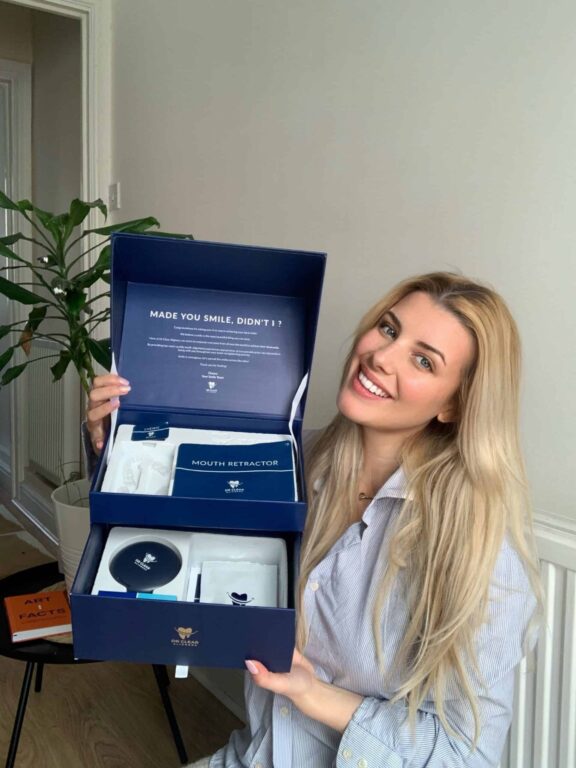

- In 2023 Velena worked with five brands in a few weeks: Juno, Surftastic, Exalt, Reset hair oil and DSE Fragrances. Four sent gifts to post about; Reset was a paid UGC job.
- The content that worked best was the content Velena would have made anyway: honest, specific and tied to her own life, from an autumn outfit video to a weekly hair routine.
- A gifted product is still a commercial relationship in the UK. GOV.UK guidance says the duty to disclose applies to gifts even when there is no obligation to post, and "Ad" at the start is the label that works.
- Gifting and UGC are different deals. A gift buys a chance of a post; a paid UGC video buys content, a brief, a deadline and rights you can use in adverts.
- Brands get better work when the brief, the deliverables, the rights and the payment are written down before anything is posted or filmed.
Where this started
Velena Lifestyle grew out of Velena's own work as a creator. Before our team made content for hotels, bars and shops, Velena was filming at home, posting on her own Instagram and TikTok, and learning what brands wanted by doing it. In September 2023 she wrote about five collaborations from the weeks before. The original post was a creator's diary, full of excitement and thanks. This version keeps every one of those events, and adds what three more years of making content for brands have taught us about each of them.
Two words come up throughout, so it helps to define them. A micro influencer is a creator with a modest but real following. Definitions vary; a common one, set out in Neal Schaffer's guide to influencer tiers, puts micro influencers between 10,000 and 100,000 followers, with nano influencers below them, and notes that the ranges are industry conventions rather than an official standard. UGC is different: it is content a brand commissions from a creator to use on its own channels and in its own adverts, whether or not the creator posts it to their own followers. Our guide to UGC versus influencer marketing explains the difference in full, and what UGC is covers the basics.
In 2023 Velena was doing both at once, which is common for creators starting out. Some brands sent a product and hoped for a post. One paid for a video made to a brief. Looking back, the difference between those two kinds of deal is the most useful lesson in the whole story, and we come back to it below.
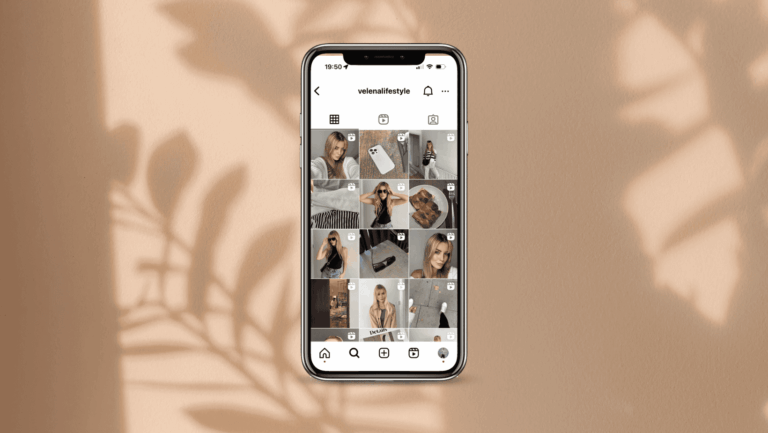
Juno: an outfit video that people asked about
Juno, a fashion brand, sent Velena a selection of pieces, including a blue dress, a long black skirt and, as an extra, a T-shirt. The fit of the dress was the first thing she noticed: it was comfortable, and she was complimented on it every time she wore it. The black skirt went into one of her "Autumn Outfit Inspo" videos, and the response in the comments was the strongest of the month.
What she liked about the brand was the price against the quality, and a range that offered an alternative to the high street names most of her followers already knew, with a few Y2K style pieces in the mix. That was her honest view at the time, and it is why the video worked: she was not reading out a product description, she was showing an outfit she actually wore.
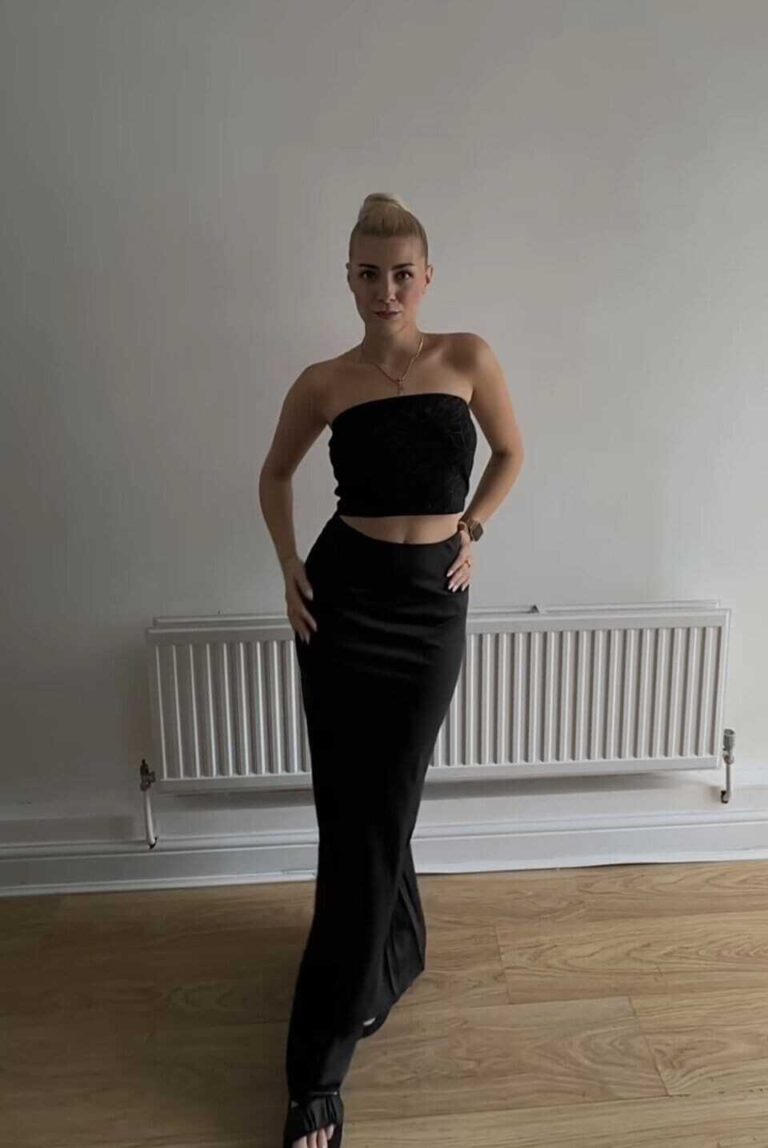
The lesson. Fashion content works when the piece is shown in a real outfit, on a real day, rather than held up to the camera. For a brand, that means sending pieces that suit the creator's style and letting them choose how to wear them. For a creator, it means only recommending what you would wear without the brand watching. Our guide to UGC for fashion brands goes through the formats that sell clothes, from try ons to outfit reveals.
Surftastic: matching T-shirts and a little nostalgia
Surftastic, a surf inspired T-shirt brand, sent matching T-shirts in a soft baby pink for Velena and for Dragos. Velena grew up by the sea and rarely gets to surf now, so the brand's coastal feel meant something to her, and the pictures of them in matching shirts were among the warmest posts of that autumn. The personal touch of sending two shirts, not one, was what made it feel like a brand that cared about the people wearing it.

The lesson. Small, thoughtful choices in a gift change the content that comes back. A brand that knows who it is sending to, and why, gets a post with a story in it rather than a product shot. The original post also had a practical tip for creators that still holds: check every inbox regularly, including the message requests and spam folders on each platform and in your email. Some of Velena's first offers sat unread in places she rarely looked. The same advice comes with a warning today, because those folders are also where most fake offers land; our guide to UGC scams and how to spot them lists the warning signs.
Exalt: a drinks brand with a football connection
Exalt, a London drinks brand, delivered fresh drinks to Velena's door. Velena spent a large part of her life in professional sport, so a brand built around healthy habits suited her well, and she enjoyed the drinks. Two things stood out. At the time, Exalt asked customers to send back part of the packaging, the box insulation, so that it could be reused, which matched Velena's own interest in sustainability. And in February 2023 the brand had signed with Tottenham Hotspur as the club's official sports nutrition drink supplier, making recovery drinks for the men's first team, as Inside World Football reported. The original post described Exalt as the team's official supplier; that is the precise role.
The highlight for Velena was that Exalt featured her on its own Instagram account. For a micro influencer, being shared by the brand puts your work in front of a new audience and gives you something real to show the next brand you pitch.
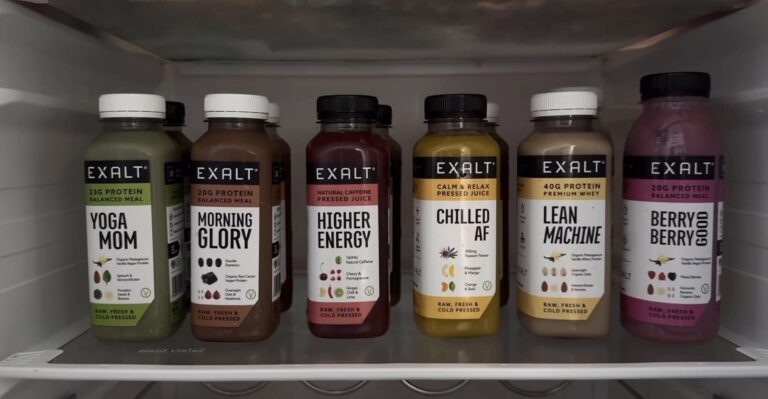

The lesson. Choose collaborations that match your values and your life, because the enthusiasm shows on camera and the audience can tell. For brands, resharing a creator's post is one of the cheapest ways to say thank you, but it changes the content's status: once you share or feature it, it is your marketing, and every claim in it must be one you can stand behind. For food and drink brands, our guide to UGC for food and drink covers what to film and what to avoid saying.
Reset hair oil: the one that was paid UGC
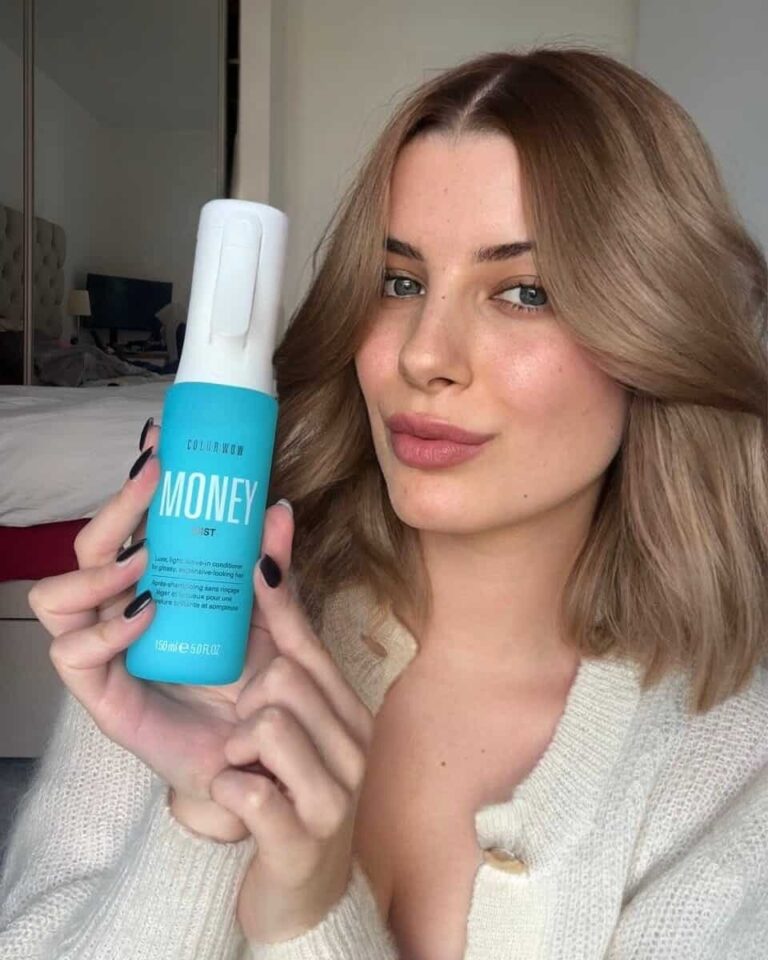
Reset was different from the other four. It followed the classic UGC format: the brand sent its hair oil, and Velena made a video to a brief, showing how she used the oil in her hair routine, with a voiceover covering the points the brand wanted made. That video was the brand's to use. What made this one memorable is that Velena liked the product enough to talk about it on her own Instagram as well. She loved the scent, and with hair that had been bleached many times over the years, she made the oil a weekly ritual and was happy with how her hair felt.
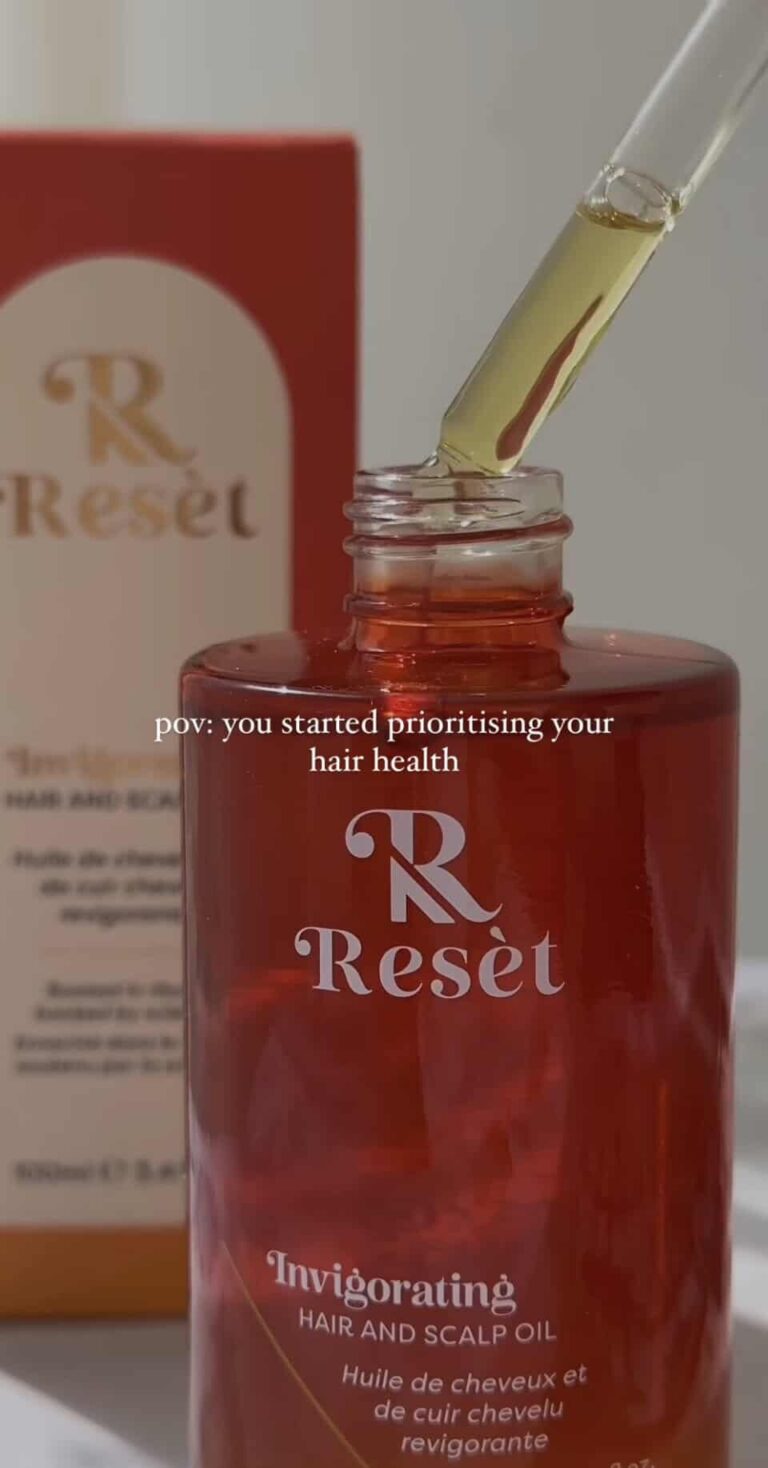
The lesson. A paid brief and a real opinion are not opposites. The best UGC follows the brief closely and still sounds like the person saying it. For a brand, that means writing a brief with the points that must be made and the claims that are allowed, then leaving the creator room for their own words. For beauty and hair products in particular, a brand can only say what it can prove, and that includes what a creator says in an advert made for it. Our guide to UGC for beauty brands covers the claims rules, and CAP's guidance on health, beauty and slimming claims sets out what evidence is needed.
DSE Fragrances: a new kind of perfume
The last collaboration of the five came from DSE Fragrances, which sent a full size bottle and a set of smaller ones to try. These were essential oil based perfumes, and they were new to Velena. What she noticed first was the absence of the sharp, alcohol smell many perfumes have when you spray them, and how the scent sat on the skin without feeling wet. They lasted well, and people regularly asked her what she was wearing. She became a convert to essential oil perfumes.
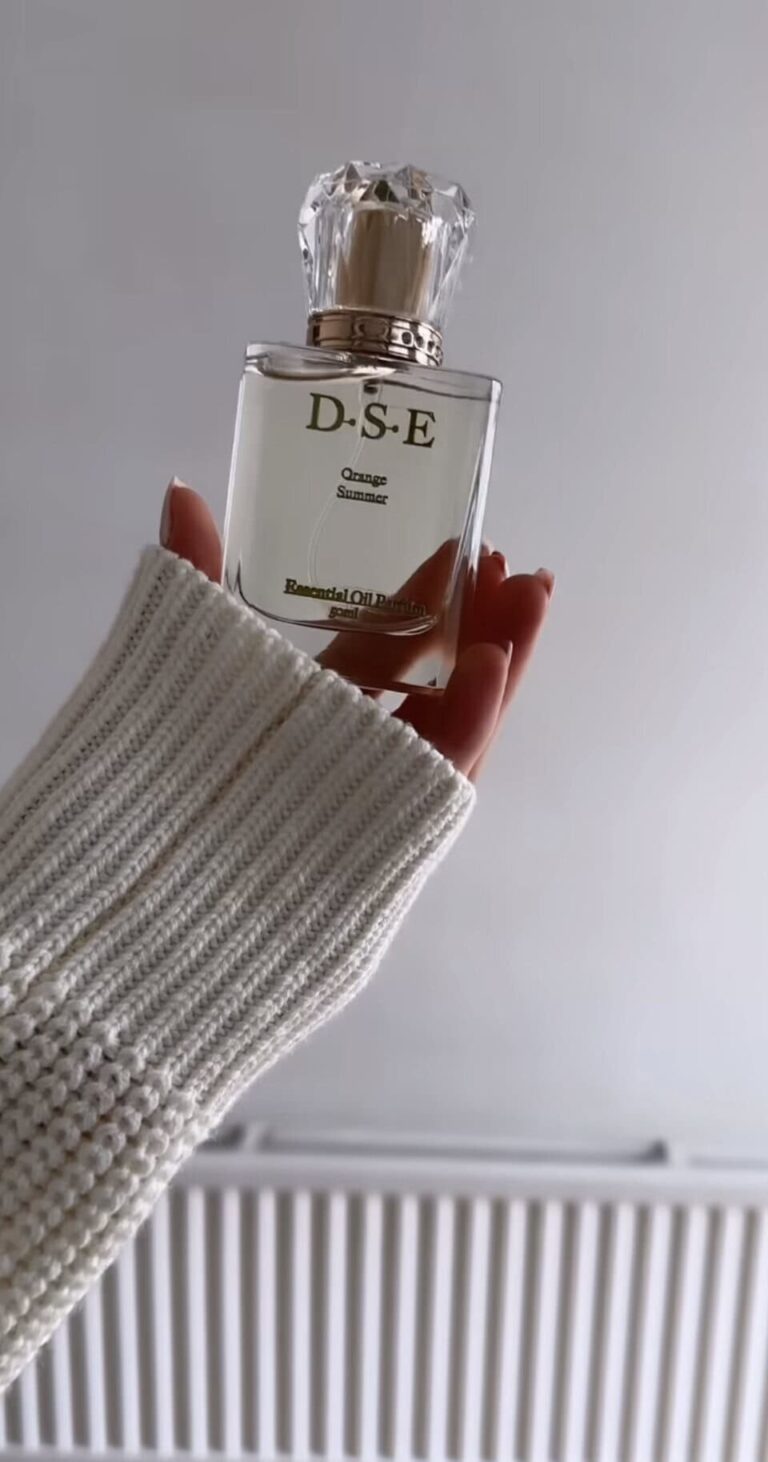
The lesson. Say yes to things that are new to you, because discovering something on camera is more interesting to watch than repeating a favourite. Fragrance is also a useful reminder of the limits of video: nobody can smell a post. The content has to carry the experience through reactions, routine and the questions other people ask, which is a creative problem worth thinking through before the shoot rather than during it.
Seven lessons from five collaborations
Each collaboration had its own lesson. Taken together, and with what we have learned since, they come down to seven points that apply to any brand and any creator working together.
- Be honest, alwaysThe original post's first tip was to be genuine in every recommendation, and it is still the most important. An audience forgives a sponsored post; it does not forgive a fake opinion. If you would not recommend it unpaid, do not recommend it paid.
- Choose brands that fit your lifeExalt worked because Velena lives that way. A product that fits the creator's day can be shown naturally; a product that does not has to be staged, and staging shows.
- Know which deal you are inA gift with no brief is a chance of a post. Paid UGC is a job, with a brief, a deadline and deliverables. Mixing the two up is how creators end up doing professional work for a free product.
- Label every commercial relationshipGifted or paid, if there is a relationship, the audience must know before they engage. In 2023 the habit was "#gifted"; the guidance today is clearer, and it is set out in the next section.
- Agree the rights in writingWho may use the video, where, and for how long. A brand that wants to run a creator's video as a paid advert needs that written down, and a creator should price it in.
- Check every inbox, and check the senderOpportunities arrive in odd places, and so do scams. Check the brand exists, the email address matches its website, and no one is asking you to pay anything up front.
- Treat the brand's reshare as a bonus, not a feeBeing featured by Exalt was a real highlight. It is a lovely extra on top of a fair deal; it is not a substitute for payment when the work is professional.
None of these is complicated. Most of the problems we see between brands and creators come from skipping one of them, usually the third or the fifth, because both sides were excited and nobody wanted to make the first message sound formal.
Gifted, paid and the rules in 2026
The biggest change since 2023 is not on the platforms; it is in how clearly the UK rules on disclosure are now spelled out, and how actively they are checked. Two sets of rules apply. The CAP Code, enforced by the Advertising Standards Authority, covers adverts. Consumer protection law, enforced by the Competition and Markets Authority, covers any commercial relationship, including gifts. Our full guide to the ASA and CAP Code rules for social media goes through both.
Applied to the five collaborations above: the four gifts would each need a clear label today if Velena posted about them, even though none of the brands asked for a post. The Reset video, made to a brief and used by the brand, is the brand's own advertising when the brand runs it, and it must follow the CAP Code; if Velena also posts it on her own account, she labels it as an ad. The brand and the creator can both be named in a ruling, so this is not only the creator's problem.
One more change matters to brands that reuse creator content. Since April 2025 the Digital Markets, Competition and Consumers Act has given the CMA power to fine businesses directly for breaking consumer law, including hidden incentivised reviews, as CMS's summary of the fake reviews ban explains. A gifted post presented as an unprompted customer review is exactly the kind of thing to avoid.
See what a brief turns into
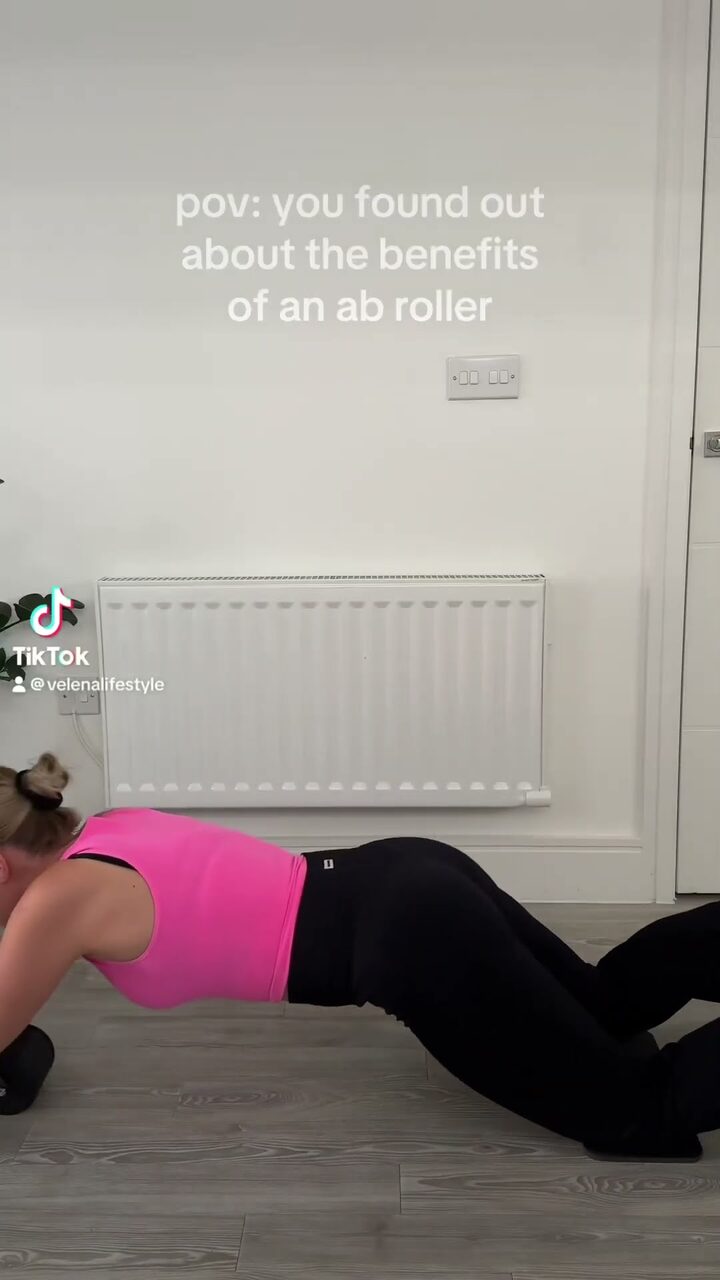
Tap a video to play it. These are product videos our team has made to a brief, the grown up version of the Reset collaboration. There is more on our UGC pages.


For brands: what to do instead of a gift box
Gifting has a place. If you want honest first impressions from people who already like your category, sending products with no strings attached can work, provided you accept that some will not post and those who do will label it. What gifting cannot do is give you content you control: you do not choose the angle, the timing or the quality, and you have no right to run it as an advert.
If what you actually need is content for your own channels and your adverts, commission it. A good UGC order has a written brief, the points that must be made and the claims that are allowed, a set number of opening hooks and formats, an agreed round of changes, a delivery date, and the advert rights in writing. Every one of our packages works that way: the script is approved by you before anything is filmed, and the price is on the page.



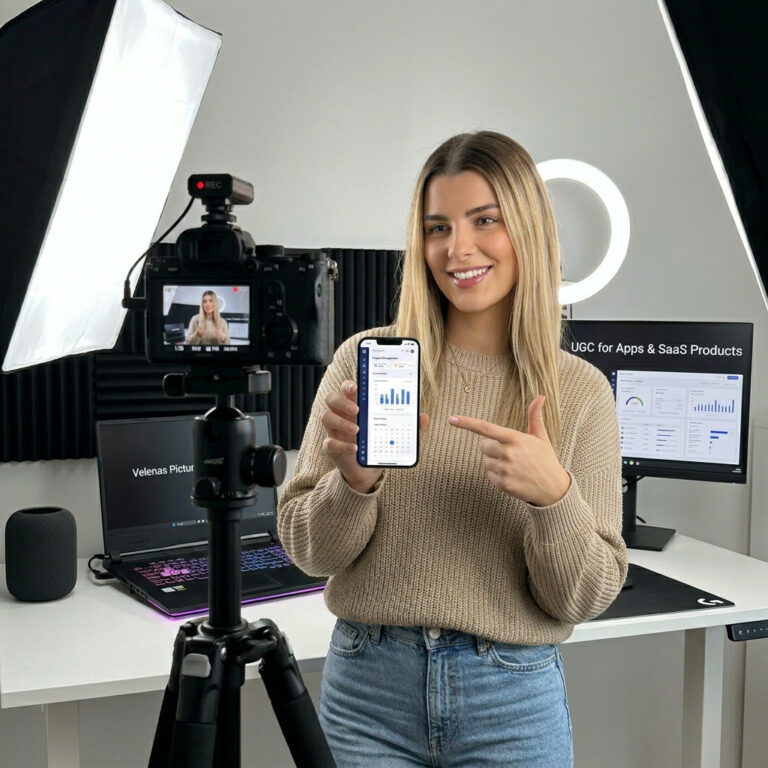

If you do want a post on a creator's own account, that is influencer marketing, and it is bought for the audience rather than the content. Our influencer packages put your product on Velena's Instagram, each one disclosed as a paid partnership. To check what a fair price looks like before you speak to anyone, our UGC rate calculator and our guide to UGC rates in the UK give you the range.
For creators: a checklist before you say yes

If you are starting out the way Velena did, gifts are a normal part of the first months, and they can be a good way to build a portfolio. The aim is to know which deal you are in, every time, and to move from gifts to paid work as soon as your work is good enough to charge for. These are the questions we would ask before accepting anything.
Two more of our guides were written for creators: four things we would do differently if we started UGC again, and the cost of easy content, which decodes the lines creators hear most often from brands and what each one really costs. If you are weighing up whether to make content your work, graduating into the creator economy compares the routes, from a job to a limited company.
Velena's original post ended with thanks: to the brands, and to the people reading. That gratitude was real, and it still is. What has changed is that we now know gratitude and good business go together. The brands we have worked with longest are the ones who paid properly, briefed clearly and labelled honestly from the start, and the creators who last are the ones who ask for exactly that.
Brand collaborations: questions
What is the difference between a gifted collaboration and paid UGC?
A gift is a product sent in the hope of a post, with no brief and no rights for the brand. Paid UGC is a job: a brief, a deadline, a video delivered to the brand, and rights to use it on its channels and, if agreed, in adverts.
Do I need to label a gifted product if the brand did not ask me to post?
Yes. The GOV.UK guidance for creators says the duty to disclose applies to gifts even when there is no obligation to post. Use "Ad" at the start and add the context after it, for example "Ad, gifted".
Is "#gifted" enough on its own?
No. The ASA and CMA influencers' guide treats "gifted" on its own as unclear. Put a clear label such as "Ad" first, or use the platform's paid partnership tag, and add "gifted" after it if you want to explain.
How many followers does a micro influencer have?
There is no official definition. A common convention puts micro influencers between 10,000 and 100,000 followers, with nano influencers between 1,000 and 10,000. UGC creators do not need a following at all, because the brand posts the content.
Should a brand pay a creator or send products?
If you want content you control and can use in adverts, pay for it, with a brief and rights in writing. Gifting suits honest first impressions from people who already like your category, and you accept that not everyone will post.
Can a brand reshare a creator's gifted post?
Yes, with the creator's permission, but once you share or feature it, it becomes your marketing. Every claim in it must be one you can stand behind, and you should not present it as an unprompted customer review.
How do I find genuine brand offers and avoid scams?
Check your message requests and spam folders regularly, then check every sender: a real website, a matching email domain and active social accounts. Walk away from anyone who asks you to pay a fee, buy the product first or share login details.
Who chooses who appears in your UGC videos?
You do. On our UGC packages the client chooses who is on camera: Velena, Dragos, both, nobody with a voiceover, or no preference. The price is the same whichever you choose.
- Neal Schaffer, influencer tiers and when to use each one, 2026
- Inside World Football, Spurs sign Exalt as nutrition partner, February 2023
- CAP, health, beauty and slimming claims substantiation
- GOV.UK and CMA, Social media endorsements: being transparent with your followers
- ASA and CMA, Influencers' guide to making clear that ads are ads
- Retail Gazette, the ASA's February 2026 research on influencer labels
- Lewis Silkin, the ASA's 2025 report on influencer transparency
- CMS, the DMCC Act bans fake reviews
A question this article did not answer? Ask our team, and a person will reply.