- Paid social creative is produced in batches, not one video at a time. A good batch tests a few genuinely different concepts, each with several hooks, cut for every placement it will run in.
- Meta's ad delivery now leans on creative to find the right people, so variety of concept matters more than ten small tweaks of one idea.
- Research comes before the script: your reviews, your comments, your customer questions, and what competitors run in the Meta Ad Library and TikTok's Creative Center.
- Scripts written in modules, hook, body and call to action, let one shoot produce many adverts. Each hook is filmed separately with a clean cut point.
- Test one variable at a time, give each concept enough spend to mean something (one published guide suggests at least three times your target cost per acquisition), and turn the results into the next brief.
- Our single advert videos start at £155 and our ad creative batches at £650, every one with a 12 month paid media licence.
A batch, not a video: how production is organised
When a brand orders one organic video, the job is to make one good video. When a brand orders ad creative, the job is different: to give an ad account enough distinct options that the platform and the media buyer can find the ones that work, and enough structure that everyone can tell afterwards why they worked. That changes how the work is planned, scripted, filmed, edited and named, from the very first conversation.
Our guide to UGC advertising covers what a UGC advert is, why the format performs, the hook types and the measures to watch. This guide is about the production line behind it: how a batch is designed, made and tested, and how the numbers from one batch become the brief for the next. It is written for marketing managers and founders who brief creative, and for media buyers who want the creative made in a way they can actually test.
The useful way to think about a batch is as a hierarchy of four levels. Every advert in it should be describable at each level, because that is what makes the results readable.
- ConceptThe big idea of the advert: the reason a viewer should care. "It fixes the frizz you get every time it rains" is a concept. "The gift that looks more expensive than it is" is another. Different concepts speak to different people, which is why they are the most valuable thing to test.
- AngleThe way into the concept: a problem and solution, a demonstration, a testimonial, a comparison with what came before, a day in the life. The same concept can be told from two or three angles.
- HookThe first one to three seconds: the line, the shot or the text that stops the scroll. One video can carry several hooks, each attached to the same body, which is the cheapest variety you can buy.
- Edit variationLength, ratio, pacing, captions, music, the call to action. These matter for delivery, but they are the smallest lever of the four, and the one most often over-tested.
A batch that varies only at the bottom level, ten edits of one idea, gives an account very little to learn from. A batch that varies at the top, three concepts with three hooks each, gives it nine distinct openings across three genuinely different reasons to buy. That is the shape our ad creative packs are built around, and the shape we would recommend whoever produces your creative.
Why creative variety matters more in 2026
The case for variety used to rest on fatigue: adverts tire, so you need replacements. That is still true, but there is now a second reason, built into how the largest platform delivers adverts. Meta's ad retrieval system, Andromeda, introduced in 2024, picks a short list of adverts for each person from an enormous pool before the auction ranks them. As Jon Loomer explains in his analysis of Andromeda, the practical effect is a shift from narrow targeting towards creative diversification: the creative itself does much of the work of finding the right audience, and genuinely different concepts, angles, formats and people on camera reach different people, where minor tweaks of copy or visuals do not.
The same analysis notes that Meta has dropped its old recommendation of around six adverts per ad set, and Meta's newer creative testing feature lets advertisers test several adverts inside an existing ad set with the budget split evenly between them: up to five at launch, and up to ten for many advertisers since, according to Jon Loomer. The direction of travel is clear. Accounts are expected to carry more creative, and more distinct creative, than they did a few years ago.
TikTok's own research points the same way on what each piece should do. In its analysis of auction adverts, TikTok found that over 63 percent of the videos with the highest click-through rate highlighted their key message in the first three seconds, that videos shot vertically had an average 25 percent higher six second watch-through rate, and that one in three of the auction adverts with the highest view-through rate broke the fourth wall by speaking directly to the viewer. That research was published in 2020, but every one of those findings describes how UGC adverts are still made today: vertical, talking to camera, message first.
Research before anyone writes a script
The strongest concepts are rarely invented in a meeting. They are found in what customers already say. Before we write a single hook, we look in six places, and we would encourage any brand to do the same before briefing anyone.
The output of this research is not a script. It is a short list of three to six candidate concepts, each written as one sentence, each backed by something a real customer said or did. That list is the start of the brief, and it is worth agreeing it with whoever produces the creative before anything else. Arguing about a concept costs minutes; filming the wrong one costs a batch.
One caution about competitor research. It is a way to understand what your category's buyers respond to, not a source of material. Lifting another brand's script, its music or its distinctive look invites problems of copyright and of confusion about whose product it is. Take the structure, leave the substance.
Building the creative matrix
Once the concepts are agreed, the batch is laid out as a matrix: concepts down one side, hooks across the top, and the formats each finished advert needs. Laying it out this way before filming does three things. It shows how many distinct adverts the shoot must produce. It makes sure every hook fits the body it will be attached to. And it gives every finished file a place, and therefore a name, before it exists.
Here is an illustration for an imagined product, a refillable water bottle, to show the shape. The product and the concepts are invented for the example.
Three concepts, three hooks each: nine distinct openings, each attached to a body that was written for it. Cut in four ratios, that is thirty six files from one shoot, every one with a clear identity. This is the structure of our Ad Creative Production: Starter Pack: 3 videos, with hooks at 3 per video, 9 in total. It scales up: the Ad Creative Production: Performance Pack has hooks at 3 per video, 18 in total, and the Ad Creative Production: Full Campaign Pack at 3 per video, 36 in total.
How many concepts should a batch test? For a first batch on a new product, three is a sensible minimum: enough to learn which reason to buy resonates, few enough to give each one a fair share of spend. An account that already spends every day and has a known winner can carry more, and should, because it needs a pipeline of replacements. The limit is not production; it is how much spend your account can put behind each concept to get a readable result, which we come to below.
Writing scripts in modules
A script for an advert batch is not one script per video. It is a set of modules that can be combined: hooks, bodies and calls to action, each written so that any approved hook works with its body. Writing in modules is what lets one session in front of the camera produce many adverts without anyone sounding as if they are repeating themselves.
- Hooks, written last and filmed firstWrite the body first, then write the hooks that lead into it. Each hook should work with no context at all, as if it were the only thing the viewer sees, and each should end at a point where the body can begin cleanly.
- One body per concept, one message per bodyThe body proves the concept: one benefit, shown and said, from your approved claims. If you find yourself listing three features, you have three concepts, and they belong in three bodies.
- A call to action that can changeWrite the call to action as its own short module, so that an offer, a launch date or a seasonal message can be swapped without refilming the whole advert.
- Two columns: what we see, what we hearLay every module out as picture on one side and sound on the other. It forces the script to show the product rather than describe it, and it gives the editor a map of the cut before filming starts.
- Read it aloud with a timerSpoken words take longer than written ones. If the body of a 30 second advert takes 35 seconds to read aloud at a natural pace, it will be rushed on camera or cut badly in the edit. Shorten it on paper.
Scripts for UGC adverts should guide, not dictate. The creator needs the beats, the approved claims and the words that must be said exactly, such as a product name or a regulated phrase. Everything else is better in their own words, which is why we agree angles on a short call and then write scripts for the brand to approve. Nothing is filmed until the scripts and the claims are agreed in writing.
The shoot: getting many adverts from one session
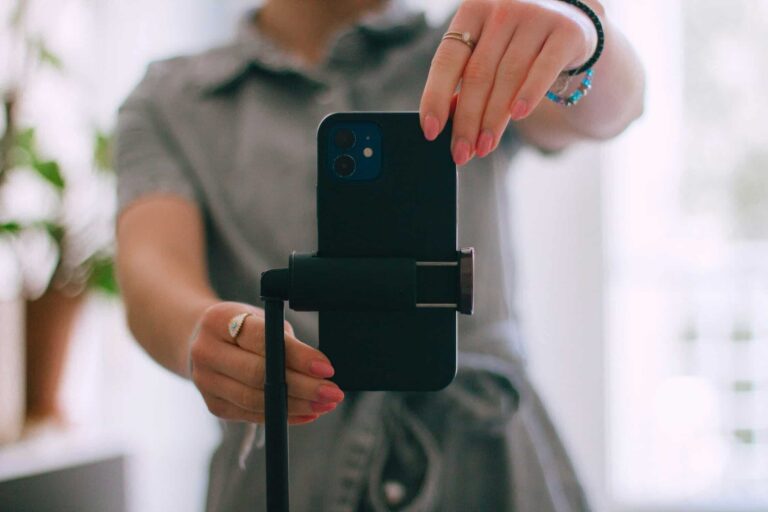
A shoot for an advert batch is organised around the matrix, not around the order the adverts will be watched in. The aim is to come away with every module, every hook and every piece of supporting footage the edit needs, so that nothing has to be refilmed when the results come in and someone wants one more hook.
- Film each hook as its own takeEvery hook is recorded separately, several times, with a clean pause at the end where the body can join. Filming hooks inside one continuous take makes them impossible to swap later.
- Film the bodies once, properlyThe body is the expensive part to redo, so it is filmed with the most care: good light on the face, the product clearly visible, and the claims spoken exactly as approved.
- Gather the supporting shotsClose ups of hands using the product, texture, packaging, the product in its real setting. These shots cover cuts between hooks and bodies, and they become the material for statics and for new edits later.
- Frame for every ratio at onceFilm vertically, keep the face and the product in the centre of the frame, and leave space above and below. A 9:16 shot framed with care can be cropped to 4:5 and 1:1 without losing the hook; one framed tight to the edges cannot.
- Treat sound as half the advertA quiet room, a small microphone close to the speaker, and a few seconds of silence recorded at each location for the editor. Viewers forgive a slightly soft picture far sooner than muddy sound.
- Keep the product honest on cameraNo filters or effects on anything the product is meant to change, and lighting that shows it as it really looks. If the advert is about a result, the result filmed must be real.
A note on who is on camera. Variety of person is one of the kinds of diversity that matters to delivery, which is one reason accounts benefit from adverts featuring more than one face over time. With us, the brand chooses who is on camera for each order: Velena, Dragos, both of them, or nobody, with a voiceover over hands and product shots instead. The price is the same whichever you choose, and everything is filmed and edited in house by our team.
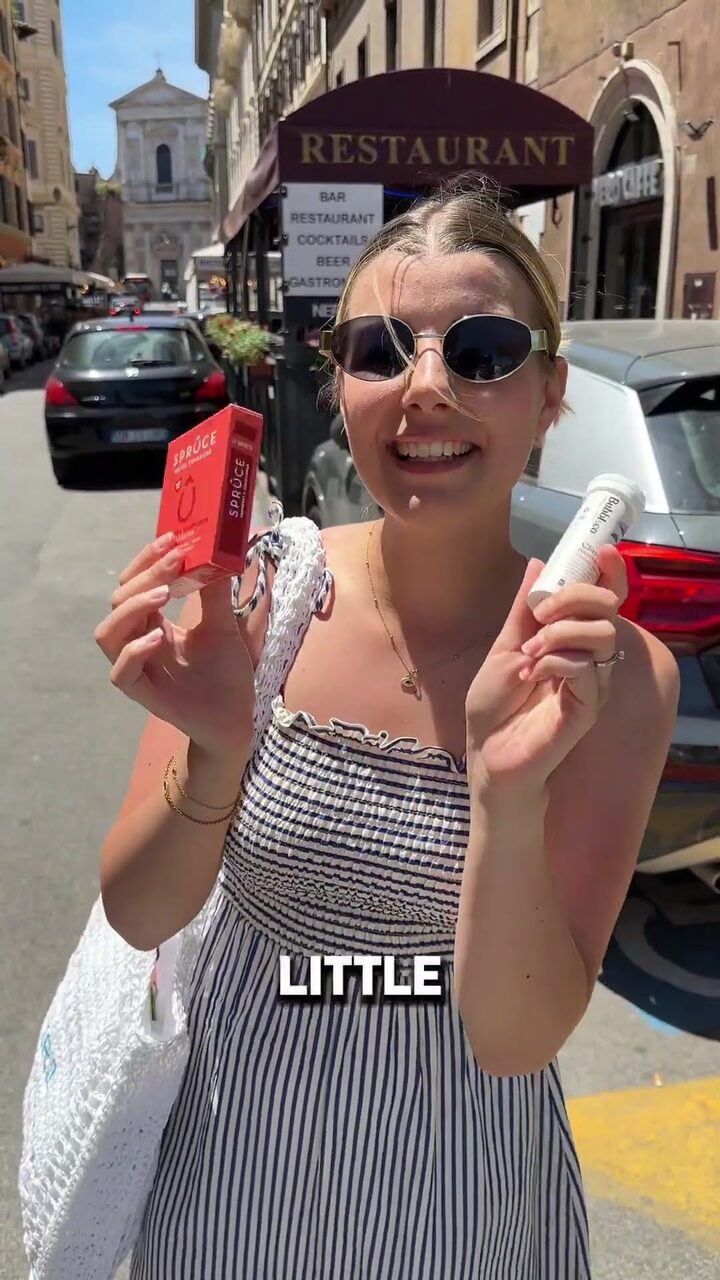
Ad creative we have produced
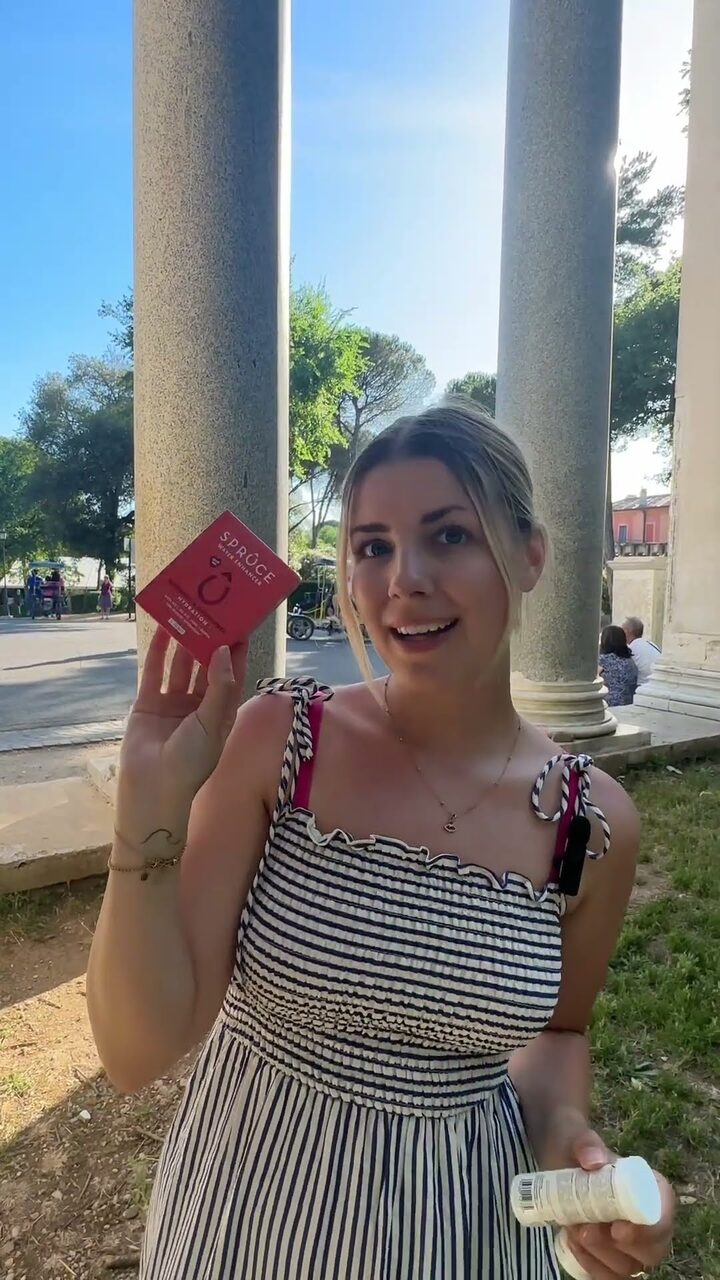
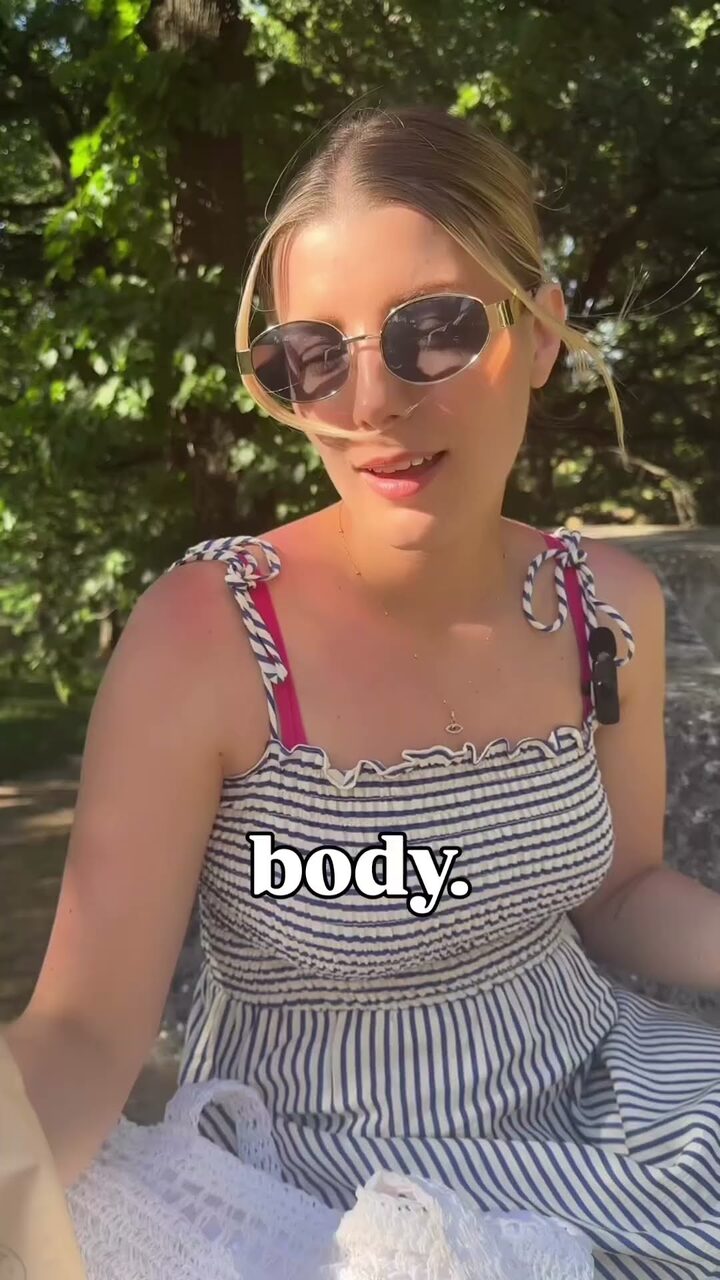
Tap a video to play it. Each one was made as an advert from the first second. There is more on our paid ads work page.
The edit and the export
The edit is where a batch either becomes testable or turns into a pile of files. Four things decide which.
Safe zones are worth checking with numbers rather than by eye. Billo's 2026 summary of Meta's guidance advises keeping critical elements out of the top 14 percent of a Reels or Stories frame, the bottom 20 to 35 percent, and 6 percent at each side, and notes that Stories and Reels have shared a single safe zone since March 2026. TikTok publishes downloadable safe zone templates for its placements, which vary with the caption length and any extras attached to the advert. We lay a template over every vertical cut before it leaves the edit.
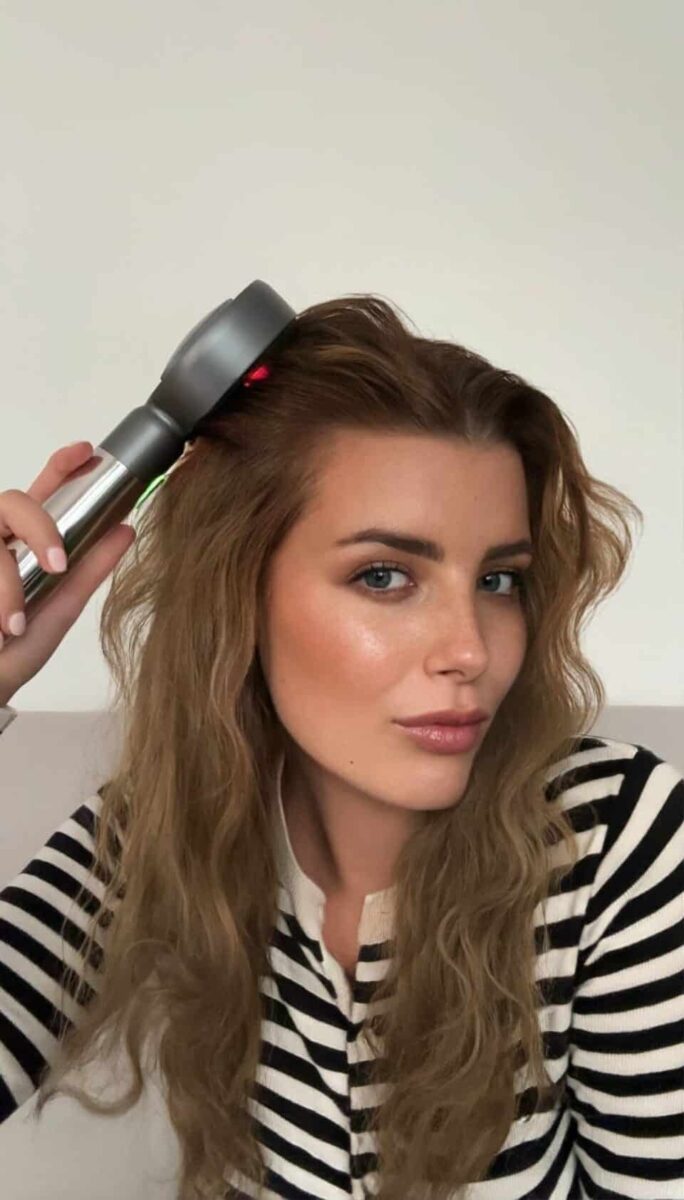
The technical specs are less demanding than people fear, but they should be checked against each platform's own pages before a batch is exported, because they change. TikTok's help centre recommends vertical 9:16 for in-feed adverts, supports 16:9 and 1:1, asks for at least 540 by 960 pixels for vertical video, and accepts files up to 500 MB. We deliver in 9:16, 4:5, 1:1 and 16:9, which covers Reels, Stories, TikTok, the feed and YouTube.
Music needs as much care as pictures. A popular track in a creator's organic post is not licensed for your advert. TikTok's Commercial Music Library is a pre-cleared library of around a million songs that businesses may use, and TikTok is explicit that businesses cannot use the general music library for commercial use. On Meta, use the licensed audio offered for adverts or music you have licensed yourself. When in doubt, a clear voice over a quiet bed of licensed music is safer than a trending sound.
Finally, naming. Every file in a batch should be named by its place in the matrix, so that a media buyer can upload it and anyone can read the results later without opening the file. A simple pattern works: brand, concept, hook, ratio, length and date, for example BOTTLE_C2_H3_9x16_30s_2026-10. When the report says C2 H3 won, everyone knows exactly which concept and which opening it was, and the next brief can build on it.
The rules that bite at production stage
The UK advertising rules apply to UGC adverts in full, and most of them are covered in our UGC advertising guide and our guide to the ASA and CAP Code on social media. A few are decided on the shoot or in the edit rather than at the planning stage, so they belong on every production checklist.
On our side, nothing is filmed until the brief, the claims and every script are approved in writing, and we will tell you before filming if a wording reads as a medical or unprovable claim. The claims and their evidence stay with you as the advertiser; our part is making sure the adverts never say more than that evidence supports.
Testing the batch
A batch is only as useful as the test it goes into. The mistakes here are rarely about the creative. They are about testing too many things at once, judging too early, and giving each advert too little spend for its numbers to mean anything.
- Test concepts before hooks, hooks before editsStart at the top of the hierarchy. Find the concept that wins, then test its hooks against each other, then refine the edit of the winning hook. Testing edit variations of a concept nobody wants is wasted spend.
- Change one thing per testMeta's A/B testing, under Experiments in Ads Manager, splits the audience at random so that each person sees only one version, and Meta recommends that the versions be identical except for a single variable, as Jon Loomer's walkthrough describes. That is what the matrix is for: two adverts from the same concept with different hooks differ in exactly one thing.
- Give each concept a fair share of spendA creative needs enough spend for its numbers to settle. Flighted's guide to testing budgets suggests a minimum of three times your target cost per acquisition per concept before a keep or cut decision, preferring five times, and a default test of about a week, shorter for impulse purchases and longer for considered ones.
- Use the even split when you need a clean readLeft alone, the platform will push spend to whichever advert starts well, which is efficient but can starve a slower starter. Meta's creative testing feature splits budget evenly across the adverts in a test, then returns them to normal delivery, which gives a fairer comparison.
- Decide the winning measure before the test startsFor a prospecting batch, cost per purchase or cost per lead is usually the deciding number, with hook rate and hold rate as the diagnostics. Write it down in advance, so that nobody picks the measure that flatters their favourite advert afterwards.
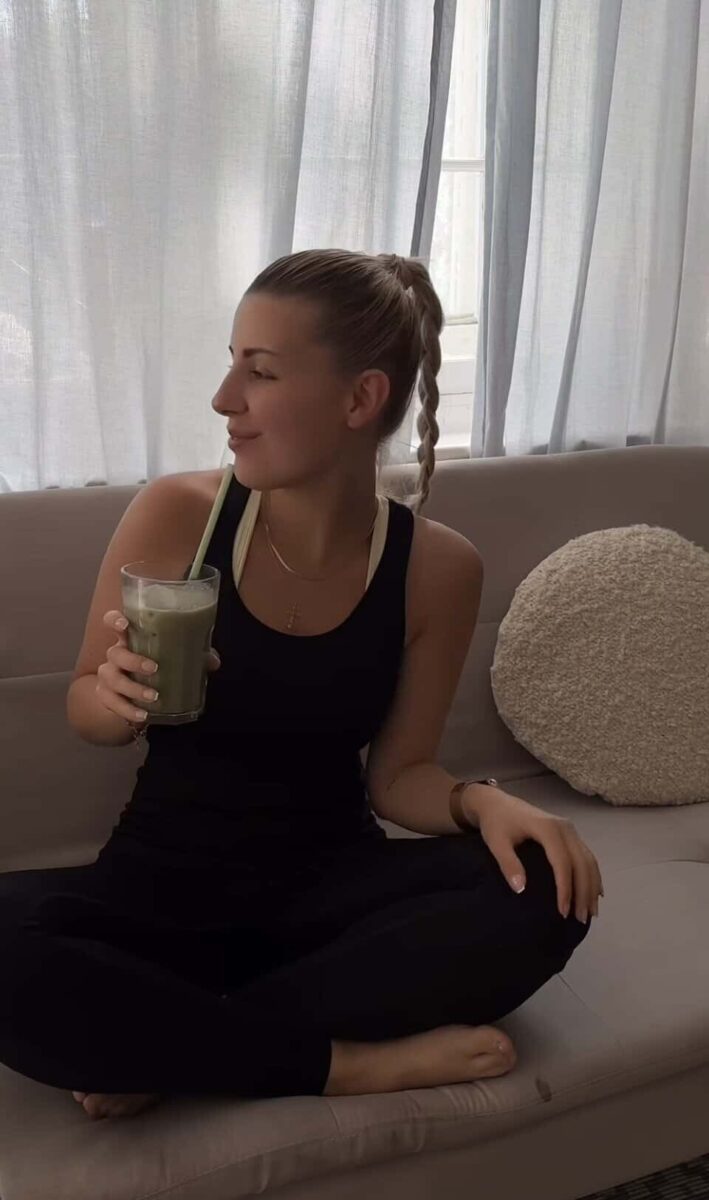
How much should you spend on testing? Work backwards from Flighted's rule. If your target cost per acquisition is £30, three concepts at three times that is £270 of spend before you can read the result with any confidence, and five times is £450. If your account cannot put that behind a test within a week or two, test fewer concepts at a time rather than spreading the same budget thinner. A batch of three concepts that each get a fair read teaches you more than nine that each get a glance.
Turning results into the next brief
The point of a structured batch is that its results can be read back into the next one. When the test ends, each advert falls into one of a handful of patterns, and each pattern tells you what to make next. Our UGC advertising guide defines hook rate, hold rate and the other measures; here is how we use them to decide what to produce.
Send whoever produces your creative more than "this one worked". The useful report is short: the file names of the adverts, the spend on each, the hook rate, hold rate, click-through rate and cost per result for each, and a handful of the comments people left. Comments are often the best brief of all, because they tell you in the audience's own words what they wanted to know. The Ad Creative Monthly Plan is built around this rhythm: each month's brief starts from the last month's numbers.
Tag the links in every advert with its file name, so that what happens after the click can be traced back to the concept and the hook. Our free UTM link builder makes tagged links in seconds, and the ROI calculator shows what a batch needs to bring in to pay for itself.
What ad creative production costs in the UK
Ad creative is priced in two ways in the UK market: per video from a creator, and per batch from a studio or agency. Our UGC Rates Report UK 2026, which brings together published industry surveys and UK creator rate cards, puts a single video from an established UK creator at £150 to £350 with organic rights only, creators who can show results from brands' ad accounts at £350 to £700 and more, and an extra hook at roughly £25 to £50 each when ordered with the video.
The figures most often missing from a quote are the ones that make creative usable in adverts: paid media rights and their term, the number of hooks, the ratios, the raw footage, and the rounds of changes. A video with organic rights only cannot be put behind spend, and buying rights later usually costs more than buying them at the start. The free UGC rate calculator gives a market range for your brief in five questions.
Our ad creative comes in two routes. For a single advert or a small test, the paid ads range has four packages, each with advert rights. For a batch built to test, the three packs scale from a first test to a full campaign, and the monthly plan repeats a pack every month for less than buying it once.



Which route fits depends on how much your account can test. An account spending a little, testing an offer for the first time, is usually best served by one advert from the paid ads range, or by the Starter Pack. An account that spends every day and watches its adverts tire needs the Performance Pack or the monthly plan, because the winner is found by testing a steady supply. If a smaller option covers what your account can actually run, we will say so. Our ad creatives page sets out the routes side by side.
Choosing who produces your ad creative
Whether you hire a creator, a studio or an agency like ours, the same questions separate producers who make testable creative from those who make nice videos. Ask them before you order.
One more question is worth asking: will they tell you when you need less? A producer who recommends a smaller batch because your account cannot test a larger one is protecting your budget, and that is a good sign about everything else they will do. If you are weighing up creators directly, our guide to finding and briefing UGC creators in the UK covers contracts and rights in more detail.
Common production mistakes
The mistakes below are not about taste. Each one makes a batch harder to test or harder to learn from, and each one is easy to avoid at the brief or on the shoot.
UGC ad creative production: your questions
How many adverts should a first batch include?
Three distinct concepts with three hooks each is a sensible first batch: nine openings, enough to learn which reason to buy works, few enough to give each concept a fair share of spend. Our Starter Pack is built on that shape.
What is the difference between a concept and a hook?
The concept is the reason to care, such as "keeps drinks cold all day". The hook is the first one to three seconds that opens it, such as ice still rattling at 5pm. One concept can carry several hooks.
Should I test hooks or concepts first?
Concepts first. Find the reason to buy that wins, then test hooks on it, then refine the edit. Testing hooks on a concept nobody wants wastes spend.
How much should I spend testing each advert?
Enough for the numbers to settle. Flighted's guide suggests at least three times your target cost per acquisition per concept, ideally five, over about a week. If your budget cannot cover that, test fewer concepts at a time.
Which formats do UGC adverts need?
Vertical 9:16 for Reels, Stories and TikTok, 4:5 and 1:1 for feeds, and 16:9 for YouTube. We deliver 9:16, 4:5, 1:1 and 16:9 in the ad creative packs.
Can I use popular music in my adverts?
Not without a licence. TikTok says businesses cannot use its general music library commercially and offers a pre-cleared Commercial Music Library instead. On Meta, use licensed audio offered for adverts or music you have licensed yourself.
How should advert files be named?
By their place in the batch: brand, concept, hook, ratio, length and date, such as BOTTLE_C2_H3_9x16_30s. It lets results be traced back to the concept and hook that produced them.
How often should I produce new creative?
When results fall as frequency rises, which for an account that spends every day is often every few weeks. A monthly batch keeps a supply of replacements ready, which is what the Ad Creative Monthly Plan is for.
Do you run the adverts as well?
Not in these packs. You or your media buyer run them, and we make the creative to be tested. If you want the adverts made and run by one team, book a free call.
Who appears in your adverts?
You choose: Velena, Dragos, both of them, or nobody, with a voiceover. Everything is filmed and edited in house by our team, and the price is the same whichever you choose.
- Jon Loomer, Meta Andromeda: what it means for your ad strategy
- Jon Loomer, Meta's creative testing feature
- Jon Loomer, how to create an A/B test in Meta Experiments
- TikTok for Business, 9 creative tips to drive auction ad performance
- TikTok Ads help centre, in-feed ads specifications
- TikTok Ads help centre, Commercial Music Library
- Billo, Meta ads safe zones in 2026
- Flighted, how to calculate your Meta ads creative testing budget
- Meta Ad Library
- TikTok Creative Center
- ASA, the misuse of social media beauty filters, February 2021
- ASA, disclosure of AI in advertising, May 2025
A question this article did not answer? Ask our team, and a person will reply.