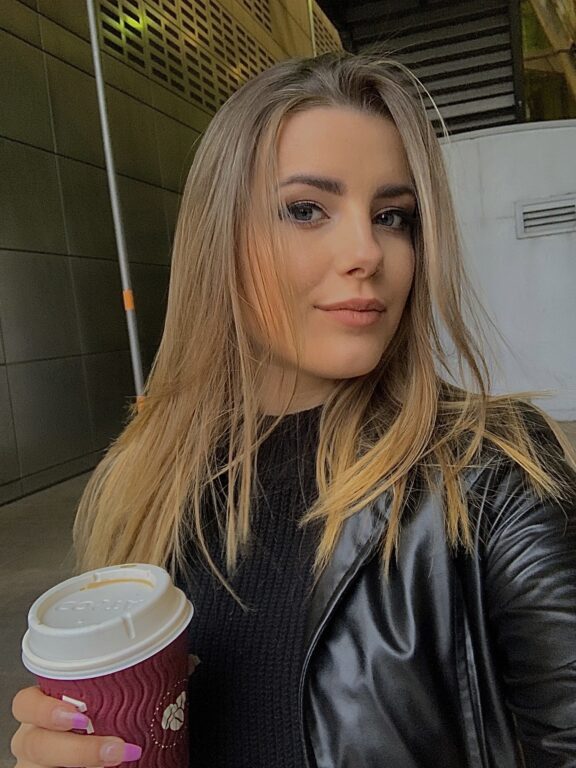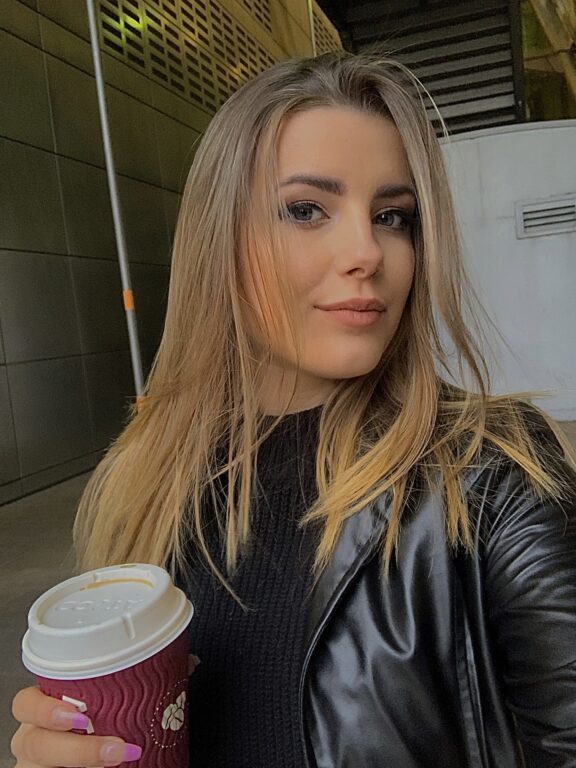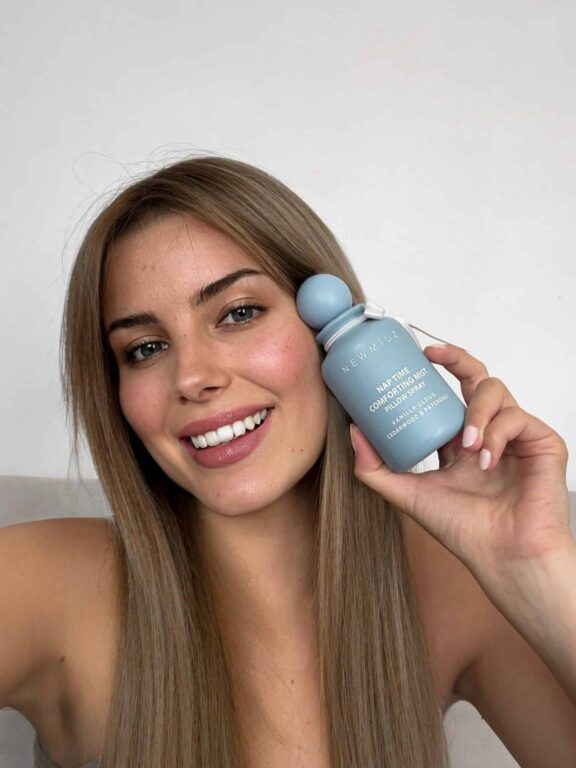

- Lifestyle UGC sells the day around the product, so the most important thing a creator brings is a believable life your buyer recognises: the home, the routine, the light, the voice.
- Judge a creator on ten videos, not three, watched with the sound off first, and look for the same standard in paid client work as in their own posts.
- A good brief names the moment in the day the product earns its place, the buyer, the approved claims, where the video will run and how it will be labelled.
- In the UK the creator usually keeps the copyright, so what you buy is a licence. Agree organic use, paid use, the term and any adverts from the creator's handle in writing before filming.
- Our rates report puts an established UK creator at about £150 to £350 a video with organic rights only; paid rights for a year typically add 30 to 50 percent.
- One independent creator suits a brand that needs a particular face and can manage the work itself. A team that films in house suits a brand that wants planning, filming, editing and rights handled by the same people, from £130 a video with us.
What lifestyle UGC asks of a creator
Most UGC is about the product: what arrives, what it does, what someone thinks of it. Lifestyle UGC is about the life around the product. A candle is shown on a wet Tuesday evening when someone gets in from work. A water bottle is shown on the school run, at a desk and on a walk. A throw is shown on the sofa where it actually lives. The viewer does not just see the product; they see themselves using it, and that recognition is what sells.
That changes what you need from a creator. A creator who is excellent at talking to camera about a serum may be the wrong person for lifestyle work, because lifestyle work asks for different things: a home that looks lived in rather than staged, a routine that rings true, an eye for natural light, the patience to film the same moment several ways, and the editing skill to turn ordinary minutes into a fifteen second story with a hook. It also asks for range, because a lifestyle brand usually needs the same product shown in several moments of the same day.
The audience for this kind of video is the whole country, not a niche. DataReportal counts 55.5 million social media user identities in the UK at the start of 2026, around 79.7 percent of the population, and Ofcom's Online Nation research finds that UK adults spend an average of four and a half hours online a day. Your buyer is already watching other people's days. The question is whose day they see your product in.
If you want to see the finished work first, our lifestyle UGC videos page shows videos made for clients, and our plain English explainer on UGC covers the basics. This guide is about the decision before any of that: choosing who makes your videos, and how to work with them.
Eight things to look for in a lifestyle creator
These are the qualities that separate a lifestyle creator who will sell your product from one who will simply film it. You will rarely find all eight at the top of the scale, so decide which matter most for your product before you start looking.
- A life your buyer recognisesThe single most important fit. If your buyer is a parent of young children in a terraced house, a creator in a minimalist city flat will look wrong, however good the video. Think about the buyer's age, household, budget and region, and look for a creator whose real setting matches it. British viewers notice British details: the plugs, the kettle, the weather at the window.
- A home that works as a setIn lifestyle work the home is the studio. Look at the rooms in the portfolio: is there a kitchen, a living room and a bathroom that can carry a product without looking staged? Is there clutter in the right amount? A creator with one well dressed corner will struggle when your brief needs three moments of the day.
- Command of natural lightLifestyle videos are usually filmed in daylight, not under studio lamps, because that is what real life looks like on a phone. A good creator knows which room is bright at which hour, films around it, and does not hand you footage that is grey in winter.
- Hooks in the first two secondsThe opening is what decides whether anyone sees the rest. Look for videos that start in the middle of something, such as a hand reaching for the product or a line that names a small daily annoyance, rather than a slow pan across a room.
- Range across formatsA day in the life, a home routine, a gift idea, a short advert: lifestyle briefs move between them. A creator who can only do one is fine for a one-off, but limiting if you plan to make content all year.
- Ease on camera, and off itSome lifestyle videos need a face and a voice; others need only hands and a good voiceover. Look for someone who is natural in both, because you will want both over a year.
- Discipline with briefs and claimsA lifestyle video can still make claims, about comfort, materials, sustainability or results. A good creator works only from what you have approved, asks before improvising a factual line, and tells you if a wording sounds risky.
- Paperwork that is clear before you payRights in writing, a proper invoice, a clear position on VAT, delivery dates and the number of rounds of changes. A creator who is vague about any of these will be vague about all of them when something goes wrong.
If you are still deciding where to look at all, our guide on how to find UGC creators in the UK covers the places brands search, from creator platforms to agencies. This guide assumes you have a shortlist and want to choose well.

How to judge a portfolio in ten minutes
A portfolio is designed to impress, so read it the way a buyer scrolling past would, not the way the creator presents it. These five checks take about ten minutes per creator and tell you more than any rate card.
Then do one more thing: picture your product in three of the videos you liked most. If it fits naturally, you may have found your creator. If you have to imagine a different home, a different person or a different day, you have found a good creator for someone else.
Questions to ask before you book
The answers to these questions tell you how the work will actually run, and they are fair to ask anyone you are about to pay. A professional will answer them without hesitation.
- Who plans, who films and who edits?If one person does all three, ask how long each stage takes and what happens when they are busy. If several people are involved, ask who your single contact is.
- What happens if you are ill or away?One person has no cover by definition. That is not a reason to rule them out, but your launch date should have room in it.
- How many rounds of changes are included?And what counts as a change rather than a new video. A new script or a new product is usually a new order.
- Who owns the copyright, and what licence do I get?Organic use, paid use, which platforms, for how long, and from when. If the answer is "you can use it however you like", ask for that in writing, because UK law needs it in writing to mean it.
- Can adverts run from your handle?And on what terms. It is a separate permission, and often a separate fee.
- Do I get the raw footage?Most packages do not include it. If your team wants to cut new adverts, it has to be agreed before filming.
- What happens to the product?Products used on camera are usually not returned. If you need a unit back, agree it before you post it.
- Are you VAT registered?A VAT registered creator or agency adds VAT on top of the price, so compare every quote on the same basis.
Our lifestyle packages
If you would rather skip the shortlist, this is how we work. Our team plans, films and edits every lifestyle video in house, in a real home in High Wycombe or out and about where the product belongs, in natural light rather than a studio. You choose who is on camera: Velena, Dragos, both of them, nobody with hands only and a voiceover, or no preference. The price is the same whichever you choose.

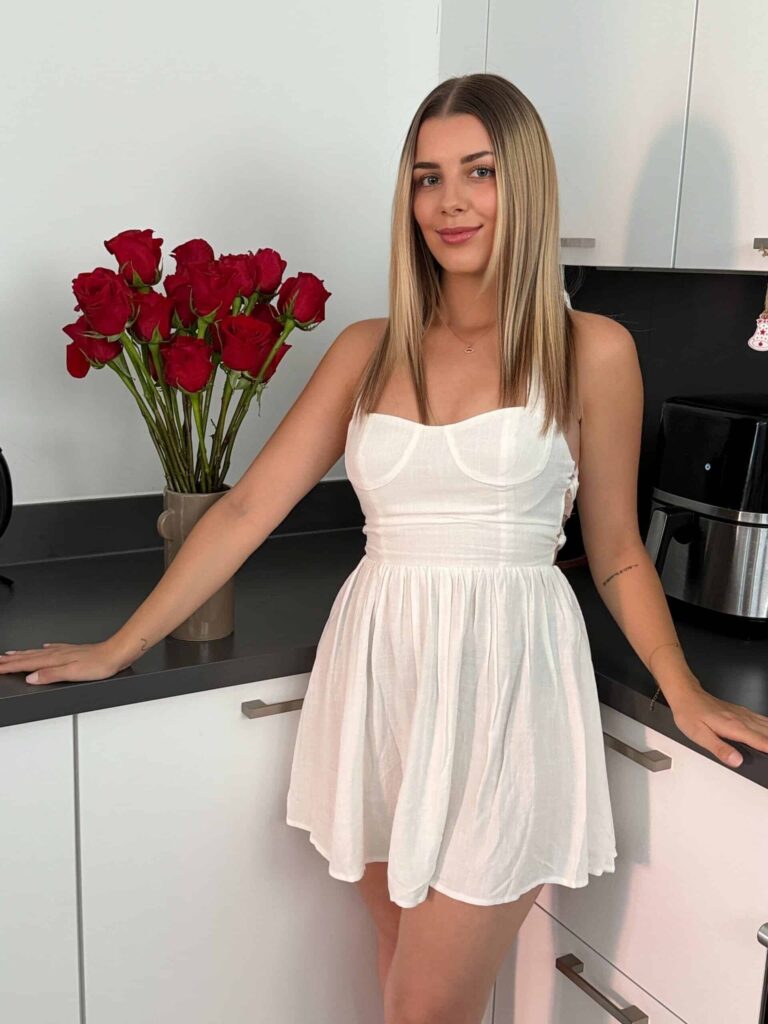

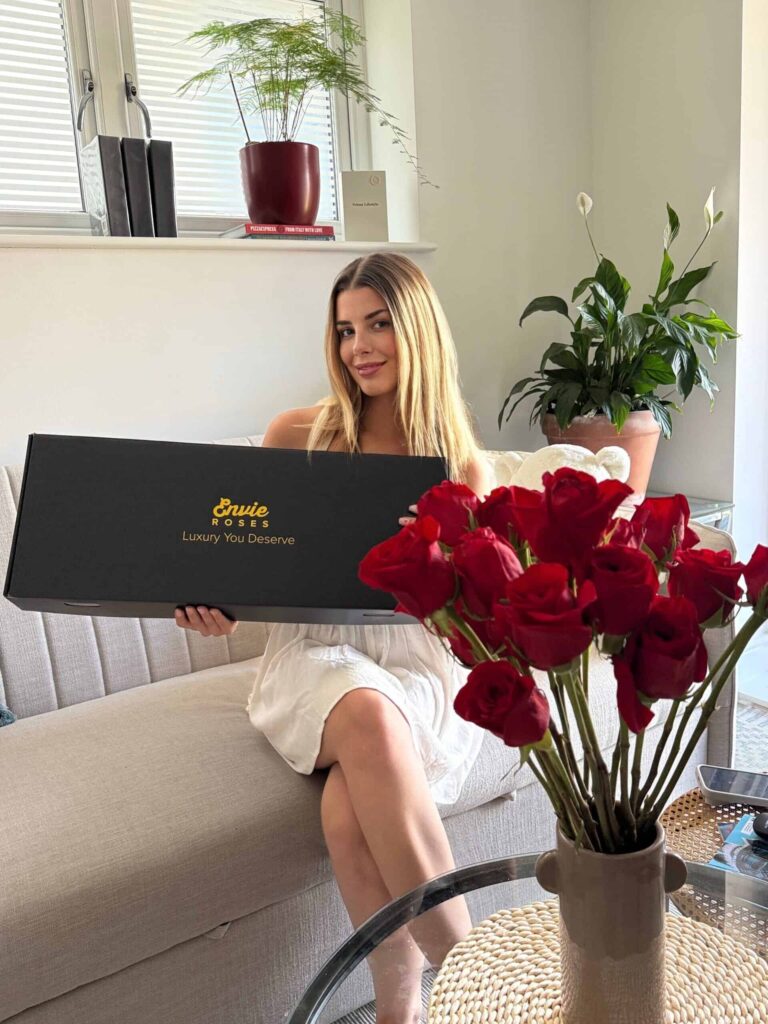
The packages differ in what sits behind the footage, not in who films it or the standard it is filmed to. Where the video will be shown decides the package: Basic for your own channels and product page, Standard for a paid advert, Premium when you want the raw footage or adverts from Velena's handle, and the Bundle to test three ideas at once. The lifestyle packages page sets every package out side by side.
How to brief a lifestyle creator
A lifestyle brief is different from a product brief, because the most important thing in it is not the product but the moment. The creator needs to know when, in a real day, your product earns its place, and who is living that day. These are the lines that make a lifestyle brief work.
- The job of the video, in one sentence"Show that our throw makes a cold living room feel like the best room in the house" is a brief. "Showcase the throw" is a wish. One sentence keeps every later choice honest.
- The buyer and their dayWho they are, where they live, what their mornings and evenings look like, what they use now. The creator builds the day from this, so the more real it is, the more real the video.
- The moment of useThe specific point in the day when the product matters: the first coffee, the walk back from the station, the ten minutes before guests arrive. A lifestyle video with no clear moment drifts.
- What must and must not appearColours to use or avoid, other brands that must not be in shot, the packaging or not, pets, children, alcohol. It is far easier to keep something out of a home than out of an edit.
- Your approved claimsEvery factual line the video may say, with the evidence held behind it: materials, sizes, results, sustainability. If a claim is not on the list, it does not go in.
- Tone, with two or three examplesLinks to videos you like, from anyone, with a line on what you like about each. "Calm, slow, like this one" is far more useful than "aspirational but relatable".
- Where it will run, and the formatFeed, Stories, product page, paid advert. Placement decides length, format and the rights you need, so it belongs in the brief.
- Dates and dispatchWhen you need it, when the product will be posted, and whether anything is seasonal or embargoed. The delivery time on most packages counts from the day the product arrives.
- How it will be labelledAny video you paid for or gave the product for is an advert under the CAP Code and must be labelled as one, as the ASA's influencers' guide to making clear that ads are ads explains. Plan the label in the brief rather than after delivery.
With us, you send your order number, the brief and your approved claims after you order, and we reply within one business day. On Standard and above we hold a short call to agree the angles, then write the script and hooks for you to approve, and nothing is filmed until the brief and the script are agreed in writing.
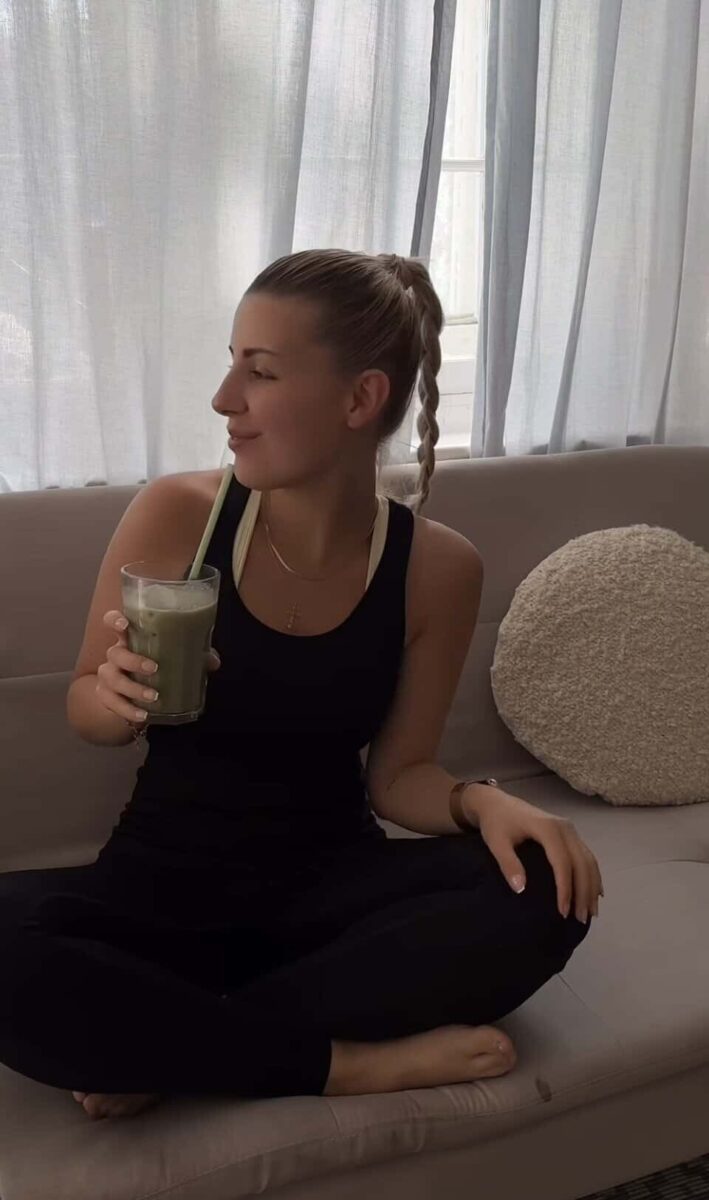
Watch lifestyle videos we have made
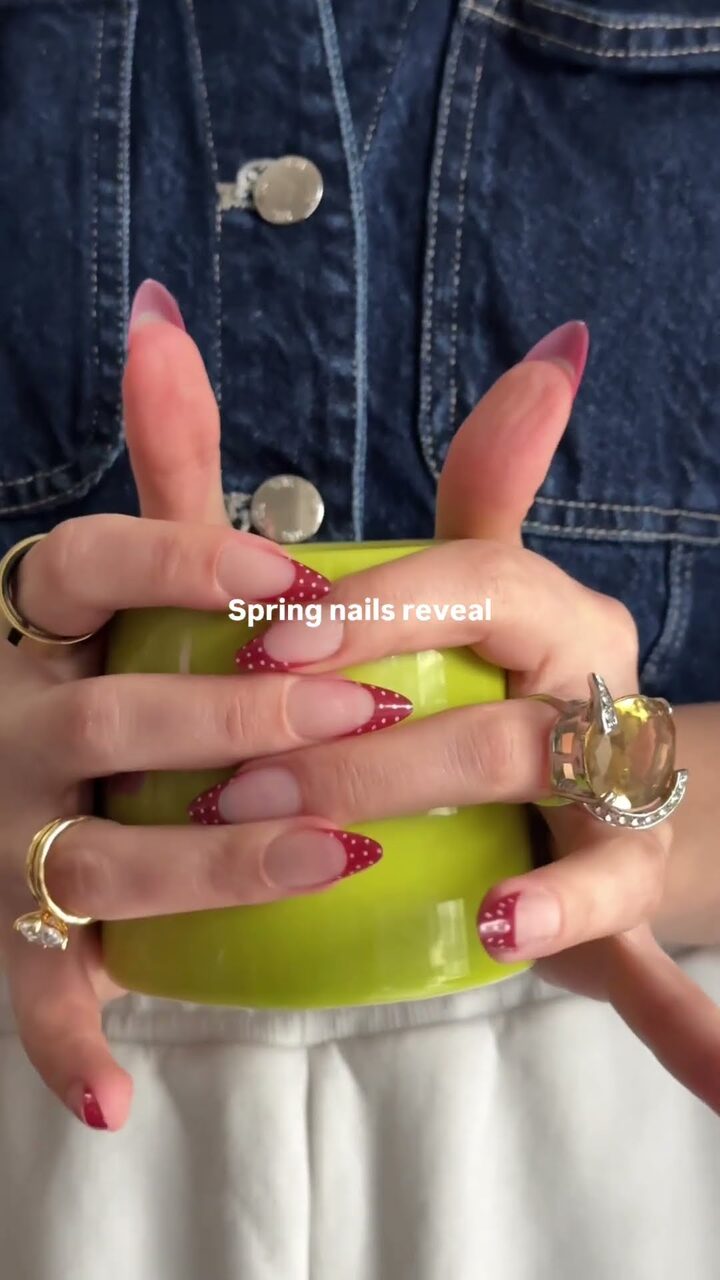
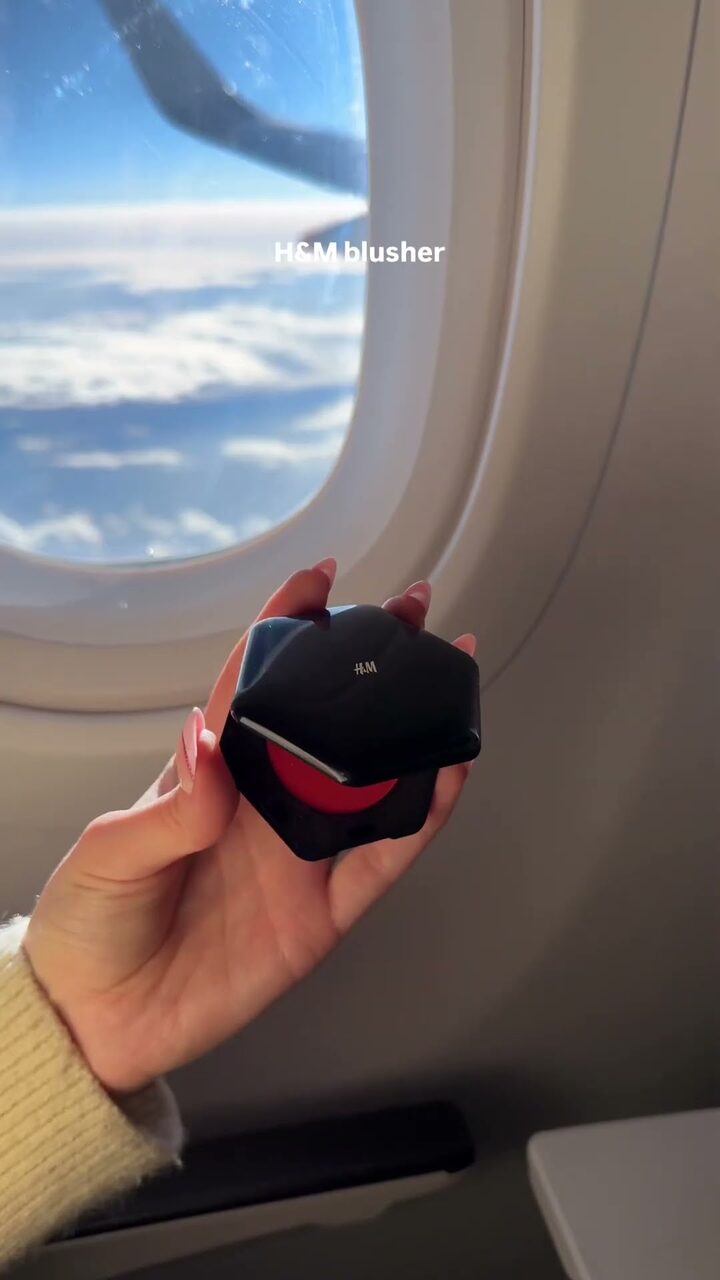
Tap a video to play it, and judge the homes, the light and the hooks against the checklist above. There is more on the lifestyle work page.

Rights: what you are actually buying
This is the part of hiring a creator that brands most often get wrong, and it is worth slowing down for. When you pay someone to make a video, you do not automatically own it. GOV.UK's overview of intellectual property explains that a self-employed person usually owns the rights in what they make, even when someone else commissioned it, unless the contract says otherwise. And under section 90 of the Copyright, Designs and Patents Act 1988, an assignment of copyright is not effective unless it is in writing and signed by or on behalf of the person assigning it. A message saying "it's all yours" is not an assignment.
So in practice, what you buy from a lifestyle creator is almost always a licence: permission to use the video in agreed ways for an agreed time. The licence should answer five questions in writing.
Our own position is set out in our terms: you buy a licence, not ownership, and we keep the copyright unless a written assignment says otherwise. Basic carries organic use only. Standard, Premium and the Bundle carry a 12 month paid media licence on Meta, TikTok and Google, with Premium covering all platforms and adding the raw footage and adverts from Velena's handle. We put the end date of your licence in your delivery email. One more term is worth asking any creator about in 2026: whether you may use their video to train an AI model, or to generate a synthetic version of their face or voice. Our licence forbids both, and so should any creator's who values their own likeness.
The other half of rights is disclosure. The CMA's guide Social media endorsements: being transparent with your followers, last updated on 3 September 2025, treats free products as payment, wants the label clear and upfront, and says creators must not imply they are ordinary consumers when they are promoting a brand. Our guide to the UK ASA CAP Code rules for social media covers how that lands on each platform.
What a lifestyle UGC creator costs in the UK
There is no official rate card for UGC in the UK, but the published sources agree on the broad shape. Our UGC rates report for 2026 reads them against each other and sets three working bands, all per video, with organic rights only and before any usage fee.
For context, the Collabstr 2025 Influencer Marketing Report, built on collaborations booked through its platform during 2024, puts the average UGC asking price at 198.06 US dollars, which sits inside the established band once converted. Most UK brand spend concentrates in that middle band, and it is the right one for most lifestyle campaigns.
The base rate is only part of the price. These are the extras that turn a quote into a budget, and they apply whoever you hire.
- Paid useInfluee's guide to UGC usage rights puts three months of paid use at 20 to 30 percent on top of the base rate, six months at 25 to 40 percent and twelve months at 30 to 50 percent. Perpetual use costs far more.
- Extra hooksA different opening on the same video, and the cheapest creative testing there is. Our rates report puts them at roughly £25 to £50 each.
- Raw footageCommonly 20 to 50 percent of the base, according to the same report, because it hands over the creator's working material.
- Cuts for each platformTikTok, Reels and Shorts versions of one idea, often 30 to 50 percent more.
- Travel and locationsLifestyle briefs sometimes need a setting the creator does not have: a garden, a beach, a café. Expect travel and any location fee on top.
- VATAnyone whose taxable turnover passes £90,000 in a rolling 12 months must register for VAT, as GOV.UK sets out, and then adds it to the price.
Our packages fold the scripting, filming, editing, formats and rights into one price, from £130 a video for Basic, with the length chosen on each package's page. If you are pricing a brief from another creator, the free UGC rate calculator turns tier, niche and rights into one defensible figure, and our shorter guide to UGC rates in the UK covers the basics.

One independent creator, or a team that films in house
This is the real decision behind most searches for a lifestyle creator, and there is no single right answer. The two routes are good at different things, and the honest way to choose is to be clear about what your brand needs most.
A useful way to decide is to ask which of two problems worries you more. If the bigger risk is that the person on camera will not look like your buyer, start with an independent creator who does, and budget your own time to manage the work. If the bigger risk is the work itself, meaning missed dates, weak hooks, rights left vague and a different standard every month, a team that plans, films and edits in house solves more of it. Plenty of brands use both: a team for the steady monthly supply, and an individual creator for a campaign that needs a particular face.
Whichever you choose, the same rules apply: rights in writing, claims you have approved, labels on every paid post, and a brief that names the moment. Our comparison of UGC and influencer marketing covers a related choice, between content you post yourself and posts on a creator's own audience.

Red flags when hiring a lifestyle creator
Most creators are honest and professional. These signs are the exceptions worth catching early, before any product is posted or any money paid.
- No rights in writing"Use it wherever you like" said on a call is not a licence. If a creator will not put the usage, the term and the platforms in writing, assume you have organic use only.
- Guaranteed views or salesNobody controls a platform's distribution. A promise of a number is a guess presented as a fact, and it usually signals other promises that will not be kept.
- A request for your account passwordAdverts from a creator's handle run through partnership permissions and codes. Nobody needs your login, and nobody should ask for it.
- Reluctance to labelA creator who suggests leaving off "ad" to help performance is offering to put your brand in breach of the CAP Code and consumer law. The risk lands on you as the advertiser.
- A portfolio of only their own postsIf nothing in the portfolio was made for a paying client, you cannot judge how they work to a brief. Ask for client work, or treat the first order as a paid test.
- Payment in product for advert useGifting can suit a creator's own organic post. For a video you intend to advertise with, it leaves rights, deadlines and expectations undefined. Our article on the cost of easy content explains why this rarely ends well, and our guide to UGC scams covers the patterns that are outright dishonest.
Measuring whether you chose the right creator
The test of a lifestyle creator is not whether the videos look good, but whether your buyer recognises themselves in them. That shows up in a few specific numbers, and in a few comments.
Give each video time, and change one thing at a time between tests: the moment of the day, the hook, or the person on camera. After three or four videos you will know whether the creator's world is your buyer's world. The free Instagram engagement rate calculator and social media ROI calculator help you keep the comparison honest.

A year of lifestyle content: the UK calendar
One lifestyle video is a test. A year of them, each tied to a moment your buyer is living, is a strategy. The UK calendar gives a lifestyle brand a natural rhythm, and planning around it is the simplest way to keep content fresh without starting from a blank page each month.
- JanuaryFresh starts and new routines: the reset, the tidy cupboard, the first run of the year. Products that help a habit stick do well here.
- February to AprilLonger evenings, spring cleaning, the first days with the windows open. Home and wellness products take centre stage.
- May to AugustGardens, days out, holidays and long light. Film outside while the light allows, and bank summer footage for adverts that run later.
- SeptemberBack to school and back to work: routines rebuilt, lunches packed, desks set up. A strong month for anything practical.
- October to DecemberNights in, cosy evenings and gifting. Commission gift videos in late summer so they are live, indexed and learning before the peak.
Slot a brand's range into that calendar and three videos a month cover a year without repeating a moment. That is what the UGC Monthly Plan is for: three Standard lifestyle videos every month, each with its own script, for £475 a month, with advert rights on all three and 2 months notice to stop. And if you would like the videos posted, captioned and reported on too, our social media management plans run your channels alongside them.
Lifestyle UGC creators: questions brands ask
What is a lifestyle UGC creator?
A creator who films your product inside a real day: at home, at work, out and about. Rather than focusing on the product alone, lifestyle UGC shows the moment it earns its place, so a viewer recognises their own life in the video.
How much does a lifestyle UGC creator cost in the UK?
Our rates report puts an established UK creator at about £150 to £350 a video with organic rights only, a beginner at about £50 to £150, and a creator with proven advert results above that. Paid use for twelve months typically adds 30 to 50 percent. Our lifestyle packages start from £130 a video.
Do I own the videos a creator makes for me?
Not automatically. In the UK a self-employed creator usually keeps the copyright unless a written, signed assignment says otherwise, so what you normally buy is a licence. Agree organic use, paid use, platforms and the term in writing before filming.
What should a lifestyle UGC brief include?
The job of the video in one sentence, the buyer and their day, the moment of use, what must and must not appear, your approved claims, tone examples, where it will run, the dates, and how it will be labelled.
Do lifestyle UGC videos need an ad label?
Yes, whenever they are posted as paid or gifted content. Under the CAP Code and the CMA's guidance, content a brand paid for or gave a product for is an advert, and the label must be clear and upfront, such as "Ad" at the very start.
Should I hire one creator or an agency?
Hire an independent creator when you need a particular face and life that matches your buyer and you can manage the work yourself. Choose a team that films in house when you want planning, filming, editing and rights handled by the same people, with one point of contact.
Who is on camera in your lifestyle videos?
You choose: Velena, Dragos, both of them, nobody with hands only and a voiceover, or no preference. The price is the same. Our team plans, films and edits every video in house.
Where are your lifestyle videos filmed?
In a real home in High Wycombe, Buckinghamshire, or out and about where the product belongs, in natural light rather than a studio.
- DataReportal, Digital 2026: The United Kingdom
- Ofcom, Online Nation 2025
- GOV.UK, Intellectual property: an overview
- Copyright, Designs and Patents Act 1988, section 90
- Meta Business Help Centre, about partnership ad permissions
- TikTok Ads Manager Help, how to create Spark Ads
- ASA and CAP, Influencers' guide to making clear that ads are ads
- Competition and Markets Authority, Social media endorsements: being transparent with your followers, updated 3 September 2025
- Collabstr, 2025 Influencer Marketing Report
- Influee, UGC usage rights
- GOV.UK, Register for VAT
- Velena Lifestyle, UGC Rates Report UK 2026
A question this article did not answer? Ask our team, and a person will reply.