- An influencer collaboration is any arrangement where a creator features your brand in return for payment, a gift, a commission or another benefit. In the UK, all of those count as advertising and need a clear label.
- Fit beats follower count. Check the creator's audience, how people respond to their posts and how they have handled past collaborations before you look at reach.
- The ASA found only about 57 percent of UK influencer adverts it checked were labelled properly, and since April 2025 the CMA can fine a business up to 10 percent of its global turnover for breaking consumer law.
- Write the goal into the brief, agree the dates, approve the script before anything is filmed, and decide in advance how you will measure the result.
- If you also want videos you own and can run as adverts, UGC (user generated content) sits alongside a collaboration rather than replacing it.
What an influencer collaboration is in 2026
An influencer collaboration is a creator featuring your brand on their own account, to their own followers, in return for something. That something might be a fee, a free product, a discount code that earns them a commission, a trip, or a longer ambassador arrangement. The creator brings an audience that already trusts them; the brand brings the product, the story and the budget. Done well, the result reads as a genuine recommendation from someone the audience follows by choice.
When this article was first published in March 2025, it described collaborations mostly as a way to "amplify" a brand. That is still true, but the practice has matured in three ways since. First, the rules are firmer and better enforced in the UK, so labelling is no longer a detail you can leave to the creator. Second, the platforms have built tools for collaborations into the advert systems themselves, so a creator's post can now be put behind paid budget without being copied to the brand's account. Third, brands have become much more interested in what they get to keep afterwards: the content, the usage rights and the data.
It helps to name the common types, because each one is briefed, labelled and measured differently.
Most good campaigns combine two or three of these. A paid feature to introduce the product, an affiliate code to make the response measurable, and a content licence so the best video can keep working as an advert after the post has scrolled out of view.
Why brands still collaborate with creators
The original case for influencer collaborations was trust, and that case still holds. In Nielsen's 2021 Trust in Advertising study, recommendations from people they know were the most trusted source of advertising, at 89 percent. A creator is not a friend, but a creator someone has followed for years is the next closest thing, and audiences give that voice a hearing that a brand's own advert rarely gets.
The second reason is that the work brands want from creators has shifted towards smaller accounts and towards content. The Influencer Marketing Hub Benchmark Report 2026, built on more than 600 responses, found 52.83 percent of respondents planning to increase or start their use of micro influencers, and 51.43 percent planning the same for nano influencers. Smaller creators usually cost less per post, often have closer relationships with their followers, and are more likely to make content that suits the brand's own channels.
The third reason is the mix of platforms. Collabstr's 2026 influencer marketing report, based on more than 21,000 collaborations on its platform, found that Instagram made up 40 percent of campaigns in 2025, UGC 35 percent and TikTok 21 percent. In other words, more than a third of the collaborations brands paid for were for content to use themselves rather than a post to a creator's followers. That is a big change from the picture this article described in 2025, and it is why we cover UGC further down.
None of this means a collaboration is right for every brand. If your product is hard to show on camera, if your margins cannot carry a fee, or if you have no way of following up the attention a post creates, start smaller. A single gifted product to a well-matched creator, with no obligation, tells you a lot about whether the fit is there before you commit any budget.
Choosing the right creator for your brand
Choosing the creator is the decision that most often decides the result. A large following that does not match your customers is expensive noise; a modest following of exactly the right people can sell out a product. Start from your objective and your customer, and only then look at reach.
- Write down the goal firstIs this collaboration for awareness, for sales, for content you can reuse, or to reach a new audience? A creator who is perfect for one is often wrong for another. The goal also decides how you will measure the result, so settle it before you shortlist anyone.
- Check the audience, not the follower countAsk for a screenshot of the creator's audience insights: where their followers live, their age range and their gender split. A UK brand with UK delivery needs a UK audience. Any professional creator will share this, and one who will not is telling you something.
- Look at how people respondRead the comments on recent posts. Are they real conversations or a row of emojis? Instagram's head, Adam Mosseri, has said the signals that matter most for ranking are watch time, likes and sends, and he advises creators to watch likes per reach and sends per reach, as Social Media Today reported in January 2025. Ask the creator for those figures on their last few posts.
- Read their past collaborationsScroll back and find their sponsored posts. Were they labelled clearly as adverts? Did the content feel like the creator, or like a script read aloud? Did the comments engage with the product? Past collaborations are the best preview you will get.
- Match the values and the lookThe creator's style, tone and values should sit comfortably next to your brand. If your brand is calm and natural and their feed is loud and fast, the collaboration will feel forced to both audiences.
- Agree the practical terms earlyDates, number of posts, formats, approval steps, usage rights, exclusivity and how the post will be labelled. Put them in writing before any product ships.
Our free Instagram engagement rate calculator gives you a quick read on how a creator's posts land with the followers they already have. To find creators in the first place, the platforms have their own tools: Instagram opened its tool for brands to find creators to the UK in 2024, as Lindsey Gamble reported, and TikTok moved brand and creator matching into TikTok One in 2025, as TechCrunch reported. Our guide to finding UGC creators in the UK walks through the search itself.
Travel collaborations: what we learned on location

Travel is where collaborations feel most natural, because the audience is following the creator's journey anyway. A hotel, a destination, a tour or a restaurant appears as part of a story the viewer already wants to watch, rather than as an interruption. The old version of this article called it turning an audience into adventurers. The practical version is simpler: show the place the way a guest experiences it, in the order they would experience it.
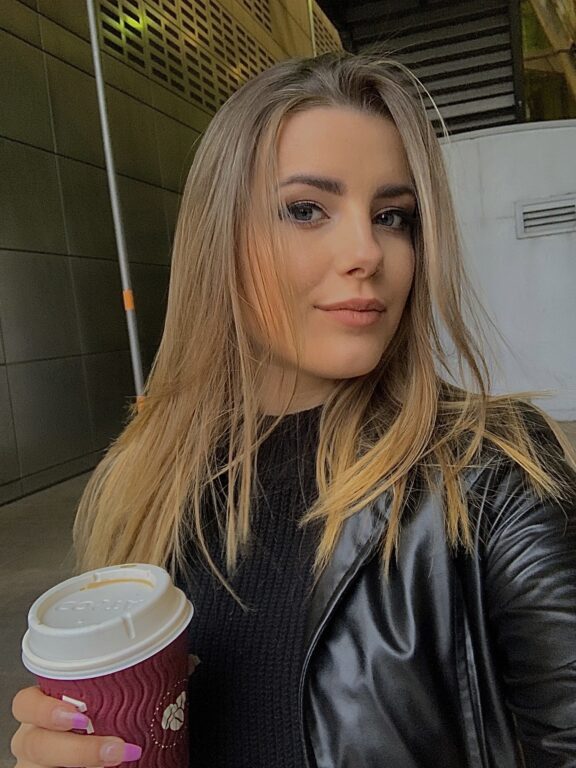
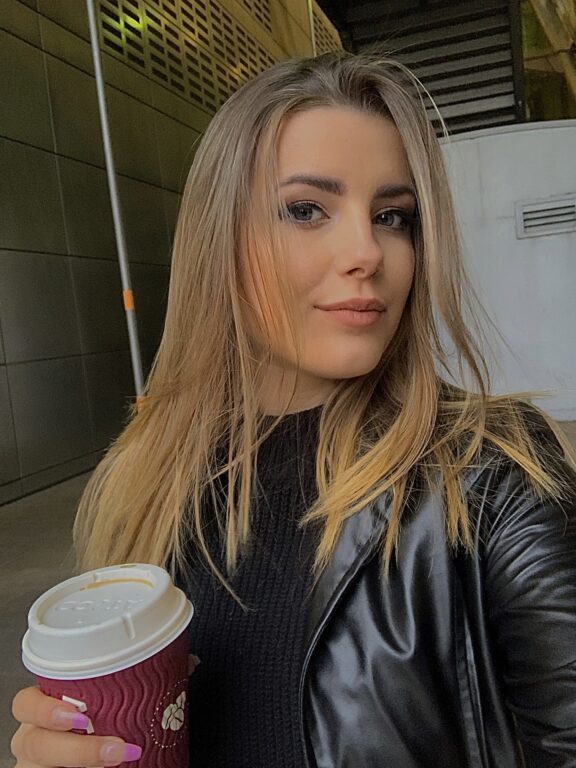
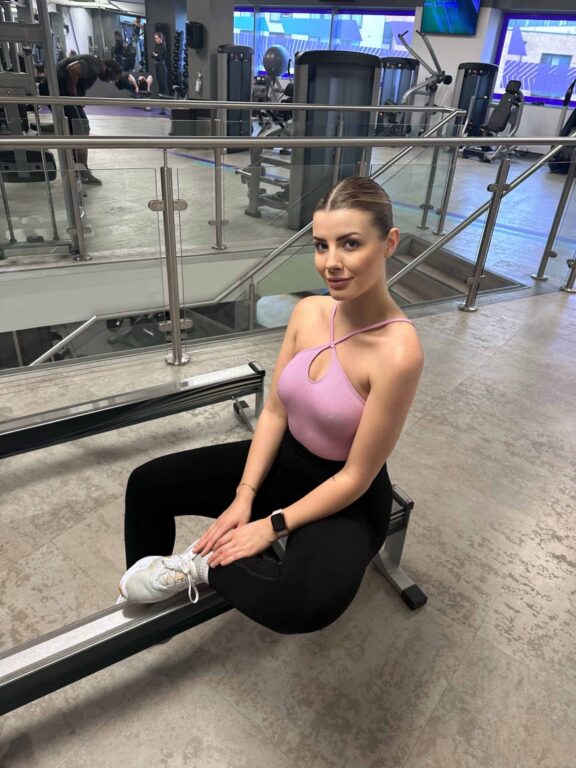
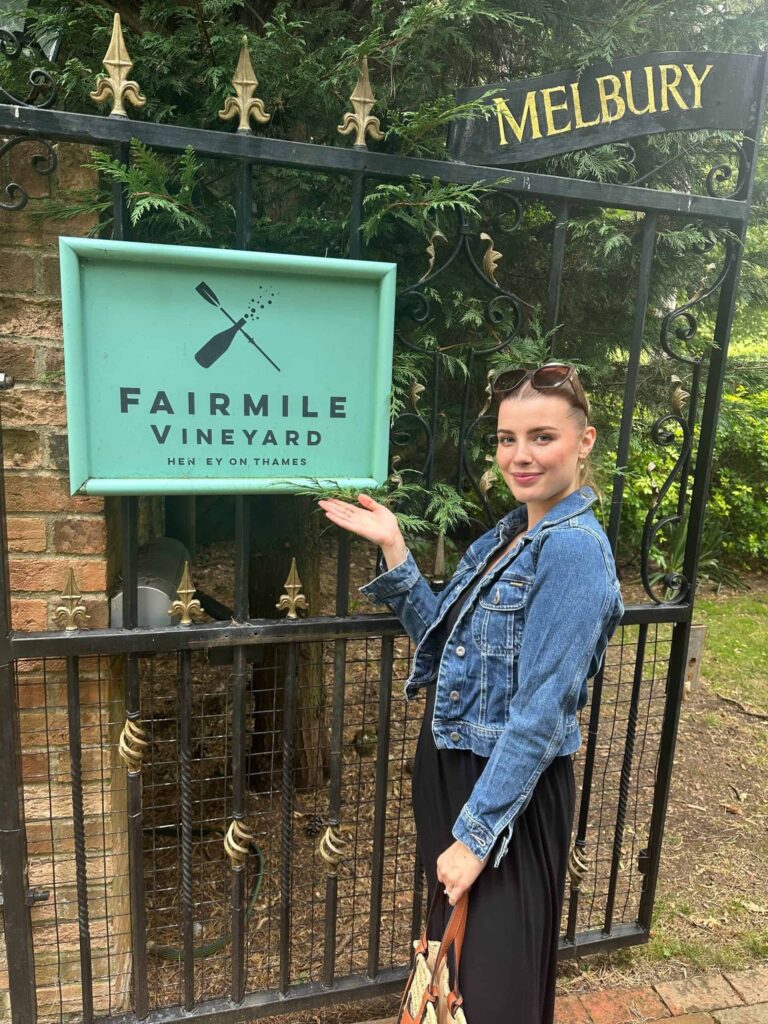
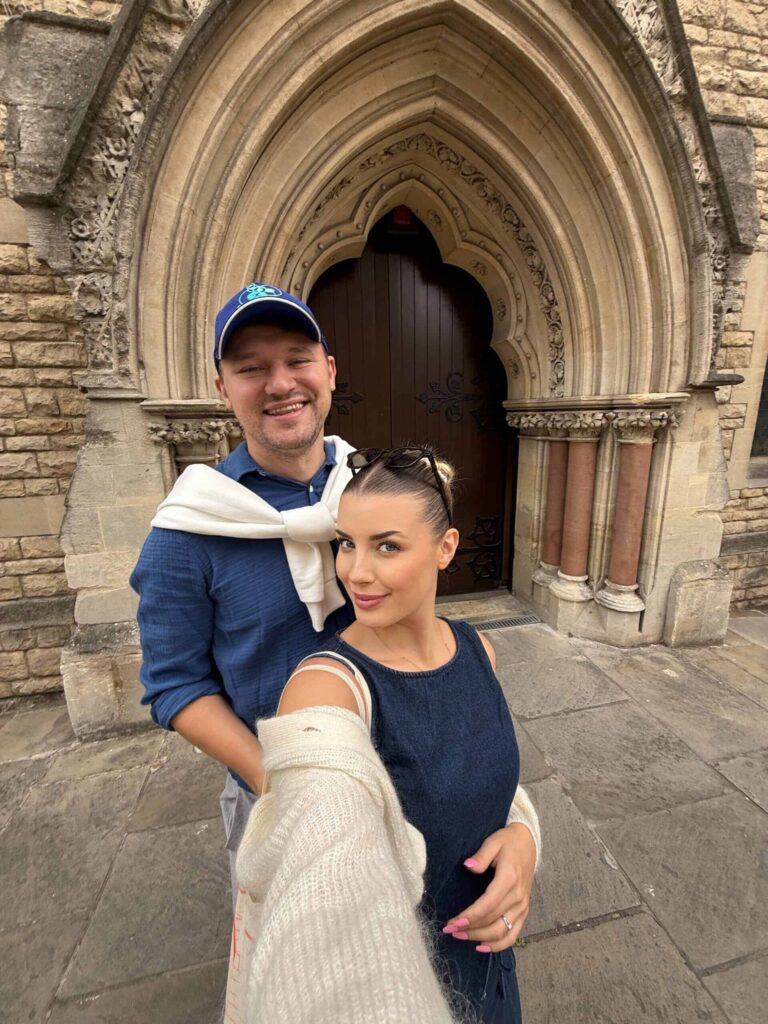
Some of the pictures in this article come from Velena's early travel content, in Edinburgh in winter and at Fairmile Vineyard. They taught us a few lessons that we now brief into every travel shoot.

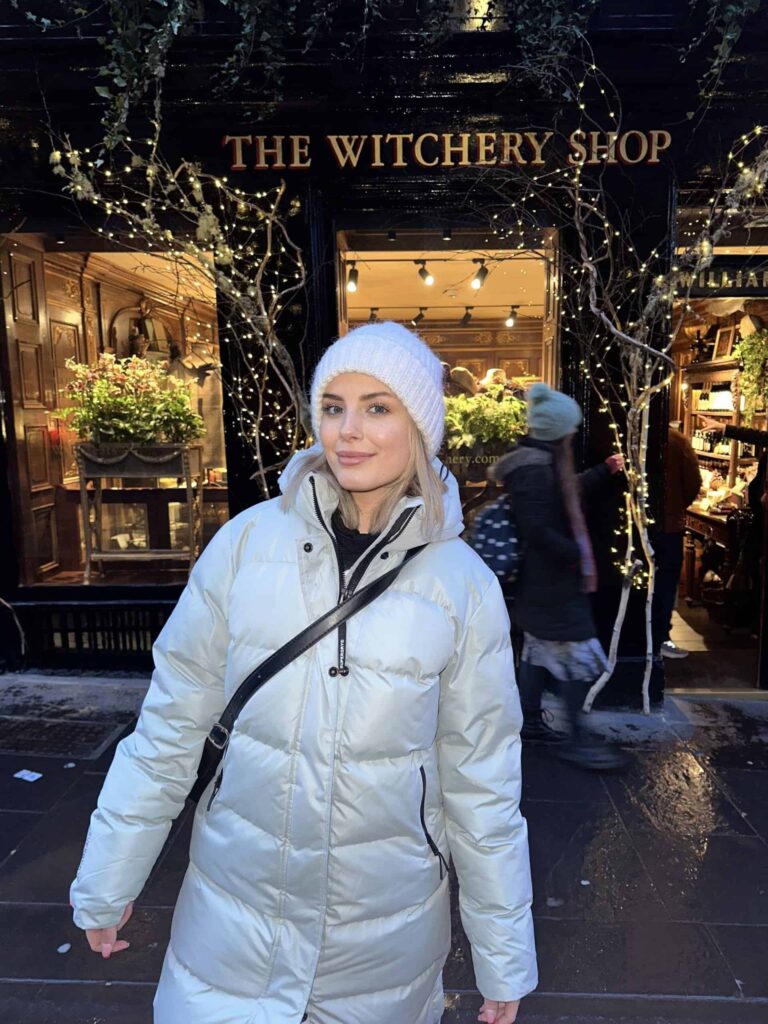
When a destination is shown through someone's own experience, it gives viewers a reason to picture themselves there rather than simply admiring the view. That is why the best travel collaborations are built around a person and a route through the day, not a list of landmarks. For a hotel, it means the walk from reception to the room, the view from the window and the breakfast table. For a destination, it means a believable day: where to start, where to eat, where to watch the sunset, how to get back.
If you run a hotel, a venue or a destination and want this kind of content made for your own channels, our travel content packages and hotel content packages set out exactly what is filmed and delivered, and our guide to hiring a travel content creator explains how to brief one.
Fashion collaborations: styling that sells
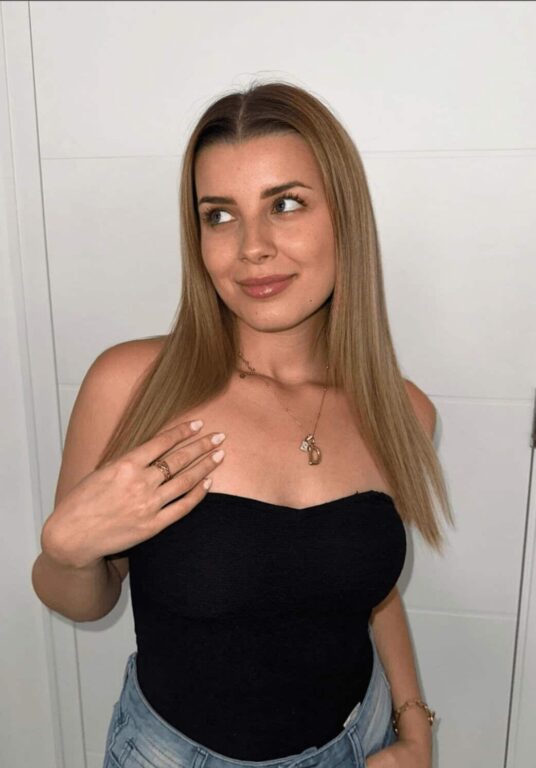
Fashion collaborations work because clothes are hard to judge from a product photo. A creator wearing a piece, moving in it and styling it three ways answers the questions a shopper actually has: how does it fit, how does it hang, what would I wear it with. Styling videos have been a staple of fashion content for years, and short video on TikTok and Instagram Reels has made them the default format.
The old version of this article summed up good styling content as the three Cs: creativity, comfort and captivating originality. We still like that, and we would add a fourth: clarity. The viewer should know within the first few seconds what the piece is and why it is worth watching.
For boutique and independent labels, a collaboration can do more than a big-brand campaign, because the story behind the label is part of what is being sold. These are the angles we brief most often.
Our guide to UGC for fashion brands covers the formats in more detail, and the fashion and clothing UGC packages show what we make for labels.
Beauty collaborations: honest results
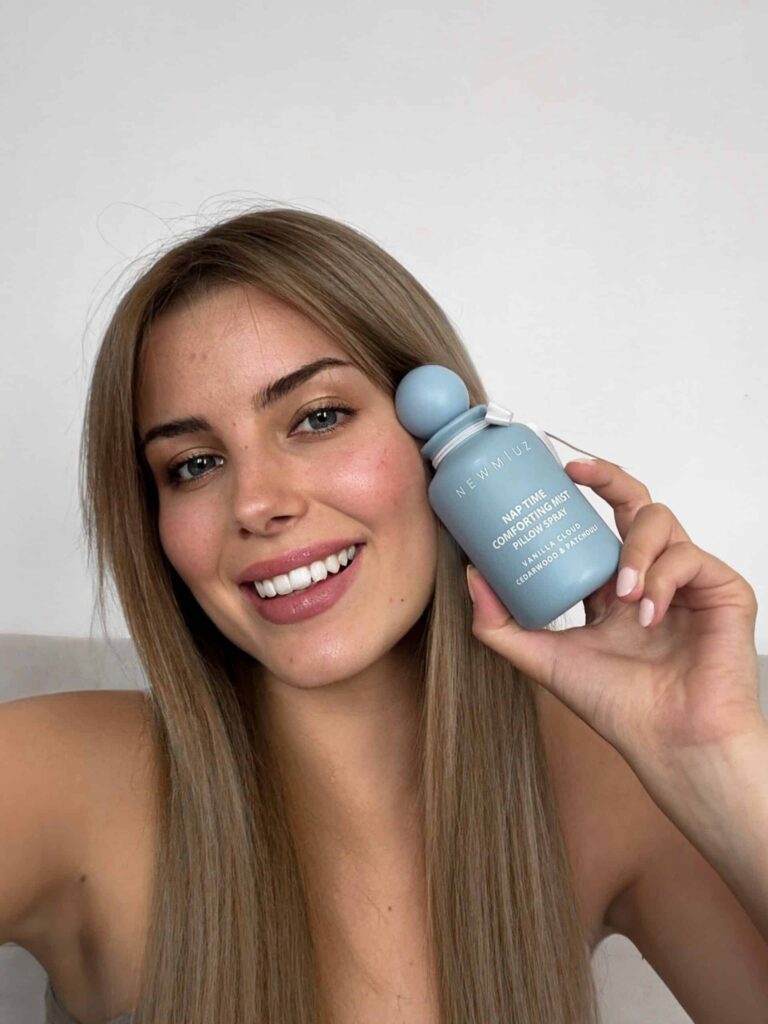
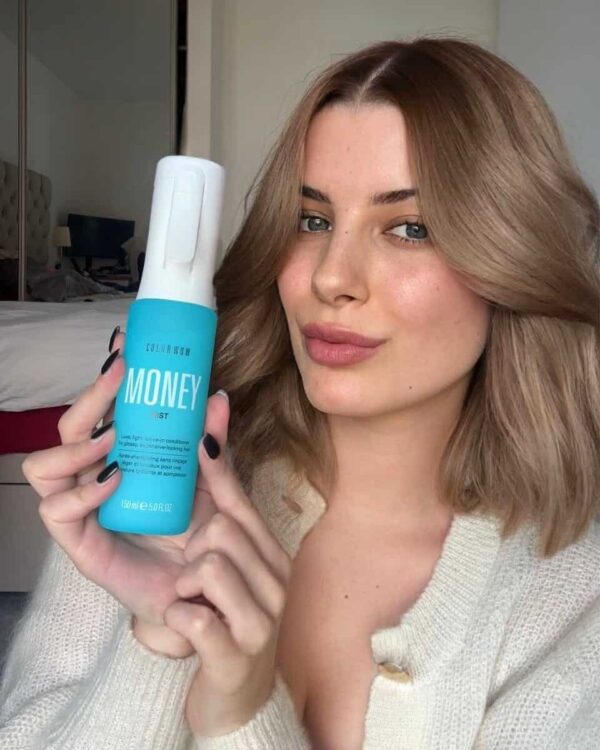
Beauty is the category where collaborations are most powerful and most closely regulated. Viewers want to see a product on real skin, in real light, used the way they would use it. That is exactly what a creator can show, and exactly where an exaggerated result does the most harm. Velena's early beauty work, for brands including Newmiuz, was built on four kinds of content that still form the core of a good beauty brief.
- Product demonstrationsShow what the product is, how much to use and how to apply it. A clear demonstration answers the questions that stop people buying.
- Routine integrationsShow where the product fits in a real morning or evening routine. It makes the purchase feel like a small, sensible change rather than a leap.
- Honest reviewsThe creator's real opinion, including what they did not love. Balanced reviews are more believable, and believability is the whole point of working with a creator.
- Campaign postsA planned series around a launch, with each post doing a different job: the reveal, the first use, the result after a few weeks.
Two rules matter more in beauty than anywhere else. First, results must not be exaggerated: the ASA has ruled that filters that exaggerate a product's effect make an advert misleading, so a skincare or make-up collaboration should be filmed without them. Second, claims must be ones the brand can prove. A creator saying a serum "cleared my skin in two weeks" is a claim the brand is responsible for, not just a personal opinion.
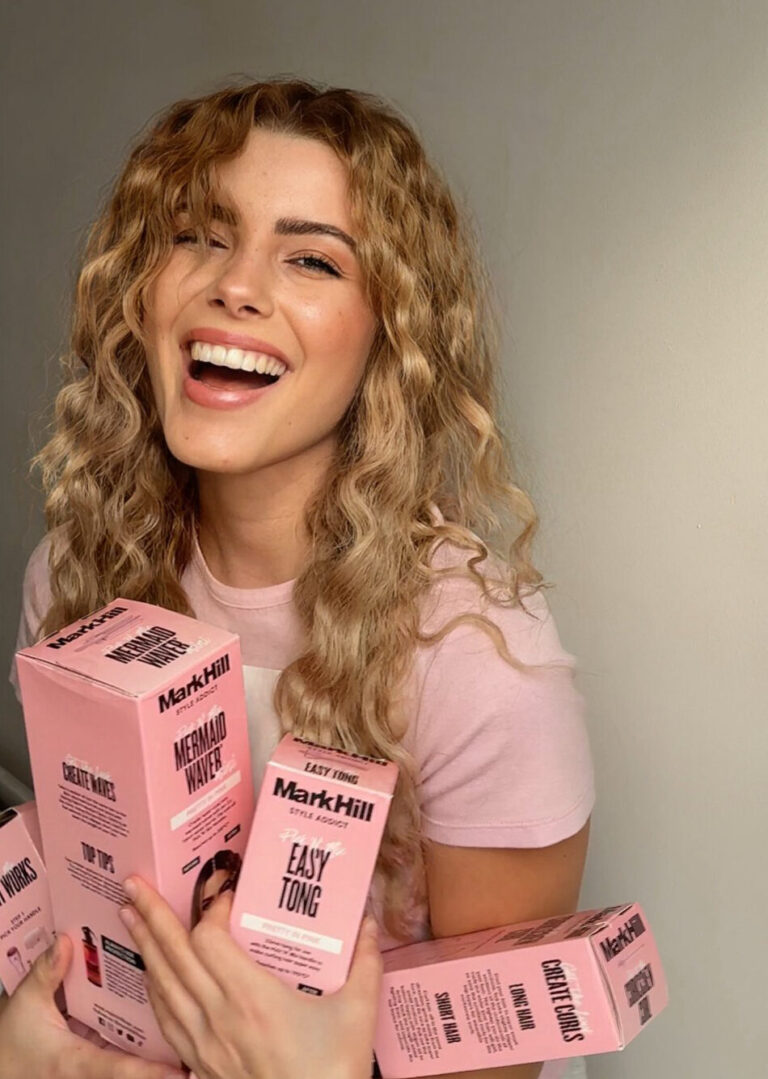
PR packages, like the Mark Hill boxes above, are one of the most common ways a beauty collaboration starts. They are worth handling carefully. A gift with no obligation to post is the lightest form of collaboration, but if the creator does post about it, the CMA's guide for influencers says the post must be labelled, because a gift counts as payment. Our guide to UGC for beauty brands goes further into what to film and what to avoid.
Where UGC fits alongside a collaboration
UGC is content made in the style of a real customer: a review, an unboxing, a demonstration, a day in the life. The difference from an influencer collaboration is where the video goes. A collaboration is published on the creator's account to the creator's audience. UGC is delivered to the brand, to use on its own social channels, website, emails and adverts. Our explainer what is UGC covers the basics, and UGC vs influencer marketing compares the two side by side.
In practice, the two work best together. The collaboration gives you reach and a believable introduction; the UGC gives you content you own, in the formats your adverts need, which keeps working after the collaboration's post has gone quiet. These are the jobs UGC does well.
The old version of this article also listed "SEO improvement" and "higher interaction rates" as benefits of UGC. We have dropped them here, because we could not find a current, reliable source that measures either for social video, and we would rather say nothing than repeat a claim we cannot check. What we can say is that a product page with real reviews and images converts better: Northwestern University's Spiegel Research Center found the purchase likelihood for a product with five reviews was 270 percent greater than for one with none, in its study of online reviews.
The UK rules: label every collaboration clearly
This is the part of influencer marketing that changed most after this article was first written, and the part brands most often get wrong. The short version: if a creator receives anything in return for a post, and the brand has any say in it, the post is an advert and must be labelled clearly, at the start, where nobody can miss it.
The scale of the problem is worth knowing. In a 2025 report, the ASA's monitoring of more than 50,000 pieces of Instagram and TikTok content found only about 57 percent of UK influencer adverts were likely to be labelled adequately, and about 20 percent of the undisclosed adverts relied on words such as "gifted" or "PR trip" alone, according to Lewis Silkin's summary. Then in February 2026, ASA research found that 80 percent of people prefer influencers to state clearly when content is advertising, and that plain labels such as "ad" were among the most effective while "#gifted" was among the weakest, as Retail Gazette reported.
Responsibility is shared. The CMA's guide says everyone involved in creating the content must make sure it is labelled correctly, which includes the brand that briefed it. Write the label into the brief, check it before the post goes live, and keep a record. Our guide to the ASA and CAP Code rules for social media covers the detail, including what changes when a post is run as a paid advert.
Briefs, scripts and filming
A good brief is the single biggest difference between a collaboration that works and one that disappoints. It is not a list of things to say. It is a short document that tells the creator what the collaboration is for, who it is aimed at, what must be true and what is up to them. The more clearly the brief states the goal and the boundaries, the more freedom the creator can safely be given within them.
These are the parts we put in every brief, whether we are writing one for a brand or receiving one as the creator.
- The goal and the audienceOne sentence each. "Introduce the new serum to women in the UK who already use a vitamin C product" is a brief; "raise awareness" is not.
- The must-havesThe product shown clearly, the key benefit, any claims the brand can prove, and the label. Keep this list short.
- The no-gosClaims that cannot be made, competitors that cannot appear, filters that cannot be used, words the brand avoids.
- Formats and datesWhich platform, which format, how long, which crops, the filming date, the approval date and the posting date.
- Approval and rightsWho approves the script and the edit, how many rounds of changes, and how long the brand may use the content and where.
Then the script. For short video we write a hook for the first two seconds, the reason to watch, the product moment and one clear call to action, and we get the script approved before anything is filmed. That one step saves more time and money than anything else in the process.
On filming and editing, the standard has risen. Viewers expect sharp, well-lit pictures, clean sound and confident cuts, even in content that is meant to look natural. Whether we are filming a city for a travel brand or the detail of a fashion piece, we plan the shots, film more than we need and edit for the platform: fast and vertical for Reels and TikTok, a little slower for a website. Our UGC portfolio shows the finished work.
Measuring the success of a collaboration
Decide how you will measure a collaboration before it starts, because the right measure depends on the goal you wrote into the brief. Awareness, sales and content are judged differently, and a collaboration that looks weak on one measure can be a clear success on another.
Ask the creator for a screenshot of the post's insights a week after it goes live, and agree that in the brief so it is not an awkward request later. Then add the qualitative picture: what people said in the comments, what questions they asked, and whether the tone of the response matched the brand. Our social media ROI calculator helps you put the numbers side by side with the fee.
Tips for effective, long-term partnerships
The advice in the old version of this article still stands: start with clear goals, choose a creator whose values and audience match yours, aim for content that sounds like the creator rather than an advert, treat the creator as a partner rather than a promotional tool, and use the data to make the next collaboration better. What we would add, after a few more years of doing this from both sides, is that the best results nearly always come from the second, third and fourth collaboration with the same creator, not the first.
There are good reasons for that. A creator who has worked with you before already knows the product, the claims you can make and the way you like to work, so each brief gets shorter and each piece of content gets better. Their audience sees your brand in their life more than once, which is far more believable than a single appearance. And you build up real performance data on one creator, so you can tell what is working and what is not.
- Start with a small testOne paid post, or one gifted product with no obligation, before any longer arrangement. It shows you how the creator works and how their audience responds.
- Agree a series, not a one-offThree posts over a month, each with a different angle, usually beat one post three times the size. Different angles reach different parts of the same audience.
- Share what you learnTell the creator which posts sold and which did not. Good creators use that to make the next one better.
- Pay on time and keep your wordCreators talk to each other. A brand known for clear briefs and prompt payment gets the best creators' time.
Our influencer packages
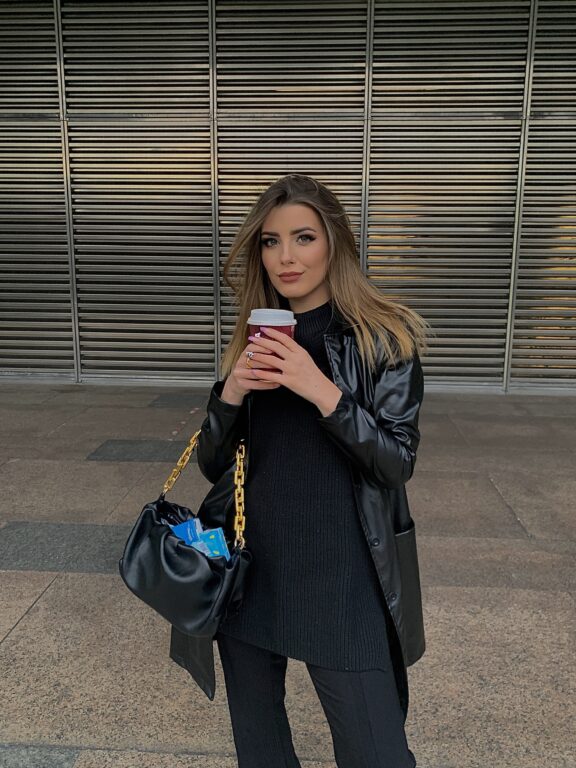
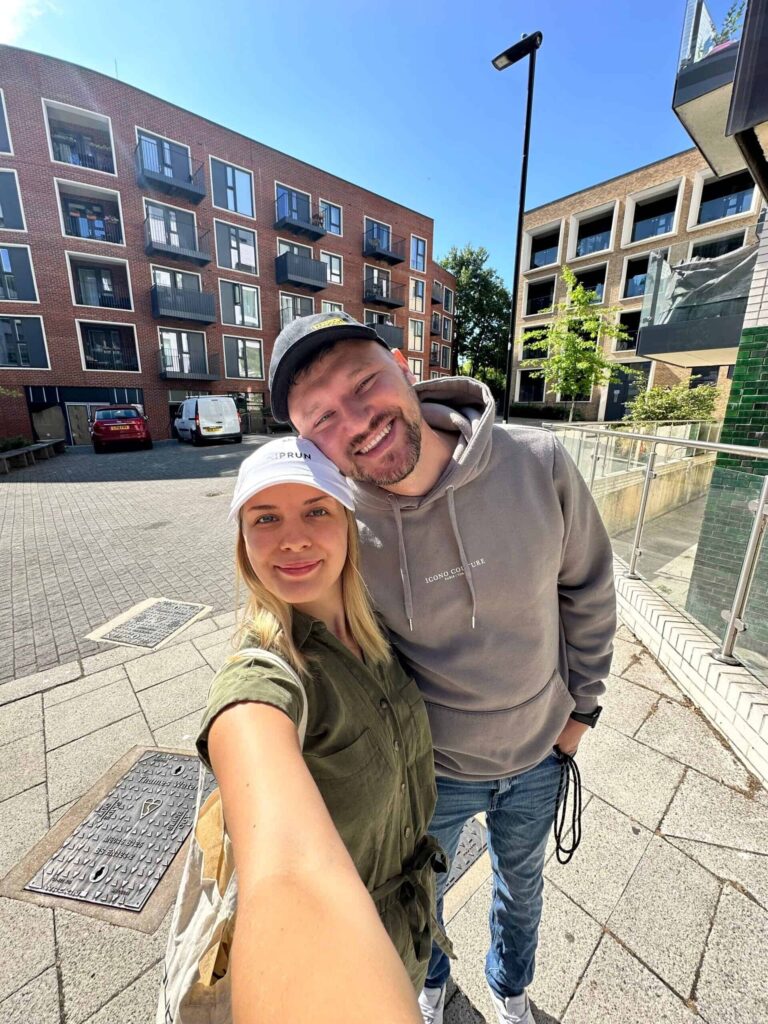
We run influencer collaborations from both sides. Brands hire our team to plan and run campaigns, and brands also book features on Velena's Instagram, with 13,000 followers, and on Dragos's LinkedIn, with 25,000 followers. Every post is labelled as an advert, you approve it before it goes out, and every price is on the page.



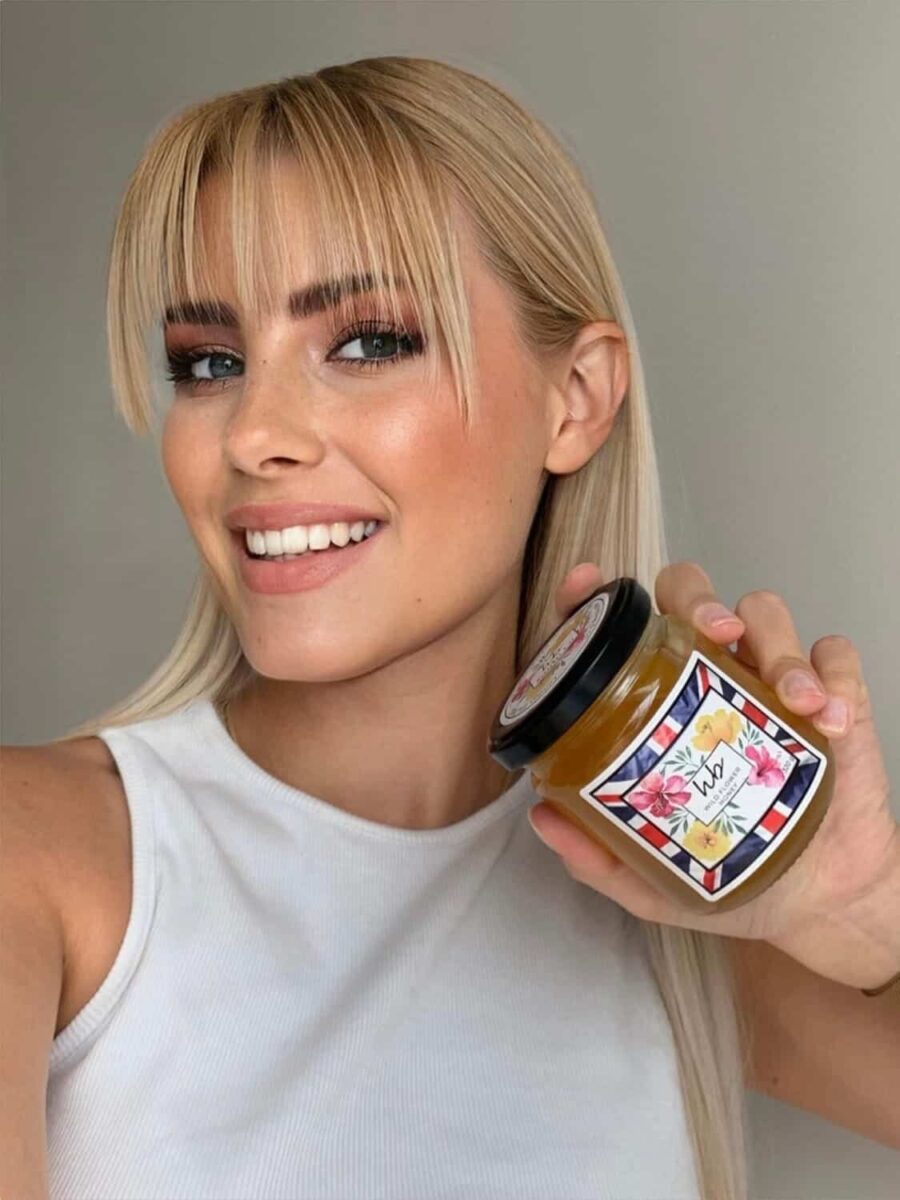
If the goal is content you own rather than a post to someone else's followers, our UGC packages are the better fit, and the UGC Monthly Plan delivers three new videos every month from £430 a month. For a business audience, our LinkedIn services cover the profile and the content around a campaign. And to see how we use creators and content for a brand we own ourselves, read the HoneyBee & Co. case study.
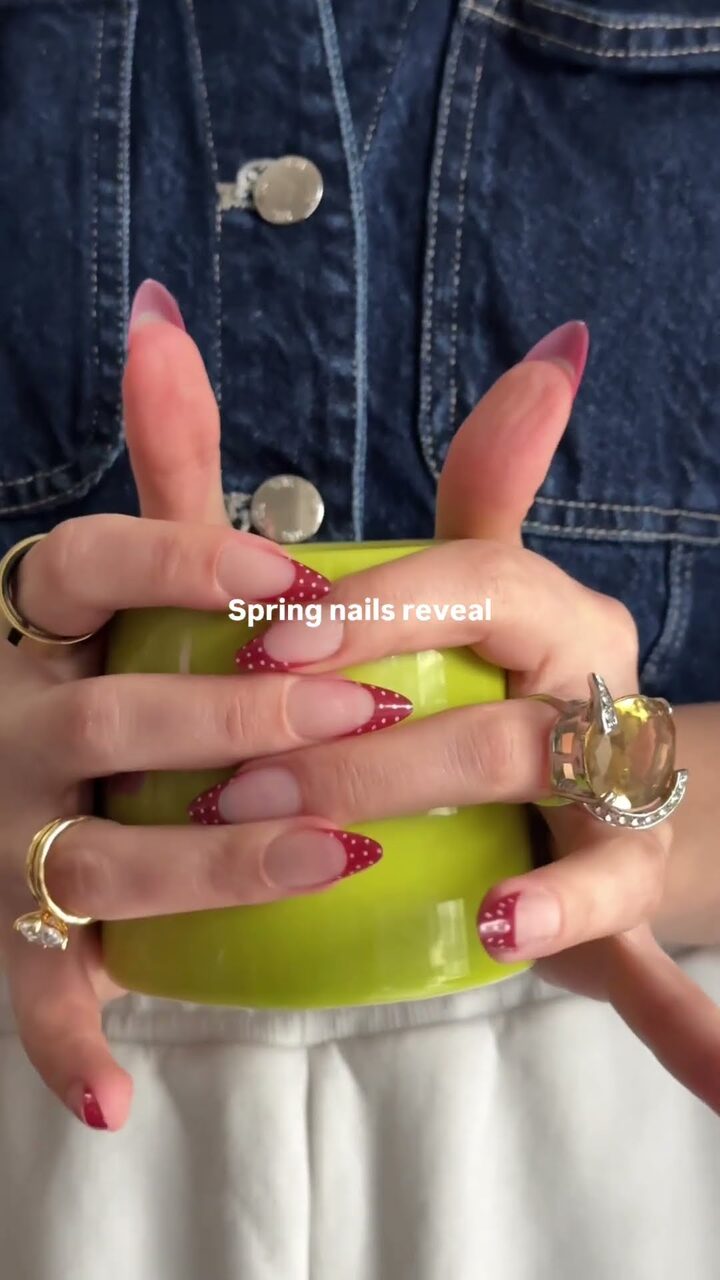
Collaboration content we have made
Tap a video to play it. There is more on our work pages.

Influencer collaborations: questions
What is an influencer collaboration?
A creator featuring your brand on their own account in return for something: a fee, a free product, a commission, a trip or a longer ambassador arrangement. In the UK, all of these make the post an advert that must be labelled clearly.
Does a gifted product need to be labelled?
Yes, if the creator posts about it. The CMA's guide for influencers says a gift of any product counts as payment, and lists "gifted" on its own as an ambiguous term. Use a clear label such as "Ad" at the start.
How do I choose the right influencer?
Start from your goal and your customer. Check the creator's audience location and age, read the comments on recent posts, look at how they handled past collaborations, and ask for likes per reach and sends per reach. Follower count comes last.
Are micro influencers better than big accounts?
Often, for smaller brands. They usually cost less per post and are closer to their followers. The Influencer Marketing Hub Benchmark Report 2026 found 52.83 percent of respondents planning to increase or start their use of micro influencers.
How do I measure an influencer collaboration?
Decide before it starts. For awareness, look at reach and watch time; for engagement, likes per reach and sends; for sales, a tracked link or code; for content, how the licensed video performs as an advert.
What is the difference between an influencer collaboration and UGC?
A collaboration is published on the creator's account to their followers. UGC is delivered to you, to use on your own channels and in adverts. Many campaigns use both: the collaboration for reach, the UGC for content you keep.
What happens if a collaboration is not labelled?
The ASA can rule against the advert and name the creator and brand. Since 6 April 2025 the CMA can also fine a business up to 10 percent of its global turnover for breaking consumer law, without going to court first.
Can I run a creator's post as an advert?
Yes, with their agreement, through partnership ads on Meta or Spark Ads on TikTok. The post keeps the creator's name, so its label must stay clear. Agree the length of the paid use in writing first.
- Nielsen, Trust in Advertising 2021
- Influencer Marketing Hub, Influencer Marketing Benchmark Report 2026
- Collabstr, 2026 influencer marketing report
- Social Media Today, Instagram shares algorithm insights, January 2025
- Lindsey Gamble, Instagram expands its creator tool to new regions
- TechCrunch, TikTok moves creator matching into TikTok One
- Meta for Developers, partnership ads
- Lewis Silkin, CAP updates its environmental claims guidance, August 2026
- ASA, the misuse of social media beauty filters
- Spiegel Research Center, Northwestern University, How Online Reviews Influence Sales
- ASA, Influencers' guide to making clear that ads are ads
- GOV.UK and CMA, Social media endorsements: being transparent with your followers, updated 3 September 2025
- KPMG, the CMA's new consumer enforcement regime
- Lewis Silkin, ASA report on influencer transparency, May 2025
- Retail Gazette, the ASA's February 2026 research on influencer labels
A question this article did not answer? Ask our team, and a person will reply.