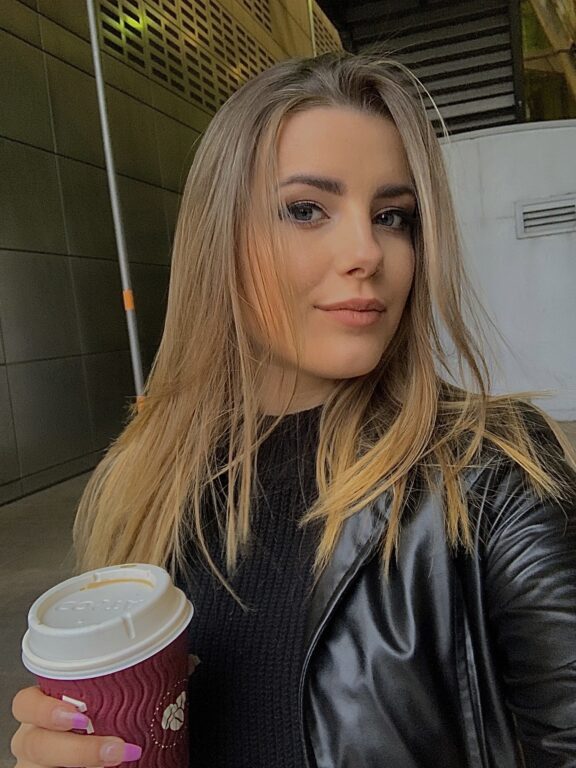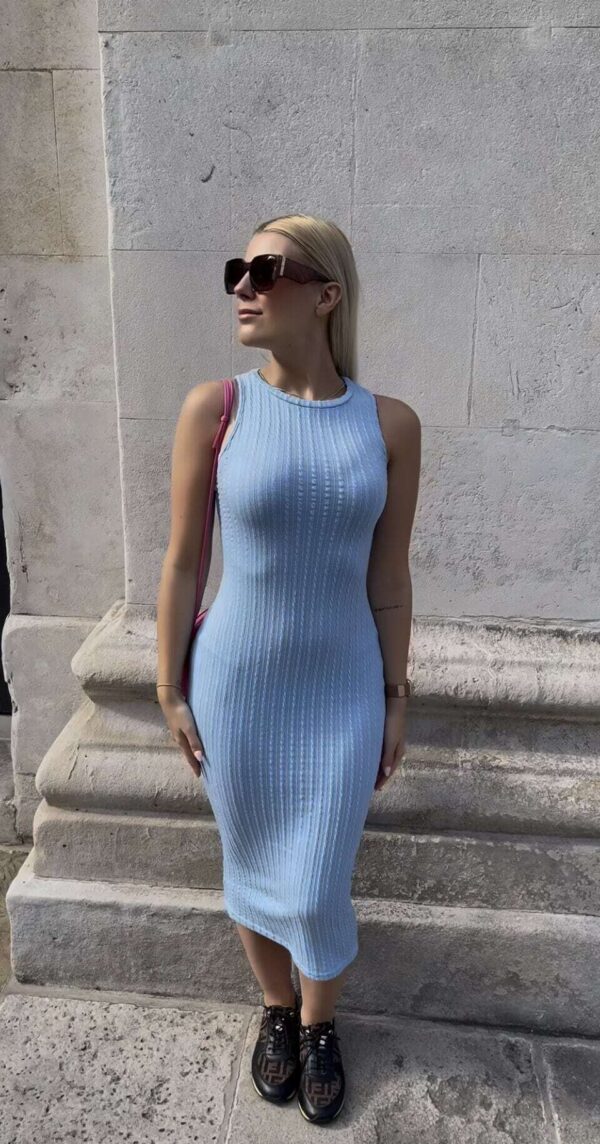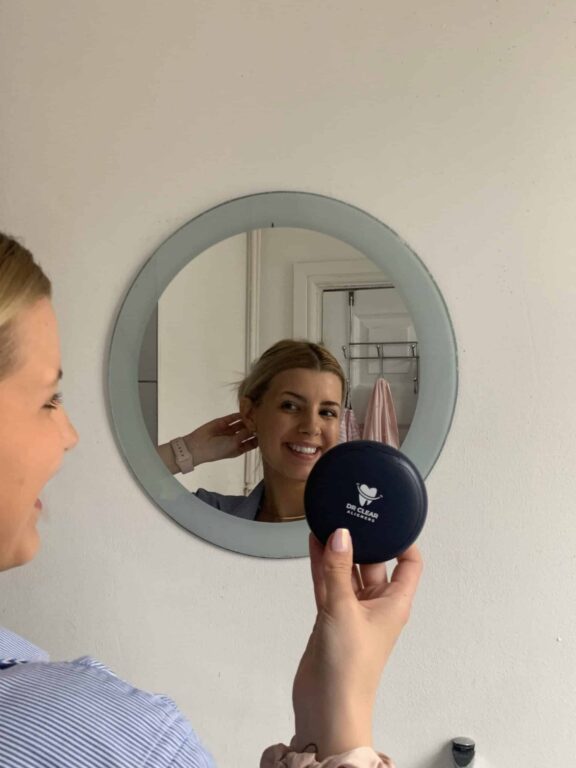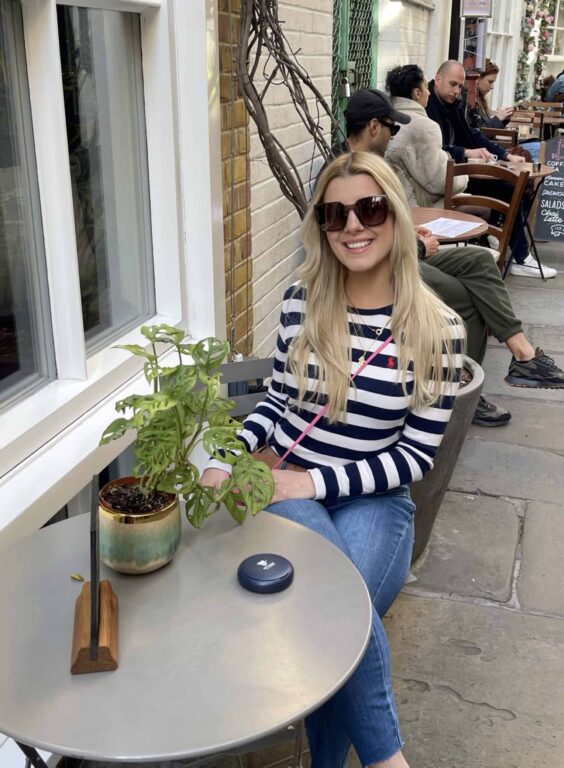
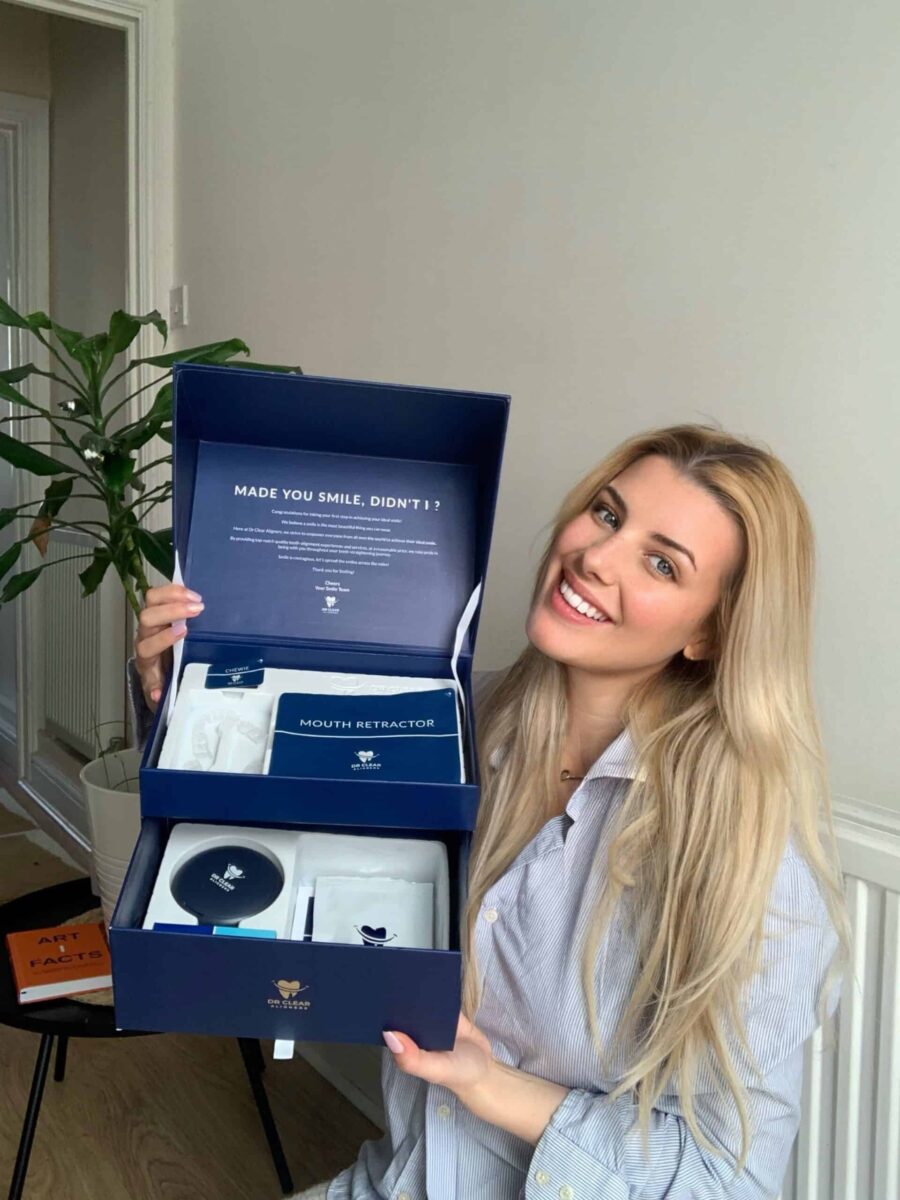
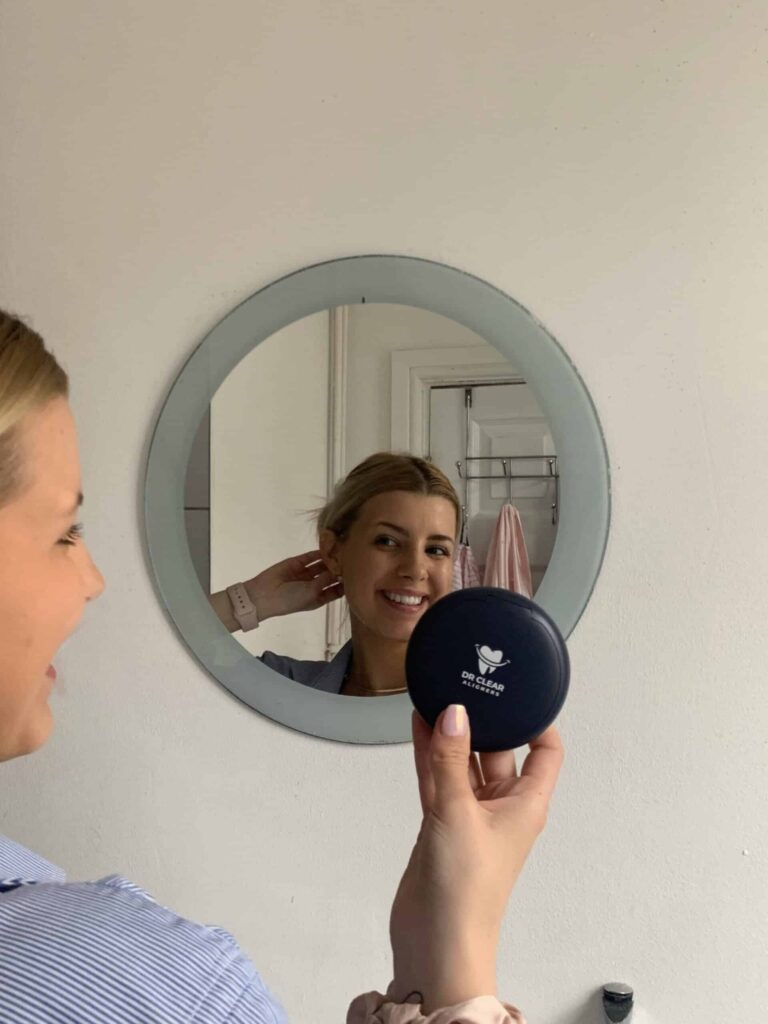
- Dr Clear Aligners, a clear aligner brand, was one of Velena's earliest UGC clients. The first video was ordered in March 2023, and a second order followed soon after.
- In May 2023 the brand booked Velena as a paid model for a studio photoshoot, and later offered to pay her monthly for a regular run of videos.
- What turned one order into a run of work was ordinary: quick delivery, close attention to the brief, and content the brand could use straight away.
- The brand also offered Velena a full aligner treatment plan. Any benefit like that is a commercial relationship, so posts about it need a clear "Ad" label.
- Dental and health products carry extra rules on claims and before and after pictures. A creator's words in a brand's advert count as the brand's claims.
How it started
Most lasting work with a brand starts small. In March 2023, Dr Clear Aligners, a brand selling clear aligners for straightening teeth, approached Velena to make UGC videos. It sent its products so she could use them and film her experience. Velena was early in her work as a UGC creator then, and the brand became one of her earliest and most significant clients.
This article was first written that summer, as a creator's account of a partnership she was proud of. We have kept every event it describes and the order they happened in. What we have added is the view from the other side: what a brand gets from a creator relationship that grows, what it should put in writing as it grows, and the rules that apply when the product is a health product.
A short definition helps first. UGC is content a brand commissions from a creator for its own channels and adverts. It is not the same as an influencer post, which is bought for the creator's audience. Dr Clear Aligners' first order was UGC: videos the brand would use. Our guide to what UGC is explains the formats and rights, and UGC versus influencer marketing explains when a brand needs which.
Why a second order came
The first videos were delivered quickly, and the brand was happy with them. Before long it asked for another UGC video and sent more products. That second order is the moment a one-off becomes a relationship, and it is worth asking why it happens, because most first orders never get one.
From our experience on both sides since then, a brand reorders when three things are true. The content arrived on time or early, so the brand could use it in the week it planned to. It followed the brief, so nobody had to explain the product twice. And it was usable as delivered: the right formats, clean sound, the product clearly shown, and nothing in it the brand had to cut out for legal reasons. None of that is glamorous. All of it is what a busy marketing manager remembers when the next budget comes round.
From videos to a studio shoot
In May 2023, the brand invited Velena to be a paid model at one of its professional photoshoots. She worked in a studio alongside other models, showing the brand's products, and met the team in person for the first time. Until then the whole relationship had run on messages, briefs and files. Meeting face to face changed it from a supplier on a list to people who knew each other.
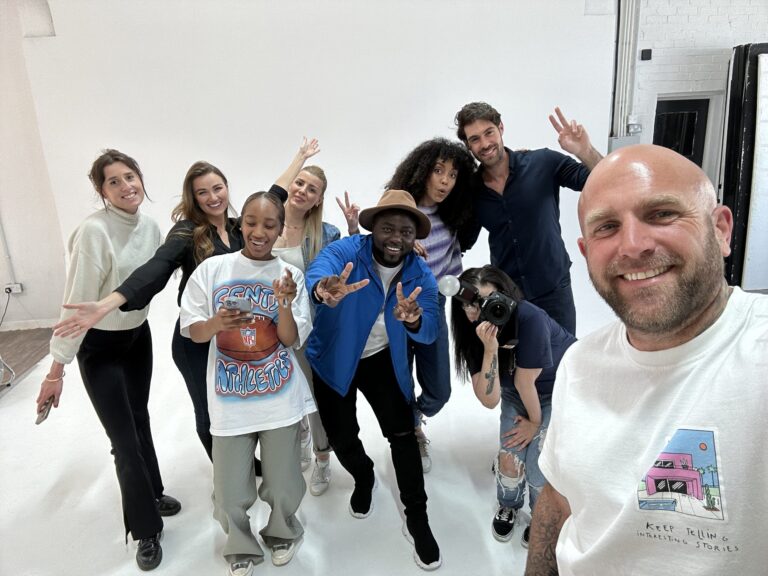
For a brand, a shoot day like this is a sensible next step once a creator's work is proven. Studio photography gives you polished pictures for your website, packaging and adverts, while the creator's own videos give you the natural, phone-first content that works in feeds. The two do different jobs and sit well together. For a creator, a paid shoot is a different kind of work from UGC, priced by the day rather than by the video, and it is worth knowing which you are being asked for before you agree a fee.
The move to a monthly arrangement
The turning point came when Dr Clear Aligners offered a long-term collaboration: a monthly payment for a regular run of videos. It was built on the trust of the months before. Both sides knew the objectives, the brand's tone and the standard expected, so each new brief took less explaining than the last.
A monthly arrangement suits both sides when a brand needs a steady flow of content rather than a single campaign. The brand gets fresh videos without briefing a new creator every time, and the creator gets predictable income and a deeper knowledge of the product, which makes each video better. The risk is that a relationship built on goodwill drifts without anyone writing down what it includes. The answer is to put a few things on paper before the first monthly payment.
- How many videos, and which kindsThe number each month, the formats, and how many opening hooks each one carries.
- How briefs and approval workWhen the brief arrives, when the script is approved, and how many rounds of changes are included.
- What the rights coverOrganic use on the brand's channels, paid adverts, and for how long. Under GOV.UK's guidance on intellectual property, a self-employed creator usually owns what they make unless the contract says otherwise.
- How to end itA notice period on both sides, so neither is left with a gap in a busy month.
This is the model our own UGC Monthly Plan follows: three videos a month in the range a brand chooses, scripts approved before filming, advert rights on all three, month to month, with 2 months notice.
The treatment plan, and why it needs a label
The most personal part of the story came next. As part of the collaboration, Dr Clear Aligners offered Velena a full treatment plan to straighten her teeth, something she had wanted for a long time. In the original post she described it as life changing, and it showed a brand that cared about the people it worked with beyond the screen.
It is also a clear example of a rule every brand and creator should know. A treatment worth that much is a benefit in kind, and in the UK a benefit is a commercial relationship as much as cash is. The government's guidance for creators, Social media endorsements: being transparent with your followers, says gifts must be disclosed even when there is no obligation to post, and the ASA and CMA influencers' guide recommends a clear label such as "Ad" at the start. So any post in which a creator talks about a treatment she received through a brand partnership should be labelled, even if the brand did not ask for the post.
The label protects the creator as much as the audience. Her opinion of the treatment is no less real for being disclosed, and followers who later learn of an undisclosed relationship tend to doubt everything else she has said. For the brand, a properly labelled post is one it can share without worrying.
Rules for dental and health products on social media
Aligners are a health product, and that brings extra care. A brand is responsible for the claims in its adverts, and that includes what a creator says in a video the brand runs. These are the rules we build into every brief for a product like this.
The easiest way to stay inside these rules is to agree the claims in the brief, before filming. The creator then knows exactly what she may say, and the brand never has to cut a good take because of one sentence. Our guide to UGC for beauty brands covers the same rules for skincare and cosmetics, and the ASA and CAP Code rules for social media covers labelling in full.
Watch what a brief turns into
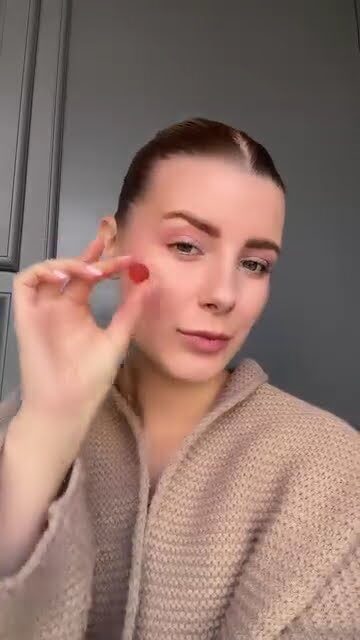
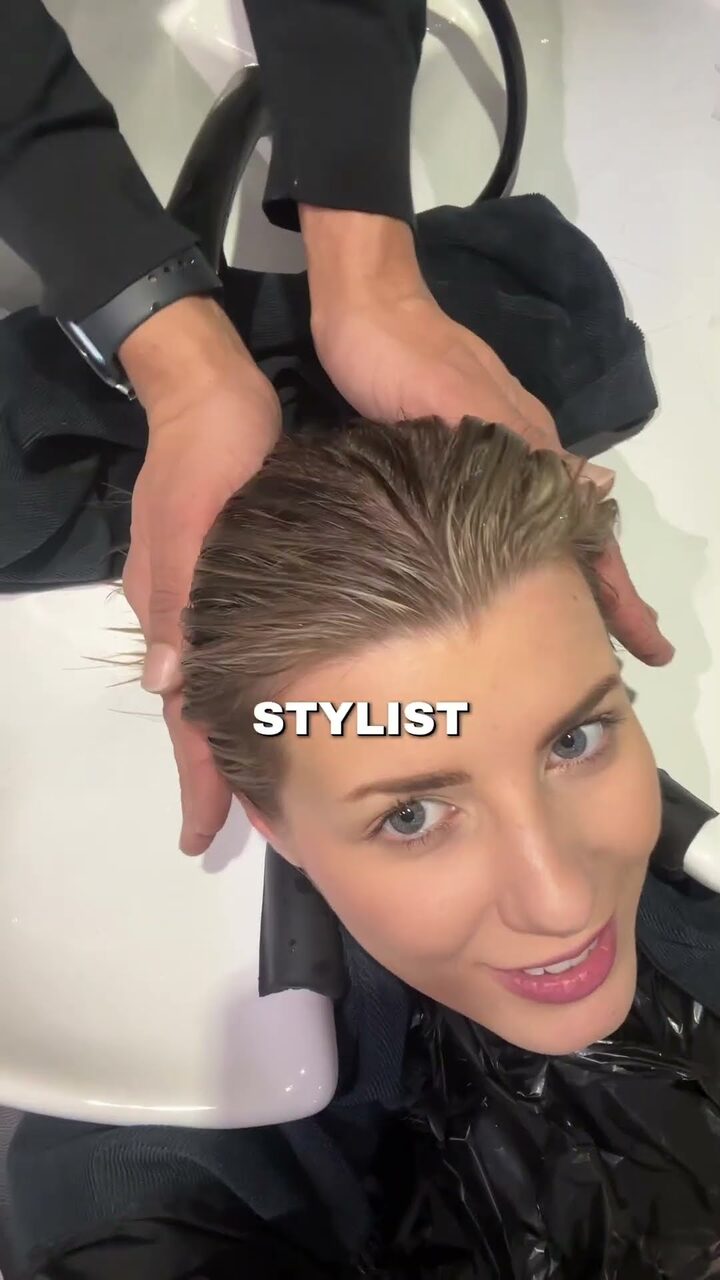
Tap a video to play it. These are beauty and skincare videos our team has made to a brief. There is more on our beauty and skincare work page.
For brands: how to turn a test into a retainer
The Dr Clear Aligners story followed a path we now recommend to any brand looking for a creator it can keep. Start with one video, judge it on whether you could use it as delivered, order a second, then decide whether a regular arrangement makes sense. Each step costs little and tells you a lot.
The first order is the test. Choose a package with a script approved by you, so you see how the creator handles a brief, and with advert rights, so you can run the video if it works. If the first video is good, a bundle lets you test three ideas at once. If those work, a monthly plan keeps the content coming without a new brief every time.
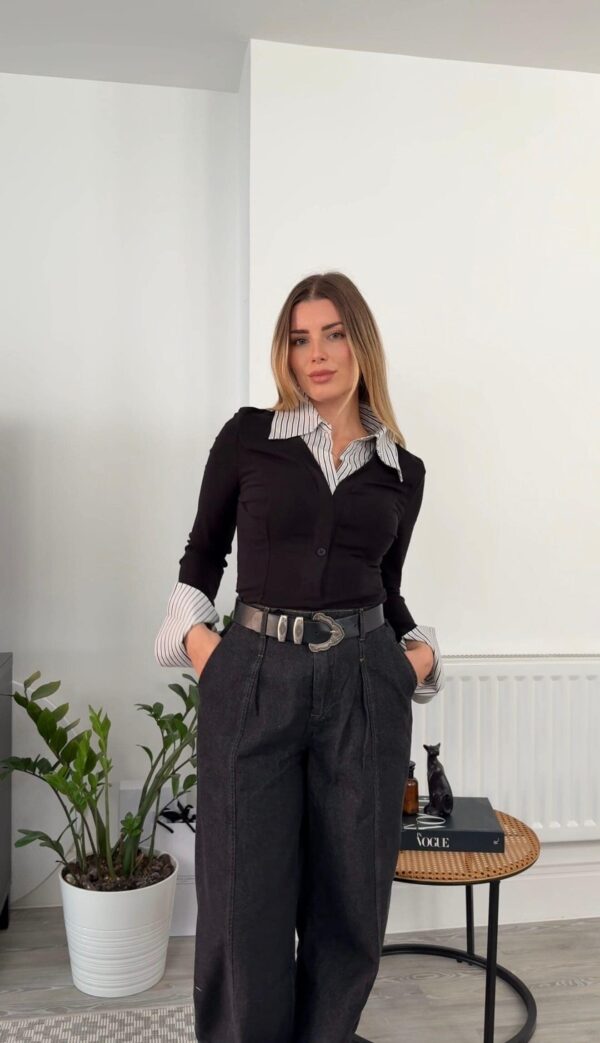
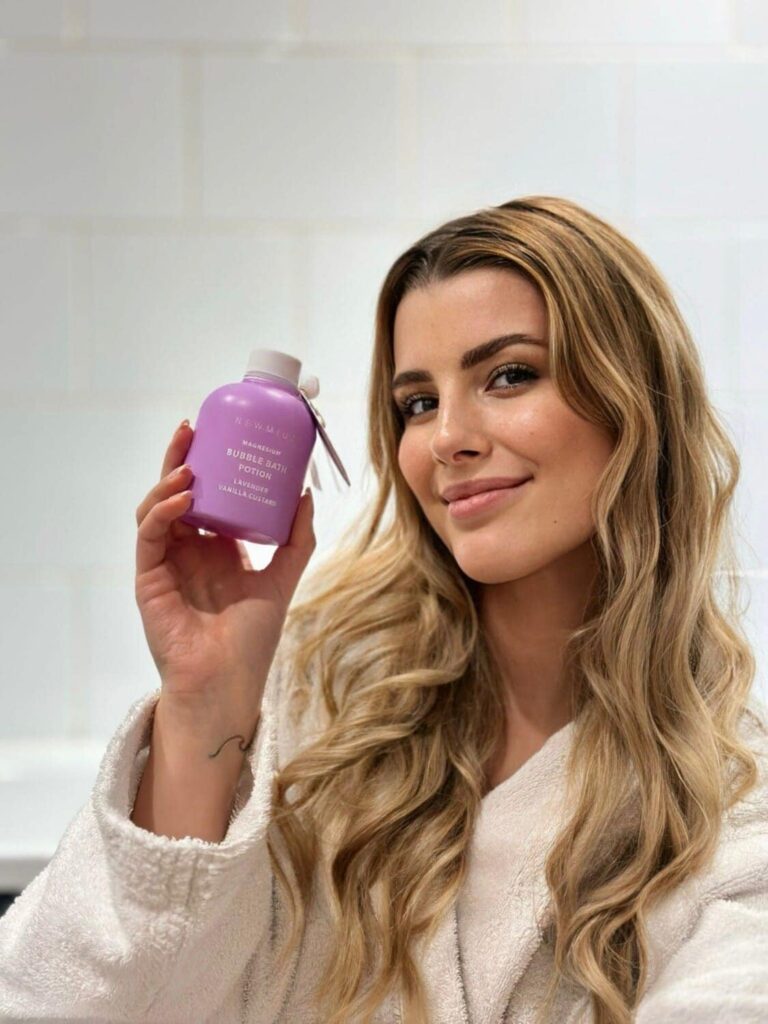
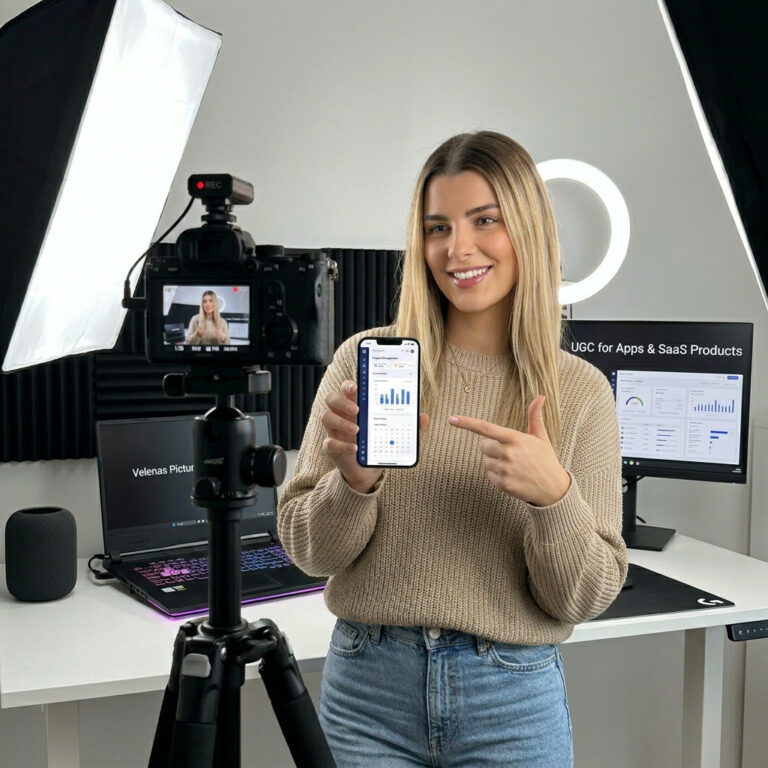
On every package, you choose who is on camera: Velena, Dragos, both, nobody with a voiceover, or no preference, at the same price. The people who plan your content are the people who film it, and you have one point of contact from the first brief to the last hand off. To check a fair price before you commission anyone, our UGC rate calculator and our guide to UGC rates in the UK give you the range.
For creators: how to earn the second order
If you are where Velena was in 2023, with your first brand clients, the second order matters more than the first. These are the habits that made the difference for her, and that we still hold our own work to.
The original post ended with Velena's excitement to keep going, and that feeling is the right one to start with. Excitement, though, is not a contract. The creators who build lasting work are the ones who pair it with clear terms. If you want more on starting out, read four things we would do differently if we started UGC again, our UGC tips and tricks, and the cost of easy content, on the lines brands use to underpay creators and how to answer them.
Creator partnerships: questions
How does a one-off UGC order become a long-term partnership?
Usually through a second order. Deliver on time, follow the brief closely and send files the brand can use straight away. When the brand is happy, ask whether a regular monthly arrangement would help, and put its scope and rights in writing.
What should a monthly UGC agreement include?
The number and kind of videos each month, how briefs and approvals work, how many rounds of changes are included, what the usage rights cover and for how long, and a notice period for ending it.
Does a free treatment from a brand need an ad label?
Yes. A treatment, a product or any other benefit is a commercial relationship. GOV.UK guidance says gifts must be disclosed even when there is no obligation to post, so put "Ad" at the start of any post about it.
Can a creator share before and after pictures of their teeth?
Yes, if they are genuine and comparable, with the same light and angle, and not edited or filtered to exaggerate the result. In an advert, the brand also needs evidence for any result the pictures imply.
Who owns the videos a brand pays a creator to make?
Under UK law a self-employed creator usually owns what they make unless the contract says otherwise, so the brand's rights depend on the agreement. Write down where the brand may use the videos and for how long.
Is a paid photoshoot the same as a UGC job?
No. A UGC job is usually priced per video the creator films and edits. A shoot day as a model is priced by the day, with the brand's own photographer. Agree which one you are being asked for before you agree a fee.
How much does a UGC video cost in the UK?
It depends on the script, the number of hooks and formats, and the advert rights. Our beauty and skincare videos start from £140, and our guide to UGC rates in the UK explains what moves a quote.
- GOV.UK, Intellectual property: an overview
- GOV.UK and CMA, Social media endorsements: being transparent with your followers
- ASA and CMA, Influencers' guide to making clear that ads are ads
- CAP, health, beauty and slimming claims substantiation
- CAP, before and after photos
- ASA, the misuse of social media beauty filters
A question this article did not answer? Ask our team, and a person will reply.